
As the EU’s new Regulation on Deforestation-Free Products (EUDR) comes closer to implementation, Ethiopian exporters find themselves at a critical juncture. The EUDR, aimed at promoting sustainable and climate-friendly trade practices, presents a significant challenge for Ethiopian products destined for the European market. With a focus on seven key commodities, including coffee and soya beans, the EUDR requires a fundamental shift in production and supply chain practices to comply with stringent sustainability criteria.
Ethiopia’s long-standing trade relationship with the EU means that the implications of the EUDR will be keenly felt. In 2022 alone, Ethiopia exported Euro 910 million worth of products to the EU, with agricultural products and food accounting for 80% of these exports. The impact of the EUDR on Ethiopian exports cannot be understated, and proactive measures are necessary to adapt to the new regulatory landscape.
Recognizing the urgency of the situation, a multi-stakeholder consultative meeting was convened by RAISE-FS to address the implications of the EUDR on Ethiopian exporters. Representatives from key organizations such as ECTA, MoTRI, EAA, ECX, and private companies gathered to discuss the intricacies of the EUDR and its potential impact on Ethiopian exports. Introductory presentations were given by Dr. Martha Belete of Addis Ababa University and Ato Denu Lemma of the RainForest Alliance.
The EUDR places a strong emphasis on deforestation-free production, socially responsible practices, geolocation traceability, due diligence, and circular economy principles. With an implementation date of December 30th, 2024, Ethiopian exporters are faced with the daunting task of aligning their practices with these stringent requirements.
One of the key concerns raised during the meeting was the potential impact on smallholder farmers who may struggle to meet the regulatory requirements. The need for accurate geolocation of small and scattered farm plots, coupled with the prohibition of certain agricultural practices, poses a significant challenge for farmers. Additionally, questions were raised about the potential financial burden of compliance and the need for clear guidelines from the EU to facilitate the transition.
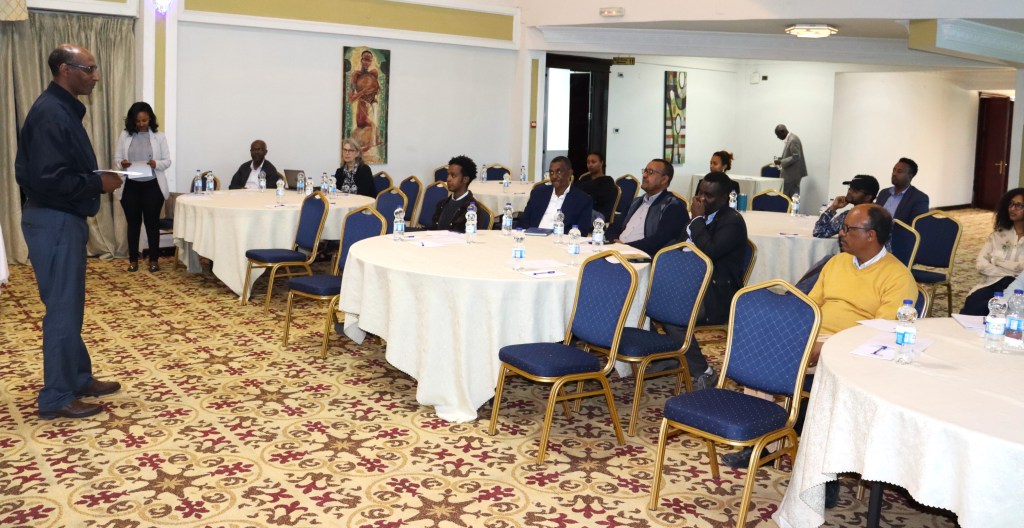
In response to these concerns, representatives from Ethiopian regulatory bodies highlighted ongoing efforts to prepare for the EUDR. The Ethiopian Coffee, Tea and Spices Authority underscored initiatives to collect data, build capacity, and seek extensions from the EU to ease the transition. However, it was acknowledged that substantial financial and time investments would be required to ensure widespread compliance.
Moving forward, it was agreed that a coordinated task force involving key stakeholders would be essential to navigate the challenges posed by the EUDR. Furthermore, heightened awareness campaigns and targeted support for smallholder farmers were identified as crucial steps in preparing Ethiopian exports for the new regulatory landscape.
The consultative meeting shed light on the complexities and challenges that lie ahead for Ethiopian exporters in light of the EUDR. While efforts are underway to prepare for the impending changes, a concerted and holistic approach is essential to ensure a smooth transition. As the clock ticks towards the implementation date, swift and decisive action is imperative to safeguard Ethiopia’s export interests in the EU market.
In conclusion, the journey towards EUDR compliance presents both challenges and opportunities for Ethiopian exporters. By proactively addressing these challenges and leveraging available support mechanisms, Ethiopian products can continue to find success in the EU market while aligning with sustainable and climate-friendly trade practices. In the long term, it is expected that also other countries will have similar demands so the sectors need to get prepared so as not to lose export destinations. The road ahead may be daunting, but with collaborative efforts and strategic planning, Ethiopian exporters can navigate the EUDR landscape and emerge stronger in an increasingly sustainability-focused global economy.
 raise-fs.org