
Tigray’s economy heavily relied on crop production and cattle fattening before the war. The majority of the rural population in Tigray was engaged in small-scale agriculture and crop production, which played a crucial role in ensuring food, feed, and nutritional security. Despite notable advancements in land restoration, agricultural input utilization, and water security, the agricultural sector in Tigray faced significant challenges due to the COVID-19 pandemic, desert locust infestations, and the outbreak of war in November 2020. These events led to widespread destruction of farms, and agricultural infrastructure, and the disruption of seed multiplication activities, severely impacting the seed system in Tigray.
Taking these challenges into account, a workshop on post-war seed system recovery and transformation was organized by RAISE-FS in collaboration with the Tigray Bureau of Agriculture. The workshop aimed to assess the current state of variety development, early generation seed (EGS) production, and the seed supply status in Tigray. Additionally, it sought to evaluate the functionality of seed-producing cooperatives, unions, and private sectors, analyse policy issues related to seed supply, and draw lessons for strengthening the seed sector in Tigray.
The workshop featured presentations focusing on various aspects of the seed sector in Tigray, including variety release and EGS production, seed business operations, seed demand-supply dynamics during and after the war, and the legal frameworks governing seed regulation and inspection. These discussions shed light on the achievements, challenges, and opportunities in each area, providing valuable insights for the revitalization of the seed system.
After a series of insightful presentations, participants engaged in thorough discussions about the current state of the seed system in Tigray. The discussions brought to light key areas that urgently need to be addressed in order to revitalize the seed system and ensure sustainable agricultural development in the region. Key points discussed included the urgent need for emergency seed collection, support for seed cleaners operated by cooperatives, early generation seed production, and addressing policy frameworks related to seed regulation and inspection.
The workshop emphasized the importance of addressing the pressing concern of emergency seed collection, with only 10% of the required 15,000 tons of seed obtained by the regional Bureau of Agriculture. Development partners were tasked with securing the remaining funds, while the BoA would facilitate and coordinate the seed collection efforts through the regional Agricultural Task Force.
Efforts were also directed towards restoring seed cleaners operated by cooperatives, requiring significant investment in maintenance. The BoA, along with support from organizations such as FAO and ATI, took on the responsibility of overseeing the necessary maintenance activities to revive these essential facilities on time.
The production of early-generation seed was identified as a critical aspect for revitalizing the seed system, the research centres and universities were entrusted with overseeing this process. A designated coordinator was responsible for developing a detailed plan to be submitted to the BoA.
Addressing policy issues related to seed regulation and inspection was recognized as fundamental for the long-term development of the seed sector. Effective implementation and enforcement of legal frameworks were emphasized to promote a sustainable seed sector benefiting both farmers and seed companies while safeguarding agricultural biodiversity and food security. The regulatory department was tasked with managing policy-related matters to ensure a conducive environment for seed system revitalization.
The workshop served as a platform for stakeholders to come together and strategize on revitalizing the seed system in Tigray. It is imperative that these efforts are sustained through continued collaboration and resource mobilization to ensure the successful transformation of the food system in Tigray. Representatives from diverse organizations, including research institutions, the Bureau of Agriculture, the Tigray Agricultural Transformation Institute, universities, NGOs, UN agencies, projects, unions, cooperatives, private seed producers, agro-dealers, and the seed enterprises and cooperatives agencies were in attendance. The workshop provided a valuable platform for knowledge sharing and collaboration among stakeholders in the agricultural sector.
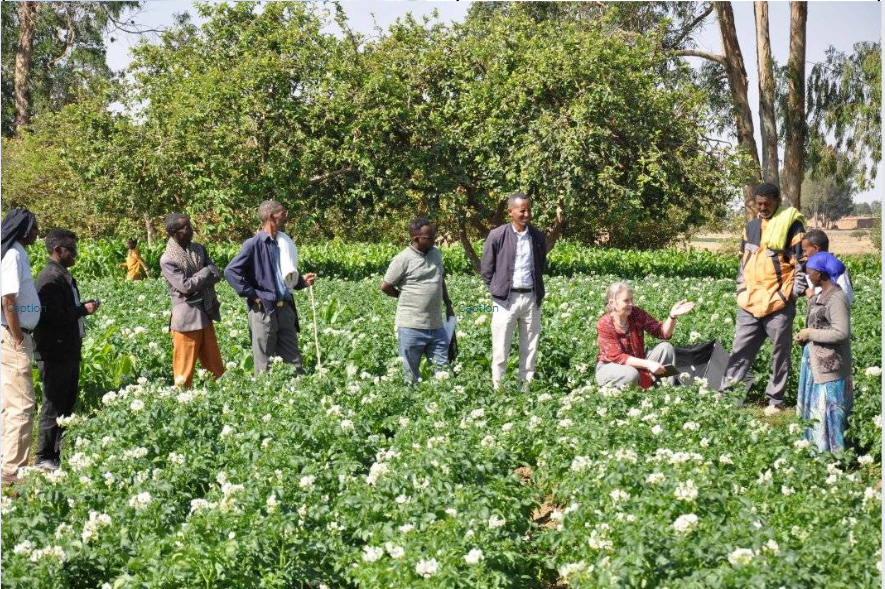
The workshop concluded with a clear roadmap for action, outlining specific responsibilities for different stakeholders. It was underscored that concerted efforts are required to address the challenges facing the seed sector in Tigray. The regional BoA was assigned to take a central role in managing awareness creation, policy revision, and coordinating the relevant stakeholders for timely revitalization of the regional seed system
The revitalization of the seed system in Tigray is crucial for transforming the food system and ensuring food security in the region. The workshop provided valuable insights and action points for addressing the challenges faced by the seed sector. By implementing the proposed measures in collaboration with relevant stakeholders, the region can work towards rebuilding a resilient agricultural system that supports sustainable food production and economic growth.
 raise-fs.org