
RAISE-FS has recently undertaken a significant initiative by commissioning a comprehensive Food Safety Control System Landscape Assessment at the regional level. This assessment represents a crucial step towards identifying and analysing the key stakeholders involved in the food safety control landscape, as well as the associated challenges, per FAO guidelines. The findings of this assessment have been reviewed and validated by key stakeholders in the food safety sector in Ethiopia, with validation workshops conducted at Sidama, Tigray, Amhara, and Oromia regions.
The study has identified key stakeholders and their respective roles in the system, highlighting the necessity for collaboration and coordination among them. The observed mandate overlaps underscore the need for a clear delineation of responsibilities to ensure effective implementation of food safety regulations. Furthermore, the assessment emphasized the importance of enhancing awareness, promoting compliance with standards, and investing in infrastructure to guarantee safe food delivery.
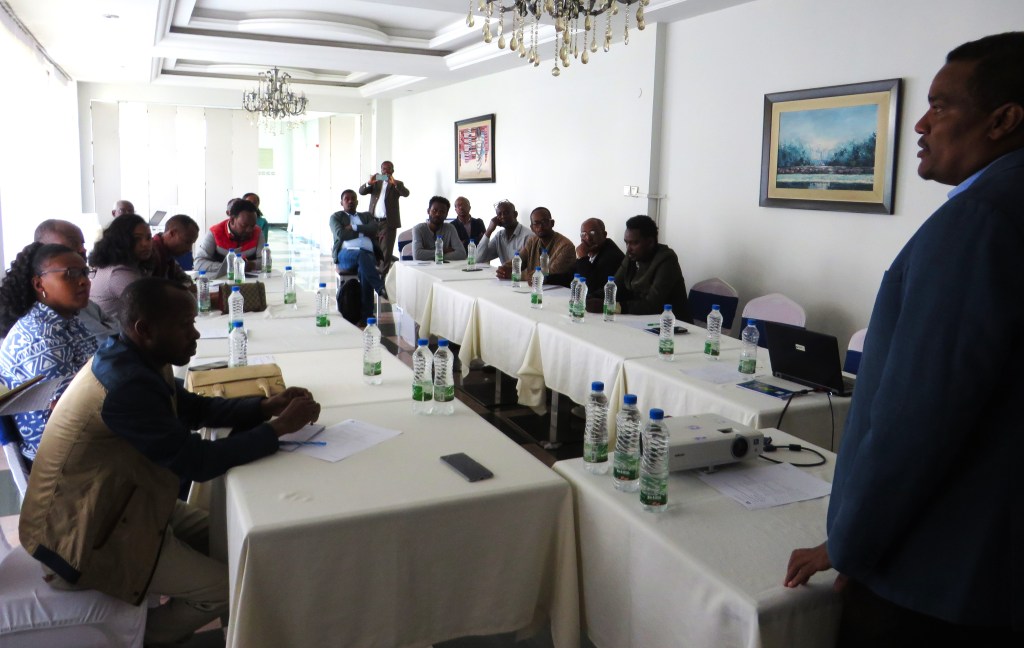
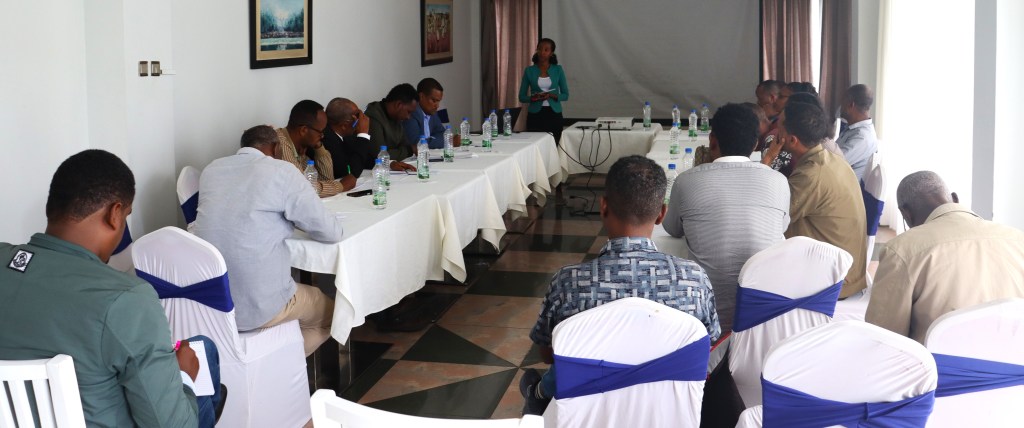
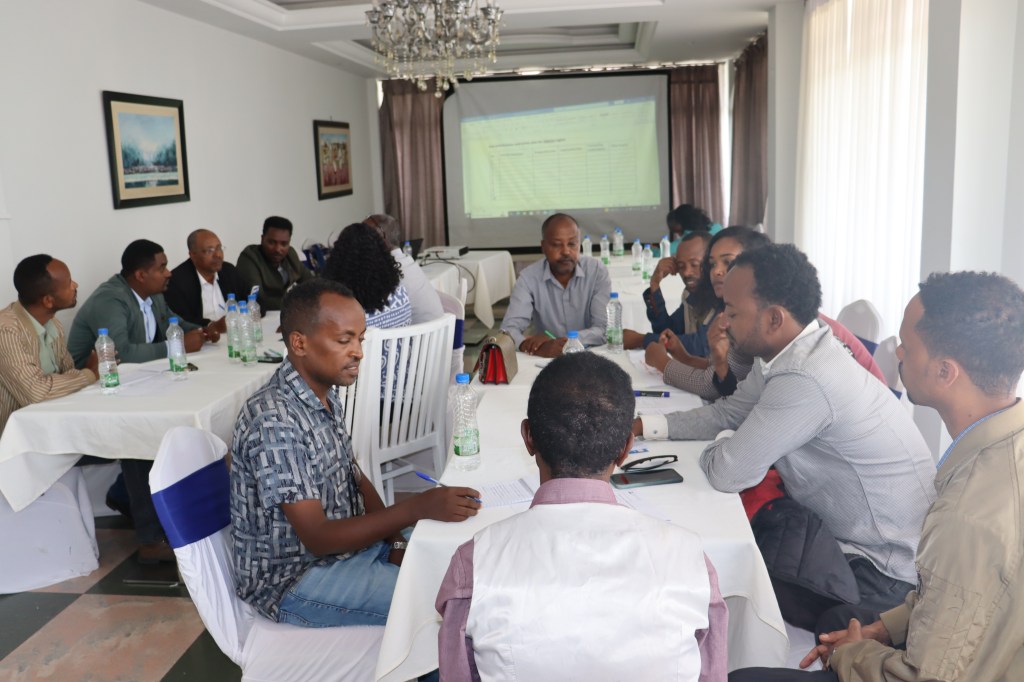
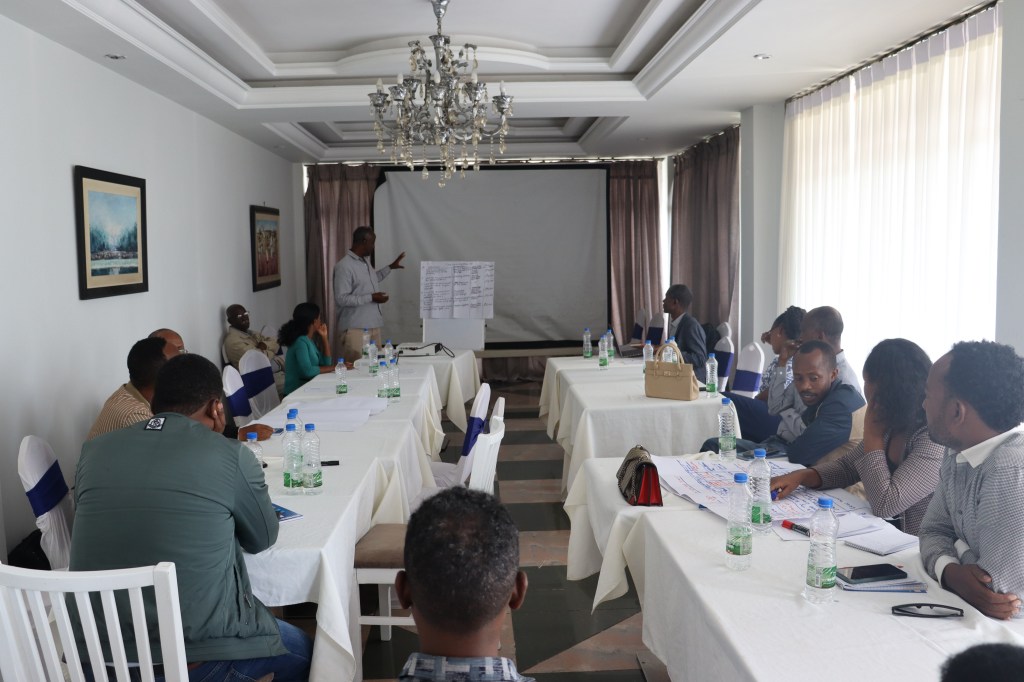
Following the presentation of the assessment, participants engaged in reflective discussions, acknowledging that the findings accurately reflected the ground reality while also identifying areas that require further refinement and sharpening. The importance of this initiative was emphasized by officials and other participants of the validation workshops, who stressed the need for strong coordination and collaboration among key actors to address the identified gaps.
The feedback and insights provided by participants will be considered to further enhance the findings of the assessment. Upon publication of the reviewed and validated document, it is expected to serve as a crucial tool in shaping intervention strategies at the national level to address food safety concerns.
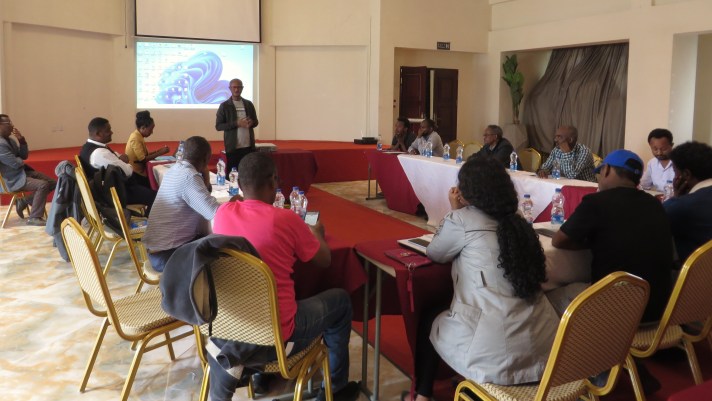

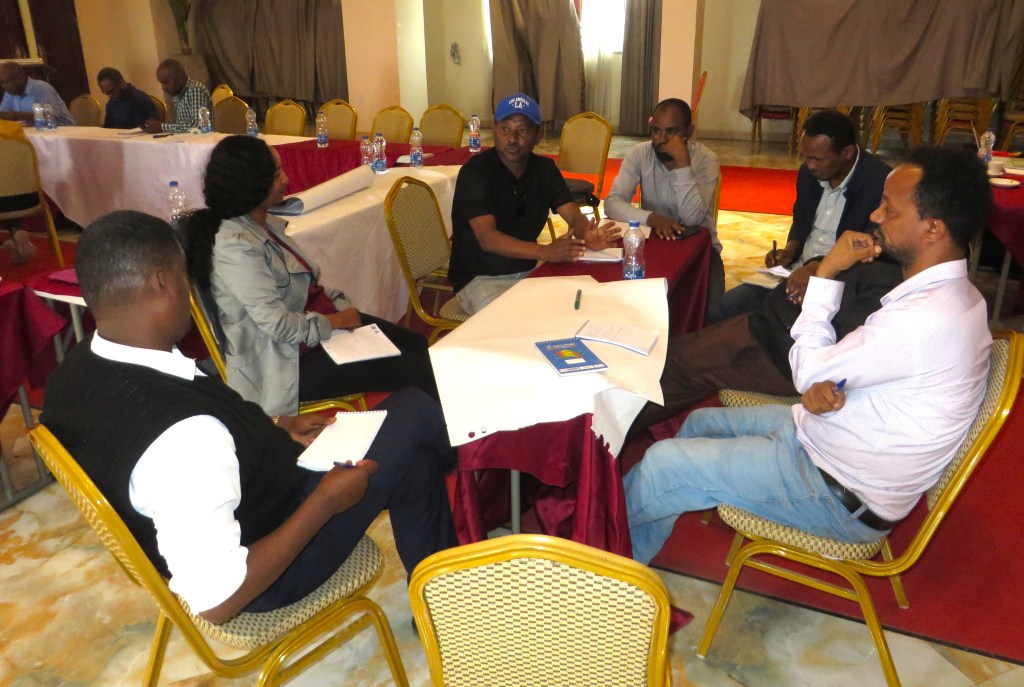
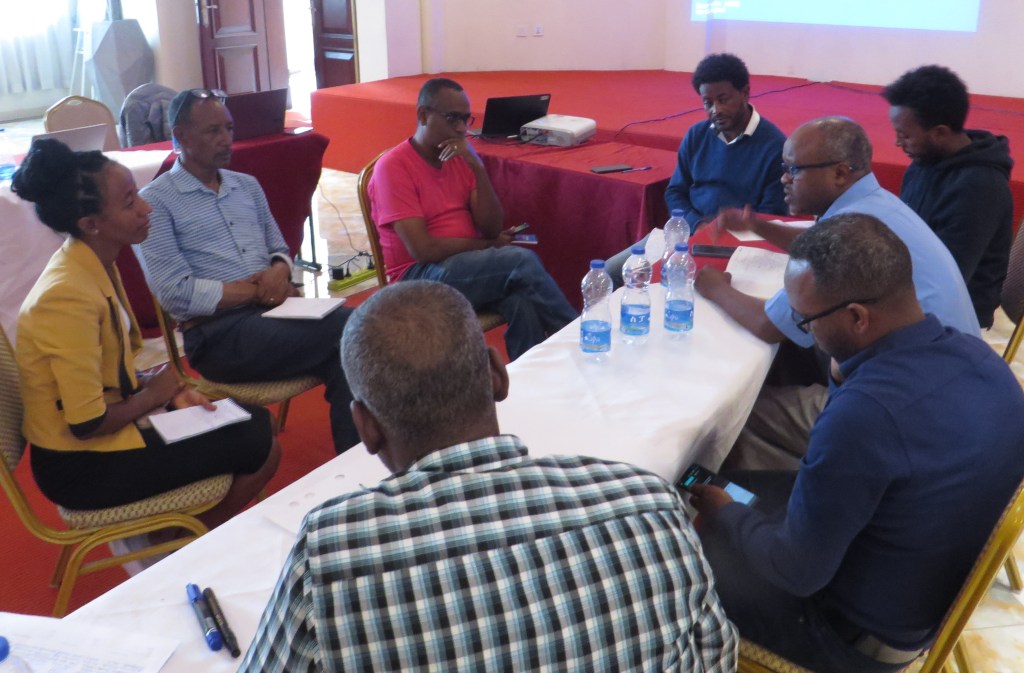
Key stakeholders from the Ethiopian Food and Drug Authority (EFDA), regional health bureaus, Agricultural Input Quality Control Authority (AIQCA), Trade and Market Development Bureaus, the Agriculture and Natural Resource Bureau, Agricultural Research Institute, universities, the Ethiopian Conformity Assessment Enterprise, Regional Public Health Institute Laboratories, and others participated in the validation workshops.
The active engagement of key stakeholders in the validation workshops positions this assessment as a valuable resource for informing evidence-based interventions and shaping the future trajectory of food safety control systems. As efforts continue to evolve, the momentum generated by this assessment must translate into tangible actions that prioritize the safety and well-being of consumers across Ethiopia.
 raise-fs.org