
Poultry production in Ethiopia is a crucial aspect of the country’s agriculture, with significant potential to contribute to poverty alleviation, nutrition, and food security. The government, particularly the Ministry of Agriculture, has been actively working to address challenges in the sector through collaboration with partner organizations like RAISE-FS. However, issues such as disease management, lack of improved husbandry practices, and biosecurity measures continue to hinder the industry. To address these issues, the Ministry of Agriculture, in partnership with RAISE-FS and the Food and Agriculture Organization (FAO), has developed a National Biosecurity Guideline for Poultry Production, which is set for validation through a workshop involving relevant federal and regional stakeholders. This initiative aims to provide updated guidance for biosecurity management, infection prevention, and control in poultry farming, ultimately enhancing the sector’s sustainability and productivity.
RAISE-FS has been instrumental in the establishment of the National Food Safety Technical Working Group in Ethiopia, with a primary focus on addressing strategic challenges with regard to the food safety. Among the top priorities identified by this group is the implementation of biosecurity measures in poultry sector acknowledging the dynamic nature of the industry in Ethiopia. In response to this priority, the Ministry of Agriculture, in partnership with RAISE-FS and other key stakeholders including FAO, has been diligently working towards formulating a comprehensive national biosecurity guideline for poultry production. A pivotal step in this process was the organization of a validation workshop by the Ministry of Agriculture, RAISE-FS, and FAO from August 2 to 4, 2024 at Pyramid Hotel, Bishoftu town.
In an opening speech, Alemayehu Mekonnen (PhD), Minister of Animal and Fisheries DEETA advisor, said that the government is working to enhance the availability of animal products with its new initiative called ‘Yelemat Turufat’. Dr. Alemayehu emphasized that the poultry sector is one of the priority areas of the initiative. He stressed that poultry farming is a job that requires a lot of care and has realized that poultry farming needs a legal framework to guide the sector. Finally, he urged the participants of the workshop to actively engage and provide constructive comments to enrich the guideline.
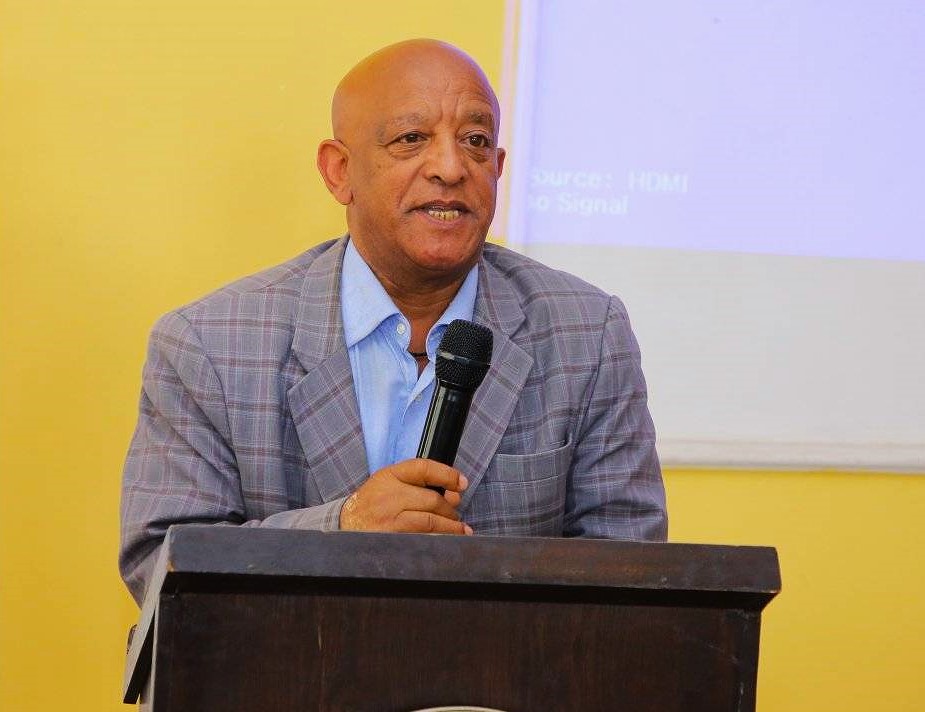
Furthermore, Wubshet Zewde (DVM, MVSc), Ministry of Agriculture, Animal Health and Veterinary Public Health Executive Lead, expressed his gratitude to all the participants for their attendance. He emphasized that the purpose of the workshop is to allow key stakeholders to review the draft document and offer their comments and inputs to enhance the guideline.
Dawit Alemu (PhD), Wageningen Research Ethiopia country representative, highlighted in a keynote speech that the project RAISE-FS, hosted by SWR Ethiopia, is actively addressing challenges in the food safety sector. Through collaboration with stakeholders and partners, RAISE-FS has played a key role in establishing the National Food Safety Technical Working Group in Ethiopia. This group is focused on addressing strategic challenges within the food safety sector, with a particular emphasis on implementing biosecurity measures in poultry production. This initiative recognizes the evolving nature of the industry in Ethiopia and aims to ensure the safety and quality of food products.
Following, the draft guideline was presented to the participants, . Participants divided into groups to conduct a thorough review of specific sections of the guideline and the associated directives. Each group provided valuable feedback and input to enhance the draft guideline and the directive, ensuring that it encompassed a wide range of perspectives and expertise.
The validation workshop was well-attended with over 40 participants from various organizations such as the Ministry of Agriculture, Ethiopian Agricultural Authority, Ethiopian Agriculture Research Institute centre, Ethiopian Public Health Institute, International Livestock Research Institute (ILRI), Ethio-chicken, and Alema Farm. The purpose of the workshop was to ensure that the biosecurity guideline developed is both comprehensive and practical, with the aim of promoting effective biosecurity practices across the country.
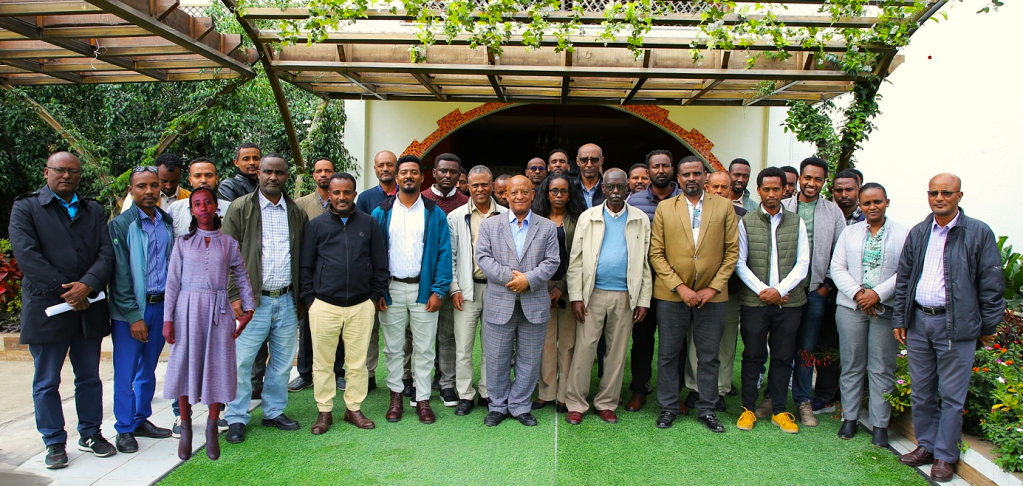
The development of a national biosecurity guideline for poultry production in Ethiopia is a positive step towards improving food safety and safeguarding public health. This initiative highlights the importance of collective action by the government and public and private partner organizations in addressing evolving challenges in the food safety industry. By working together and remaining dedicated, significant progress can be made in this critical sector.
 raise-fs.org
Thanks for sharing about this validation workshop, the topic is relevant for other countries too. My question is whether these guidelines for biosecurity apply to farm production, or does it consider also biosecurity issues in transport and processing?
Second, what is the timeline from this workshop onwards?
Thanks
LikeLike