
Science communication is indeed for disseminating knowledge and information to the public. In the context of agriculture, effective communication through mass media is vital for the success of the agricultural sector. A recent assessment conducted by RAISE-FS and Farm Radio International focused on the agricultural message content by mainstream media in Ethiopia. The findings of this assessment have shed light on some significant challenges that require attention.
The purpose of this collaborative effort is to tackle the challenges identified and to lay the groundwork for more effective communication strategies within the agricultural sector. To review and validate the findings of the assessment, key stakeholders in the Ethiopian media landscape came together in Adama town on August 5th, 2024. Tewodrose Tefera (PhD), Co-strategic leader of the REFOOTURE Project and representing Wageningen Research Ethiopia, emphasized the importance of the assessment. He encouraged all participants to critically evaluate the findings and contribute their insights to enhance the impact of the assessment. Zelalem Nega, the country representative of Farm Radio International (FRI), provided a brief overview of FRI’s activities and explained how RAISE-FS and FRI had partnered to conduct the assessment.
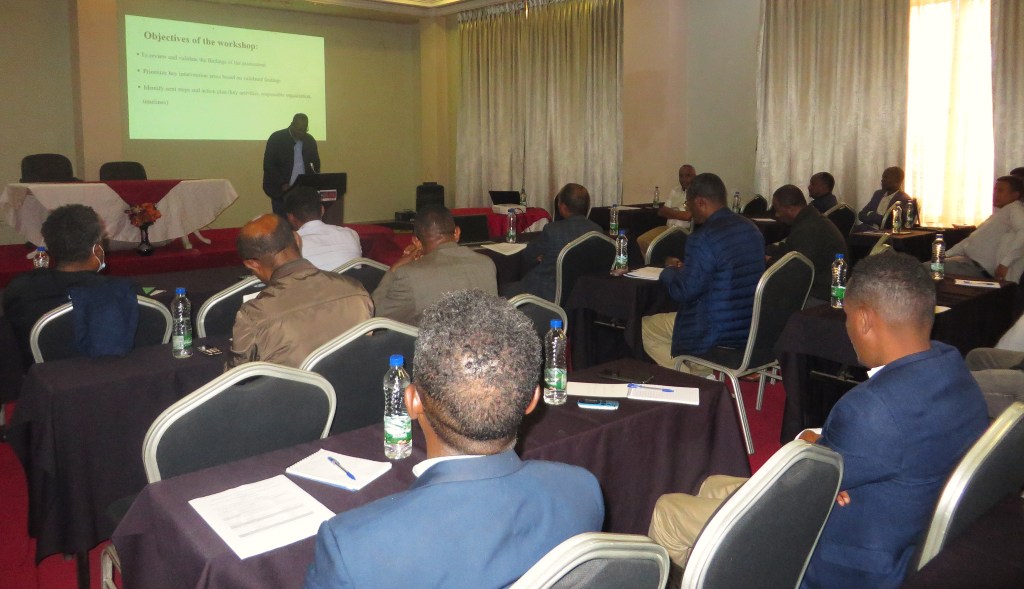
Akalu Teshome (PhD), Food System Transformation Advisor at RAISE-FS, presented the findings of the assessment. In his presentation, Akalu highlighted that the mass media landscape in Ethiopia is diverse, with seven distinct media categories serving various community needs. Despite this diversity, there is a lack of media outlets specializing specifically in agricultural issues, and only a few public and community media outlets have regular and permanent agricultural programs. The governance of mass media in Ethiopia is overseen by the Government Communication Service (GCS) and the Ethiopian Media Authority (EMA), aiming to ensure a responsible media system. However, there are limitations in demand-driven and participatory content development processes, as well as inadequate coordination among relevant stakeholders.
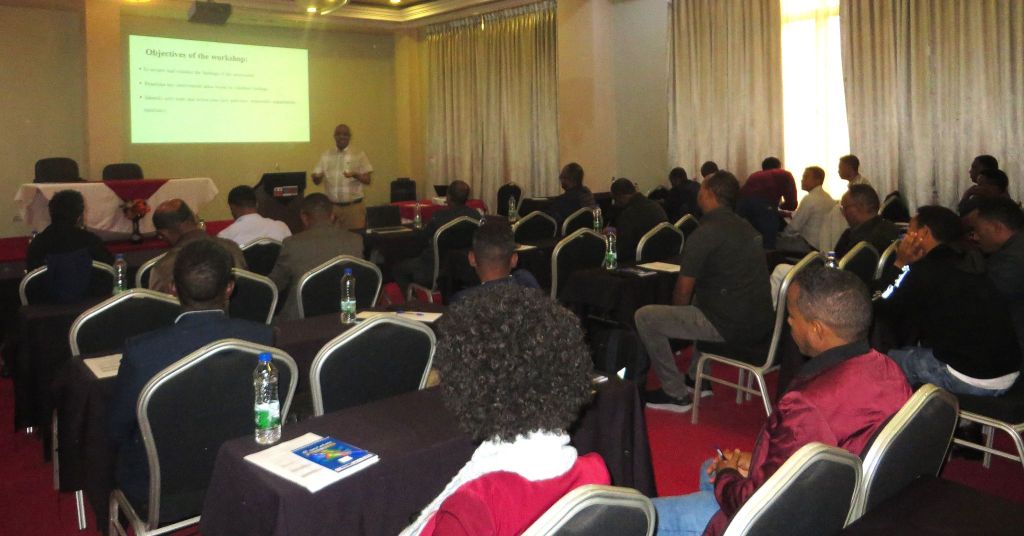
The assessment highlighted some key challenges such as limited demand-driven and participatory content development processes, weak coordination between media outlets, research, and extension services, mismatching between agricultural messages and farmers’ real conditions, as well as limited feedback systems and accountability. Addressing these challenges is essential for improving the communication of agricultural information and ultimately supporting the agricultural sector in Ethiopia.
Participants engaged in thorough discussions based on the paper presented. The group discussion centred on addressing key challenges in agricultural communication and journalism through short and long-term strategies. Short-term solutions included establishing collaboration platforms, journalist training, stakeholder involvement in content development, mainstreaming scientific communication, tailored message dissemination, feedback mechanisms, and policy brief development. Medium-term suggestions involved creating a ‘media production house’ and advocating for fair airtime for agricultural programs. Long-term proposals focused on dedicated agricultural TV and radio stations and the development of agricultural journalism programs in higher learning institutions. The Ministry of Agriculture was identified as a key player in coordinating these efforts, particularly in establishing the ‘media production house’ and advocating for policy changes. Collaboration with various stakeholder organizations was highlighted as crucial for successful implementation.
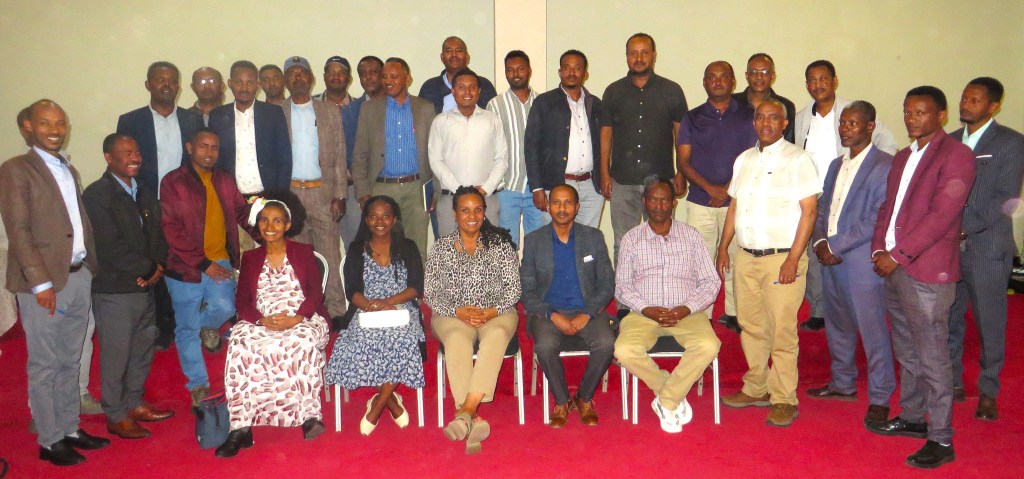
The validation workshop underscored the importance of closer collaboration, improved communication strategies, and rigorous evaluation of mass media’s impact on agricultural practices. By addressing the identified challenges and implementing the proposed strategies, Ethiopia can pave the way for more effective agricultural communication, ultimately contributing to the growth and success of the agricultural sector.
 raise-fs.org