
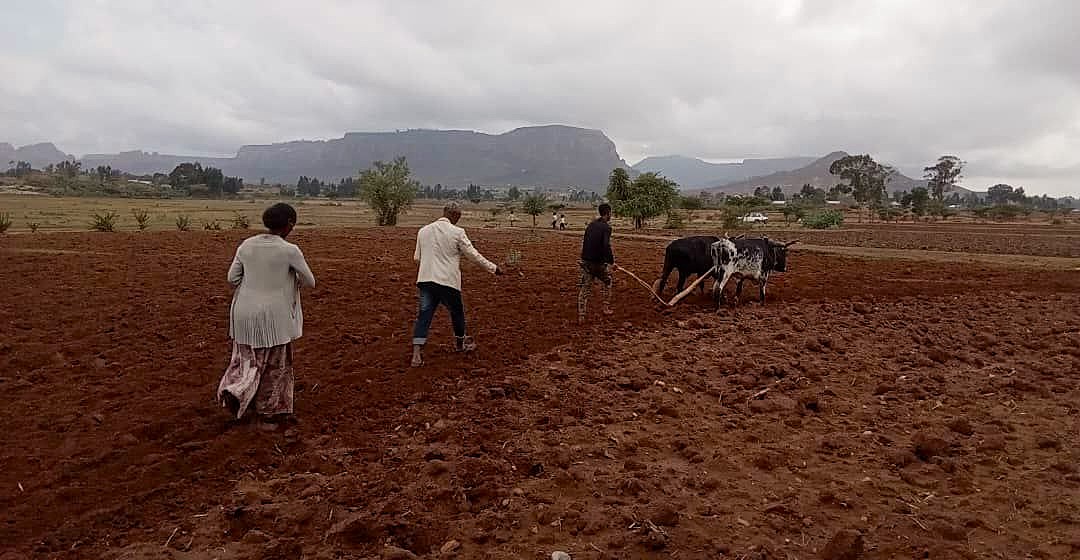
Following the conflict and the drought, Tigray’s farming communities have had a difficult time continuing their livelihoods in agriculture. These hardships have caused agricultural and livestock farming to drastically decline, putting the region on the verge of famine. A revolving seed scheme has been implemented in recognition of the urgent need of these communities, providing necessary agricultural inputs and building resilience in the face of such adversity.
The primary objective of this intervention is to provide smallholder farmers affected by conflict and drought with access to seeds and technical capacity building, empowering them towards resilient production and improved livelihoods.
The intervention is currently underway in Tsaeda emba and Enderta woredas of the Tigray Region, with a focus on providing support to farmers who have been severely impacted by the combination of drought and conflict. A total of 199 smallholder farmers are being targeted as part of this initiative. Among them, 149 farmers are connected to licensed seed multiplication cooperatives, while the remaining 50 farmers are organized under the guidance of the kebele multipurpose cooperative. The seeds provided to these farmers will be returned in kind to their respective cooperatives, which will then distribute them to other farmers in the community during the next season. This approach aims to establish a sustainable cycle of support within the community, ensuring that the benefits of the intervention extend beyond the initial recipients.
In addition to providing access to essential inputs, capacity building of farmers, cooperative leaders, and agricultural experts is an integral part of the intervention. Training sessions on quality seed production, production packages for target farmers, managing the seed revolving fund, and sustainable seed provision models have been conducted to ensure the sustainability of the scheme.
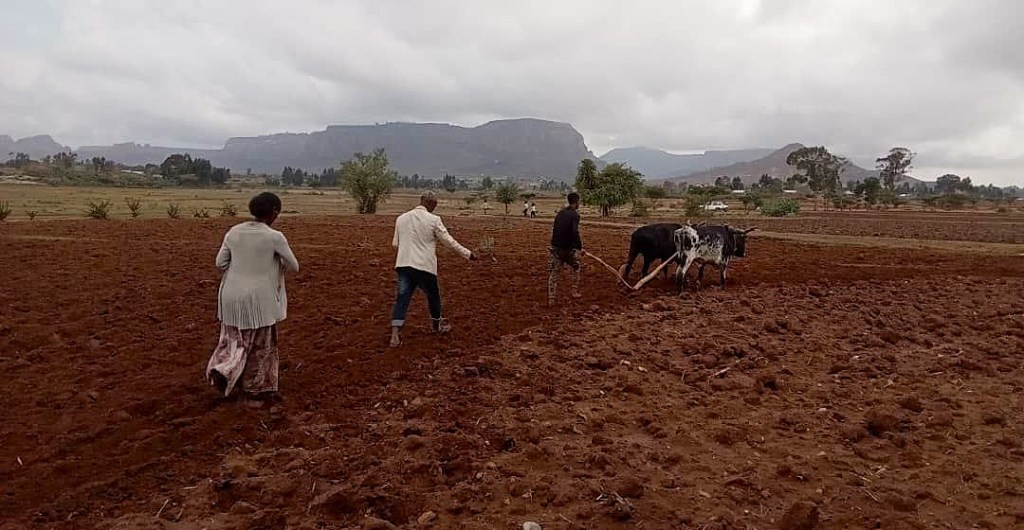
The impact of this initiative is already being felt by individuals such as Yemane Kassa, a member of the Romanat farmer irrigation cooperative at Mahregenet kebele, Enderta woreda. Yemane attests to the significant support provided through the scheme, emphasizing the provision of improved seed and essential training for participants.
Yemane Kassa, the secretary of the Romanat Farmer Irrigation cooperative in Mahregenet kebele, Enderta woreda, is actively involved in the group’s activities. He has highlighted the challenges of limited availability and high cost of seeds as major obstacles faced by the cooperative. Through the RAISE-FS scheme, the cooperative received 47 quintals of the ‘Qeqeba’ bread wheat variety, which was distributed among 83 participating farmers.
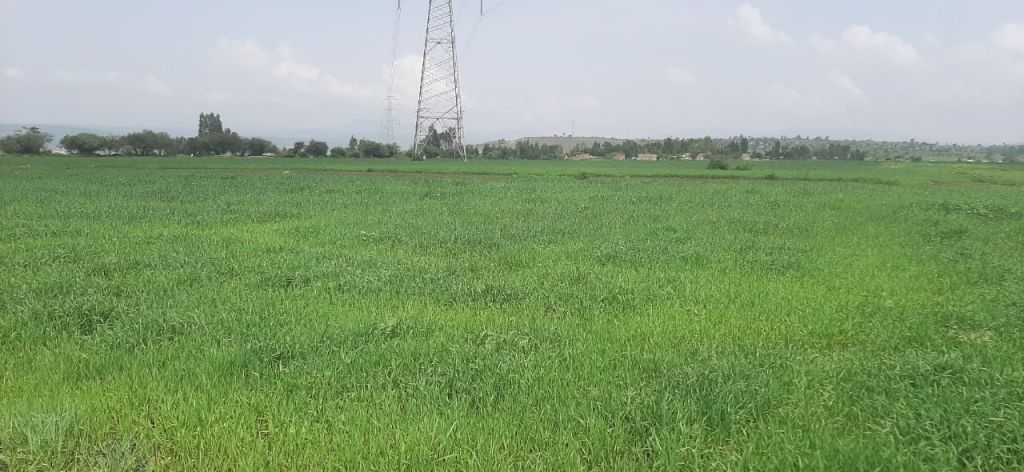
The group has already signed contract farming agreements with the Ethiopian Agricultural Business Corporation and Tigray Seed Enterprise, and is receiving support from the woreda agriculture office, Mekele ARC, RAISE-FS, and kebele development agents to implement their activities. The field will be inspected by the seed regulatory authority, and the certified seeds will be supplied to these organizations. Yemane believes that the seed produced will not only address the seed availability in their kebele but also significantly contribute to surrounding areas.
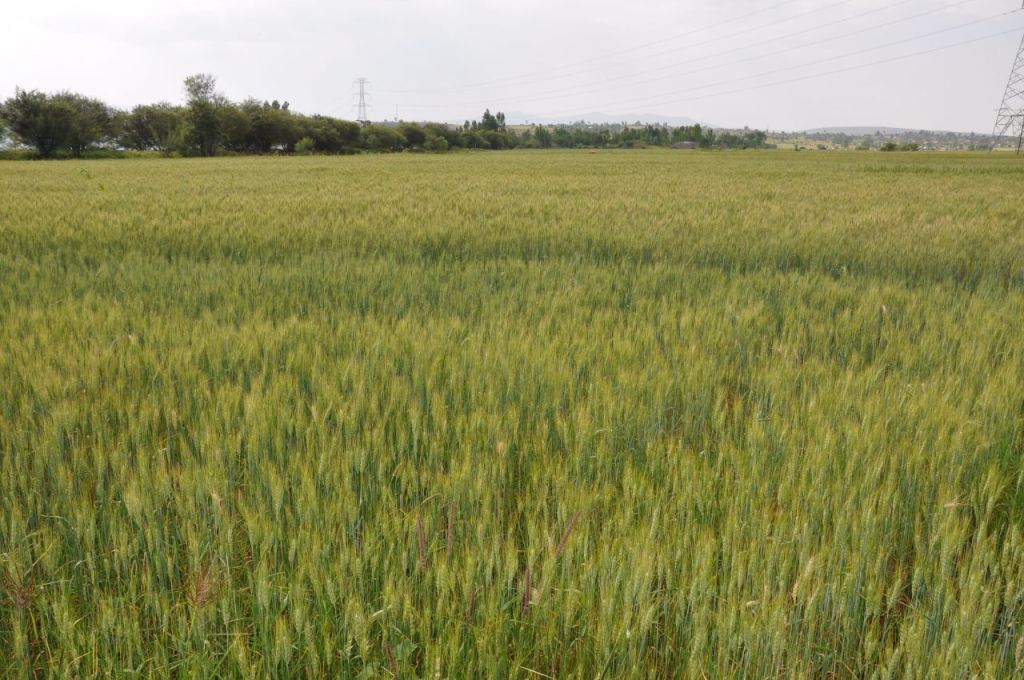
Another beneficiary, Minasebo Beyene Gebrewahd, highlights the critical nature of the support received through the scheme, particularly for female-headed households like hers. She emphasizes the invaluable assistance that will enable her to continue her agricultural activities and irrigation farming.
Minasebo is 63 years of age and a mother of one from Mahregenet kebele, is one of the participants in the scheme. She has 0.75 hectares of land. “The seed provided to us is very critical. Minasebo expresses gratitude for the critical seed provided to her, stating that as a female-headed family, it would have been difficult to afford the necessary inputs for cultivation. She explains that without this support, she would have considered renting out her land through share-cropping due to financial constraints. She added “I was planning to rent-out my land in the form of sharecropping, because it would have been difficult for me to cover all those costs.”. However, she acknowledged that applying the full recommendations would require additional costs, posing a challenge for her. Despite this, she expressed gratitude for the support received thus far, recognizing that it is a step towards addressing the challenges faced by her and others in similar situations. “We understand that the problem will not be solved by one project, we appreciate for the support we had so far.” us to flee our homes, leaving behind our belongings which were
It is expected that the experience and innovation gained through this effort would be extensively documented and scaled up to benefit farming communities in other parts of Tigray. The revolving seed scheme aims to establish a cycle of empowerment and assistance that would pave the way for food security, sustainable agriculture, and food system transformation in the region.
 raise-fs.org