Farmers in Adet praise the success of the improved teff varieties
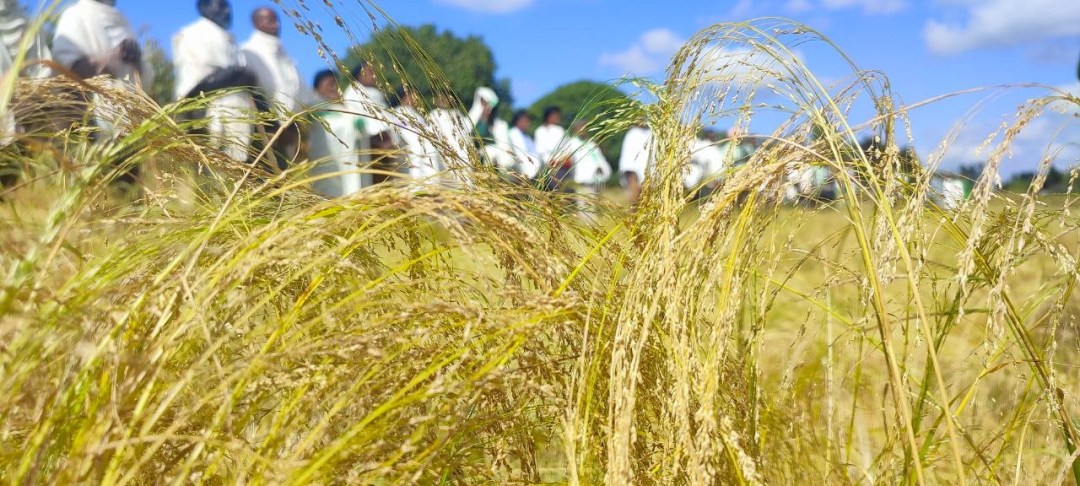
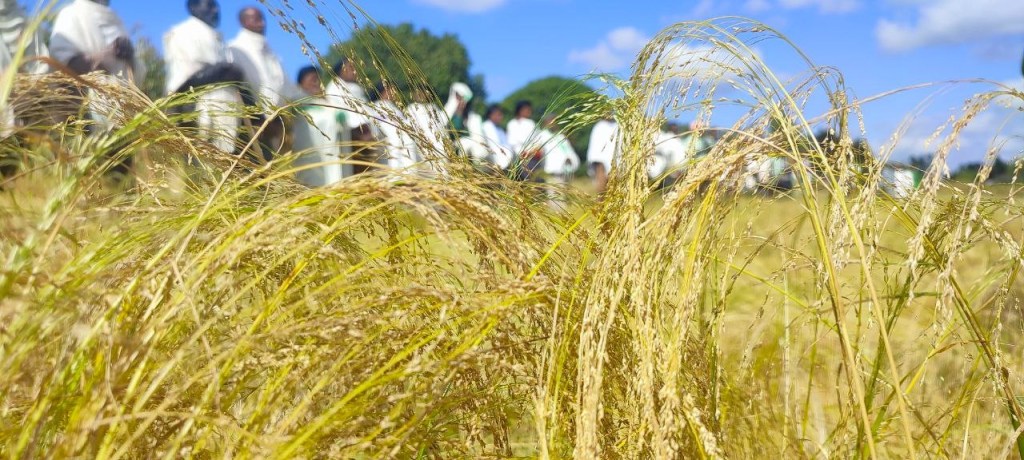
“This Hibir 1 teff variety’s loose and long panicle distinguish it from others that I know. It is also resistant to the unexpected rainfall we are currently experiencing. If scaled up further, this variety has the potential to greatly benefit the local community.” Farmer Habtamu Feleke.
Adet Agricultural Research Center of Amhara Agricultural Research Institute (ARARI) in collaboration with RAISE-FS organized a field day on November 3, 2024, to showcase the good performance of scaling improved teff varieties, aimed at increasing productivity and farmers’ income.
The field day was organized to showcase the activity’s success and thereby encourage other farmers to adopt the improved teff varieties.
The improved varieties of Hiber 1 and Washera were scaled on 72 hectares of land, and 288 farmers participated in the scaling using the cluster farming modality. The two varieties were selected through participatory technology evaluation last year.
Farmers who participated in the field days were impressed with the growth and performance of the two varieties and expressed their interest in planting them in the next agricultural season.
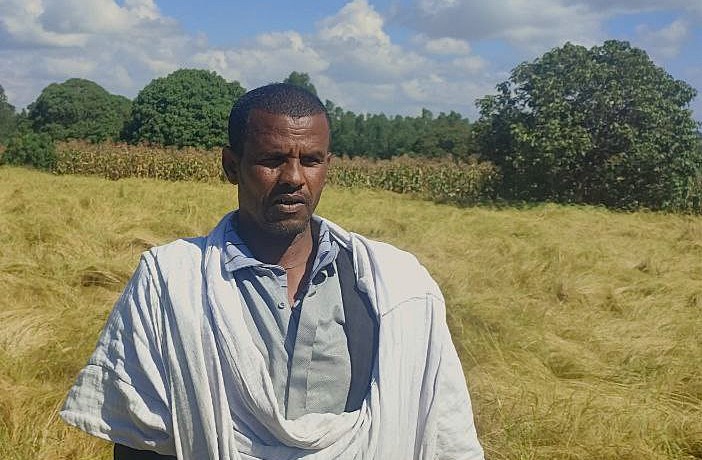
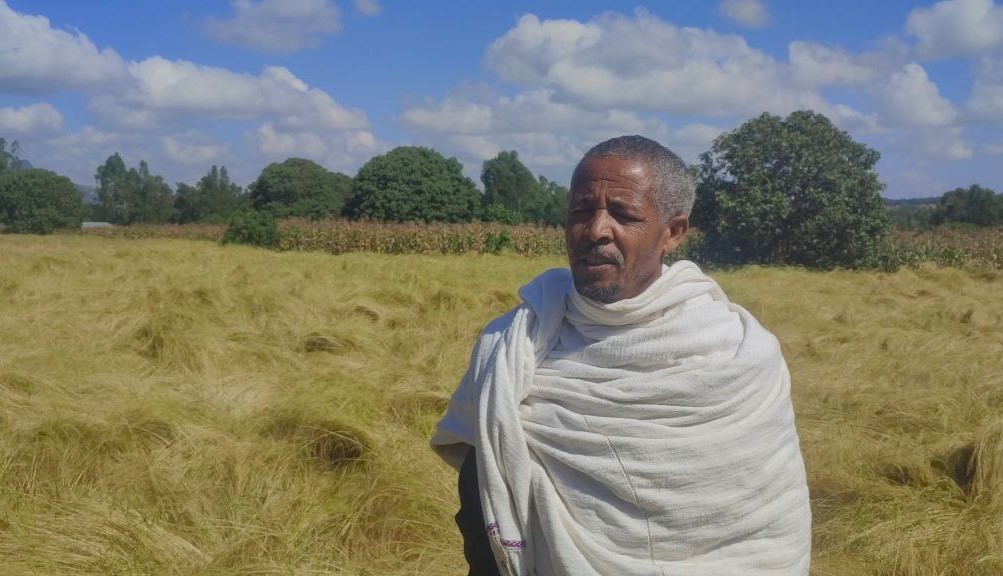
Habtamu Feleke, one of the participating farmers, expressed his thanks to organisers of the field day for giving him the chance to participate. He said, “This Hibir 1 teff variety’s loose and long panicle distinguish it from others that I know. It is also resistant to the unexpected rainfall we are currently experiencing. If scaled up further, this variety has the potential to greatly benefit the local community.”
Another farmer participant, Eniyew Mihiretie, noted that the crop stands and seed setting is significantly better than other tef varieties they have been using and he is eager to see the yield results after harvesting.
Some other farmers expressed their discontent about missing the chance to plant these varieties during the last cropping season.
On the occasion, researchers from Adet ARC advised the participating farmers to supply seeds of improved varieties to other farmers to increase the adoption and scaling of these selected high-performing improved teff varieties.
In attendance were about 50 participants, including men and women farmers, kebele development agents, woreda-level agricultural experts, and researchers.

 raise-fs.org