In a collaborative effort to promote a healthier nation, the Ministry of Agriculture, in partnership with the Ethiopian Public Health Institute (EPHI), FAO, and the Ministry of Education, recently organized a workshop and field visit to evaluate the progress of the Ethiopian Food Based Dietary Guidelines (EFBDGs) implementation pilot program in selected woreda of the Sidama region.
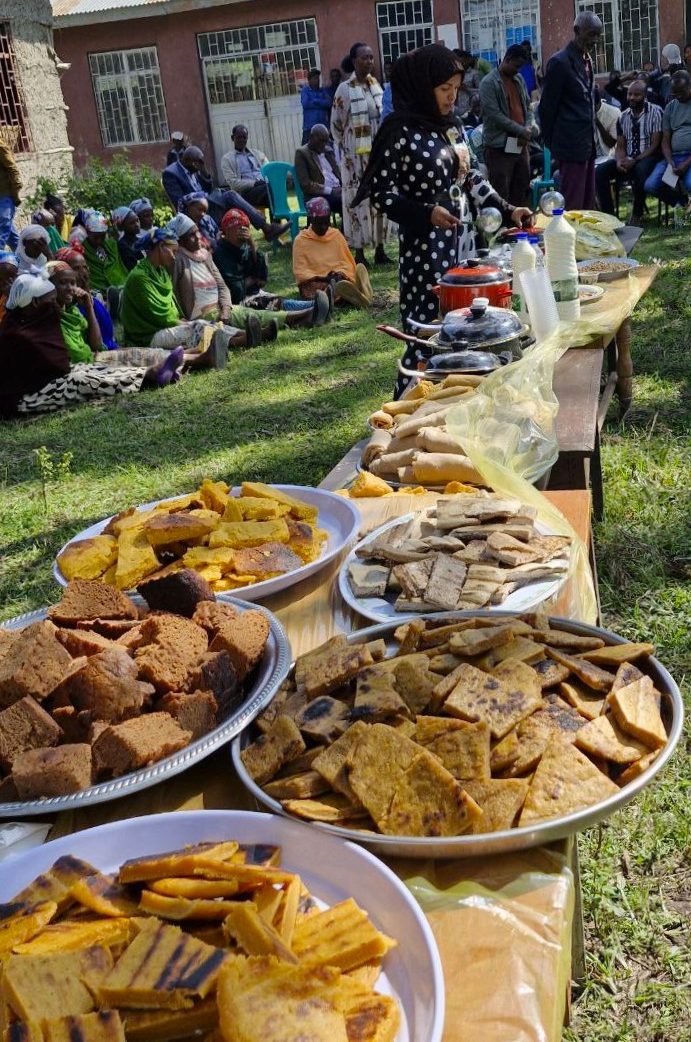
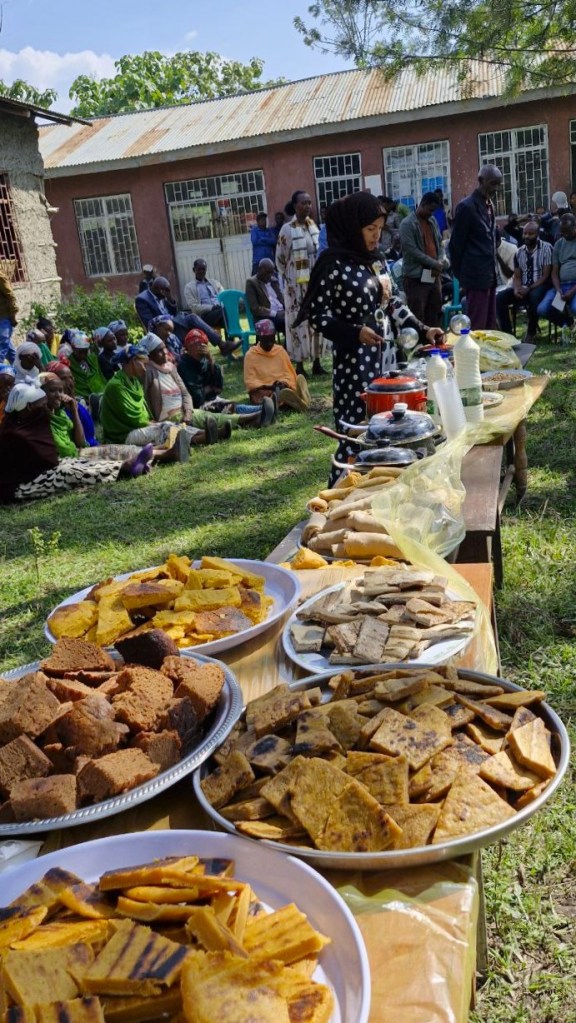
The primary objective of the event was to jointly evaluate the progress of the pilot program in selected woredas of the Amhara, Sidama, and Oromia regions. The workshop aimed to evaluate EFBDG’s implementation progress and share the experiences of partners such as SWRE and GAIN, providing valuable insights for ongoing efforts. A cooking demonstration added a practical element to the event, allowing participants to witness the application of dietary guidelines in meal preparation.
Mrs. Alemtsehay Sergew, Head of the Food and Nutrition Office at the Ministry of Agriculture, emphasized the significance of EFBDG pilot activities in her opening speech. She highlighted the importance of creating synergy in implementing the pilot, evaluating the piloted activities, and applying lessons for improvement by the steering committee.
Delegates from various organizations, including the Ministry of Agriculture, Ministry of Health, EPHI, Sidama Region Public Health Institute Laboratory, FAO, Ethiopian Institute of Agricultural Research (EIAR), Bahir Dar University, SWR Ethiopia, GAIN, Amhara Region Agriculture Bureau, as well as agricultural and education experts from the Sidama region and other stakeholders, gathered at the Central Hotel in Hawassa town from November 5-6, 2024 for the event.
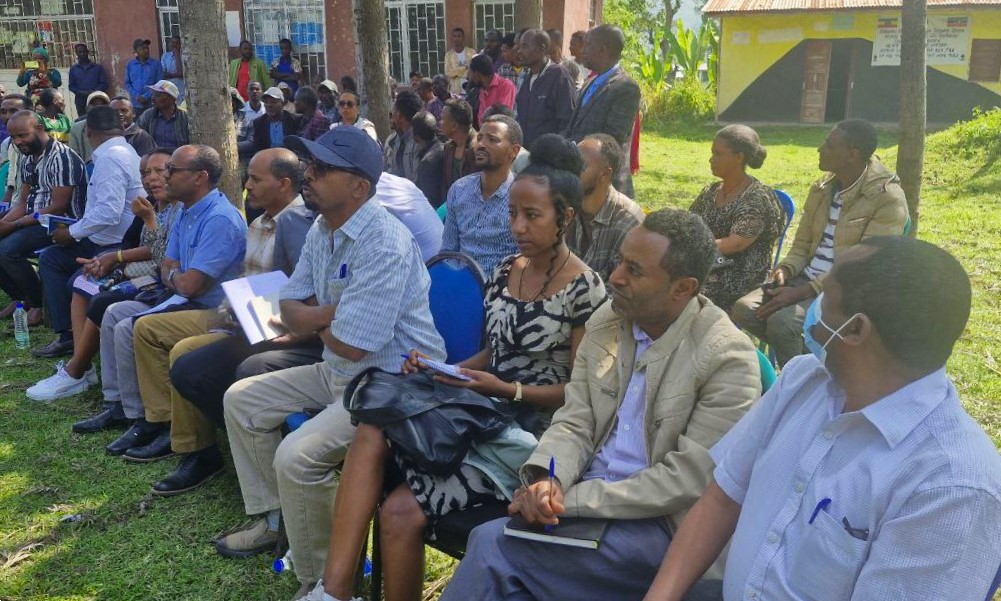
During the meeting, several key topics were addressed, including updates on the EFBDG pilot project presented by the Ethiopian Public Health Institute (EPHI) and the Ministry of Agriculture. Additionally, representatives from SWR Ethiopia and the Global Alliance for Improved Nutrition (GAIN) provided participants with an overview of the progress made on the implementation of EFBDG pilots. The event also featured a cooking demonstration showcasing varieties of recipes made from locally sourced crops, followed by a visit to the fields of host farmers. Participants engaged in comprehensive discussions, offering reflections, suggestions, and recommendations aimed at enhancing future EFBDG pilot activities.
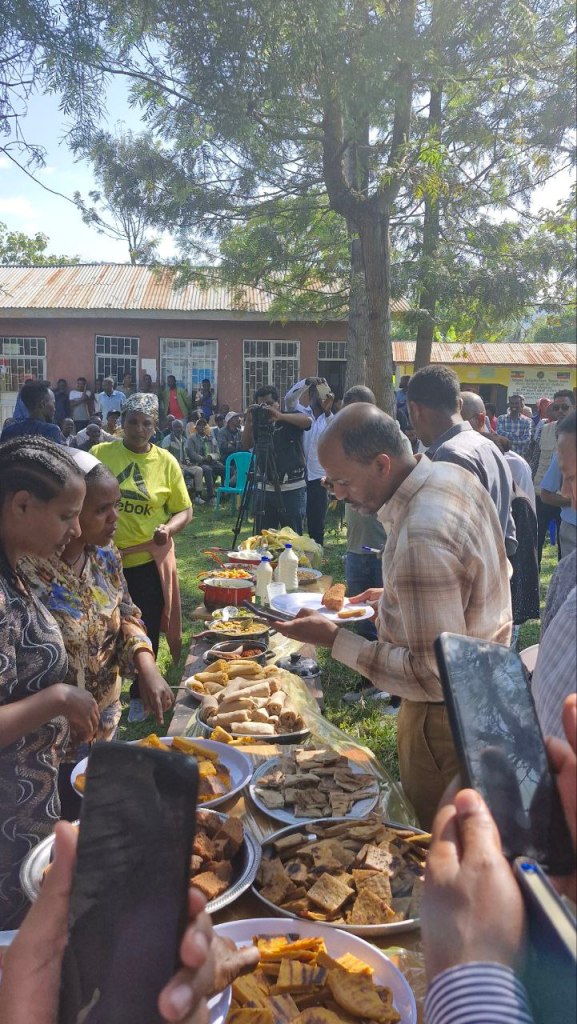
The pilot program is currently underway in Shashemen, Wondogent, and Debrelias woredas, with significant progress made in Social and Behavior Change Communication (SBCC) materials preparation, multisectoral FBDG implementation planning, training of trainers, baseline surveys, and ongoing follow-up.
SWR Ethiopia’s RAISE-FS project shared its experience in the implementation of the EFBDG pilot for generating practical evidence, focusing on the objectives of the EFBDG pilot, SBCC framework, implementation modalities, and learning outcomes. The project highlighted the progress made in developing SBCC materials and underscored the importance of documenting evidence on EFBDG and scaling best practices.

The event highlighted several important lessons for the EFBDG pilot. Key insights included the importance of collaborative efforts and ongoing support, the significance of diversifying recipes with local crops, and the development of Social and Behavior Change Communication (SBCC) materials. Additionally, fostering community dialogue, addressing sustainability issues, and documenting evidence for effective pilot activities were emphasized. These lessons are anticipated to guide future development in the program.
 raise-fs.org