
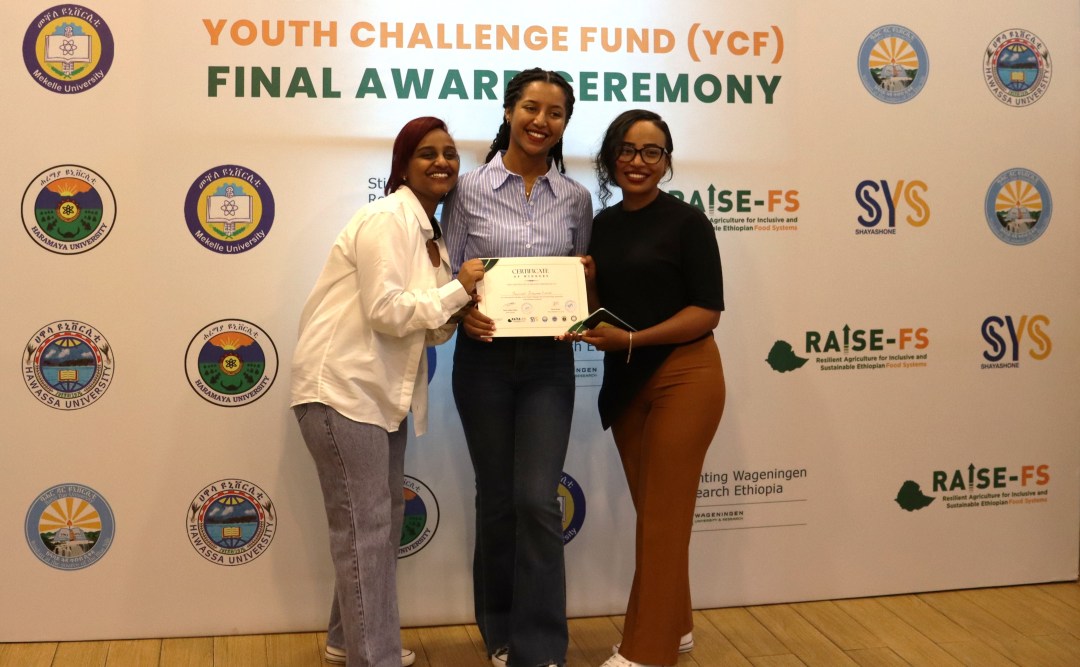
Some of the most transformative and lucrative business ideas come from the young generation of Ethiopia. It is for this reason that the SWR Ethiopia project, Resilient Agriculture for Inclusive and Sustainable Ethiopian Food Systems (RAISE-FS), ran a competition for food system solution concepts within the four partner universities of Mekelle, Bahirdar, Hawassa and Haramaya.
The competition received a large number of responses, with 164 concept submissions from students across various academic levels. After a rigorous screening process, 47 applicants advanced to the proposal writing stage. These aspiring entrepreneurs underwent extensive training in entrepreneurship, business plan development, and pitching skills, supported by one-on-one coaching. Ultimately, 29 finalists were selected to present their ideas in the final pitching phase.
The judges were high-profile professionals coming from business, research, and development. The finalists poured their whole energy and passion into convincing the panel of judges. They told their stories, the impact their concept would bring if nurtured, and the business model to ensure the sustainability of their venture.
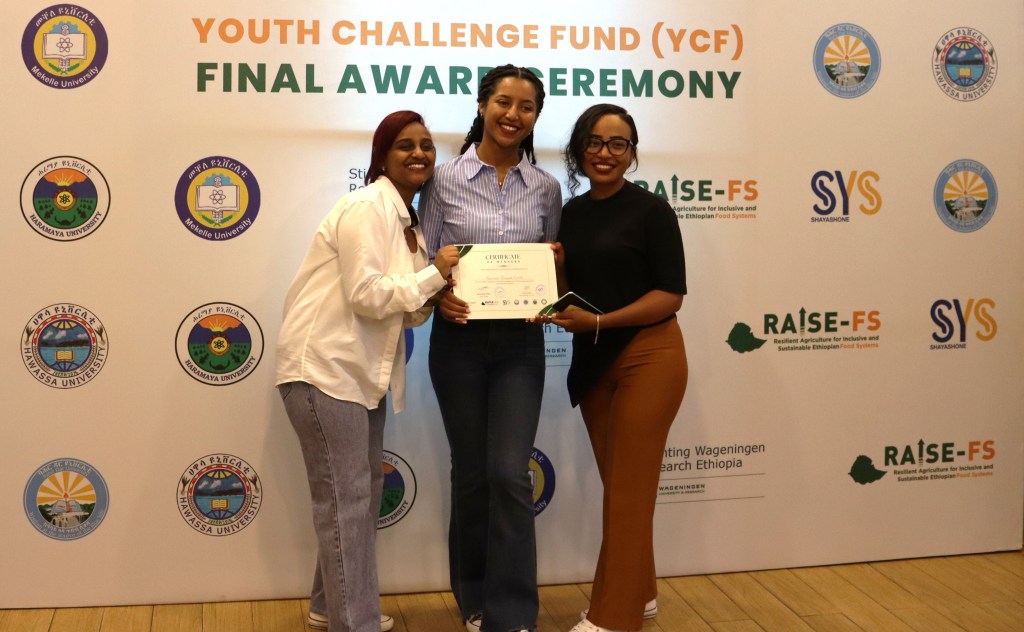
Hawinet Duguma from Hawassa University focused on producing vermicompost from plant biomass sourced from Hawassa Lake. Her idea aims to address environmental challenges while creating economic opportunities. “If we don’t win, we will still pursue other financial sources to realize our vision,” she stated.
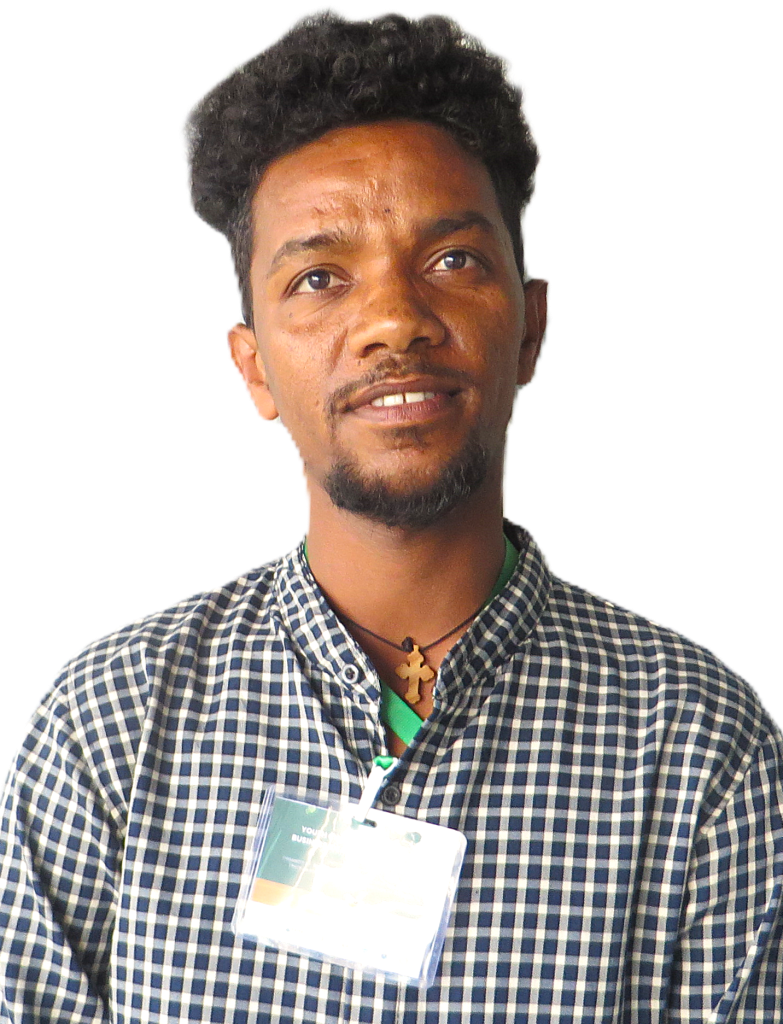
Abrhaleign G/Selasie from Mekelle University’s Software Engineering Department proposed smart agricultural technologies designed to help farmers make data-driven decisions. “Even if I don’t win, I already have a customer who is ready to use my product,” he remarked, highlighting the competition’s role in refining his concept and fostering partnerships.
Similarly, Mohammed Juhar Musa from Haramaya University introduced a multipowered homemade egg incubator. “Whether I win or not, I believe my business idea will succeed in finding customers,” he stated, praising the transparent and supportive nature of the competition.
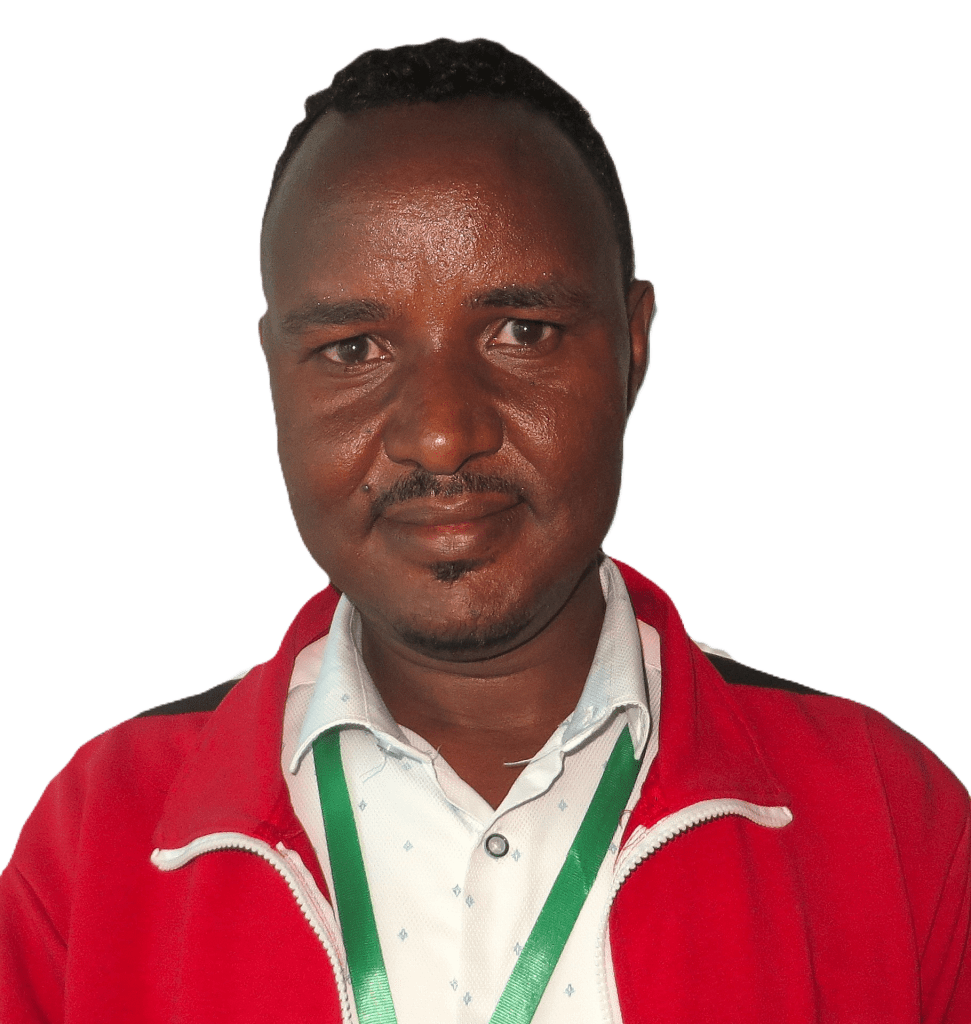

Raula Yeshim from Bahirdar University pitched an innovative idea for cosmetics made from fish skin. She emphasized the value of the entrepreneurship training and coaching her team received. “We are hopeful to win, but if not, we will continue refining our business and seek other financial sources,” she said confidently.
As all competitions need to have winners, so did the competition of the last 29 youths. Hence, 12 winners were announced to be supported with seed money for starting up their businesses. Winning concepts included cosmetics production from fish waste, aquaculture production on GERD, earthworm production for poultry feed, potato harvesters, rice threshers and dehullers, sustainable charcoal briquettes, vermicompost and liquid fertilizer production, bioplastics from banana pseudo-stems, plant-based RUTF and nutritious food paste production, and fish by-product use for poultry feed.
While only 12 were crowned winners, it was agreed by all judges that all the finalists were winners in their own way. The finalists had substantial technical capacity and the ambition to startup some of the most transformative businesses.
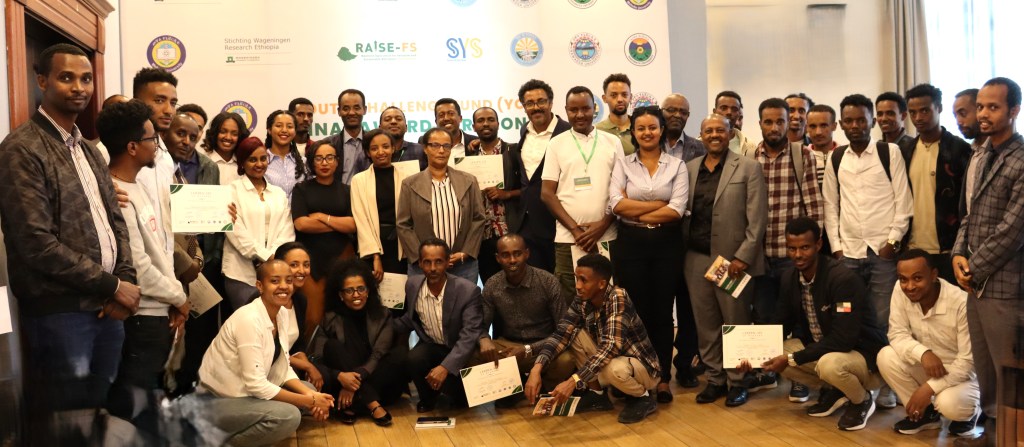
What is next, for the twelve winners of the competition would be technical support to breakdown the initial capital cost of investment, seed fund support as well as business development support for a year when they are setting up their operations. This initiative underscores the potential of Ethiopia’s youth to drive transformative change through innovation and sustainable entrepreneurship.
 raise-fs.org