
The Social Analysis and Action (SAA) dialogue has demonstrated significant progress in promoting gender equality and empowerment, as evidenced during a monitoring visit conducted from December 2–12, 2024. This impactful community-driven initiative is facilitating meaningful transformations in Ethiopia’s South, Oromia, and Tigray regions by addressing entrenched gender roles and social norms. The initiative, which engaged six kebeles through discussions, home visits, and community interactions, creates ripples of change in individual attitudes, household dynamics, and community structures.
Participants demonstrated a deeper understanding of gender roles and power dynamics within their communities. As one participant in Oromia reflected,
“Before this, I thought change was impossible. Now, I see that even small actions can break long-standing barriers.” Another participant in Tigray expressed, “I wish we had learned these lessons earlier; when we first got married. But now, we’re teaching our children what our parents couldn’t teach us.”
Women, in particular, have gained confidence in public speaking and advocating for equitable practices, with many now playing active roles in household decision-making and income management. Women were observed taking more active roles in agricultural decision-making and demonstrating greater control over household income, significantly boosting their autonomy and confidence. As men have begun contributing more to household chores and childcare, women have gained greater freedom to pursue personal and community activities, reflecting increased autonomy and mobility.
This new experience has also translated into greater mobility for women, as men increasingly share household responsibilities. Tasks like childcare and domestic chores are no longer seen as exclusively “female work,” enabling women to pursue personal and community activities with greater autonomy.
The program has fostered more equitable relationships within households. Men are stepping up to share domestic duties, leading to reduced tensions and improved harmony. Joint decision-making has become more common, with couples now managing finances together.
“My husband used to sell cattle without informing me. Now, he consults me on every sale or purchase” said Chaltu from Oromia.
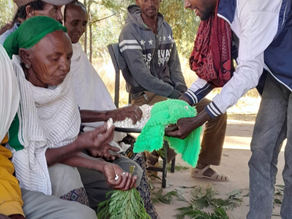
Improved communication between spouses has also brought families closer. In communities where husbands and wives once rarely ate or walked together, these barriers are fading. Stronger social networks have emerged as families collaborate more effectively and support one another.
The SAA initiative is challenging deeply entrenched social norms. Men performing tasks like washing dishes or fetching water are breaking down rigid gender roles. Harmful traditions, such as food taboos for pregnant women and adolescents, are being reconsidered. One participant noted, “Our daughter used to wait for her brother to finish eating before she could eat. Now, they eat together and get to school on time.”
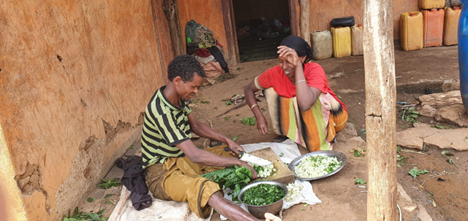
Women are also stepping into traditionally male-dominated spaces, such as participating in marriage negotiations for their children. These changes are inspiring broader community adoption of equitable practices. Support from RAISE-FS implementing partners, religious leaders, local authorities, and public office stakeholders has been vital in driving these changes. Scaling and institutionalizing community-driven approaches like SAA is essential for building resilient, equitable communities.
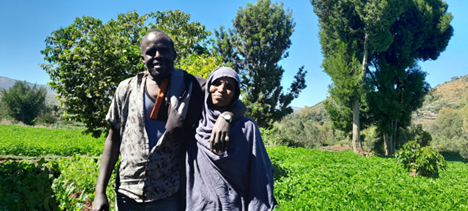
For many, the transformation feels profound. Ujuma, a participant, shared her husband’s emotional journey: “He has apologized for his ignorance so many times. Galatooma Wollahi (Thank you in God’s name).”
By embedding gender transformation in food systems research and scaling these community-driven approaches, we can ensure lasting and positive impacts for future generations, enabling individuals and communities to flourish.
 raise-fs.org