
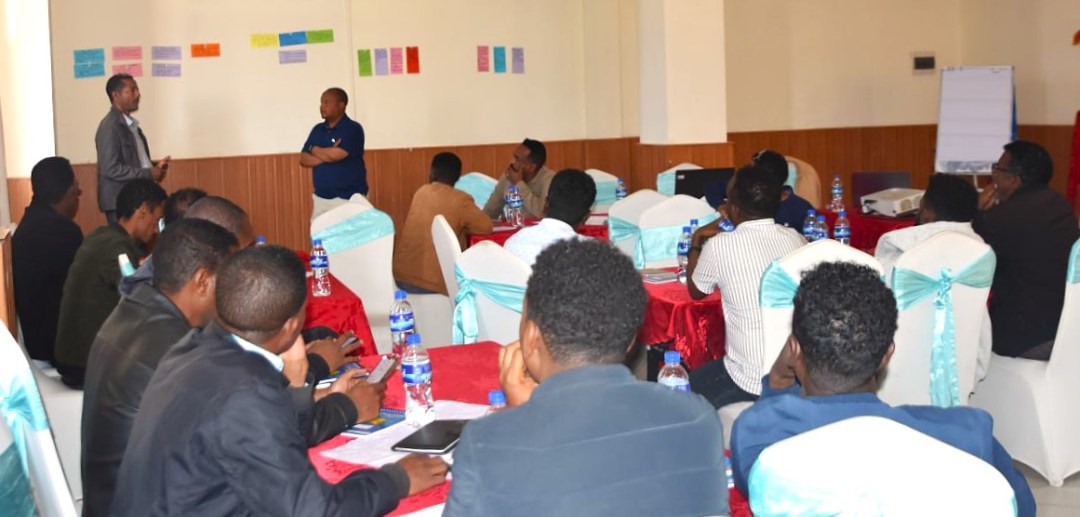
The national research system in Ethiopia has made significant strides in developing various technologies; however, many of these innovations have struggled to reach end users and deliver the desired impact. Experts attribute this challenge to the current scaling approaches employed by research institutions and the extension systems, which often focus on isolated components of innovation. In response to these limitations, the SWR Ethiopia RAISE-FS project initiated the institutionalisation of the Scaling Readiness Approach (SRA) in project intervention areas and regions. In the scaling readiness approach, innovation is seen as a bundle of core and complementary innovations which add up together to make a comprehensive whole. It also entails the rating of scaling readiness of each component of the innovation bundle. Such an understanding of innovations leads to identification of scaling bottlenecks and the potential contribution of each actor in curbing these scaling bottlenecks. This implies that one project or one organization alone cannot undertake a successful scaling effort; scaling requires partnership.
Accordingly, SWR Ethiopia RAISE-FS project organized a series of one-day workshops in Amhara, Oromia, Southern States, and Tigray regions, aiming to create a critical mass of experts within relevant institutions and strengthen partnerships to facilitate joint planning and execution of scaling activities. The workshop also aimed at strengthening partnership which facilitates joint planning and execution of scaling activities in the RAISE-FS project areas.
During these workshops, key concepts of the Scaling Readiness Approach (SRA) were highlighted and thoroughly discussed among participants. The discussions underscored the importance of fostering strong partnerships and suggested innovative ideas to enhance collaboration among stakeholders. Participants across all four regions stressed the necessity of raising awareness about the approach among experts and decision-makers within relevant organizations involved in scaling innovations and related initiatives. They emphasized that popularizing the approach could drive significant improvements in scaling efforts, aligning them more effectively with the ongoing activities of regional government entities.
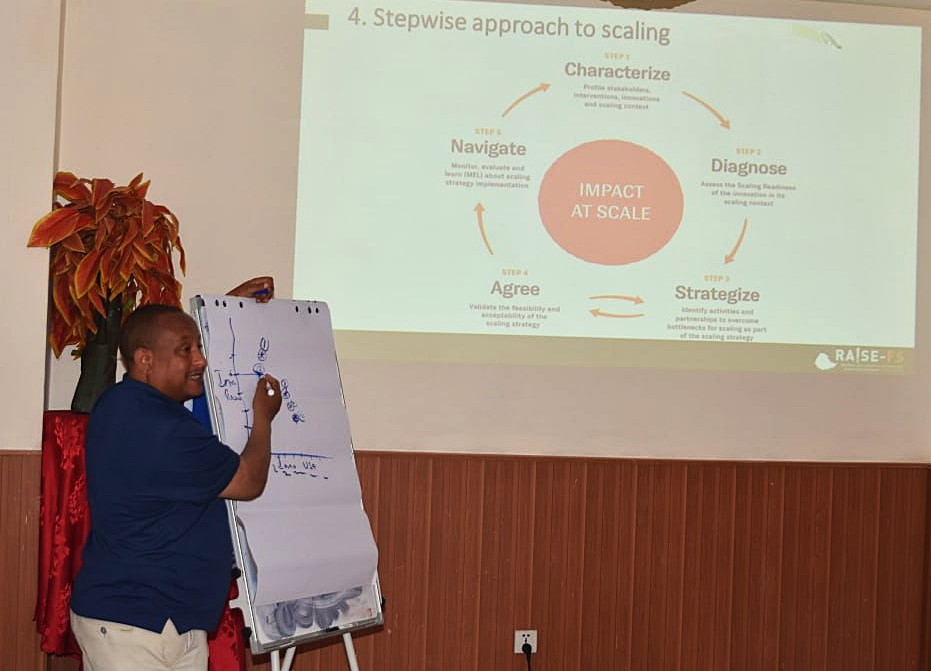

The interactive sessions provided a platform for participants to share their experiences in scaling innovations, identify bottlenecks, and explore enabling conditions. Group exercises were conducted to familiarize attendees with the step-by-step methodology of the Scaling Readiness Approach. These activities included characterizing innovation bundles, diagnosing bottlenecks, and assessing the readiness of scaling interventions. Furthermore, participants collaboratively explored strategies to address these challenges, established plans for partnerships and collaborations, and discussed the final navigation process. This process emphasized the importance of designing short- and long-term feedback loops to continuously refine and improve scaling efforts, ensuring sustainable and impactful outcomes.
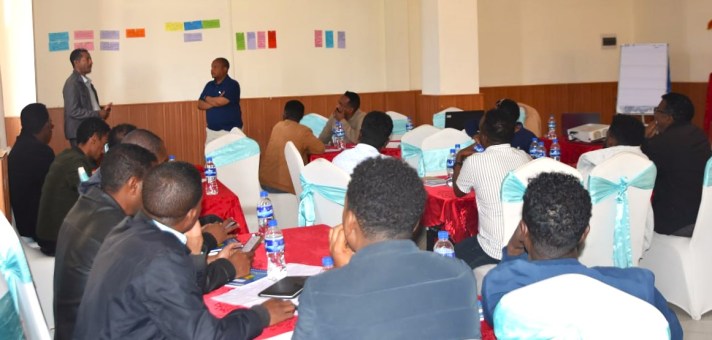
Finally, an agreement has been reached among participants to collaboratively plan and implement the RAISE-FS scaling activities for 2025, employing the scaling readiness approach. Participants indicated that the workshop was instrumental in fostering a shared understanding of the topic and creating connections among institutions for future collaborative initiatives. Furthermore, they suggested that the approach need to be thought in universities and be incorporated in the extension curricula for broader impact.
The workshops brought together 103 professionals and officials from diverse fields, including agronomists, extensionists, nutritionists, food scientists, gender experts, university lecturers, researchers, and representatives from regional bureaus of agriculture, seed enterprises, women and social affairs offices, universities, and the Food Systems Resilience Program.
 raise-fs.org