
In one of Ethiopia’s dryland areas Zequala woreda, where rainfall is unpredictable, 54-year-old farmer Assefa Gulash was once not very happy with the performance of his sorghum and teff crops. In the 2024 cropping season, however, Assefa’s fields tell a different story- intercropping of pearl millet and mung beans. Gazing proudly at the pile of his pearl millet harvest, Asefa said, “These crops grow harmoniously; they collaborate, not compete. They become food for my family, fodder for my cattle, and money for my kids’ school fees. This innovation can transform our future from the ground up. What more could a farmer want?”.
This change kicked off when SWR Ethiopia’s RAISE-FS project and Sequota Dryland ARC scaled the pearl millet-legume (mung bean and haricot bean) intercropping practice to 532 farmers (342 men and190 women) across 129 hectares of land, all through a cluster approach. By combining drought-resistant pearl millet with nitrogen-fixing legumes, this innovative intercropping approach turned drought-stricken and infertile plots that relied on mono-cropping in Zequala and Abergelle woredas into resilient farming systems. Pearl millet grows tall, reaching deep for water, while mung beans spread laterally, protecting the soil and boosting its fertility. As a result, this approach has led to an impressive 40% increase in yields compared to traditional monocropping methods.
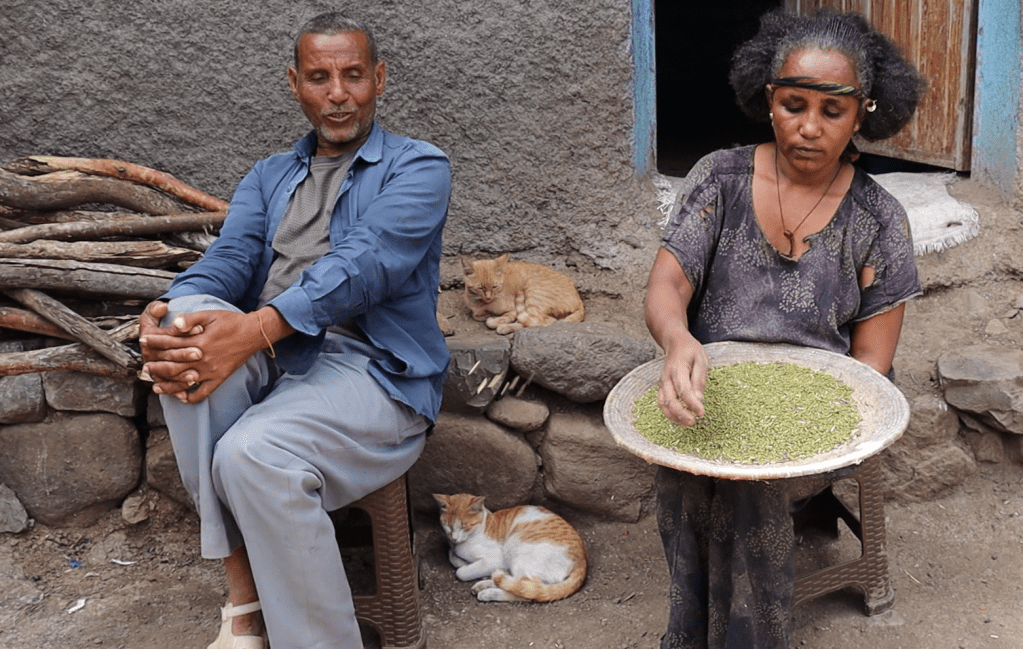
Farmers who employ intercropping enjoy a range of benefits beyond just the grain they can either eat or sell. They not only gather grain for the market and protein-packed beans for family meals, but they also have stalks and straws that serve as feed for their cattle, adding more value to their farming practice. Families that once relied on unpredictable yields now find that mung beans provide essential portions, and they can trade pearl millet for tef or use it to make injera for meals. Mr Assefa has greatly benefited from the intercropping of these crops and has been impressed by the result. “At first there were some doubts, but now we realise that these crops mature quickly- within just 40 days- and provide a reliable food source,” he added.
From being a sceptic to becoming an innovator, Mr Assefa’s story truly epitomizes climate resilience – showing that even in the toughest environments, nature rewards those who approach farming with wisdom. Assefa mentioned, “Farmers are now preferring pearl millet to teff, because of its versatility. What was once questioned, pearl millet is now recognized for its excellent local beer, amazing injera, and great malt. I suggest we take this technology to the next level by scaling even further.”
“Due to the intercropping practice, farmers were able to diversify feed options. In terms of productivity, not only did they produce two types of crops, but they also managed to reduce production loss”, said Ademe Mihretu, a researcher at Sequota Dry ARC. The next step, he added, is to support farmers how to integrate haricot and mung beans into the local cuisine.
To make this initiative a success, Sequota DL ARC has been providing hands-on training and technical assistance. Stakeholders at the woredas and kebeles, including DAs have also been collaborating with them to help ensure that participating farmers are adopting the best agricultural practices.
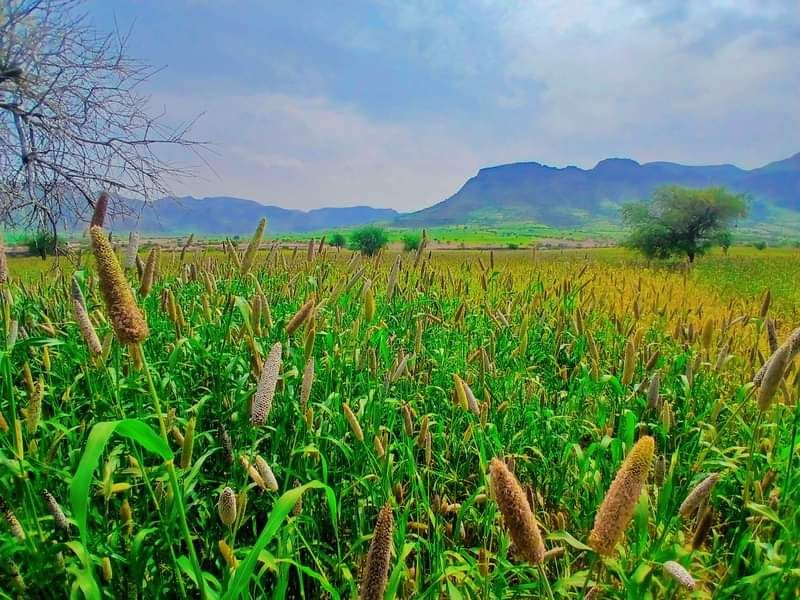
Overall, intercropping leverages the benefits of growing different crops together to improve soil health, minimize risks, make the most of available space, and sustainably increase agricultural productivity. Yet, implementing this promising approach in the Sequota area is not without challenges. As Assefa pointed out, there is a seed shortage, and pests causing issues for mung beans. This situation demands farmers and other stakeholders to quickly adapt to their context and exert efforts to address these challenges.
 raise-fs.org