
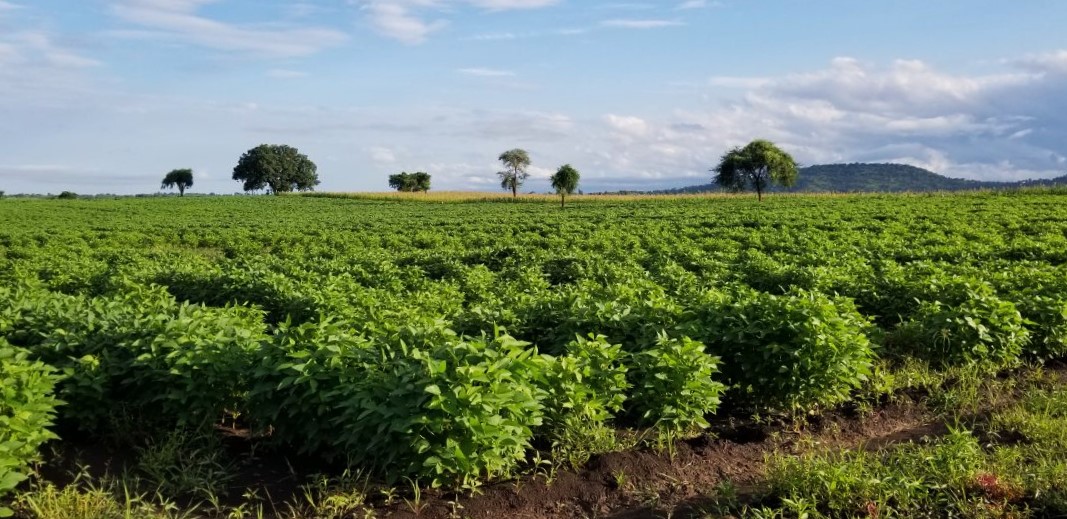
As part of the SWR-Ethiopia RAISE-FS project initiative, Bahir Dar University (BDU) and Gondar Agricultural Research Centre (GARC) jointly organized a week-long Social and Behavioural Change Communication (SBCC) training in Mirab Armachiho woreda from July 20–25, 2025. The initiative aimed to promote soybean consumption as a means to improve nutritional outcomes and food security in the woreda.
Despite the woreda’s potential for soybean production, a baseline study conducted by BDU revealed that household-level consumption of soybeans remains limited. The study identified two major barriers: a lack of awareness about the nutritional benefits of soybeans and insufficient knowledge on how to prepare soybean-based recipes. To address these challenges, the SBCC training was designed to empower various community groups with the knowledge and skills needed to integrate soybeans into their diets effectively. The sessions targeted different community groups, including women soybean producers, development and health extension workers, and local food business owners, ensuring inclusiveness.
The first round of training focused on women soybean producers, emphasizing the importance of dietary diversity and balanced food groups for maintaining health. Participants explored how soybeans can enrich household diets, boost nutrition, and contribute to food security. The sessions were interactive and provided practical knowledge to help women integrate soybeans into their daily meals.

Development and health extension workers participated in a Training of Trainers (TOT) program designed to cascade knowledge throughout the community. The training covered key topics such as basic concepts of nutrition, dietary diversity based on the Ethiopian Food-Based Dietary Guidelines (FBDG), and the potential of soybeans in improving diet diversity and generating income. In addition, participants were trained on adult learning techniques and facilitation skills to ensure effective knowledge transfer, when cascading the training.
The final training round targeted local food business owners (handlers), focusing on nutritional benefits of soybeans and practical strategies for incorporating soy products into their menus.
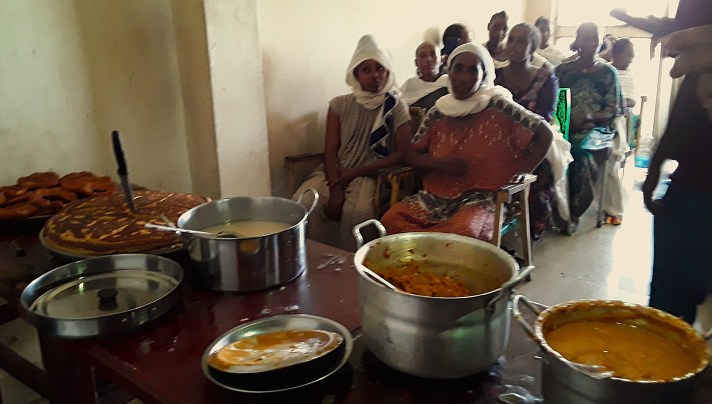
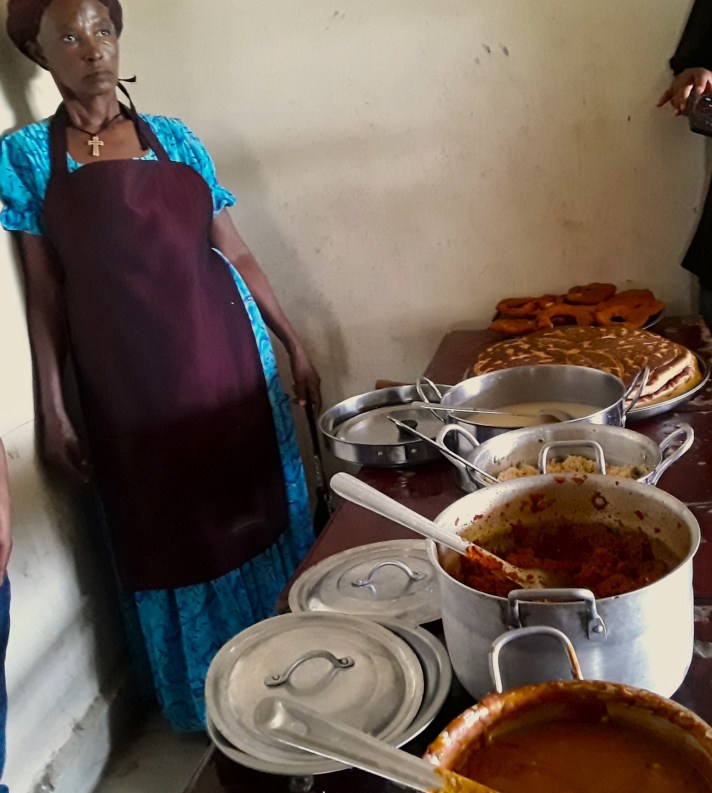
An interactive cooking demonstration was a highlight of the week, showcasing recipes such as soybean milk, key and alcha wot (spicy red and mild stew), shiro (chickpea or pea stew), bread, and bombolino (fried pastry). Participants had lively discussions and expressed that the demo stimulated their interest to integrate these recipes into their daily cooking. However, one recurring concern raised during the sessions was the reluctance of local millers to grind soybeans, which may pose a challenge for wider adoption. Solving this issue is crucial. It will ensure the adoption of soybean consumption and promote a healthier diet in the community.
The SBCC training was successful in that it has energized participants, equipping them with practical knowledge and skills. With continued support and investment in infrastructure, Mirab Armachiho woreda is well-positioned to embrace soybean-based nutrition and diversify local food options.
The training provided participants with renewed energy, a strong sense of commitment, and useful practical knowledge. With sustained technical support and improved infrastructure, the woreda is well-positioned to build on this momentum, to promote soybean consumption and healthier food habits.
 raise-fs.org