

In a significant step toward revitalising the oilseeds sector in Amhara region, a regional multi-stakeholder meeting was convened in Bahir Dar, bringing together a broad mix of key actors. Representatives from government organisations, financial institutions, processors, seed multipliers, seed enterprises, research institutes, traders, exporters, farmer organisations, universities, and administrators came together and discuss how to address pressing challenges and unlock opportunities within the oilseeds value chain.
The meeting was organised by SWR Ethiopia’s RAISE-FS project in collaboration with Bahir Dar University and Gondar Agricultural Research Centre (ARC), and it fostered open dialogue and laid the foundation for a sustainable Oilseed Multi-stakeholder Platform to address critical challenges and harness opportunities within the value chains.
Opening remarks
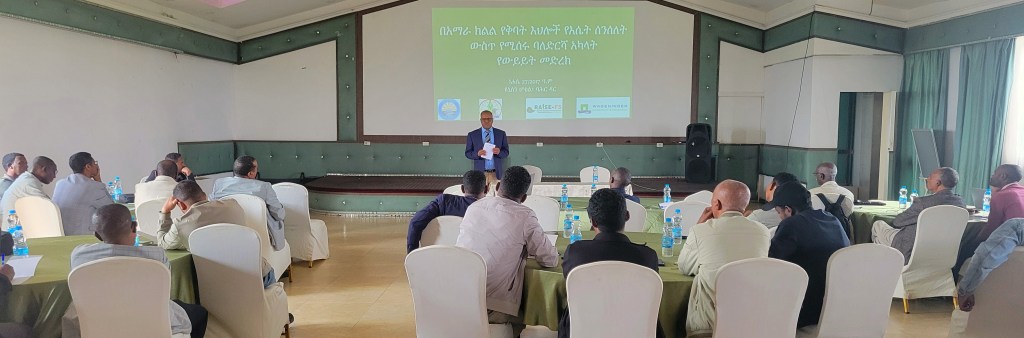
Dr. Asmare Dejen, Director General of Amhara Agricultural Research Institute (ARARI), offered thoughtful opening remarks, setting the tone for the day. He was preceded by Prof. Nestanet Fantahun, Executive Research Director at Bahir Dar University (BDU), whose remarks underscored the shared commitment to research-driven impact. Then, a quick self-introduction of the participants was conducted.
Insights from the research
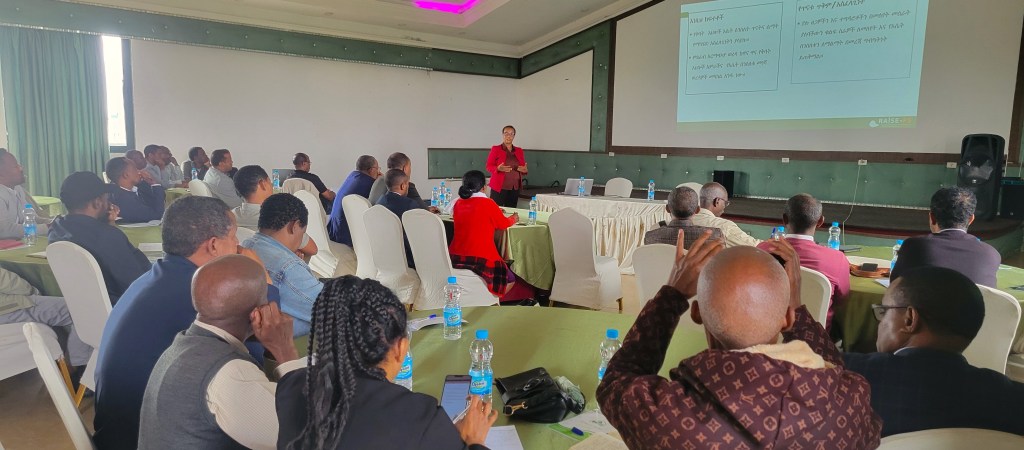
Two study findings were presented, the first one on a gender-inclusive value chain study on sesame and soybean in Northwestern Ethiopia and another one on drivers for sesame and soybean production and marketing trends. These presentations provided basic insights, which was validated by participants, who engaged in open discussions regarding the sector’s challenges and opportunities.
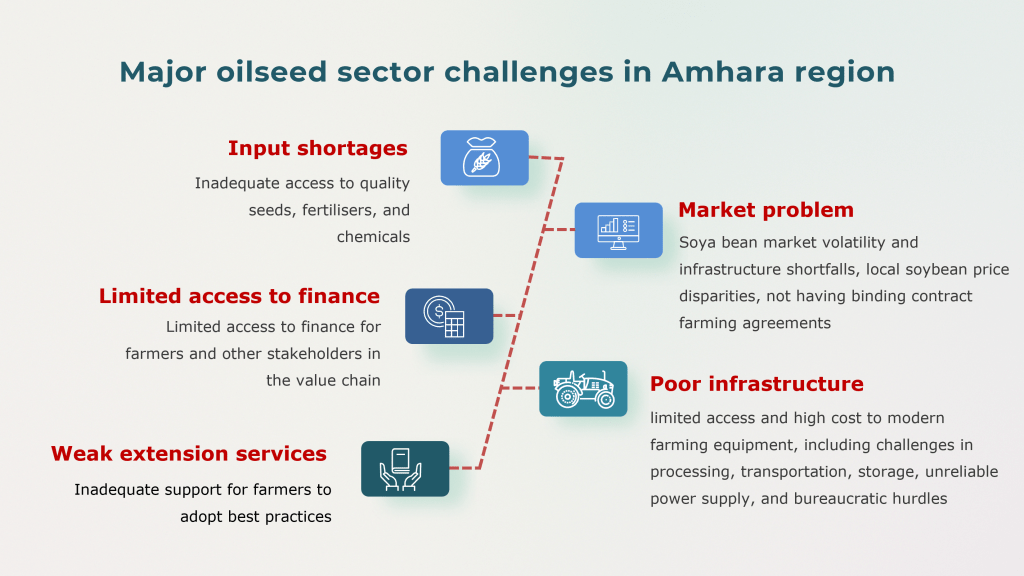
Major challenges outlined by participants
Commitments from key stakeholders
Mr. Ajebe Sinshaw, vice head for Amhara Region Bureau of Agriculture (BoA), acknowledged the systemic issues in input access and extension services, pledging to address them through the different administrative channels and by strengthening the regular extension system.
Meanwhile, Dr Asmare Dejen, director general of ARARI highlighted the institute’s efforts to develop and multiply improved seed varieties- Early Generation Seeds, improved production packages, pest management and other recommendations that can help increase production and productivity. He affirmed that ARARI stands ready to multiply improved seed varieties, as long as the necessary resources, funding, land, and community demand are in place. He also stressed that the success of these advancements depends on farmers adopting recommended practices, highlighting the need for enhanced support to improve field-level practices.
Mr. Agazie Getahu, from Tseday Bank, urged stakeholders to view challenges as opportunities for innovation and investment. Despite resource limitations, they are working to support the sector, emphasising that increased productivity is key to ensuring loan repayments. Higher yields, he noted, directly impact the ability to repay credit, making productivity a critical focus for financial sustainability.
The role of the private sector
A key takeaway from the meeting was the recognition that public institutions alone cannot address the sector’s multifaceted challenges. Participants emphasised the critical role of the private sector and cooperatives in driving progress. By improving input supply, enhancing value addition, developing markets, and expanding warehouse and machinery services, private entities can help fill gaps that government efforts alone cannot address. The call for stronger private sector engagement underscored the need for collaborative approaches to build a more resilient oilseeds sector.
Looking ahead: A permanent platform for collaboration
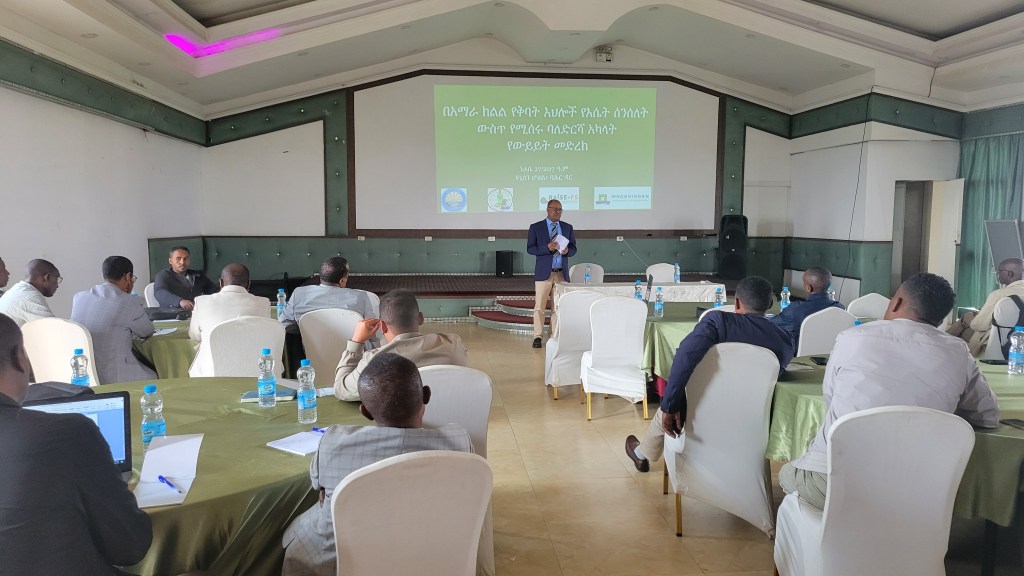
The meeting ended with a shared objective of establishing permanent platform aimed at fostering sustained collaboration among stakeholders in the oilseeds sector. It was proposed that the Bureau of Agriculture take the lead as Chair, with Trade and Market Development serving as Vice Chair, and the Industry and Investment Bureau assuming the role of Secretary. This platform is expected to enable continuous dialogue, coordination, and strategic decision-making to drive long-term progress in the industry.
In his closing remarks, Mr. Ajebe, Vice Head of the Bureau of Agriculture (BoA), stressed strengthening the agricultural value chain. He prioritised ensuring reliable access to quality seeds, fertilisers, and essential inputs, emphasising that productivity must be driven by meeting farmers’ real and evolving demands. He also stressed the need to improve postharvest management practices to safeguard quality, promote value addition, and foster inclusive growth across all stages of the value chain.
 raise-fs.org