
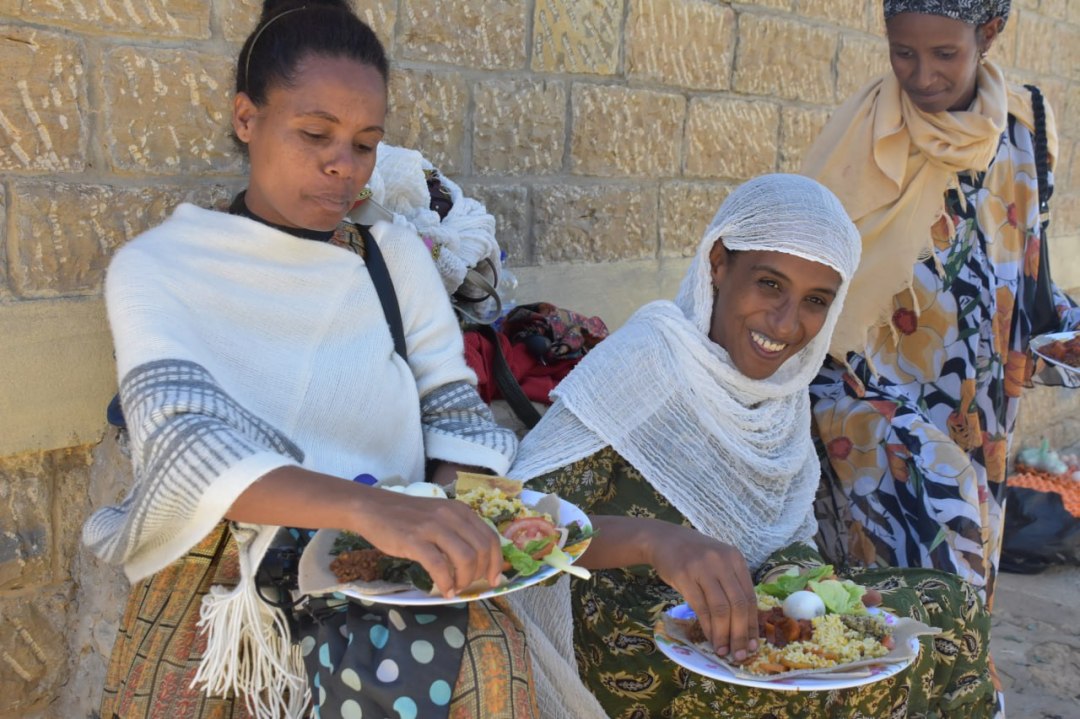
In an effort to combat malnutrition and improve household nutrition, the Mekelle Agricultural Research Centre (MARC) of Tigray Agricultural Research Institute (TARI), in collaboration with the SWR Ethiopia RAISE-FS project, has conducted cooking demonstrations as part of a home garden initiative. The activity focused on empowering resource-poor farming households to grow and utilize nutrient-rich vegetables, including orange-fleshed sweet potato (OFSP), kale, and beetroot leaves.
The cooking demonstrations, held in Enderta and Tsaeda Emba woredas, aim to show farm households how to prepare these vegetables while preserving their nutritional value. The initiative also promoted diversified plates using locally available foods, helping communities embrace healthier eating habits.

Each event began with nutrition briefings delivered by agricultural and health experts, who emphasized the importance of consuming vegetables rich in vitamins, minerals, and fibre. OFSP and kale received special attention for their ability to improve eye health, boost immune function, support growth, and prevent Vitamin A deficiency, particularly among women of reproductive age and children.
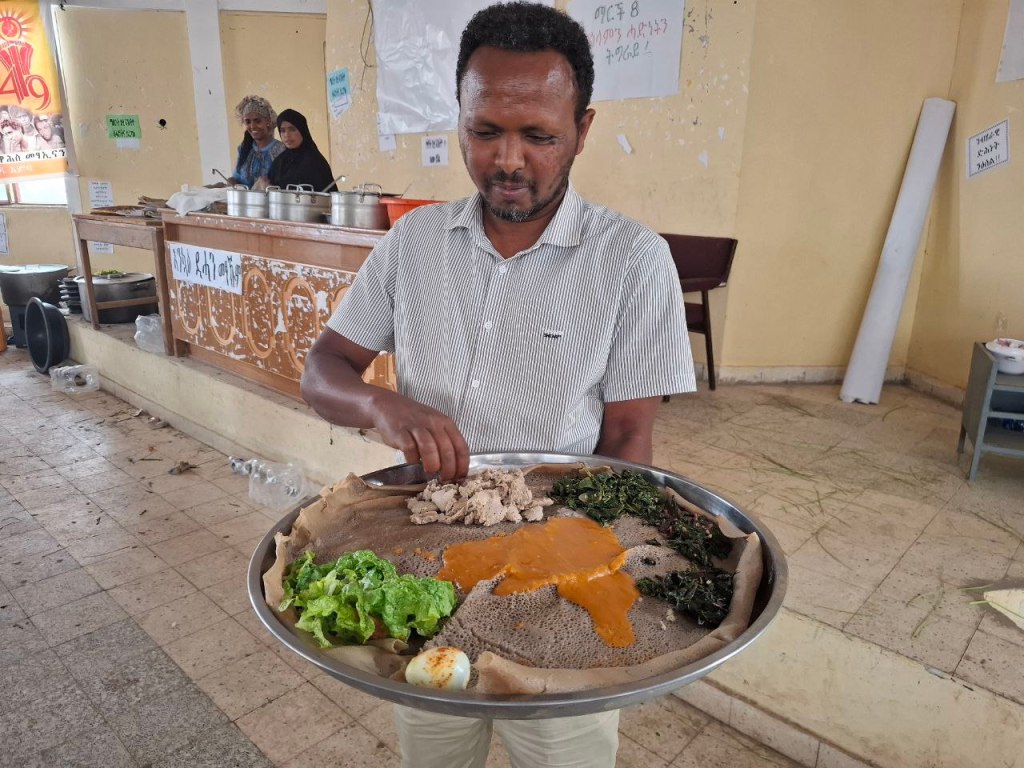
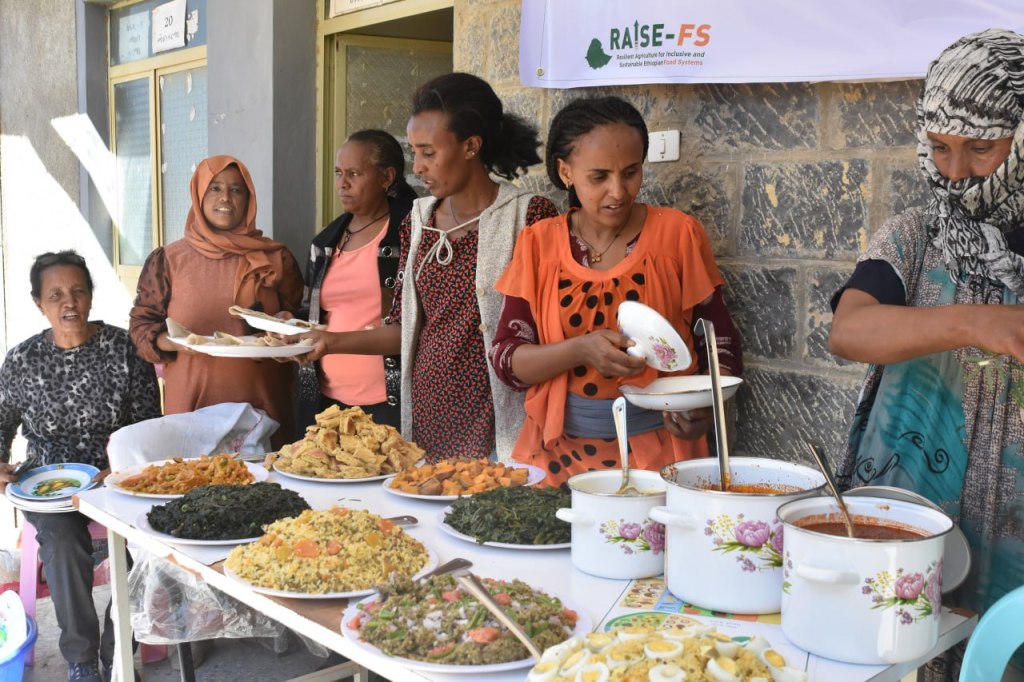
Following the theoretical session, participants engaged in practical cooking activities, learning techniques such as proper washing, peeling, chopping, mixing, and cooking. The cooking sessions showcased different ways to prepare OFSP, kale, beetroot leaves, mung beans, and other locally sourced ingredients. Some of the dishes included:
- OFSP-based recipes: bread, mixed salad, rice dishes, “Key wot,” “Alicha wot,” and boiled OFSP.
- Leafy vegetables: stir-fried OFSP leaves, kale, and beetroot leaves.
- Mung bean dishes: “kikie,” mixed with rice and salad.
- Diversified plates: injera paired with egg, shiro, and sesame paste.
During the meal tasting session, participants shared their experiences with these ingredients and recipes. For many, this was their first exposure to the versatility of OFSP beyond boiling or salads. Kale was typically prepared like mustard greens in their homes, while beetroot leaves were largely unfamiliar.
Participants’ feedback and reflection
The cooking demonstrations received positive feedback from participants:
- Bread made from OFSP: emerged as a favourite for its natural sweetness, making it especially appealing for children.
- Kale and OFSP leaves were praised for their flavour.
- Reactions to beetroot leaves were mixed; while some appreciated their unique taste, others found them slightly bitter.
- Mung beans were welcomed as a new crop with versatile uses similar to lentils.
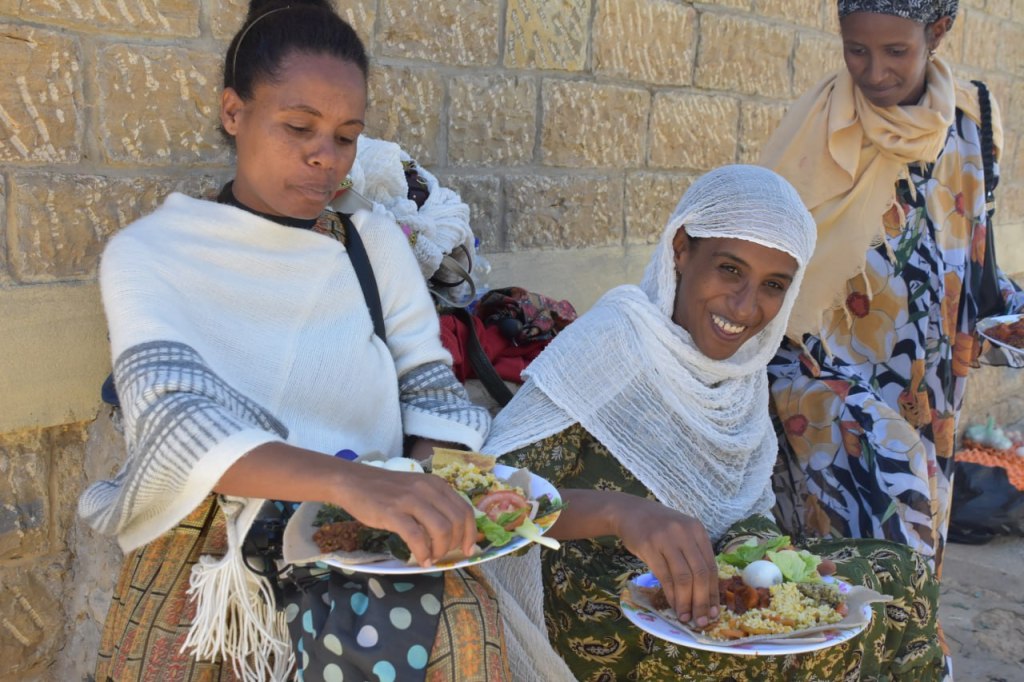
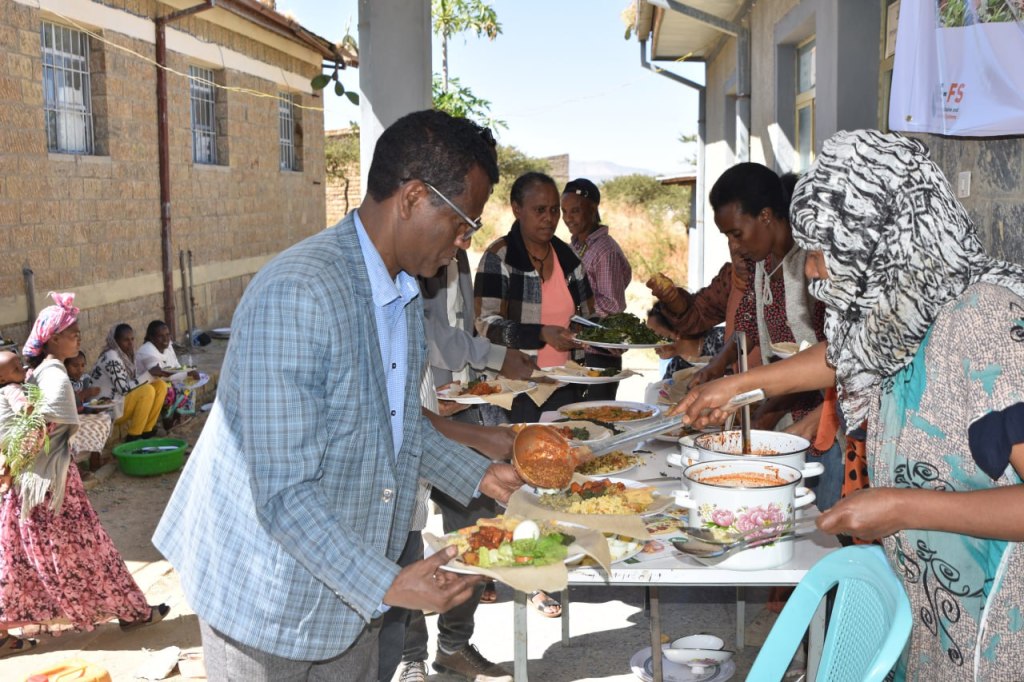
Participants expressed a strong interest in trying these recipes at home and incorporating them into their daily meals. The event and participants’ reflection also provided valuable insights into community needs and preferences. It has been learned that considering the following points would increase the impact of the initiative.
- Addressing knowledge gaps: many participants were unfamiliar with using certain crops or their edible parts (e.g., leaves) in recipes.
- Continued nutrition awareness: demonstrations emphasized preserving nutrients through proper cooking methods and avoiding overcooking.
- Cultural relevance: taste, texture, and acceptability—especially for children—are key factors for adoption.
Way forward: Scaling up success
The cooking demonstrations have proven effective in bridging the gap between agricultural production and household nutrition practices. To ensure sustainability and maximize impact, the following actions are recommended:
- Expand cooking demonstrations: scale up the sessions to reach more woredas across Tigray, in close collaboration with the Bureau of Agriculture (BoA) Nutrition Department, the Bureau of Health (BoH) Nutrition Section, women affairs and respective woreda administration offices.
- Integrate with existing initiatives: incorporate cooking demonstrations into ongoing initiatives such as home gardening and nutrition-sensitive agriculture, ensuring alignment with existing efforts like the Sekota Declaration and other partner-led projects and government initiatives with will be coordinated by bureau of agriculture.
- Strengthen awareness campaigns: utilize Social and Behaviour Change Communication (SBCC) tools to promote diverse and nutritious diets. Leverage all available media platforms through coordinated efforts by BoA, BoH, and Tigray Agricultural Research Institute (TARI).
- Promote holistic farmer support: encourage not only the cultivation of nutrient-dense crops but also their preparation and consumption in culturally appropriate ways. This should be a shared responsibility across all actively engaged stakeholders and initiatives.
By equipping households with both knowledge and practical skills, this initiative empowers communities to make healthier food choices using locally available resources. Enthusiastic feedback from participants underscores the potential for lasting change in dietary habits across Tigray.
A total of 195 participants attended the demonstrations, including 89 women and 23 local agricultural and health experts. As efforts continue to scale up and integrate these activities into broader programs, the vision of improved nutrition for resource-poor farming households will be a reality.
 raise-fs.org