
A business model to address the shortage of seed potato of improved varieties has been tested and validated in Kofale woreda. To facilitate the scaling of the demonstrated evidence, a field day was jointly organized by the SWR Ethiopia RAISE-FS project in collaboration with Kulumsa Agricultural Research Centre (KARC) and the Kofale woreda Agricultural Office in Germama kebele. The field day aimed at showcasing the potato seed tuber business model as a promising solution to the persistent shortage of quality potato seed of preferred varieties in Kofale woreda.
Potato is a cornerstone crop in Kofale woreda, playing a critical role in bridging “food-gap months” when staples like maize, teff, and wheat are not yet ready for harvest. Additionally, potato production during the belg season provides farmers with an opportunity for double cropping, further boosting agricultural productivity. Despite its importance, access to clean, disease-free potato seed remains a significant challenge for farmers. Many rely on recycled seeds from local markets or distant areas, seeds that are often of unknown variety and frequently infected with diseases. This reliance has led to declining yields, jeopardizing both household food security and local livelihoods.
To address these challenges, the SWR Ethiopia RAISE-FS project and its partners introduced a seed potato production business model tailored to meet local demand while building a sustainable, decentralized seed system. The model integrates Gudane improved potato variety, farmer-managed screen houses for clean mini-tuber production and Diffused Light Storage (DLS) units to minimize post-harvest losses and maintain seed quality for future planting seasons. During the field day, participants witnessed firsthand how the model is performing in the area and the need to scale to all potato-producing kebeles in the woreda and beyond.
The field day also served as a multi-stakeholder platform where challenges were discussed, bottlenecks identified, and strategies proposed to accelerate the scaling of these innovations. Key constraints such as weak seed regulation, limited capacity for certification, and uncoordinated seed distribution systems were highlighted. Concurrently, opportunities such as strong farmer interest, growing market demand for clean seed, and institutional readiness for collaboration were recognized.
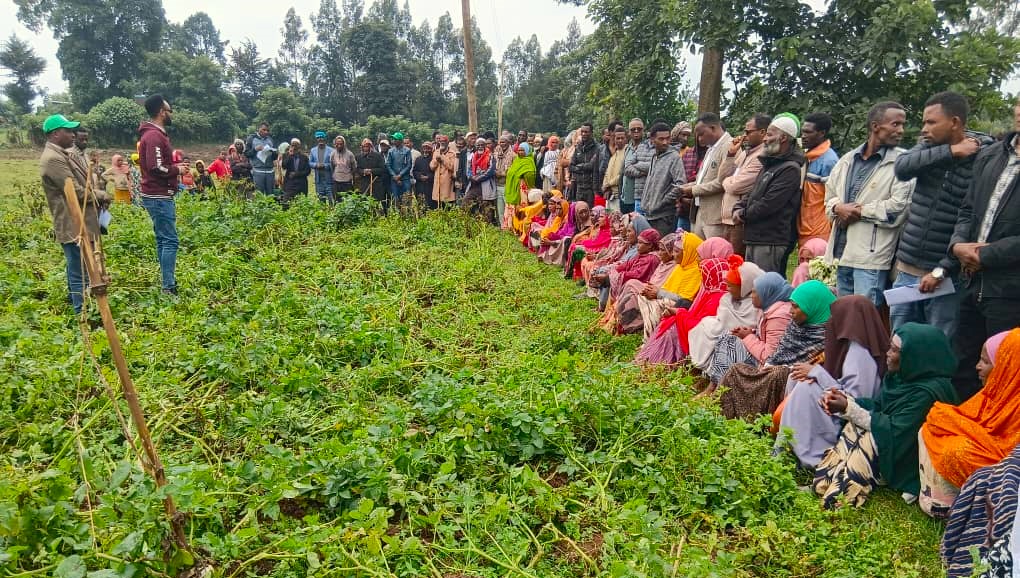
Stakeholders proposed actionable steps to address these issues, including supporting seed producer groups to obtain Quality Declared Seed (QDS) certification. This certification would enable farmers to access reliable, traceable, and disease-free planting materials—ultimately improving productivity and profitability while reducing dependence on external seed sources.
Farmers participating in the event expressed optimism about the potential impact of the potato seed tuber business model. They emphasized that access to quality seed not only boosts yields but also enhances household food security, generates income for essential needs such as school fees, and creates job opportunities for women and youth.
Local officials echoed these sentiments, underscoring the importance of institutionalizing such models to advance food and nutrition security goals. KARC Director Mr Shimelis Alemayehu reaffirmed the centre’s commitment to scaling these innovations through ongoing collaboration with stakeholders. Similarly, Kofale woreda Agricultural Office Deputy Head Mr. Shumbura Kumbi pledged the woreda’s leadership in coordinating efforts to ensure sustainable impact.

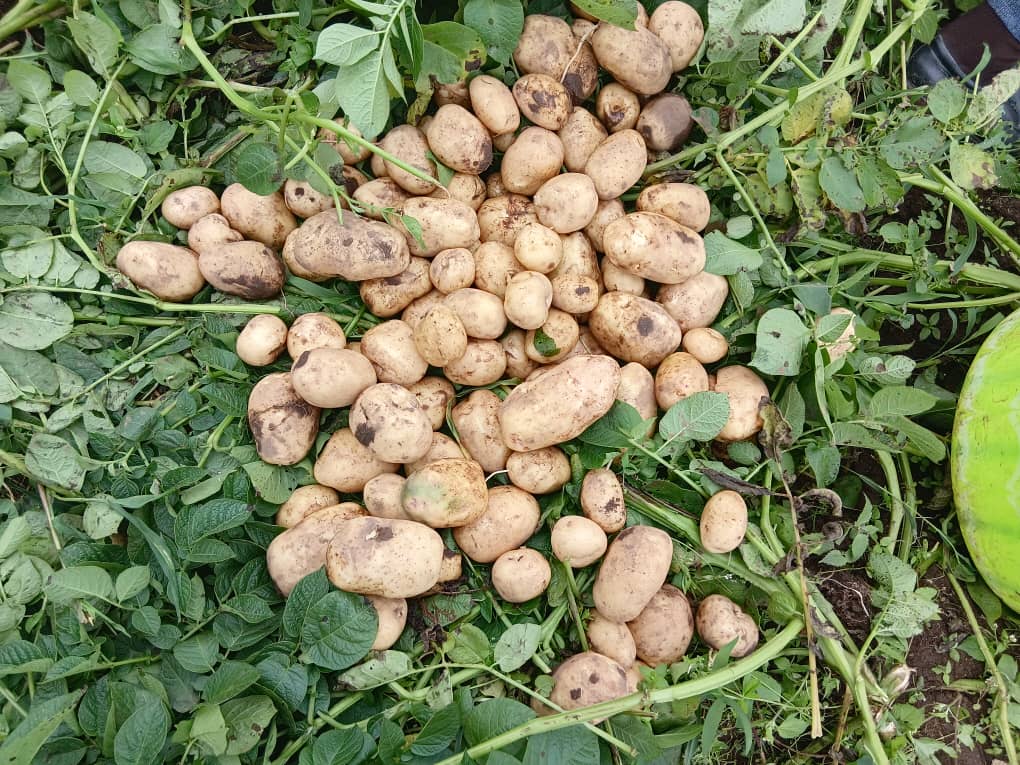
Closing the event, Zonal Agricultural Office Deputy Head Mr Ibsa Gemeda emphasized the need to maintain the momentum generated by this initiative. He urged stakeholders to integrate the seed potato production model into regular agricultural planning processes and remain committed to its success.
The field day brought together over one hundred participants, including host and learner farmers, many of whom were women and youth, alongside woreda and zonal agricultural officials, seed regulatory bodies, kebele representatives, and technical teams from KARC and SWR Ethiopia RAISE-FS Oromia Liaison Office. Media coverage by the Oromia Broadcasting Network (OBN) ensured that the lessons learned reached wider audiences across the region.
 raise-fs.org