
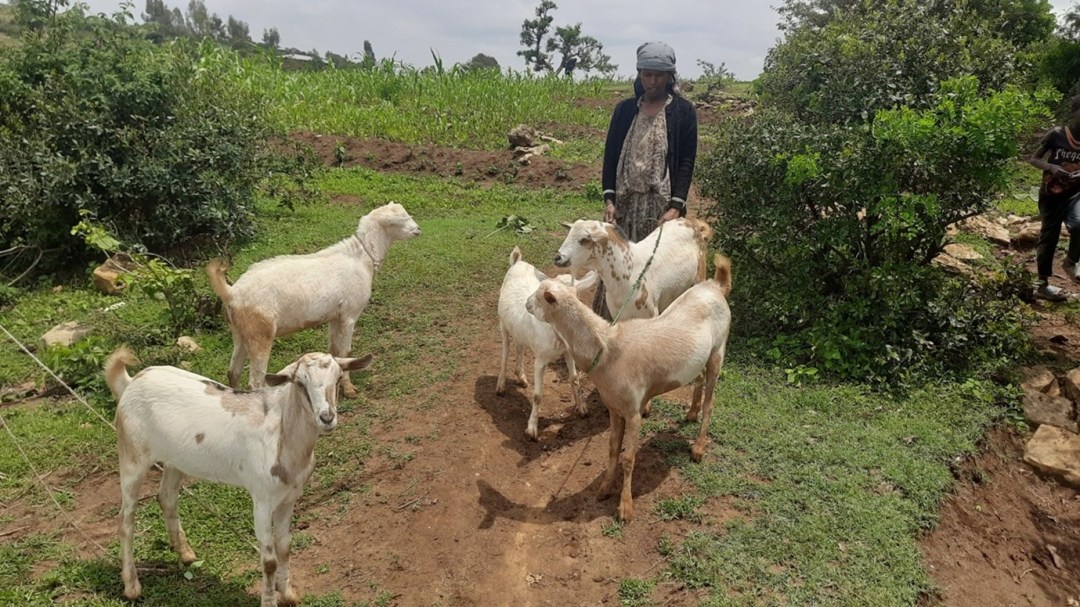
Haramaya University, in collaboration with SWR Ethiopia RAISE-FS project, is promoting a goat fattening business model to benefit youth and women in Babile and Kersa woredas of Oromia region. Launched earlier this year, the initiative is already showing promising progress.
One of the major challenges in promoting this business model has been access to finance. Recognizing this obstacle, the project partners have joined hands with Burka Gudina Saving and Credit Cooperative Union (BGSCU) to implement a revolving fund scheme. This approach ensures the availability of financial resources, enabling participants to have access to credit which they later repay after selling their fattened goats. Currently, 20 women, 10 from each woreda, are actively involved in this initiative.
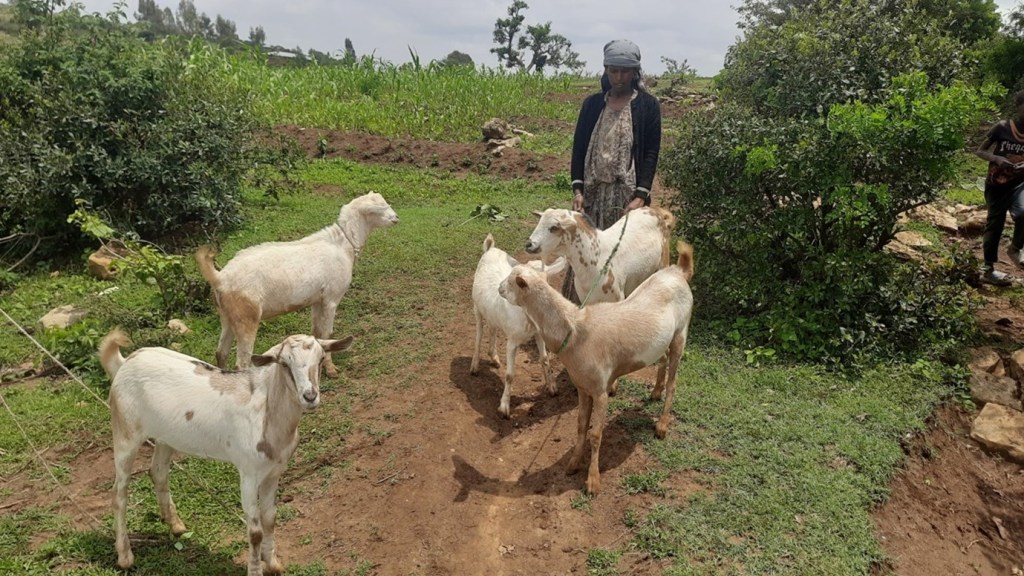
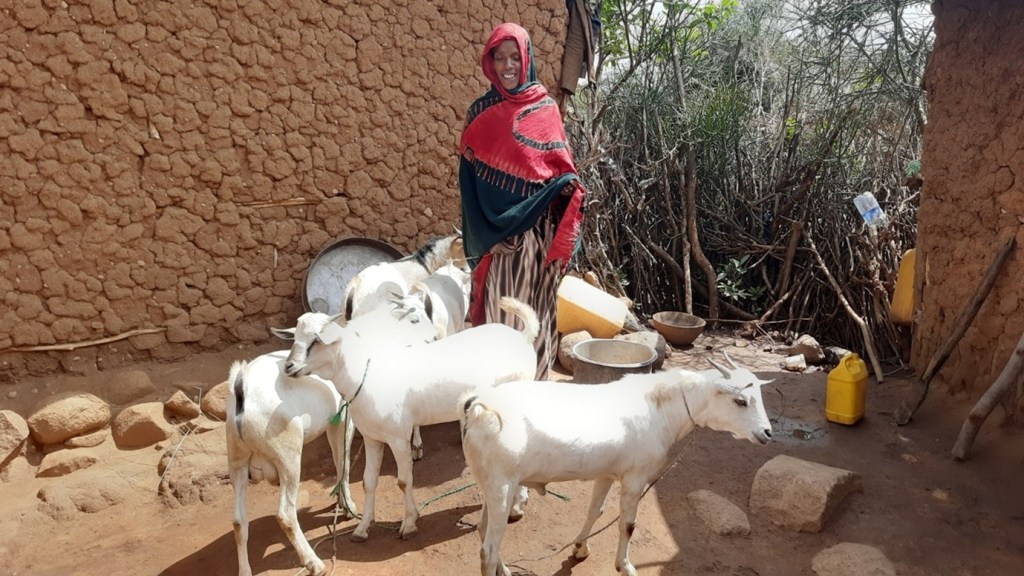
As part of the program’s implementation, 100 male goats have been procured and distributed among the 20 women farmers. Each participant has received five goats to begin their fattening operations. The management of these goats is progressing well, thanks to ongoing support from both expert teams and woreda specialists.
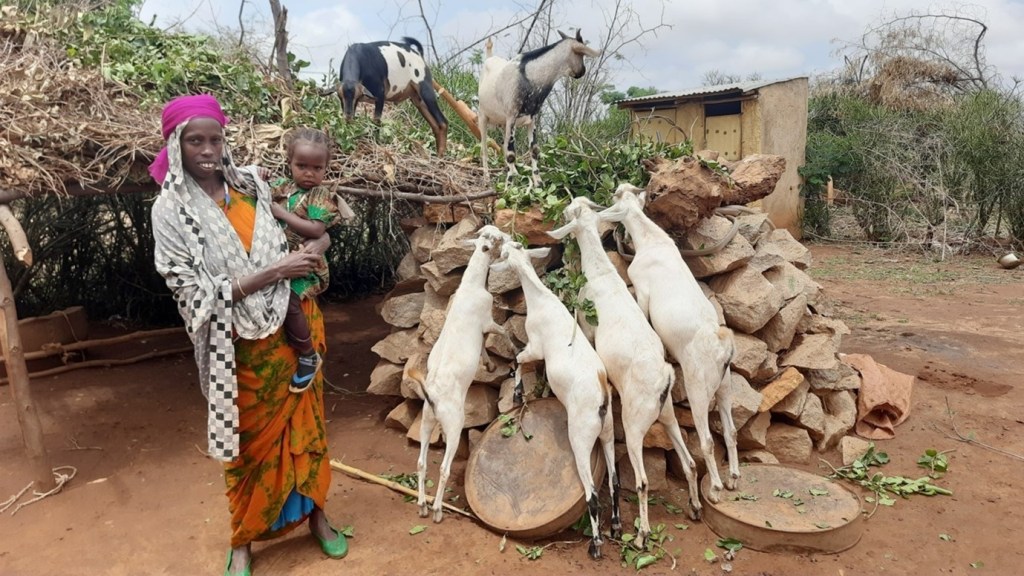
Capacity building training
To ensure the success of this initiative, comprehensive training sessions have been conducted. These trainings covered key areas such as:
- Goat fattening techniques
- Feeding practices
- Breed selection
- Health management
- Housing systems
Additionally, participants received training in financial management skills, including entrepreneurship, business planning, financial literacy, and regulations surrounding saving and credit systems. These skills are vital for fostering self-reliance and to ensure participants use the loan for the intended purpose and have the capacity to pay back the loan.
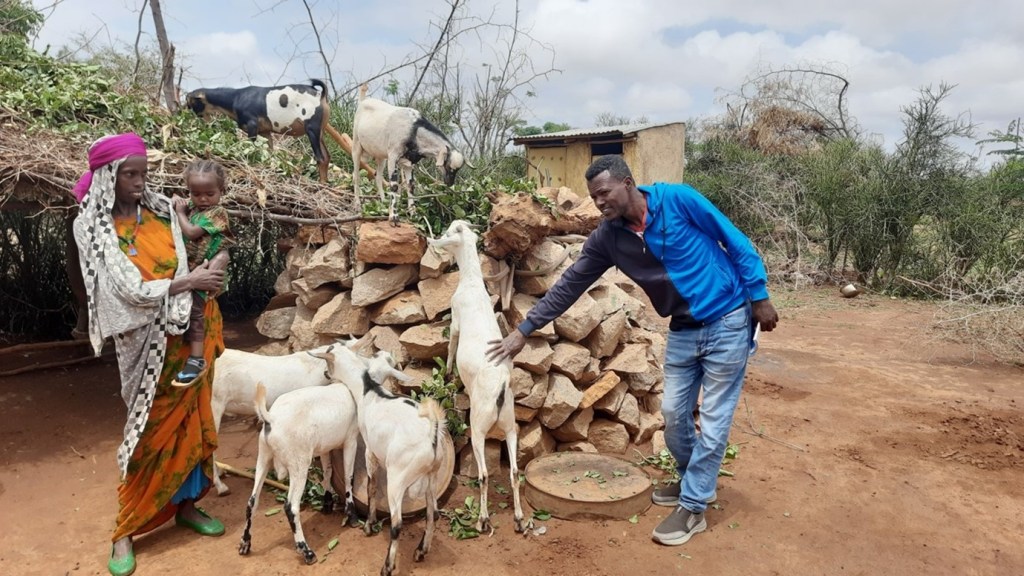
Lesson learned and next steps
The goat fattening business model is more than just an economic initiative; it showed the power of collaboration and system approach in addressing systemic challenges. As the program continues to unfold, it is believed to bring lasting change to the youth and women participants and serve as a model for similar initiatives across Ethiopia.
Next steps include market linkage for sale of the goats, loan repayment, and continuous follow-up to ensure sustainability.
 raise-fs.org