
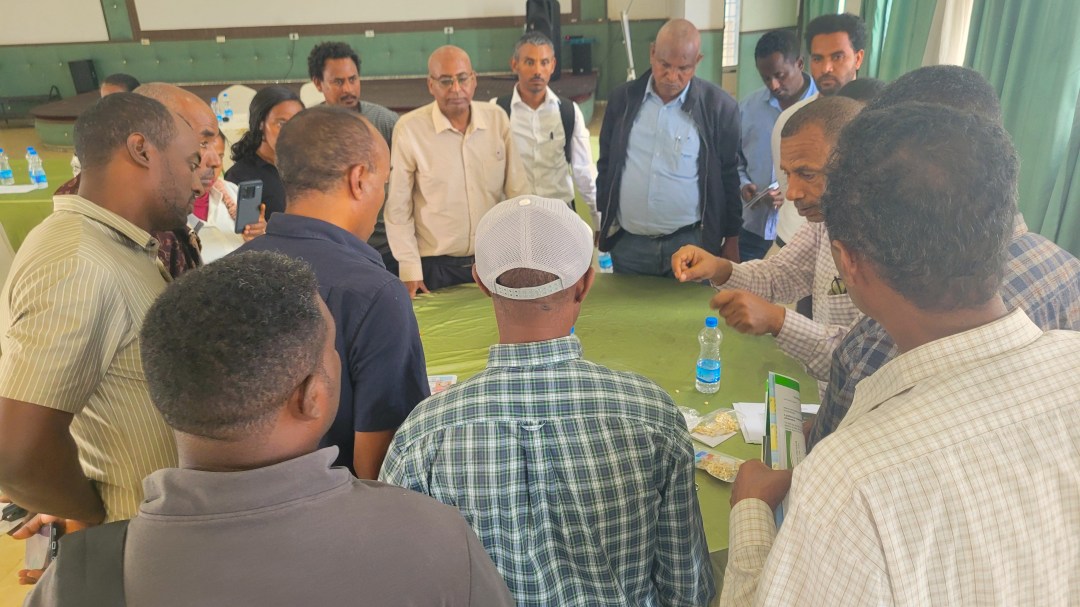
On October 27, 2025, SWR Ethiopia’s RAISE-FS project, in partnership with Bahir Dar University and the Ethiopian Food and Drug Authority (EFDA), Bahir Dar Branch, held the second meeting of the Food Safety Technical Working Group in Bahir Dar. This important gathering brought together 27 stakeholders from diverse sectors to discuss and tackle pressing food safety challenges in Amhara region
Opening remarks: A call for collective action
Opening remarks: A call for collective action
Mr. Getenet Sintayehu, Directorate Director of Health and Health-Related Services within the Amhara Region Health Bureau, gave the opening remarks and emphasised the pressing need to solve issues related to food safety. “Food safety remains a critical issue, and we have yet to make substantial progress,” he said, emphasising that it is a collective responsibility.
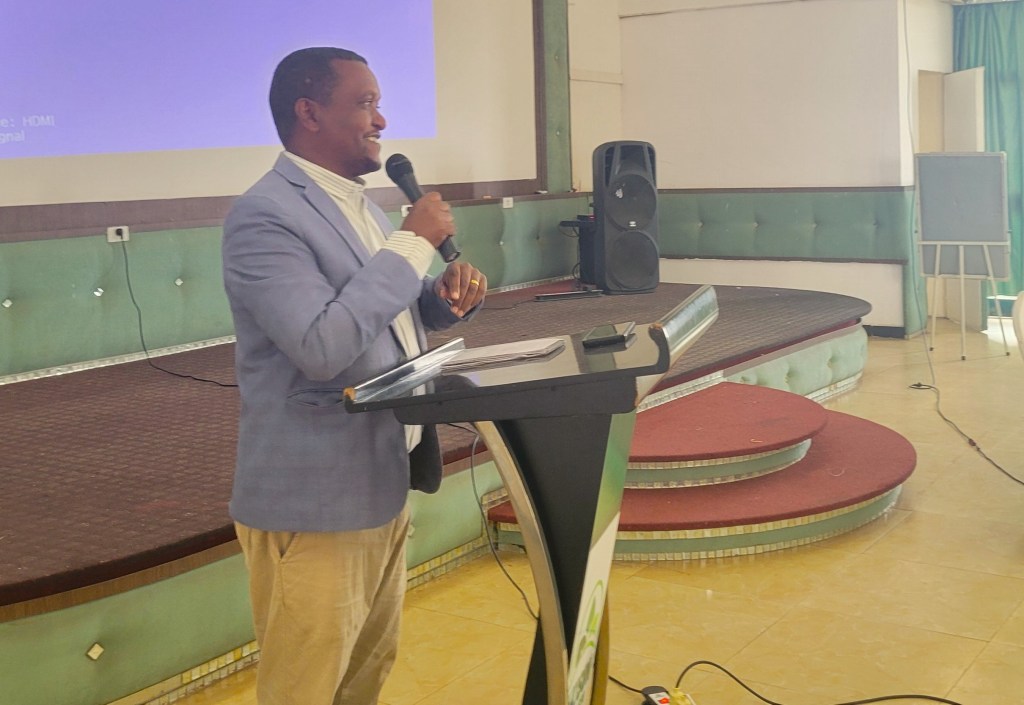
“All stakeholders must actively collaborate to drive meaningful change.” While acknowledging initial efforts, Mr. Getenet stressed that much work remains. He urged participants to formalise collaboration through a signed agreement and to begin implementing practical measures immediately.
Objectives and key discussions
The meeting aimed to strengthen intersectoral collaboration, develop actionable strategies, and accelerate progress toward a safer food system in the region.
Presentations provided a comprehensive overview of the current food safety landscape in

Ethiopia and the Amhara region, identifying key challenges, including:
- Limited public awareness of food safety risks
- Inadequate coordination among stakeholders
- Fragmented institutional frameworks with overlapping mandates
- Insufficient regulatory frameworks
- Limited budget, technical capacity, and access to technology
- Frequent leadership changes and a lack of incentives for prioritising food safety
The EFDA shared insights from recent market surveillance efforts, detailing actions taken against unsafe products, such as adulterated pepper, peanut butter, honey, and butter, which underscored the need for further vigilant oversight.
Innovative solutions to combat mycotoxins
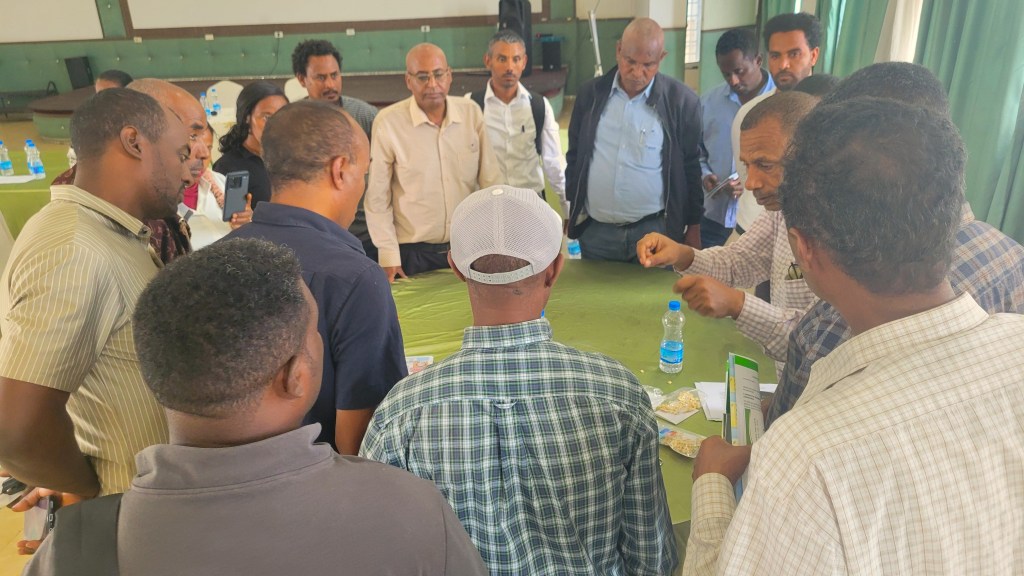
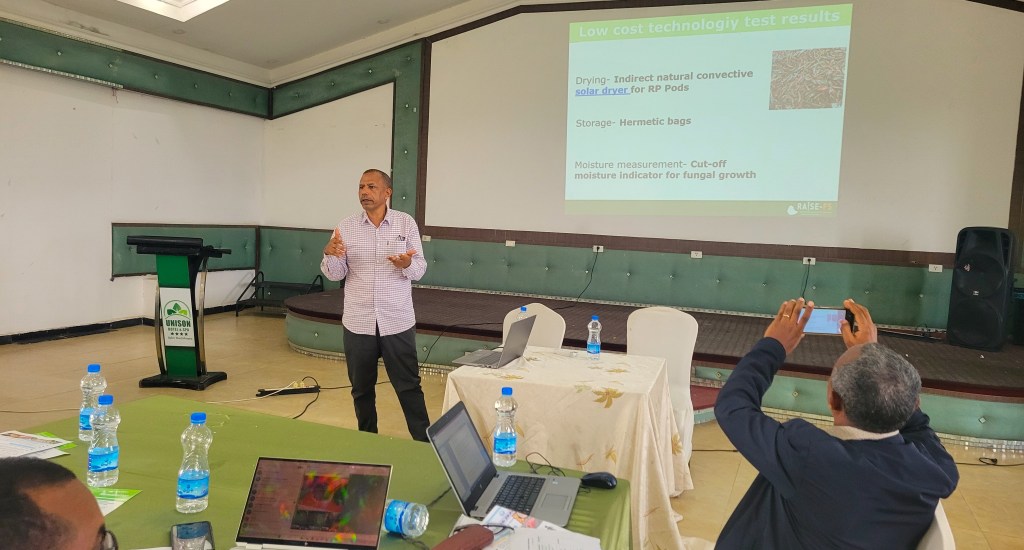
In a noteworthy presentation the low-cost technologies developed by BDU with the support of SWR Ethiopia- RAISE-FS project to combat mycotoxins, emphasised an integrated approach that combines drying technologies, hermetic storage bags, and moisture testing. While combined methods were deemed most effective, for individuals who do not have the capacity the use all hermetic bags alone were noted as a promising solution.
Stakeholder feedback and strategic proposals
Participants praised the collaborative efforts of RAISE-FS, Bahir Dar University, and the EFDA Bahir Dar Branch. However, concerns were raised about inadequate control measures of concerned bodies, limited awareness of invisible threats like aflatoxins, and the delayed consequences of food safety lapses. Stakeholders proposed that organisations need to fulfil their individual organisation responsibilities while leveraging the regional Food Safety Technical Working Group as a platform for collaboration.
Key recommendations included: initiating targeted, actionable interventions; scheduling quarterly meetings to maintain momentum; and establishing a coordination committee to streamline efforts.
In the meeting participant revisited the platform’s Terms of Reference (ToR), initially presented during the first meeting. They suggested broadening representation to include regional administration, legal organisations, and conformity assessment institutions. They also recommended aligning and coordinating the platform’s activities with the mandates of the chair, co-chair, and secretaries to ensure seamless integration with organisational objectives.
Addressing sustainability challenges
Sustainability emerged as a critical topic of discussion. Participants pointed out that, despite commitments made in December 2024 to reconvene within a month, engagement from some organisations has been inconsistent. To ensure the platform’s long-term sustainability, it was suggested that securing steady was identified as a priority
Broad representation and commitment
Representatives from important organisations, such as the EFDA, Bureau of Agriculture, Trade and Market Development, Livestock Agency, and Bureau of Health, attended the conference. Attendees agreed to prioritise practical actions and schedule a follow-up meeting to review progress, reinforcing their commitment to building a resilient food safety system in the region.
Closing remarks: A charge for immediate action
The meeting was concluded with closing remarks from Mr. Abraham Muche, Nutrition Directorate Director at the regional Bureau of Agriculture. He emphasised the urgency of the food safety challenges, stating, “The responsibility lies with us to enhance awareness, enforce regulations, and develop robust policies. We must act swiftly to address these gaps.” Mr. Muche called on participants to engage their leadership promptly to ensure follow-through on the meeting’s outcomes.
Looking ahead
The second Food Safety Technical Working Group meeting marked a significant step toward fostering collaboration and implementing practical solutions to enhance food safety in the region. With a clear focus on actionable strategies and sustained engagement, the platform is well-positioned to drive impactful change.
 raise-fs.org