
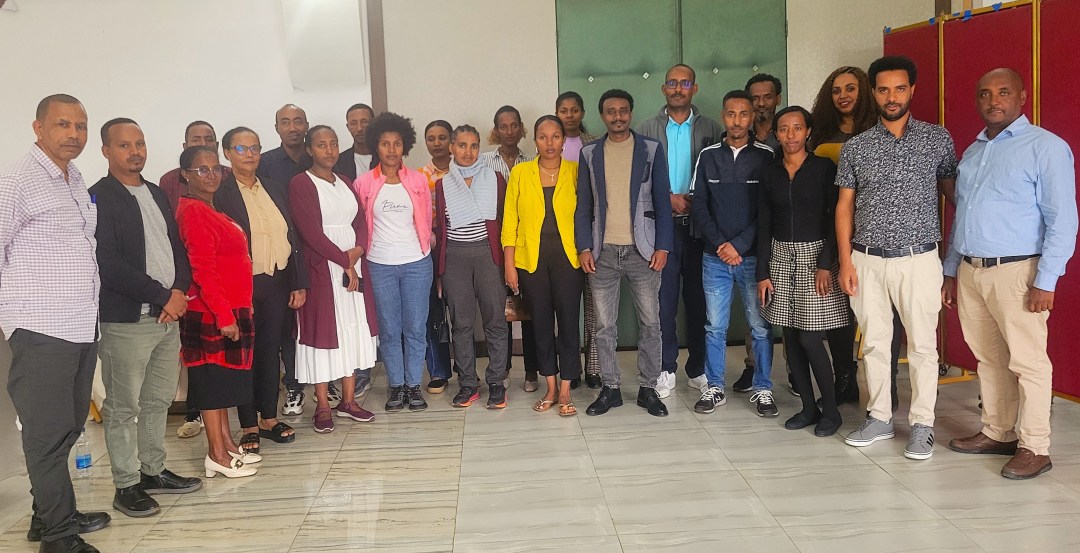
To raise public awareness on food safety and nutrition, SWR Ethiopia’s RAISE-FS project, in partnership with Bahir Dar University, recently held a three-day training programme for 15 media professionals from different media in the Amhara region. The programme aimed to equip journalists with the information, knowledge and resources needed to promote safer food systems and improved nutrition policies. Held in collaboration with the RAISE-FS Project, the training focused on bridging the gap between complex scientific ideas and concepts and accessible and understandable public messaging.
Professionals from Amhara Media Corporation (radio, TV, newspapers, and social media), Amhara Region Communication Bureau, Fana Broadcasting Corporation, Ethiopian Broadcasting Corporation (ETV) and BDU’s Community Radio attended the training programme, titled “Empowering Media Specialists: Training in Food Safety and Nutrition.”
Media matters in the fight against malnutrition and food safety issues
Malnutrition and foodborne diseases are major health problems for many in Ethiopia. These challenges are mainly caused by factors such as unsafe or contaminated water, poor hygiene, and inadequate food safety infrastructure, among others. Apart from reducing nutrient absorption, consuming unsafe food adds to the cycle of illness and stunted growth, which makes it more difficult for them to realise their full potential.
As the country strives for agricultural transformation and international trade compliance, food safety becomes as a critical pillar. In this case the media is one of the strongest advocacy platforms that can shape public opinion, mobilise communities, and influence policymakers to prioritise food safety and nutrition in national agendas. Accordingly, the training aimed to raise awareness among media professionals about food safety risks and nutrition issues, pilot advocacy tools and gather lessons for further intervention.
Hands-on training: from basics to broadcast simulations
The workshop kicked off with an interactive session that set the stage for the following days. In the first day attention was given to the foundational, including, basics of nutrition, covering nutrients requirements, dietary requirements and causes of malnutrition using the UNICEF framework. It also covered food safety, emphasising risks such as mycotoxins in crops like red pepper, soybean, and sesame, as well as mitigation strategies that have been tested by Bahir Dar University.
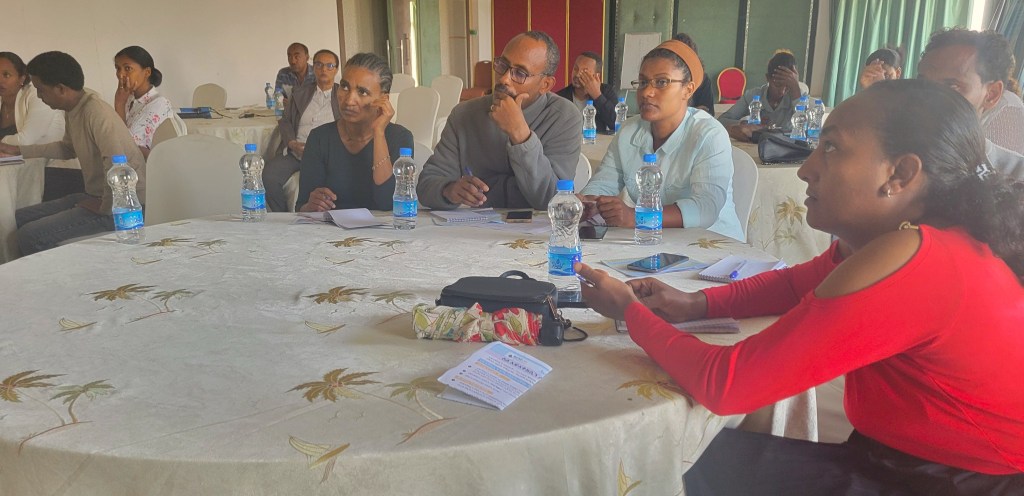
During the second day, participants explored the ties between nutrition and physical/cognitive development, education, poverty, and conflict. To prioritise nutritional interventions based on the development of feasibility advocacy strategies, participants engaged in simulated activities that divided them into groups to create sample content for radio, TV news, TV programs, and web/newspapers.
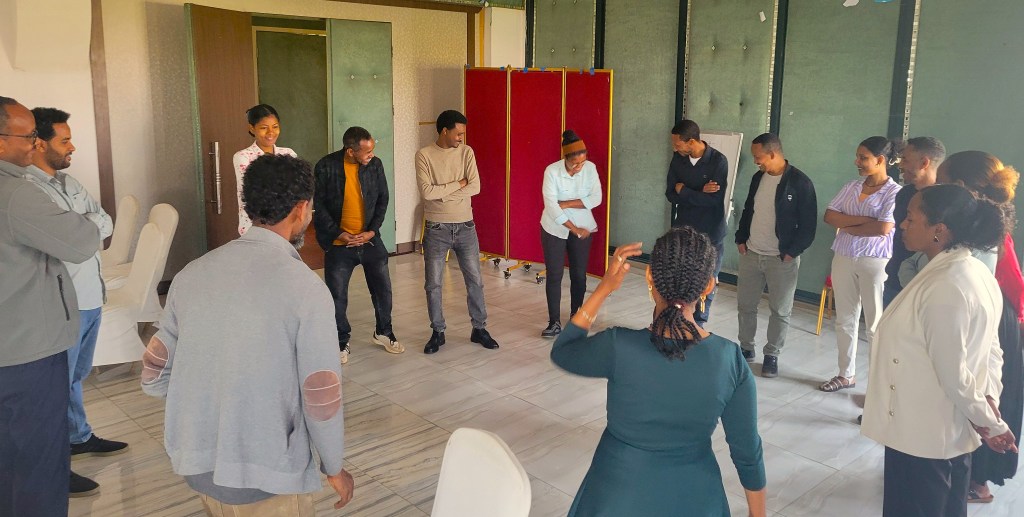
The final day included plenary presentations of simulated programs on maternal-child nutrition, mycotoxin risks in red pepper, and stunting reduction policies. Feedback sessions sparked lively debates to refine scientific accuracy, language use, and media principles.
Reflections of Participants
Most of the participants reflected that the program enhanced their awareness and gave them new insights and perspectives, which will help improve their professional reporting while also teaching them important lessons for their personal lives. One recurring theme is that many participants are newly introduced to key concepts of nutrition and food safety, in particular, the issue of aflatoxins.
For most participants, the training session was their first experience with such important topic. They said the training is an eye-opener, which made them to be more conscious of the importance of food safety, which has not been given the attention it deserves. They emphasised the need for easily accessible information, appropriate communication, and education programs in helping the public better understand and reduce food safety hazards.
Commitments for change: from workshop to airwaves
The participants were motivated and focused on taking action. Before concluding the training sessions, participants from the web and newspaper group promised frequent coverage on their social media platforms and in the Regional Bekur Newspaper. While the TV program team promised to resume the programme they used to have under the Seqota Declaration, TV news promised in-depth programs on food-related topics. Radio experts, on their part, indicated to continuing parts that support maternal nutrition and promoting validated technologies.
Follow-up is scheduled: Participants are required to create at least one program within a month, which will result in a meeting to discuss achievements, difficulties, and plans for cooperation after some time.

Post-training follow-up and monitoring workshop
From December 9 to 10, 2025, a group of trained journalists gathered for a post-training workshop aimed at reinforcing their knowledge on nutrition and food safety reporting. The workshop provided an opportunity to review key takeaways from their prior training, evaluate their achievements, and address the challenges they faced in their reporting efforts. Participants showcased their work, including news stories and programs on nutrition, stunting, and food safety, which were broadcast across various platforms such as FM and community radio stations, television, and digital media like Facebook.
With guidance from trainers and experts in nutrition and food safety, the journalists assessed the effectiveness of their content in delivering critical messages to the public. Engaging with stakeholders from the Health Bureau, Bureau of Agriculture, Trade and Development, and the Ethiopian Food and Drug Authority, they explored collaborative approaches to amplify awareness. The workshop concluded with the development of a strategic action plan to prioritize nutrition and food safety within media narratives, aiming to drive greater public engagement and advocacy on these vital issues.
 raise-fs.org