
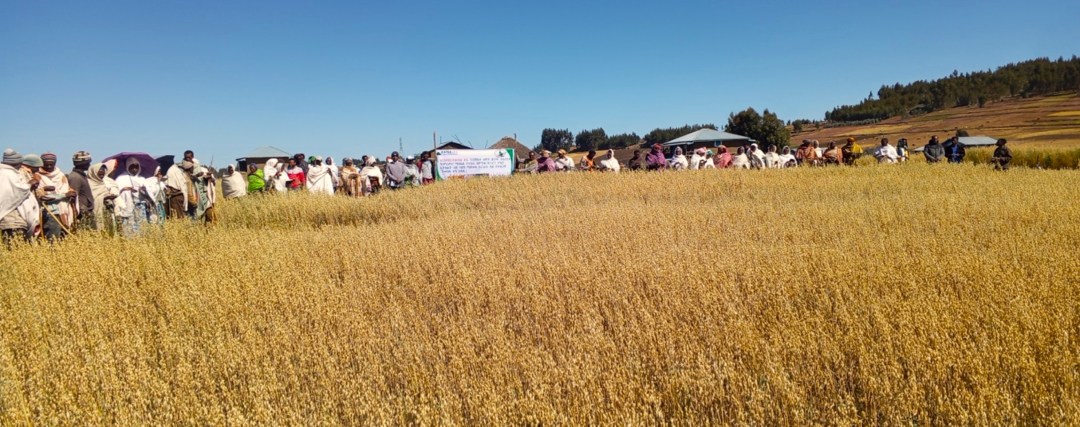
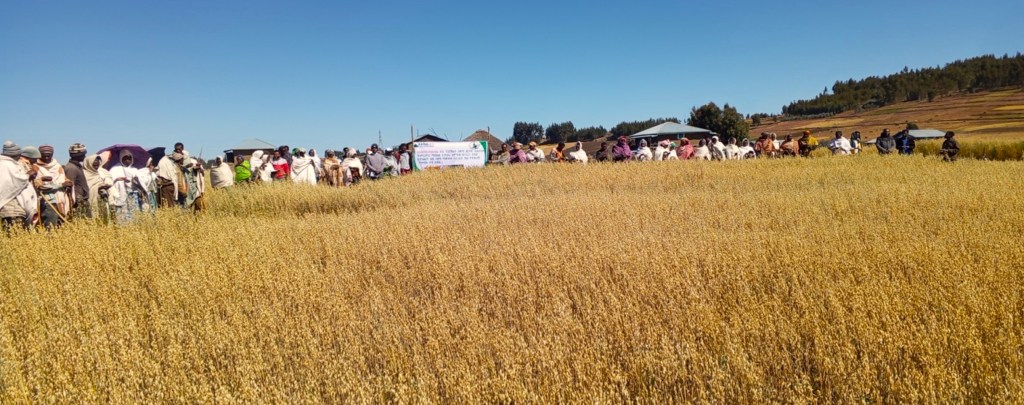
Sirinka Agricultural Research Center (SARC), in partnership with SWR Ethiopia’s RAISE-FS project, organised a field day in Angot woreda to showcase successful agricultural innovations aimed at transforming the food and farming systems in the drought-prone highlands of North Wollo zone, such as Angot and Gazo woredas.
Over 85 participants attended the event, including 60 farmers (24 women), local government officials, development agents, researchers, and representatives from Bisrat Union and the Sekota Declaration Project.

Participants visited three innovations:
- High-yielding food oat clusters that offer a resilient new crop for food-insecure areas historically dependent on monocropping
- Year-round irrigated vegetable gardens empowering women and youth with nutrient-dense production and income opportunities
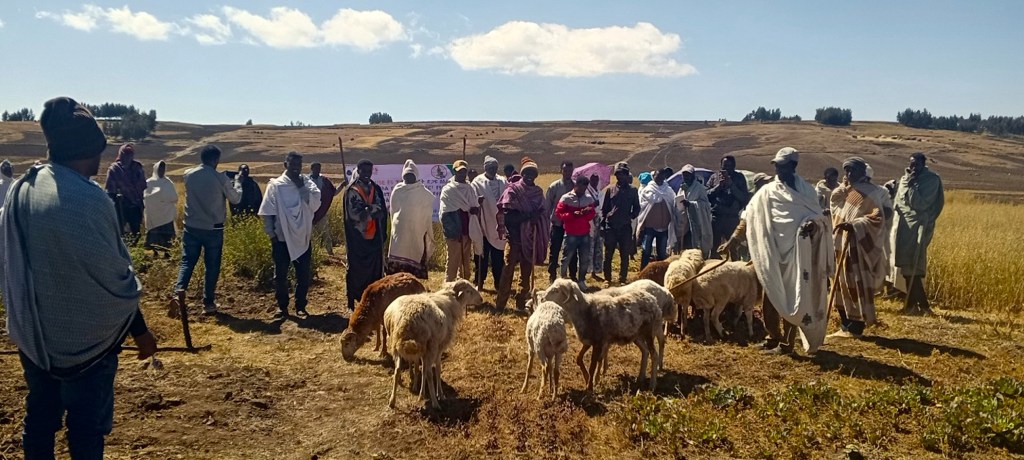
- An innovative sheep fattening business model using a revolving fund that is creating jobs and boosting household income
Participants appreciated the demand-driven technologies implemented in their woreda. Apart from praising the vegetable gardens as significant for women’s economic empowerment and the sheep fattening business model for inclusive and quick returns, participant farmers and officials described the food oat activity as “promising for changing the entire farming and food system in the area”.
Key recommendations emerging from the discussions include:
- Establishing sustainable seed systems through cooperatives and unions
- Integrating food oat and potato seed multiplication into the Sekota Declaration initiative
- Introducing oat husking machines to increase consumption and reduce the labour burden on households
- Working on infrastructure by expanding irrigation systems for scaling vegetable production
- Prioritising short-maturity varieties to escape frost and moisture stress
The event underscored how crucial it is for stakeholders to work together in collaboration. “The activities visited during the field clearly showed what is possible when researchers, farmers, government, and the private sector work together,” said Desalegn Getu, a representative from Sirinka Agricultural Research Centre. “These innovations are not just technologies; they are practical solutions to food insecurity, low productivity, and gender inequality in North Wollo.” In order to ensure long-term sustainability, participants emphasised that local government bodies and unions should take responsibility and ownership of these initiatives.
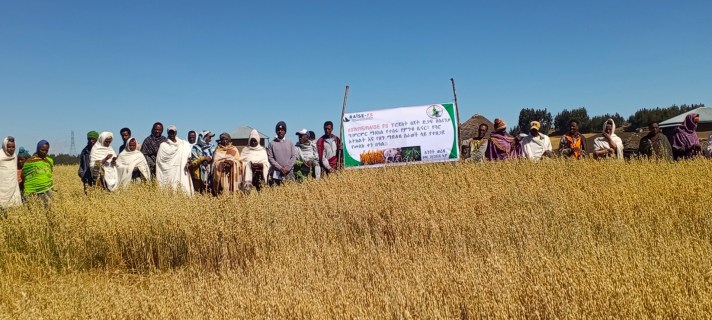

The field day demonstrated how integrated innovations in food oats, vegetables, and sheep fattening can collectively support the efforts made in addressing food insecurity, low productivity, and gender inequality in highland food-insecure areas.
 raise-fs.org