

In a significant step towards enhancing nutrition and dietary diversity in rural Ethiopia, the SWR Ethiopia RAISE-FS Project, in collaboration with the Sirinka Agricultural Research Center (SARC), organised an engaging hands-on training session on basic nutrition and food oat recipe preparation.
The training aimed to raise farmers awareness on nutrition and practical ways to incorporate diverse foods into their diets. Its primary objectives were to enhance participants’ understanding of basic nutrition, food safety, and hygiene, while also demonstrating how to prepare affordable and nutritious recipes using newly introduced food oat varieties. Special attention was given to the dietary needs of pregnant and lactating women and their families, ensuring that the training addressed critical aspects of maternal and child nutrition.
One of the standout features of the event was its couple-based approach, which encouraged husbands and wives to participate together. This initiative aimed to promote shared responsibility for household nutrition and foster gender-equitable practices.
Key activities
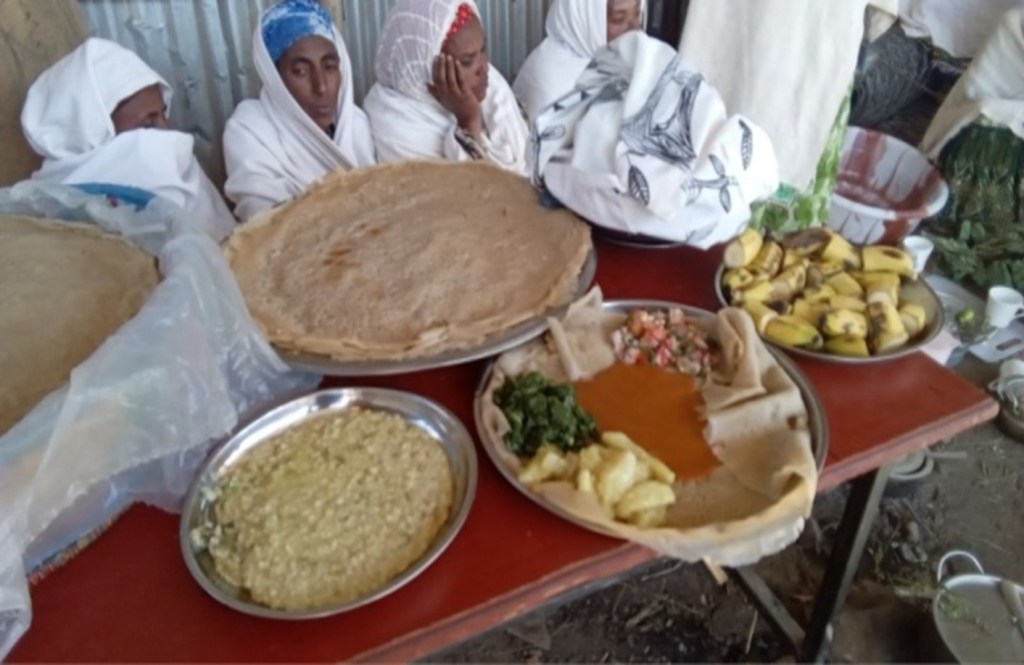
The training featured a mix of theoretical and practical activities that kept participants engaged throughout the day. The theoretical session introduced the six food groups, essential nutrition messages, and proper hygiene practices. This was followed by a live cooking demonstration where participants learned how to prepare a variety of oat-based recipes using locally available ingredients such as carrots, potatoes, bananas, Ethiopian kale, vegetables, spices, and oil.
Some of the dishes prepared during the session included oat bread, oat-based soup, oat injera, and oat kita (pancakes). Participants not only observed the preparation process but also had the opportunity to taste each dish. They evaluated the recipes based on flavour, texture, appearance, and overall acceptability. The feedback was overwhelmingly positive—many participants praised the pleasant taste and quality of the oat-based dishes. In fact, several noted that oat kita, bread, and injera compared favourably to similar dishes made from traditional barley and wheat.
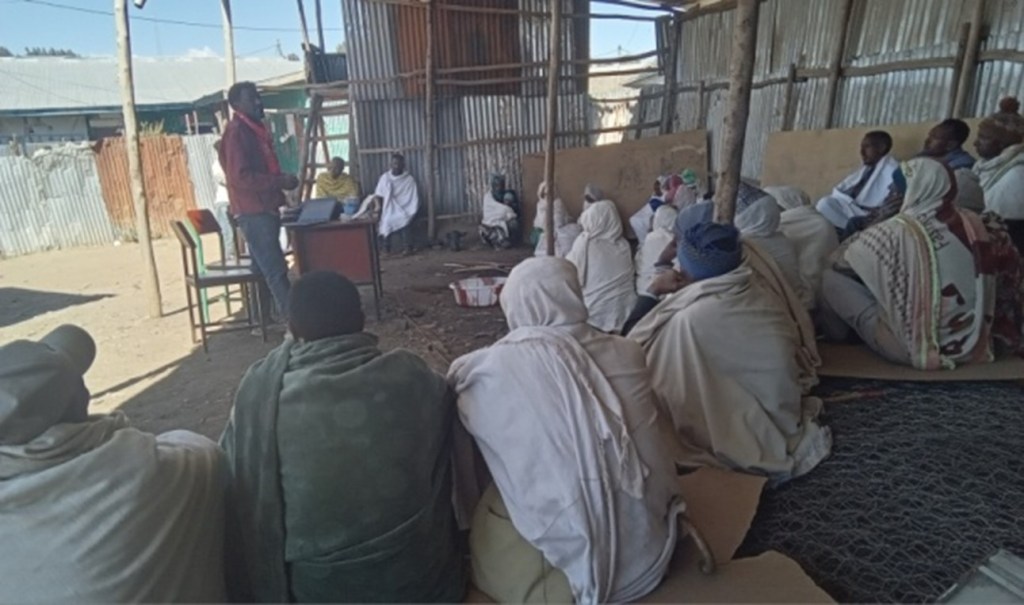
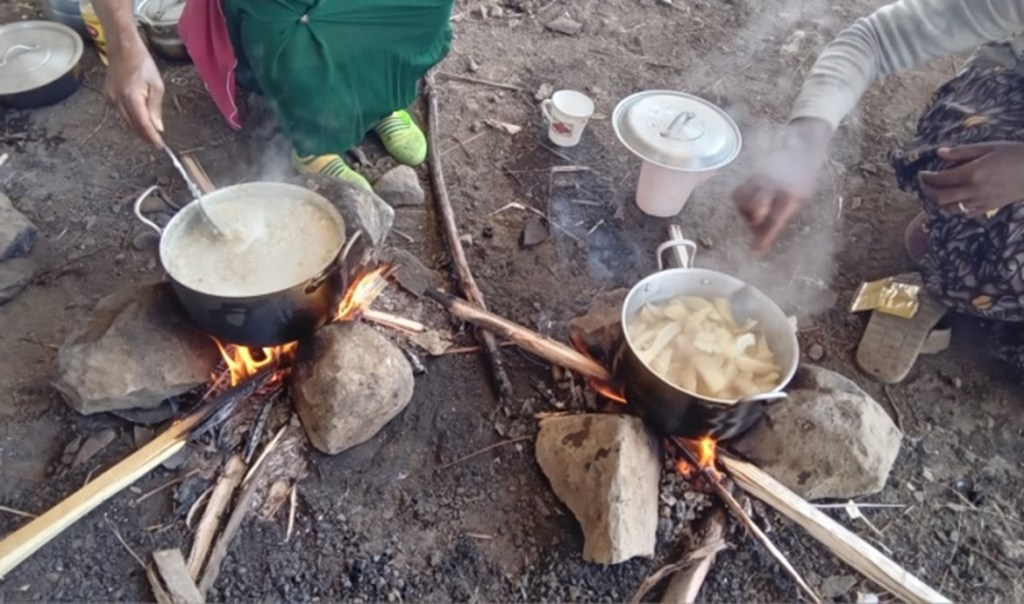
The feedback session at the end of the program highlighted the impact of the training. Participants expressed their appreciation for the hands-on approach and the involvement of both men and women in learning about household nutrition. Many showed a strong interest in sharing their newfound knowledge with their communities, citing the superior flavour and nutritional benefits of food oats.
Here are some key takeaways from participant feedback:
- Appreciation to Sirinka ARC and the RAISE-FS project for incorporating couples and combining technology scaling with hands-on nutrition instruction.
- A strong interest in passing what they have learned related to food oats to their communities because of its superior flavour and established nutritional advantages.
- Request for ongoing interactive training programs that help professionals, researchers, and farmers develop their abilities, self-assurance, and cooperation.
The training’s success has inspired Development Agents (DAs) to cascade these lessons and demonstration of recipes within their respective kebeles. Woreda experts also emphasised the importance of hands-on approaches in improving maternal and child nutrition outcomes.
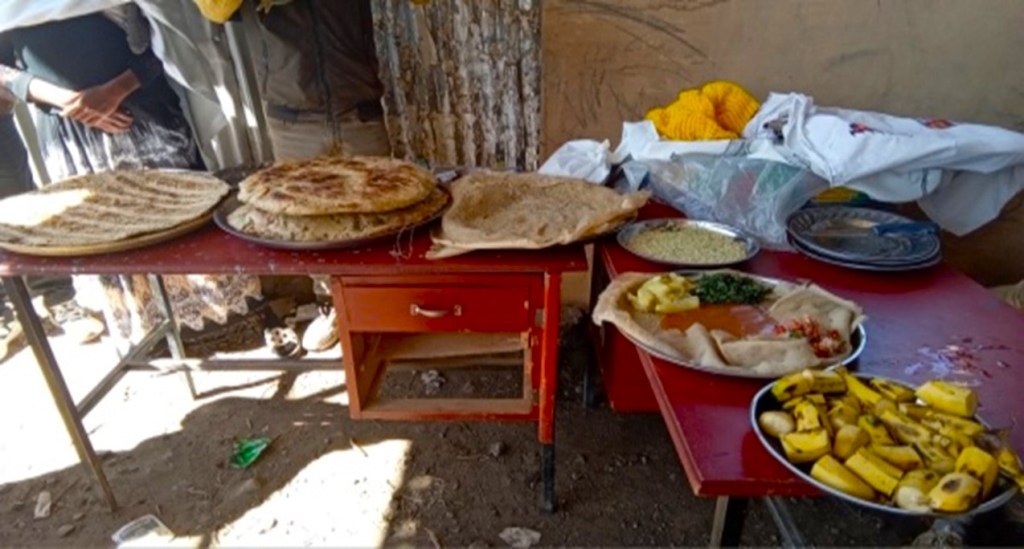
It is expected as participants return to their homes with new recipes and insights, they will take with them the potential to reshape dietary habits in their communities. The integration of food oats into traditional diets not only offers a nutritious alternative but also paves the way for a more sustainable and diverse food system in Ethiopia.
Held in Angot Woreda, this event brought together 51 participants, including farmers, development agents (DAs), nutrition and gender experts, and researchers, to explore the potential of food oats as a nutritious and affordable dietary option.
 raise-fs.org