
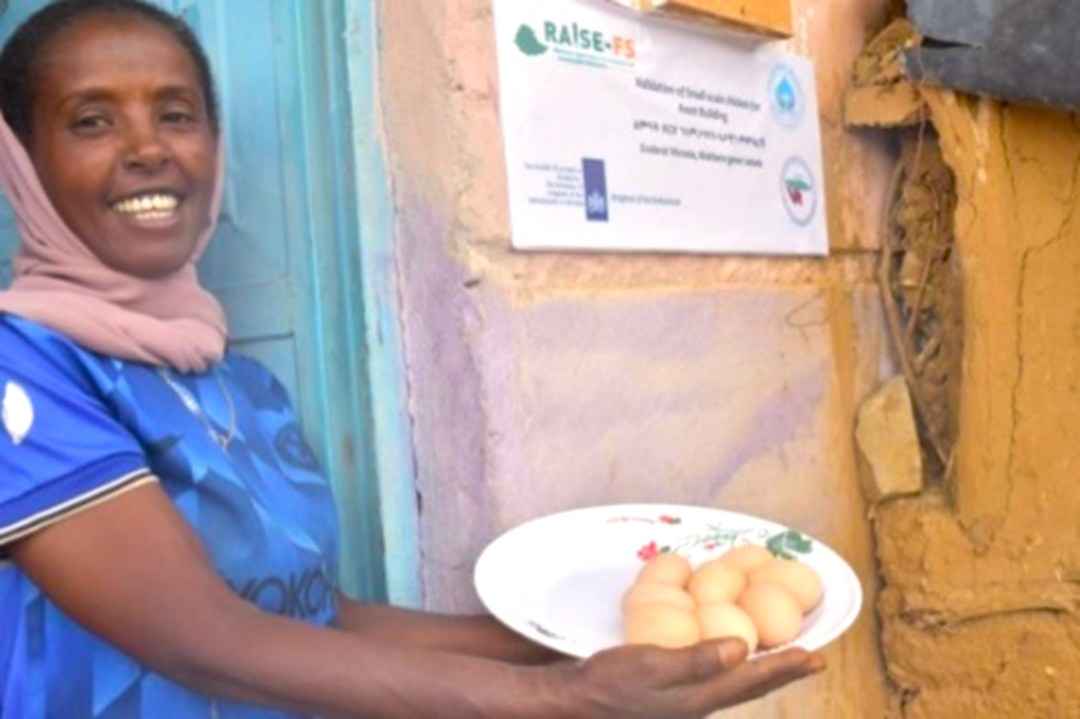
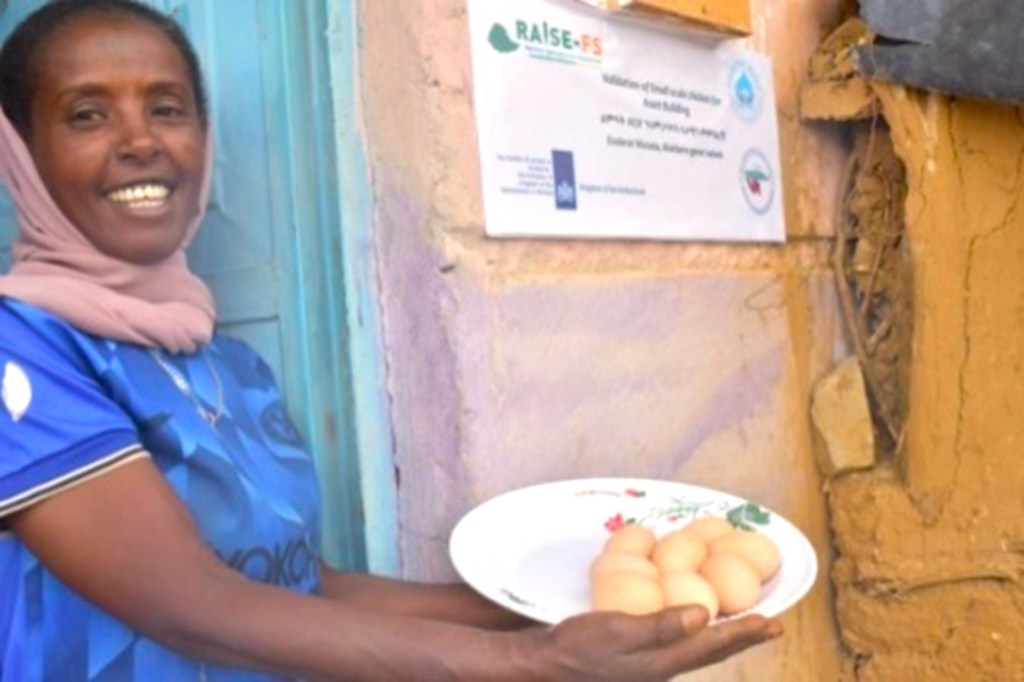
In the face of adversity, finding sustainable solutions to improve livelihoods and empower marginalized communities is a challenge worth due attention. In the Tigray region of northern Ethiopia, where crises like armed conflict, recurrent drought, and locust invasions have devastated food systems and livelihoods, poultry production has emerged as an opportunity to empower rural livelihoods. In this regard, poultry production was promoted, targeting female-headed households in Atsbi and Enderta woredas to showcase its role in building resilience, enhancing nutrition, and creating assets.
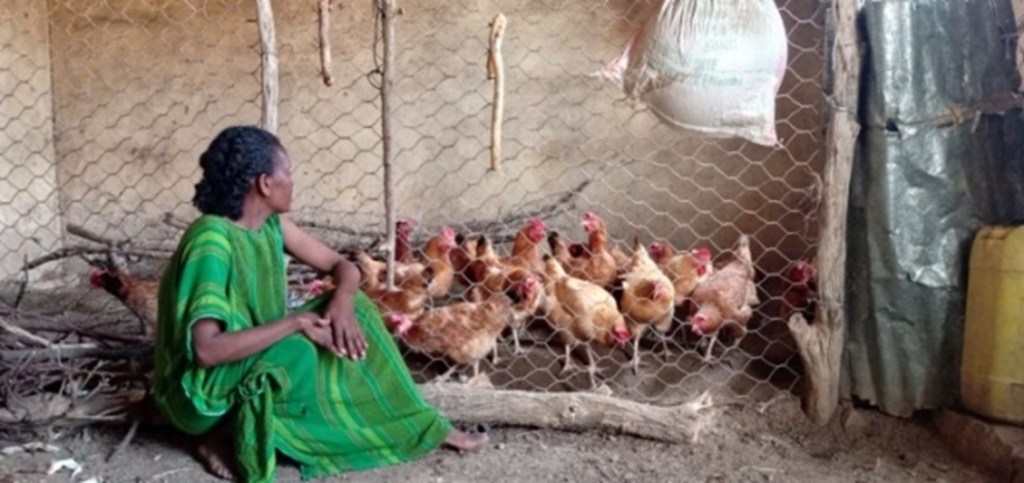
Why Poultry Production?
Poultry farming has proven to be a game-changer in vulnerable communities for several reasons:
Low initial investment: Compared to other livestock, poultry requires minimal land and capital while offering quick returns through eggs and meat production.
Nutritional benefits: Chicken meat and eggs are rich in high-quality protein and essential micronutrients, contributing significantly to household nutrition.
Empowering women: Poultry farming promotes gender equity by enabling women to take charge of income generation and household decision-making.
Adaptability: Sasso dual-purpose chicken breeds, introduced by Ethio Chicken, are specifically adapted to local conditions and outperform indigenous breeds in growth rate, egg production, and carcass yield.
The initiative: A life-changing opportunity
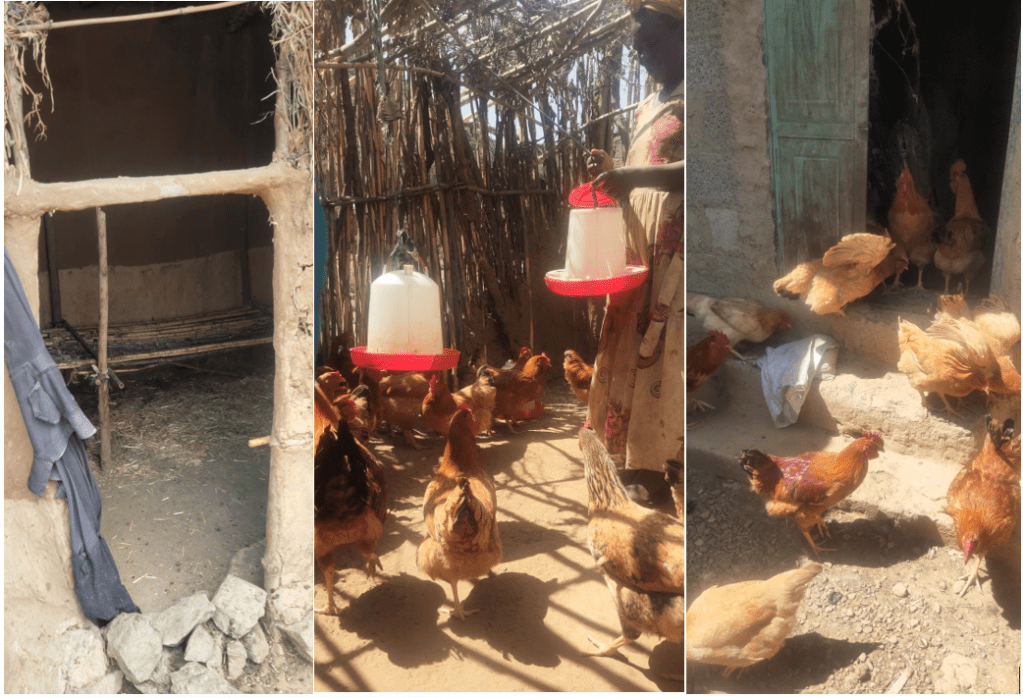
The RAISE-FS project, together with Tigary Agricultural Research Institute (TARI) as implementing partner, piloted a poultry-based asset-building program targeting 40 female-headed households in Atsbi and Enderta districts. These households were selected based on their vulnerability due to war and poverty. Each participant received:
- 30 Sasso dual-purpose chickens.
- Feeders, drinkers, and 70 kg of feed.
- Training on poultry husbandry, feeding, housing, and health practices.
Farmers were also supported with technical guidance and vaccines for their chickens. This holistic approach aimed to restore livelihoods while empowering women to lead the way in transforming their households.

Egg-cellent achievements
The initiative yielded remarkable outcomes in Nutrition, Income, and Empowerment:
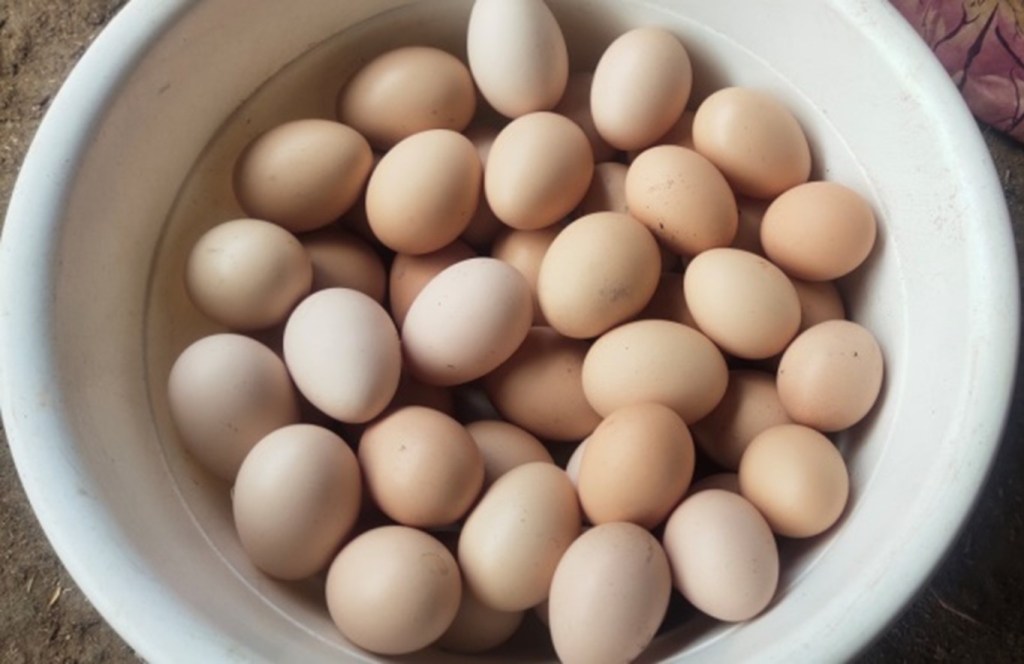
Improved egg production: Farmers in Atsbi achieved a higher egg production rate of 72.7% compared to Enderta’s 57.1%, while Enderta had slightly heavier eggs at 58.5g versus Atsbi’s 56.1g.
Enhanced meat production: At 45 days old, Sasso chicks averaged 450g in Atsbi and 500g in Enderta. By 11 months, hens reached approximately 2166g in Atsbi and 2125g in Enderta, while cocks weighed up to 2701g.
Reduced mortality rates: Chick mortality was lower in Enderta (1.44) than in Atsbi (5.79) due to improved housing, feeding, and healthcare practices. Atsbi faced greater challenges, including cold stress, disease outbreaks like coccidiosis, and predators.
Asset building: Poultry farming enabled families to purchase sheep, household equipment, school supplies, seeds, and fertilizers. It also strengthened savings habits through microfinance institutions.
Women’s empowerment: Women played a leading role in poultry-related activities, including production, marketing, income control, and consumption decisions. Their involvement reached 89% in income control and 84% in marketing activities.
Lessons Learned
The initiative highlighted critical factors for success:
| Housing quality: proper housing significantly influenced chicken performance and biosecurity. |
| Vaccination: timely vaccination reduced mortality rates and improved productivity. |
| Feed supply: ensuring access to sustainable feed is vital for long-term success. |
| Training: continuous capacity-building efforts enhanced farmers’ skills in poultry management. |
| Dependency challenges: some farmers developed reliance on external support, implying the need for sustainable practices. |
Challenges faced
Despite its success, the program encountered several hurdles:
- Limited biosecurity measures and inadequate housing impacted performance.
- Diseases like coccidiosis affected chicken health.
- Predation by monkeys, foxes, and snakes posed risks.
- Feed shortages led some farmers to sell part of their flock as a coping mechanism.
Conclusion: A Path to resilience
Poultry production has proven to be a powerful tool for transforming vulnerable households into resilient ones. The initiative in Atsbi and Enderta districts demonstrated how a small flock of chickens could improve nutrition, generate income, empower women, and build assets for the future.
Potential for scaling up
To enhance the sustainability and the impact of such initiatives on vulnerable communities, efforts should focus on expanding availability of improved breeds, offering continuous training on chicken management, and establishing local feed supply systems utilizing available resources. Emphasis should also be placed on promoting climate-resilient housing designs for small-scale farmers and empowering women through cooperative leadership models. These initiatives aim to transform poultry farming into a tool for fostering hope, resilience, and sustainable development, ultimately improving the livelihoods of disadvantaged populations globally.
Based on experiences and lessons from this initiative, stakeholders are making efforts to establish local, cost-effective feed supply systems using readily available resources and to promote climate-resilient, low-cost poultry housing to minimize losses and boost productivity. Women’s economic empowerment is being prioritized through the reinforcement of poultry cooperatives and leadership opportunities.
Additionally, the lessons learned from the RAISE-FS program are being documented and shared with key stakeholders such as the Bureau of Agriculture, job creation agencies, and microfinance institutions. This documentation serves to provide evidence, advocate for institutional backing, foster collaboration among stakeholders, and ensure the long-term sustainability and expansion of poultry farming as a critical avenue for food security,
 raise-fs.org