
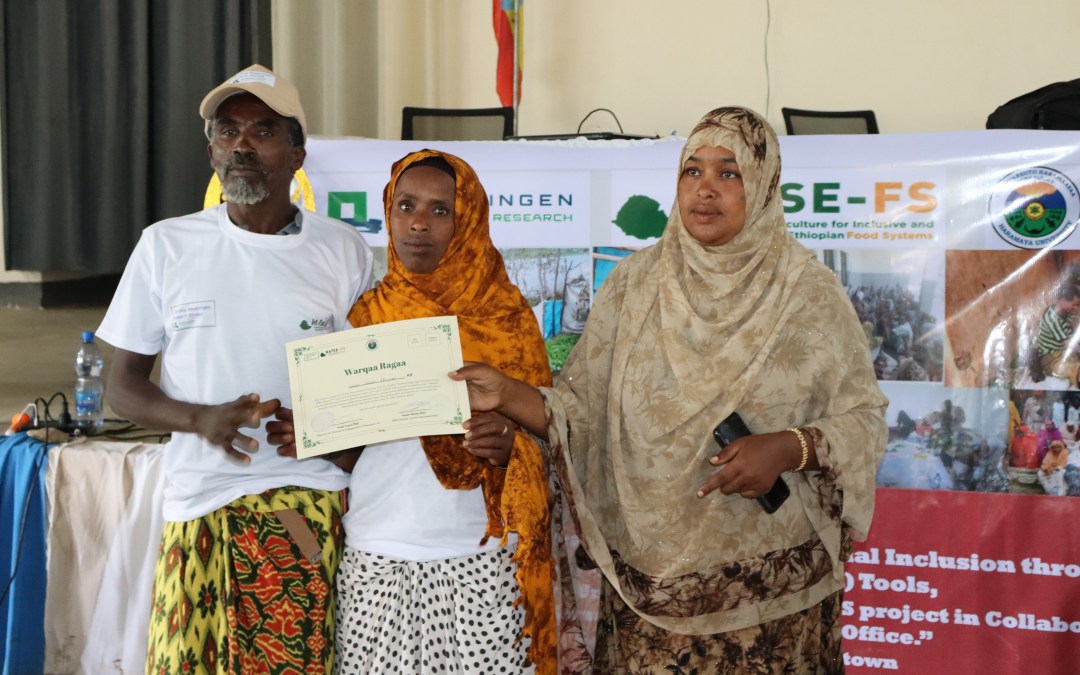
Kersa woreda celebrated significant achievements in improving gender equality through the implementation of Social Analysis and Action (SAA) tools. This initiative, a collaborative effort by the SWR Ethiopia RAISE-FS project and Haramaya University, alongside local stakeholders, aims to challenge traditional gender norms and promote equitable relationships within households and communities.
Recognizing progress and key contributors
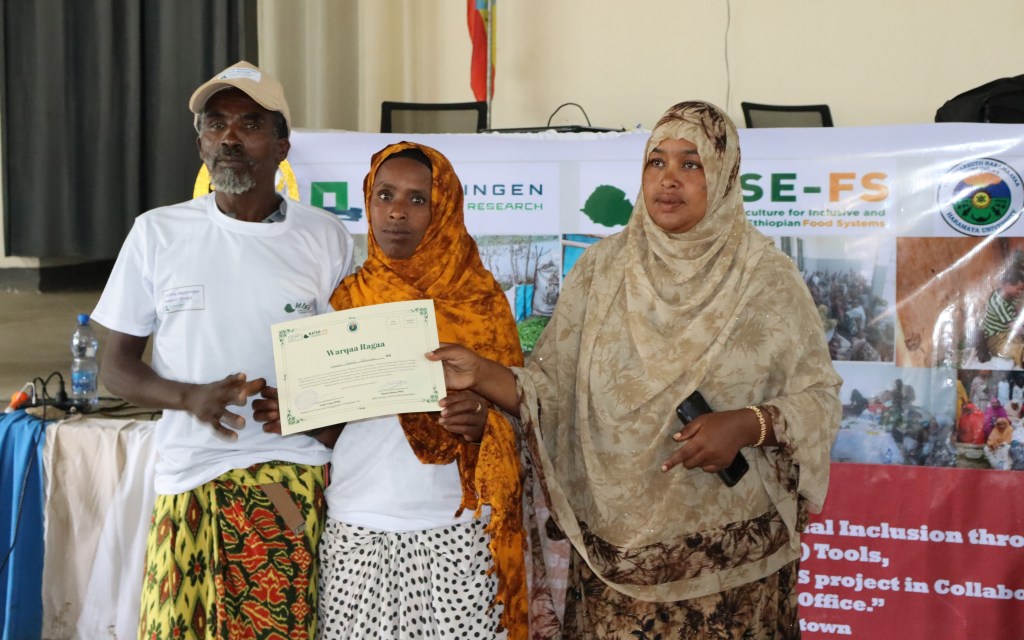
The event underscored significant progress in tackling gender inequalities and acknowledged the vital contributions of various stakeholders. A highlight of the occasion was the recognition of twenty model couples who had successfully completed SAA-based gender transformation training. These couples were honoured with certificates of appreciation for their active participation in the training process and their efforts to cascade the knowledge and skills gained to their communities and households. By fostering shared decision-making, mutual respect, and equitable gender roles, they exemplified the positive impact of the training.
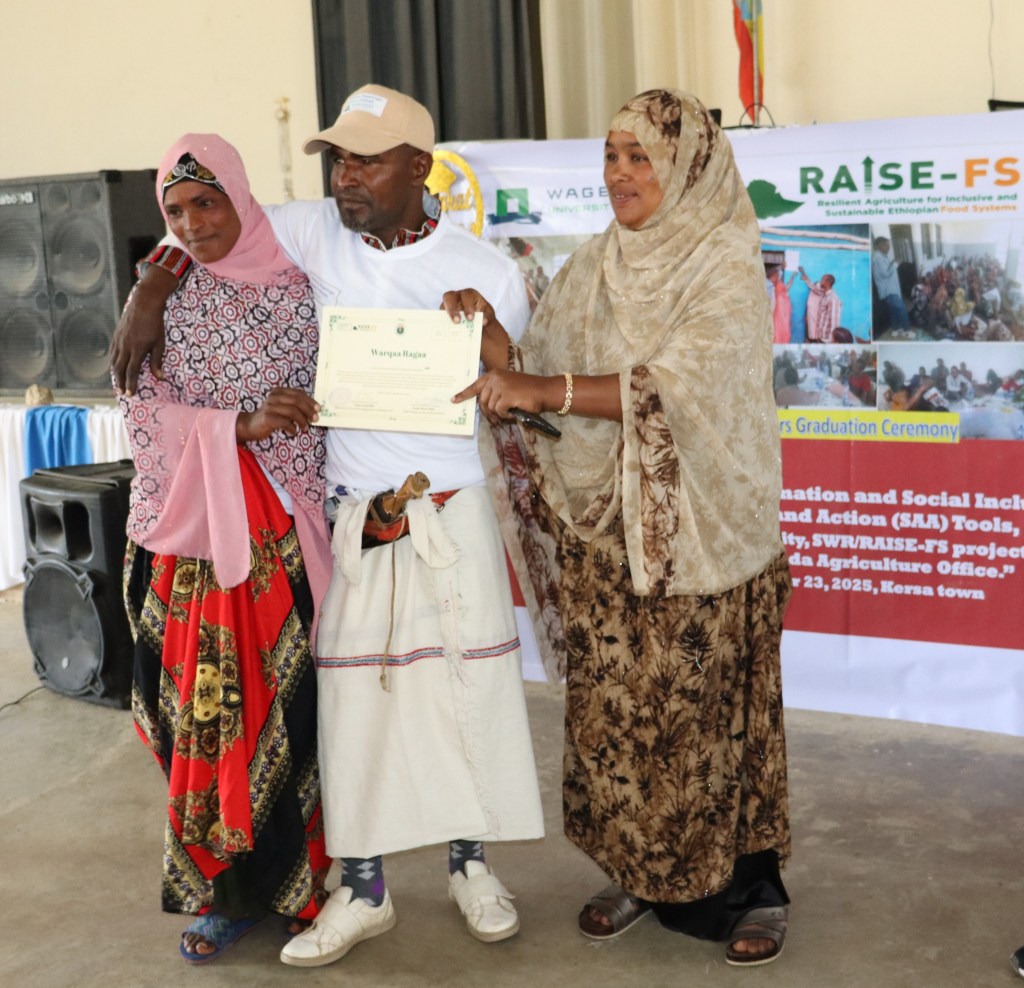
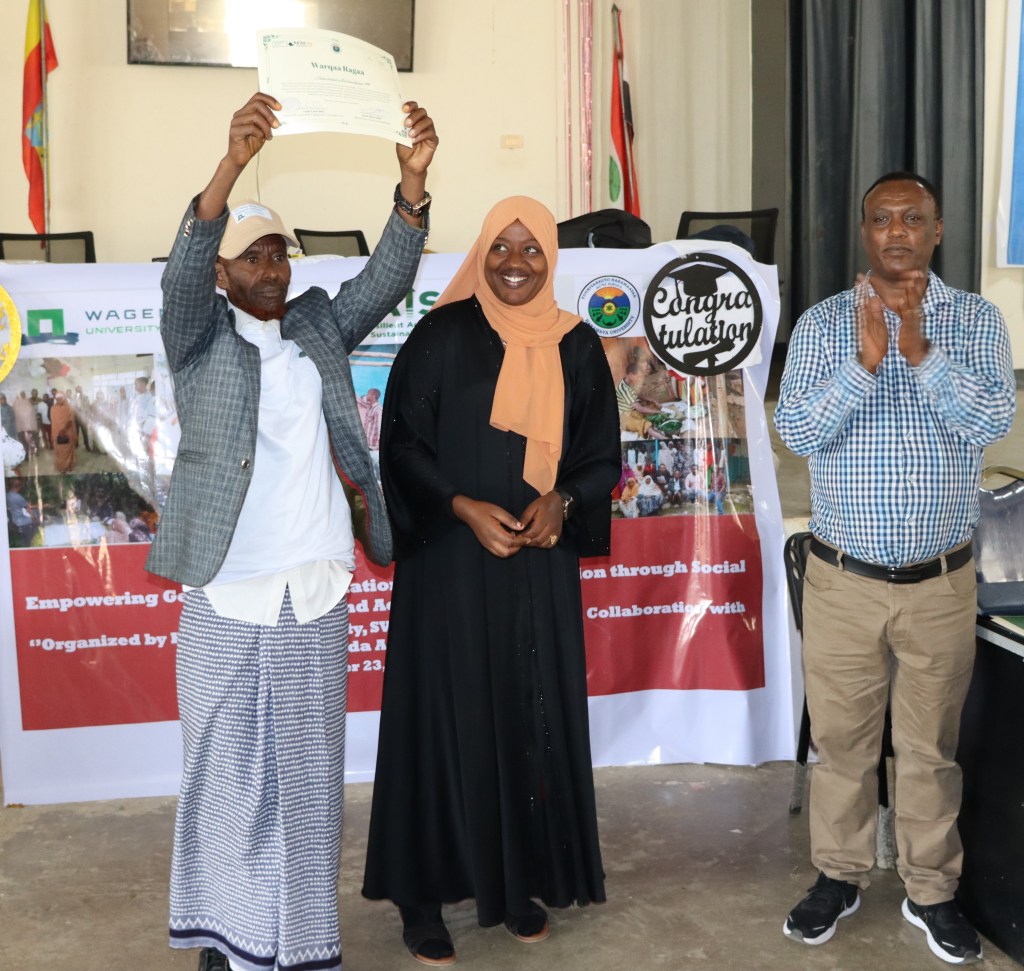
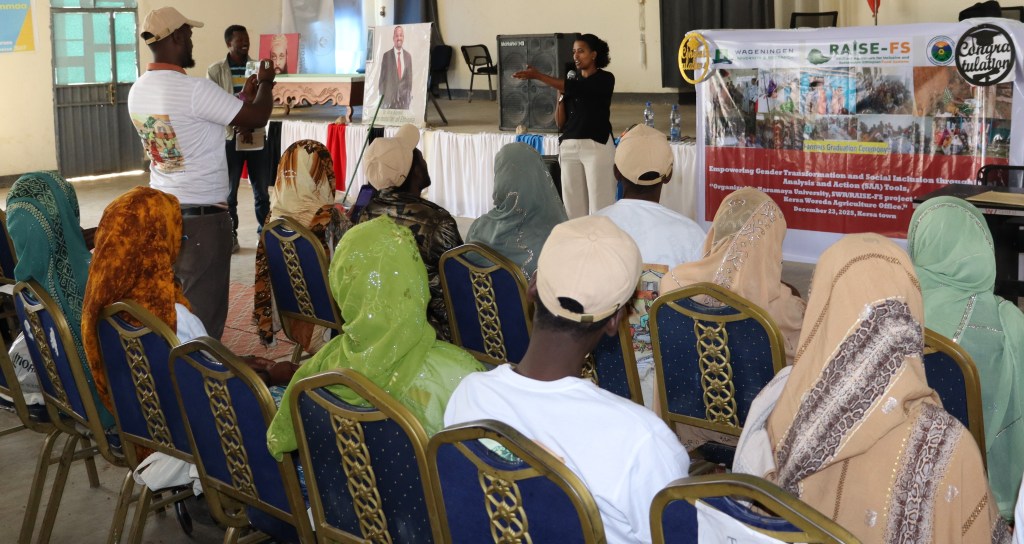
Additionally, the couples demonstrated the practical application of SAA tools, showcasing how these tools have helped challenge and transform traditional norms and behaviours. To further emphasize the impact of the training, the graduates performed a role play that illustrated the challenges faced within their communities and how open discussions and shared experiences through SAA training have helped to address and overcome these issues.
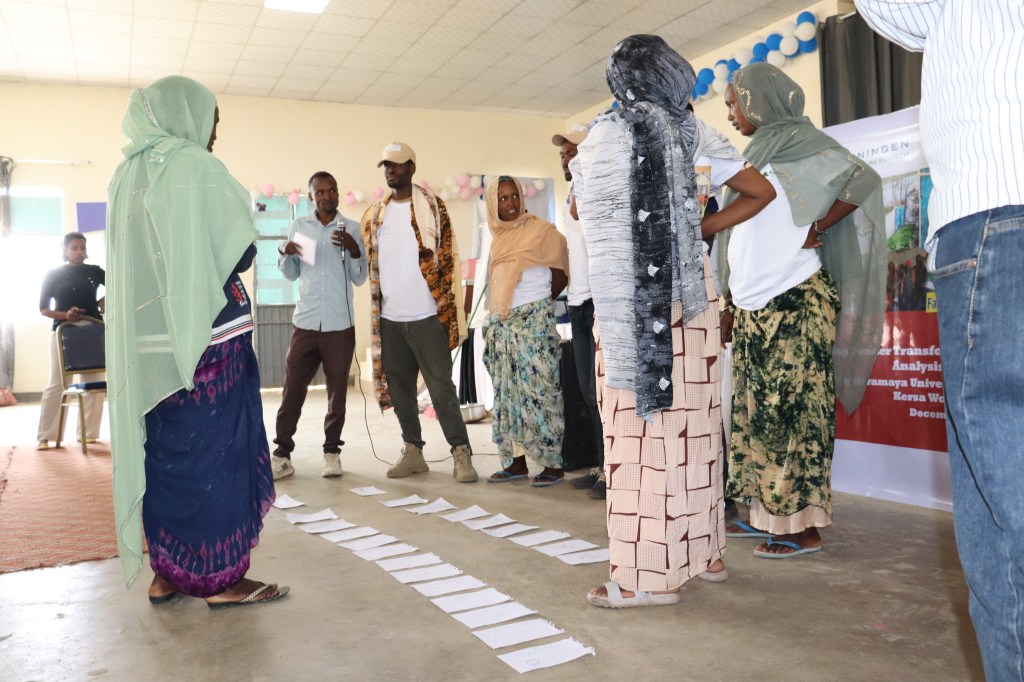
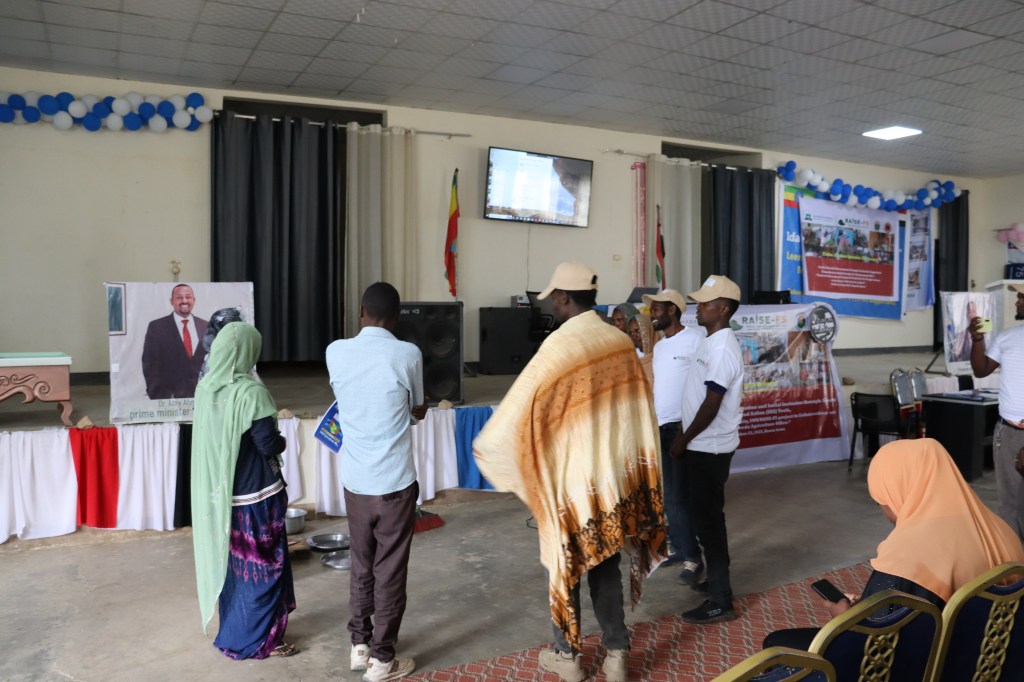
The celebration also acknowledged the efforts of key community gatekeepers and local institutions. Religious leaders, traditional figures like Abba Gadaa and Hadha Sinqees (companion leaders), kebele officials, development agents, and health extension workers were recognized for their advocacy and support in creating an environment conducive to promote the SAA and social change.
A promising path forward
The event concluded with a productive discussion on the future direction, highlighting the need to sustain, institutionalise, and roll-out the SAA-based gender transformation approach beyond the two pilot kebeles and the duration of the SWR Ethiopia RAISE-FS project phase. Significant commitments were made by the Kersa Woreda Office of Agriculture, Haramaya University, and the Kersa Woreda Women and Children Affairs Office. These institutions pledged to collaborate and work jointly to broaden the reach of the approach and scale it up to additional kebeles in partnership with other development partners operating in the woreda. The discussion emphasized integrating gender transformation approaches into regular extension services, community structures, and development programs to ensure a long-term and sustainable impact.
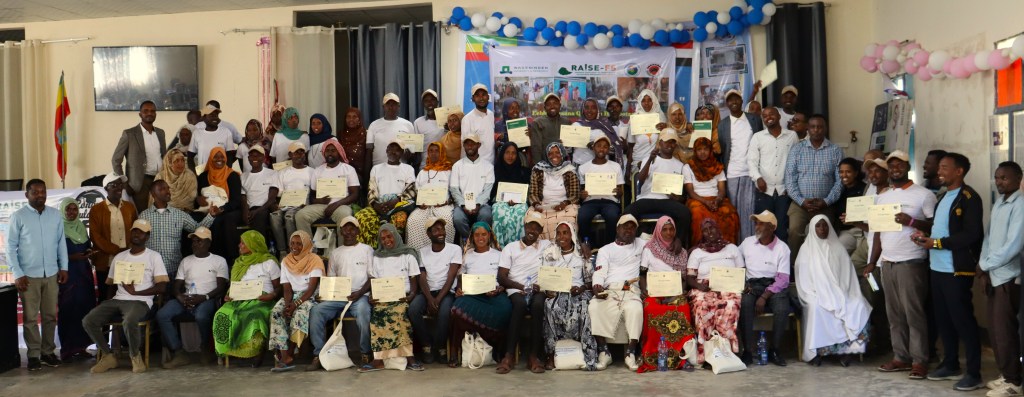
The event brought together a diverse group of stakeholders, including representatives from the Kersa Woreda administration, Haramaya University, the Woreda Women and Children Affairs Office, non-governmental organizations like World Vision and the International Rescue Committee (IRC), as well as local media outlets. This broad participation underscored a collective commitment to sustaining and scaling up gender transformation efforts.
The occasion garnered attention from local media outlets, which significantly amplified its core message of promoting gender equality and equitable distribution of household responsibilities. The event was further enriched by a traditional Hararghe music and dance performance known as “Shaggooyyee,” inspiring the gathering with cultural significance. This performance served as a profound symbol of community pride and solidarity, reflecting a collective commitment to fostering social transformation and progress.
 raise-fs.org