
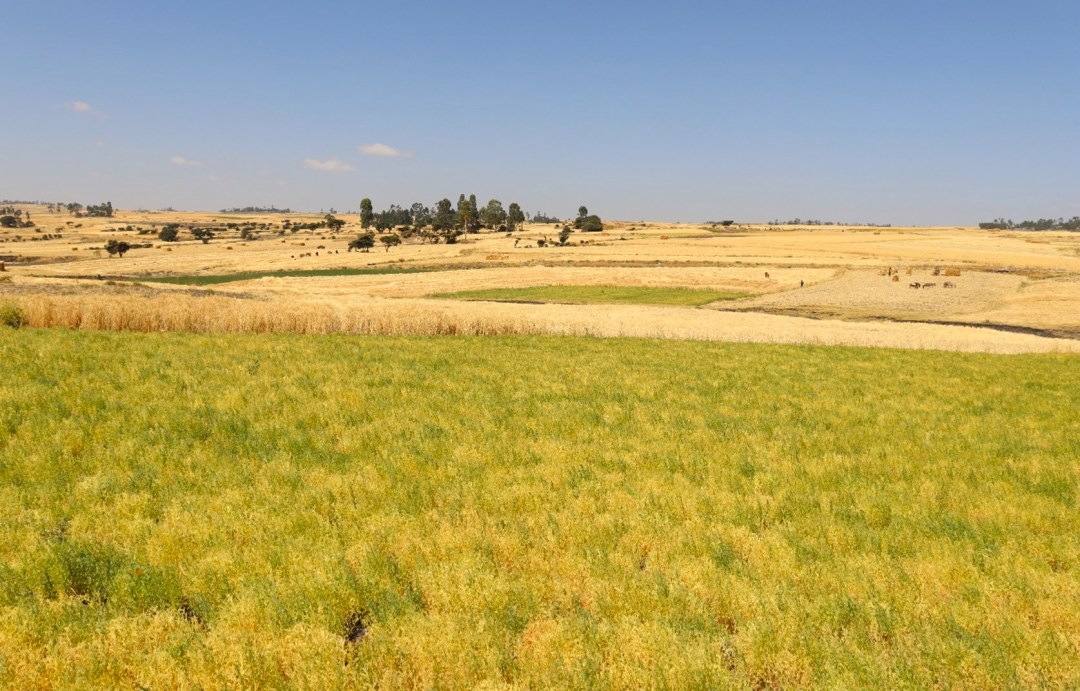
In a collaborative effort to revive Ethiopia’s once-thriving lentil production, the SWR Ethiopia’sRAISE-FS project has been working jointly with the Ethiopian Institute of Agricultural Research (EIAR) and Bishoftu Agricultural Research Centre (BARC) to scale up lentil innovation bundles in Gumbichu woreda. This initiative, in partnership with local stakeholders, aims to tackle the pressing challenges that have constrained lentil cultivation and productivity over the past two decades.
The decline of lentil production
Lentils were historically a key cash crop and an essential component of crop rotation systems in cereal-dominated areas such as Ada’a and Gumbichu woredas. However, the widespread outbreak of fungal diseases and other lentil pests, coupled with poor agronomic practices and limited access to improved varieties, led to a sharp decline in lentil production. Farmers were forced to abandon lentils, shifting instead to continuous cereal farming dominated by wheat and teff. The decline in lentil production has had far-reaching consequences. Ethiopia, once a major lentil producer, became a net importer of the crop, incurring significant foreign currency costs. Locally, the drop in production reduced household incomes, limited lentil consumption, and curtailed employment opportunities for women and youth engaged in lentil value chains. Lentil processing companies also faced setbacks due to insufficient raw materials supply.
Lentil innovation bundle
To address these challenges, the project in collaboration with BARC introduced a comprehensive lentil innovation bundle. This bundle includes improved lentil varieties, Integrated Pest Management (IPM) practices, and strengthened agricultural extension services. By targeting critical leverage points in the lentil production system, the initiative aims to restore farmers’ confidence in lentil cultivation.
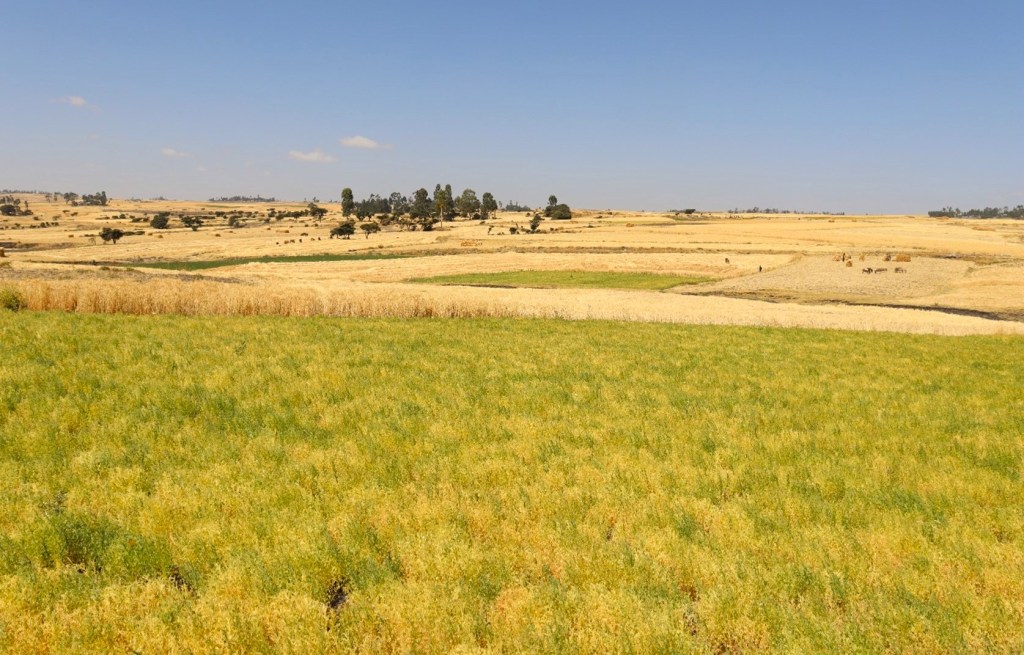
The results have been promising. Demonstration plots in Ada’a woreda over the past three years showcased significant improvements in productivity, encouraging the expansion of these innovations to two kebeles in Gumbichu Woreda in this year. The scaling readiness approach has proven effective in engaging farmers and stakeholders alike.
Field visits to showcase the lentil innovation sparks hope and interest
The lentil innovation bundle has demonstrated encouraging performances. To show the field level performances of the bundle and roll out the technology, a field day was organized at Habru Seftu kebele in Gumbichu woreda. The event, held in collaboration with the Woreda Agriculture and Land Office and kebele administration, aimed to raise awareness, create demand, and facilitate knowledge sharing among farmers and stakeholders.
The event began with blessings from local elders, who expressed gratitude for the reintroduction of lentil farming in their community. Representatives from BARC and RAISE-FS highlighted the achievements of the initiative and discussed its potential for income generation, soil fertility improvement, and food system transformation.
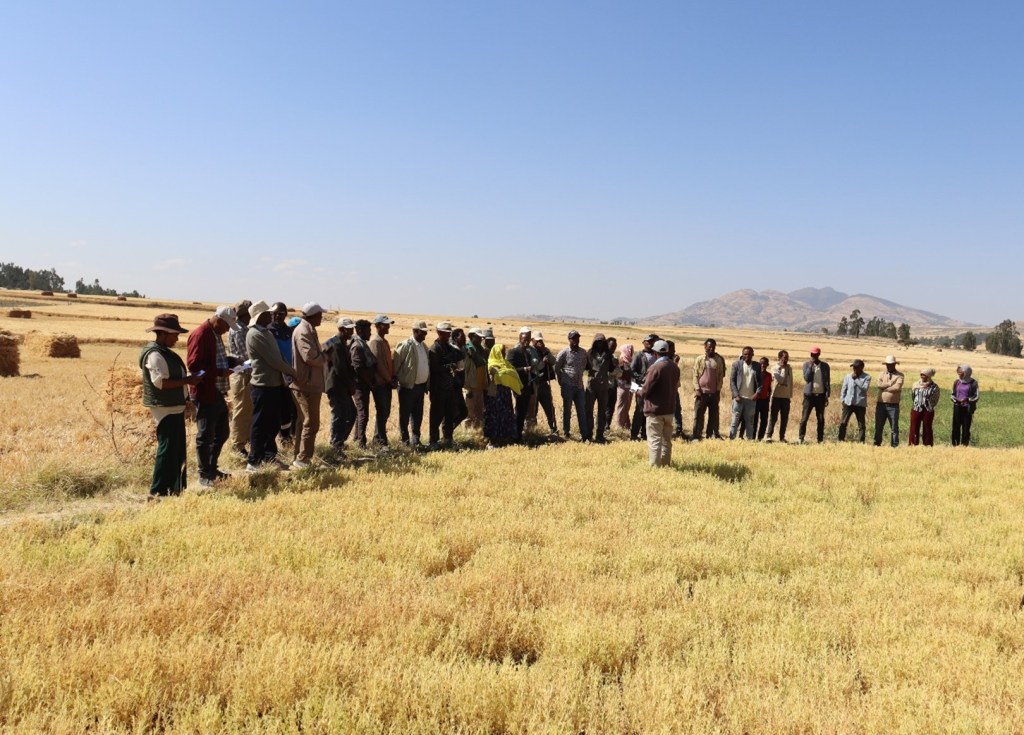
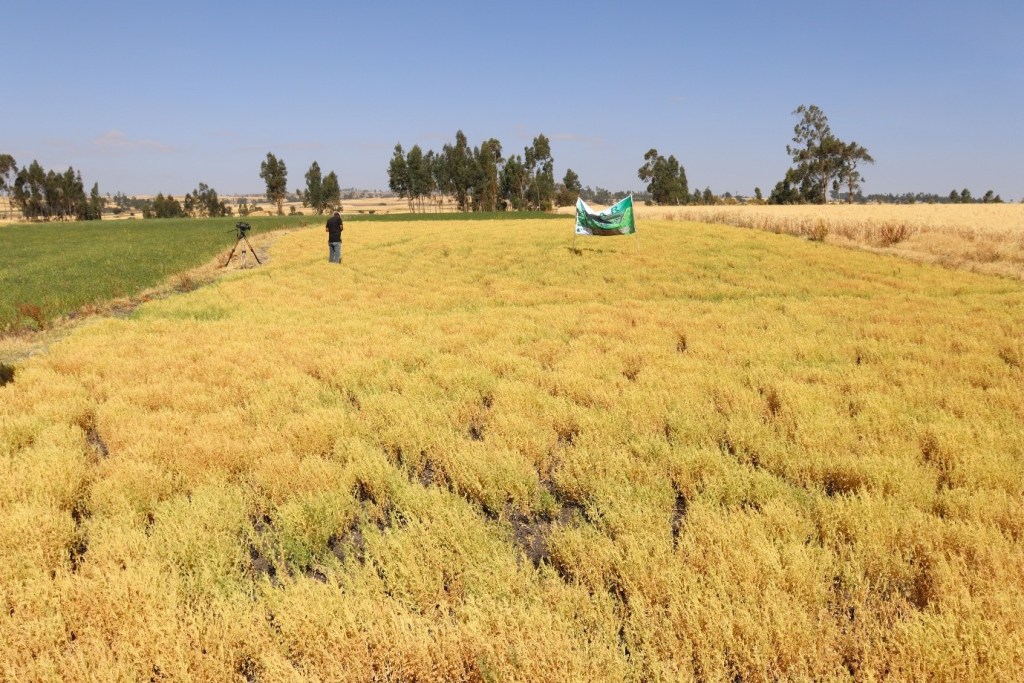
Farmers who hosted demonstration plots shared their success stories during the field visit. They emphasized that adhering to recommended practices and utilizing the full innovation bundle significantly boosted their lentil yields. Women participants highlighted the economic impact of lentil sales, noting that the additional income had allowed them to open bank accounts for the first time and invest in improved housing.
Challenges and strategies to ensure sustainability
Despite these successes, challenges remain. Farmers raised concerns about accessing improved seed varieties such as Furi and Baredu for the upcoming planting season. In response, BARC and SWRE/RAISE-FS have partnered with private seed producers and cooperatives in Ada’a and Gumbichu woredas to address these challenges. Efforts include providing basic seeds, building capacity among seed producers, and initiating Early Generation Seed (EGS) production to meet growing demand.
A revolving seed scheme and farmer-to-farmer seed exchange mechanisms have also been introduced as sustainable solutions for ensuring access to quality seeds. Experts from BARC emphasized that sustainable lentil production requires implementing the full innovation bundle, including IPM practices, proper land selection, drainage management, crop rotation, and soil fertility management.
In his closing remarks during the field day, a representative from the woreda Agriculture Office underscored the importance of diversifying farming systems currently dominated by wheat and teff. He highlighted that adopting lentil technologies would not only boost household incomes but also enhance soil health through improved crop rotation practices, thereby supporting more sustainable crop production.
The lentil innovation bundle guideline can be accessed here: <link>
 raise-fs.org