
Effective pesticide management is essential for ensuring sustainable agricultural practices and safeguarding public health. In the Tigray region of Ethiopia, the urgent need for improved pesticide governance has come to light through a study conducted by Sticthing Wageningen Research Ethiopia RAISE-FS project in collaboration with Mekelle University. This research, focusing on pesticide life cycle management, has highlighted critical gaps in training, awareness, and regulatory frameworks, prompting calls for immediate action.
Findings on pesticide practices
The study uncovered several concerning trends. An overwhelming 67.1% of respondents reported having never received training on pesticide management, while 82.5% were unaware of Integrated Pest Management (IPM) practices. Farmers frequently mixed multiple pesticides, often exceeding recommended doses and applying them up to 24 times per season. Alarmingly, only a small fraction of farmers used complete personal protective equipment (PPE), with many engaging in improper storage and disposal practices. Nearly half (44.3%) stored pesticides inside their homes, and 63.7% discarded empty containers in fields or rivers. Additionally, pre-harvest intervals were often ignored, increasing the risk of pesticide residue contamination in food products.
Pesticide traders were found to face similar challenges. Over half (58.3%) had not received formal training, while 86.1% did not sell PPE alongside pesticides. Furthermore, 72.2% lacked proper storage safety equipment, and illegal pesticide trading was reported by 69.4% of traders.
Consumers were also found to have limited awareness of pesticide residues in food. A staggering 89.4% of consumers admitted to having little or no knowledge about pesticide residues, and nearly half did not perceive any health risks associated with consuming contaminated food.
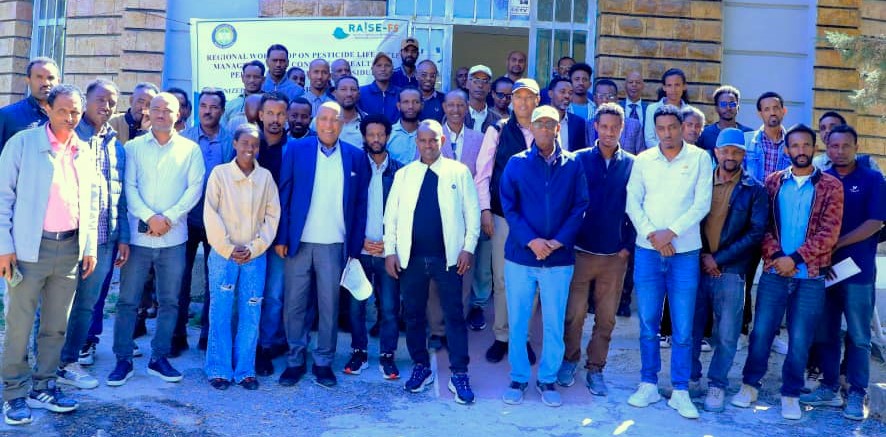
Using these findings as a foundation, a consultative workshop titled “Pesticide Life Cycle Management and Consumer Health Risk Perception of Pesticide Residues” was organized. The workshop brought together stakeholders to discuss the study’s implications and emphasized the urgent need for improved governance and regulatory frameworks.
Calls for regulatory reform and next steps
The findings presented during the workshop were met with widespread concern and underscored the urgent need for a robust regulatory framework to address the region’s pesticide-related challenges. Participants emphasized that the evidence provided by the RAISE-FS project offers a solid foundation for persuading policymakers to take appropriate action.
Prior to the workshop, a technical team had already been established to draft a regional pesticide use regulation. Members of this team attended the event and acknowledged the significance of the study’s findings in guiding their work. Recognizing the expertise of the RAISE-FS project team, the Head of the Tigray Bureau of Agriculture and Natural Resources formally invited them to join the regulatory drafting process.
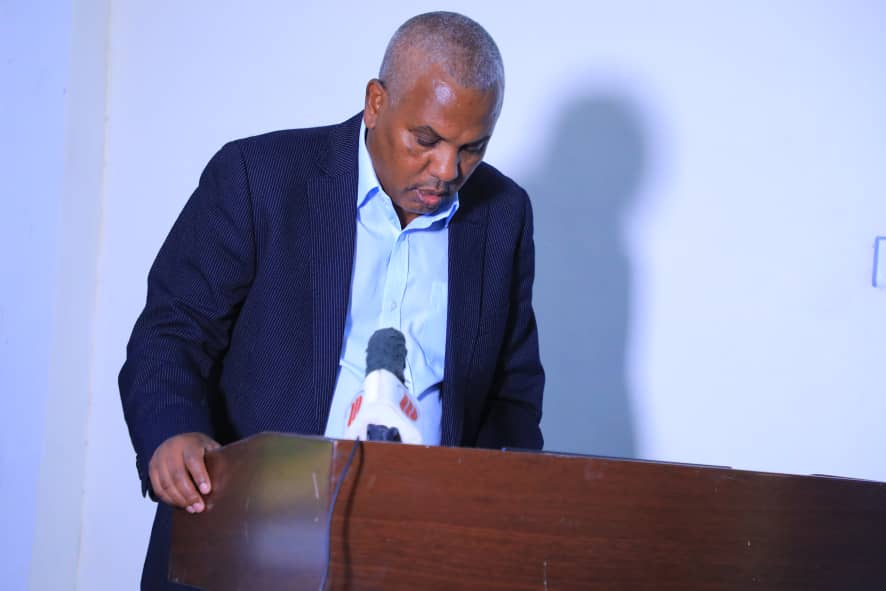
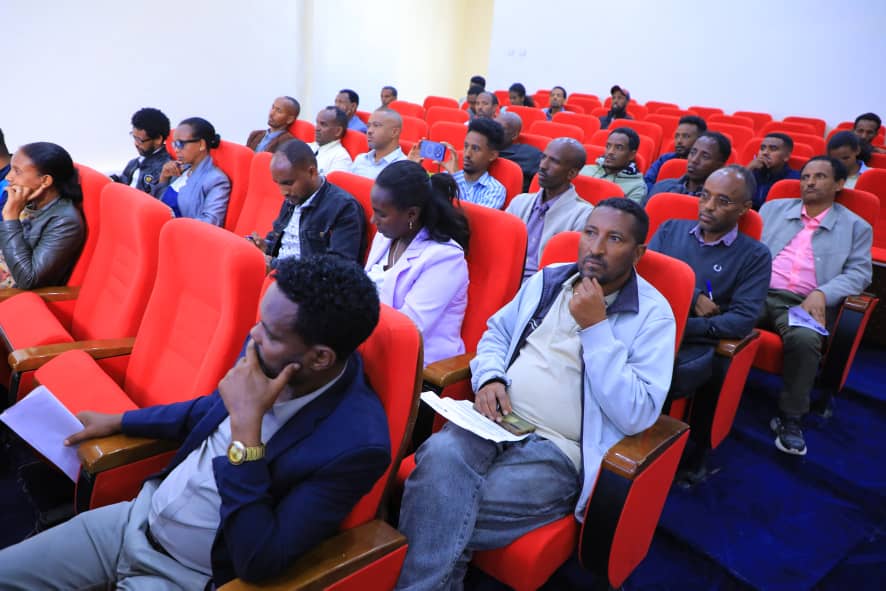
On December 22, 2025, a high-level meeting with the presence of the President of the Interim Government of Tigray. During this discussion, stakeholders reviewed the progress made on developing a regulatory framework for pesticide management in the region. The draft regulation has since been submitted to the Interim Government Council for endorsement.
Next steps
The study conducted by SWR Ethiopia RAISE-FS project in collaboration with Mekele University significantly contributed for the ongoing effort in addressing critical issues related to pesticide use and management in Tigray. The RAISE-FS project continues to play its role in bridging research and policy, ensuring evidence-based solutions are implemented to safeguard public health and promote sustainable agricultural practices, not only in Tigray but across Ethiopia. As the region awaits formal adoption of the regulatory framework, this collaborative effort highlights the importance of research-driven policymaking in tackling pressing environmental and health challenges.
 raise-fs.org