
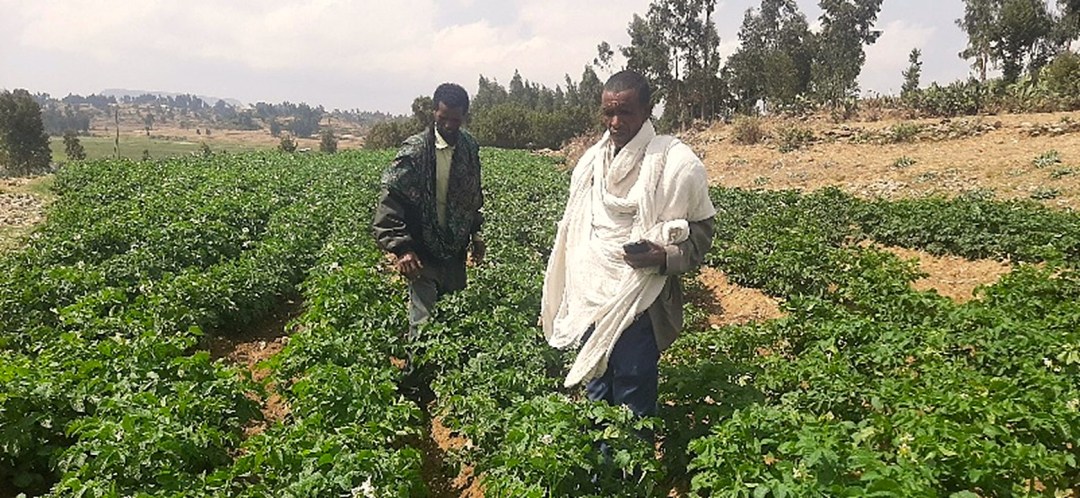
Potatoes are a vital source of food and income for smallholder farmers in Tigray region, Ethiopia. However, productivity in the region has lagged behind national averages. To address this, the RAISE-FS project, in collaboration with its implementing partners, has introduced potato innovation bundles in Tigray’s Tsaeda Emba and Atsbi woredas to demonstrate evidence of innovation for scaling. With a focus on improved varieties, quality seed systems, and advanced crop management, the initiative has shown remarkable progress in transforming the potato system with key drivers related to (i) bundling of the different aspects of the production innovations and (ii) ensuring collaboration among relevant actors.
Collaborative effort to establish and strengthen the potato seed system
To ensure a continuous supply of quality potato seeds, RAISE-FS has facilitated collaboration among key stakeholders in Tigray’s agricultural sector. At the heart of this initiative is the Tigray Agricultural Research Institute (TARI), which develops and releases high-yielding, disease-resistant potato varieties tailored to local conditions. These varieties are then propagated by Tigray Tissue Culture, which produces disease-free mini tubers.
The mini tubers are distributed to potato seed producer cooperatives, which act as decentralized hubs for seed multiplication. These cooperatives transform the mini-tubers into quality-declared potato seeds that are subsequently sold to smallholder ware potato producers. The Bureau of Agriculture and Natural Resources (BoANR) play a critical role in coordinating this value chain, providing oversight, regulation, and logistical support.
This collaboration has significantly improved the availability of quality potato seeds, empowered farmers and boosted local markets, implying a great opportunity for scaling of the innovation bundle at the regional level.
Rebuilding the potato seed system in the Tigray region
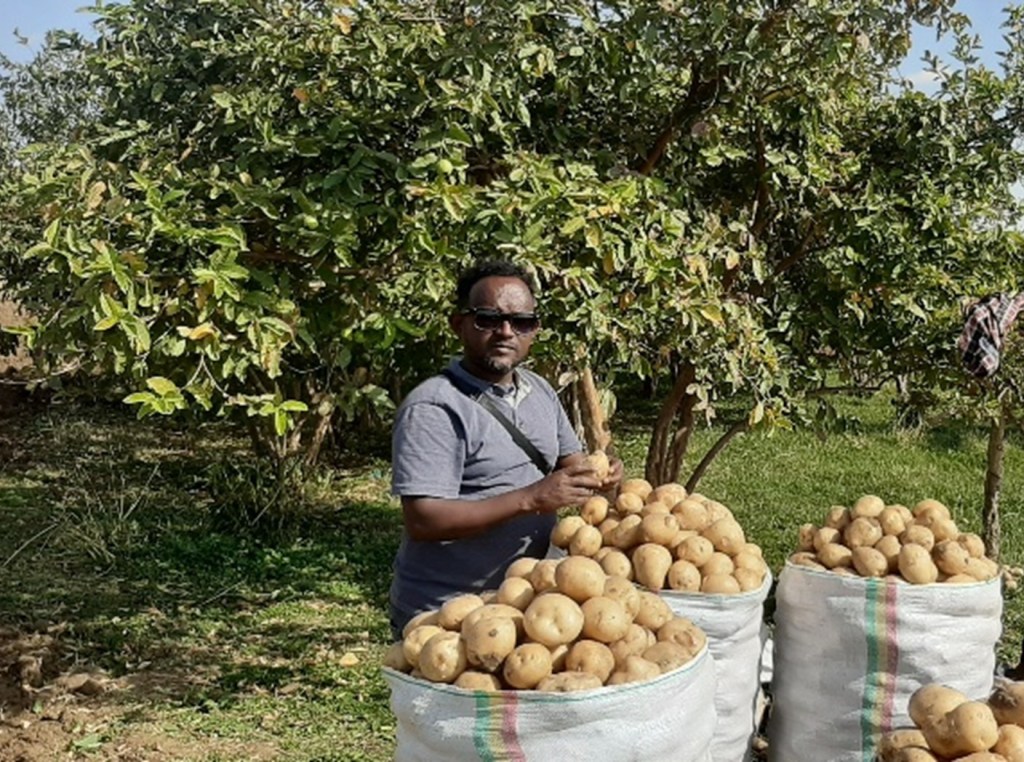
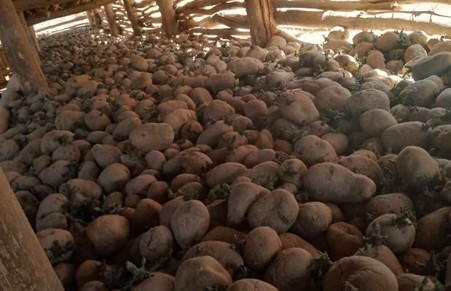
The conflict in Tigray devastated the potato seed system. As such potato innovation bundles were introduced to revive the production by reintroducing Generation-0 (G-0) mini-tubers via tissue culture. This enabled cooperatives like Shewit and Kalay Choma to produce 190 quintals of high-quality Generation-1 (G-1) seeds. Farmers have praised this system for boosting productivity, income, and sustainability. Encouraged by these results, the cooperatives have expanded their operations by procuring additional G-0 mini-tubers to further enhance the availability of quality potato seeds.
Demonstrations show encouraging results
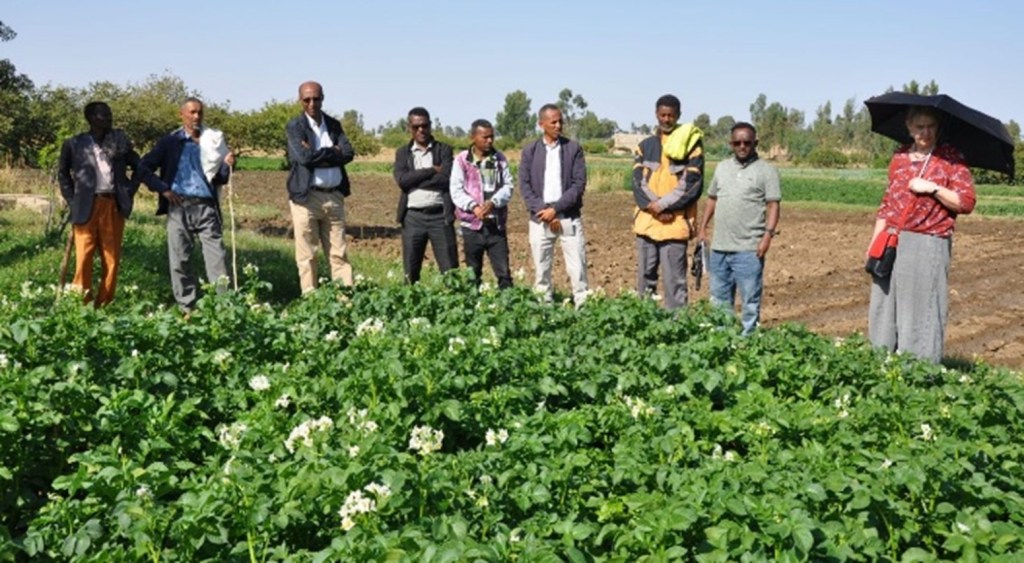
To showcase the benefits of improved potato farming practices, RAISE-FS, together with its partners organized a series of demonstration activities under both rainfed and irrigation conditions. The results were impressive: under irrigation, farmers using improved varieties achieved an average yield of 41.7 t/ha, compared to 26.5 t/ha using traditional practices. Similarly, under rainfed conditions, yields from improved varieties averaged 30.5 t/ha, nearly double the 15.4 t/ha achieved with local seeds.
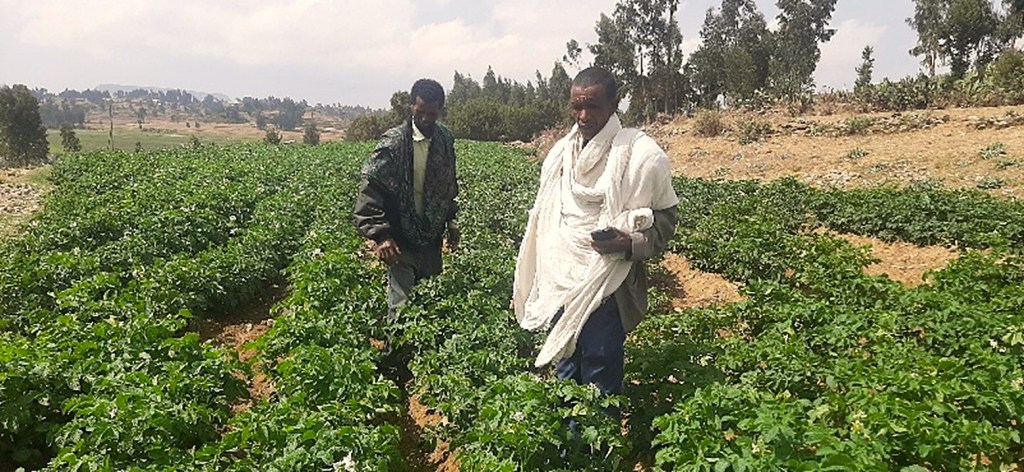
The introduction of the Gudene potato variety was particularly impactful. Combined with recommended agronomic practices, such as optimal spacing, fertilizer application, and timely crop management; this innovation bundle delivered significantly higher yields and earlier crop maturity compared to traditional methods.
The success of these demonstrations was amplified through learning events such as field days and media campaigns, which helped build trust among farmers and encouraged widespread adoption.
Scaling up for wider impact
In 2026, RAISE-FS is scaling its efforts across four kebeles in Atsbi and Tsaeda Emba woredas, involving 200 farmers cultivating 0.25 hectares each. BoANR allocated 13 million ETB to procure 100 tons of improved seeds to sustain this progress. A new potato row planter introduced by Mamay Group is also being tested to enhance mechanization and efficiency.
Recognizing contributions: A community’s gratitude
The impact of these initiatives has not gone unnoticed. The Shewit Potato Seed Cooperative recently honoured the RAISE-FS project with a Certificate of Recognition and Appreciation for its exceptional contributions to revitalizing the potato seed system. The award was presented on January 21, 2025, by H.E. Alembrhan Harifeyo, Head of the Tigray Bureau of Agriculture and Natural Resources.

Key takeaways from the initiative
The success of this initiative highlights several key lessons: the importance of starting with quality seeds, adopting bundled innovations, engaging farmers through practical demonstrations and training, and fostering collaboration among stakeholders. These strategies have proven effective in driving sustainable agricultural development and improving livelihoods in the region. With ongoing efforts, potatoes are poised to play an even greater role in ensuring food security and economic growth for smallholder farmers in Tigray.
 raise-fs.org