
In today’s society, promoting gender equality and inclusion is of utmost importance. One effective way to achieve this is through staff training on gender transformative approaches. Equipping staff members with the knowledge and skills to address the root causes of gender inequality can create a more inclusive and empowering environment for everyone.
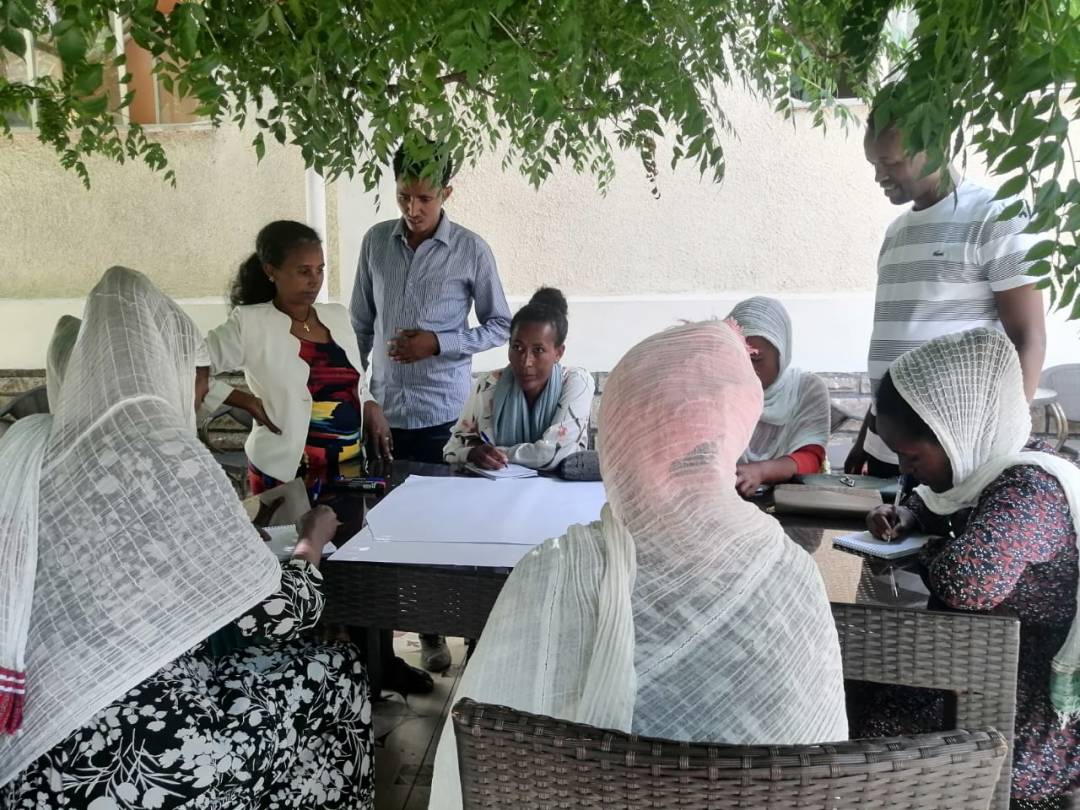
As part of the effort to integrate gender transformative approaches in research for food system transformation, RAISE-FS in collaboration with CARE Ethiopia, recently organized a 5-day trainers’ training on the Social Analysis and Action (SAA) approach. The training aimed at enabling partners to recognize gender-related biases, stereotypes, and discriminatory practices that may influence their work outputs and interaction with the community, and to increase their confidence to facilitate gender equality-related dialogues with others. Subsequently, participants went back to their respective working areas and organized trainings to RAISE-FS implementing partners in Southern Ethiopia, Oromia, Amhara, and Tigray.
The training was cascaded down and the participants are expected to disseminate the knowledge gained by further cascading the training to the woreda or within the community in a kebele, using the RAISE-FS project intervention activity as an entry point.
The training sessions were carefully crafted to empower participants with the essential tools and knowledge needed to identify and address challenging social norms and power imbalances that hinder the progress of women and youth. The focus was on cultivating a more equitable and sustainable food system, enabling the participants to become effective agents of change within their communities. By equipping them with the skills to cascade the training and implement project interventions, the aim is to ensure sustainable and impactful development outcomes in both the Southern Ethiopia and Amhara regions.
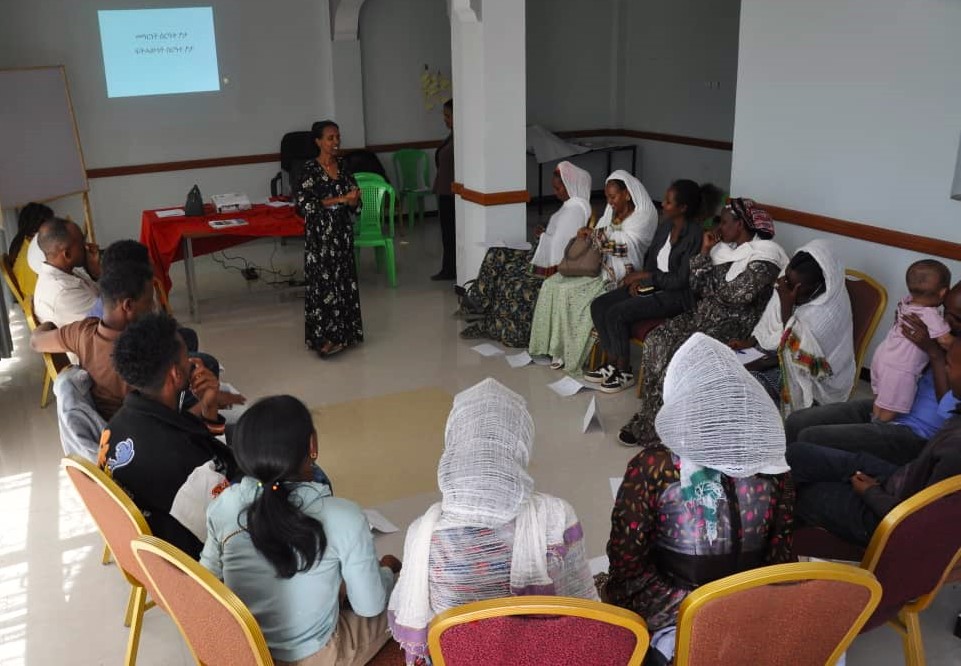
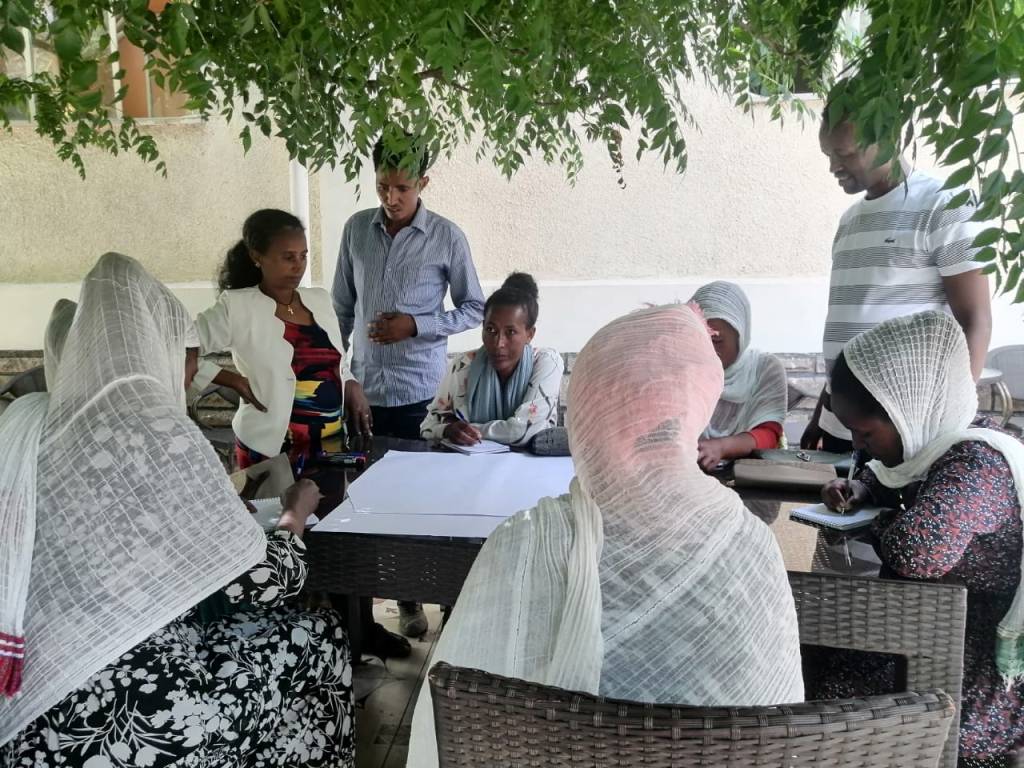
In Oromia region, one participant highlighted the need for transformative change, emphasizing that previous approaches to addressing gender inequalities had not been effective in bringing about meaningful transformation. The participant noted that while gender issues have received attention and been mainstreamed in government sectoral offices in Ethiopia, true gender transformation has yet to be achieved due to the lack of appropriate transformative approaches.
Participants of the SAA training in Amhara region reflected
“The training session is highly interactive and participatory. We have learned a lot in the five days of the training. I thought that five days would be excessive, but it was worthwhile. We have learned lessons that helped us even in our own private lives. Reaching as many people as possible would be good.”“We have been given the freedom to express our opinion freely and with confidence. This should be the culture. If other training sessions are organized in this manner, there will be a significant change both in the community and in the country.”
The successful implementation of the SAA approach has the potential to yield transformative outcomes within communities, and it is imperative for participants to promptly apply their newfound knowledge and skills to drive meaningful impact within their respective communities.
 raise-fs.org