
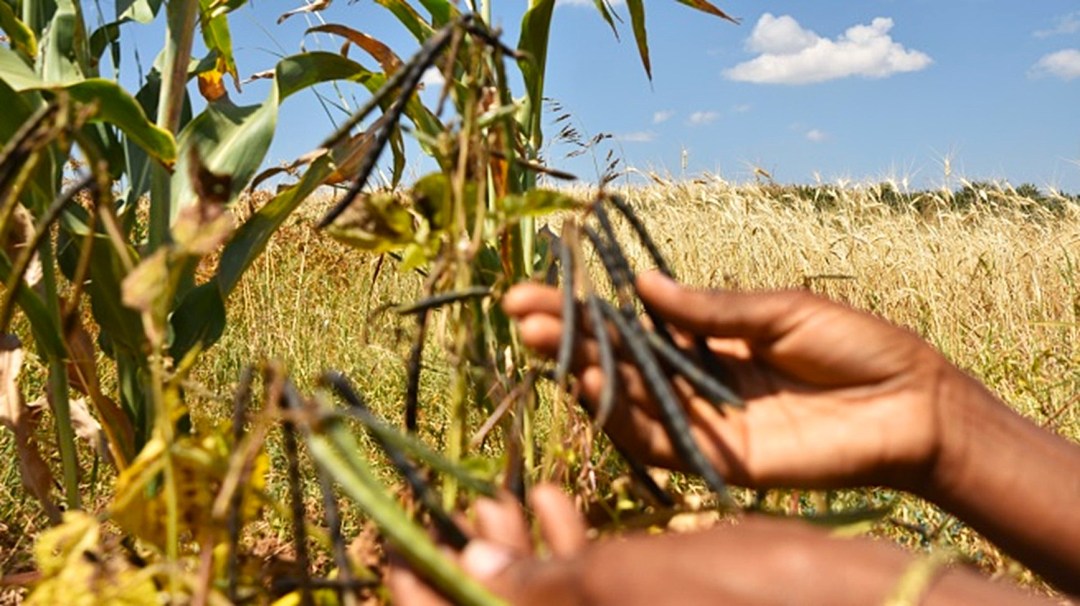
Farmers in Mahbere Genet kebele, Enderta woreda, are experiencing a shift in their farming system with the introduction of sorghum-mung bean intercropping. This innovative farming technique is helping them adapt to climate change while improving yields, soil health, and overall profitability.
Traditionally, farmers in the area relied on long-maturing local sorghum varieties. However, delayed rainfall and unpredictable weather patterns forced many to abandon sorghum cultivation altogether. Today, thanks to the introduction of early maturing sorghum and mung bean varieties as companion crops, farmers are regaining hope and achieving promising results.
According to research findings, cereal-pulse intercropping systems have several advantages, including reduced pest and disease pressure, improved soil fertility, weed suppression, increased food diversity, and improved resource efficiency.
Farmers in Mahbere Genet kebele are already reaping these benefits, with many reporting significant improvements in both crop performance and overall farming sustainability.
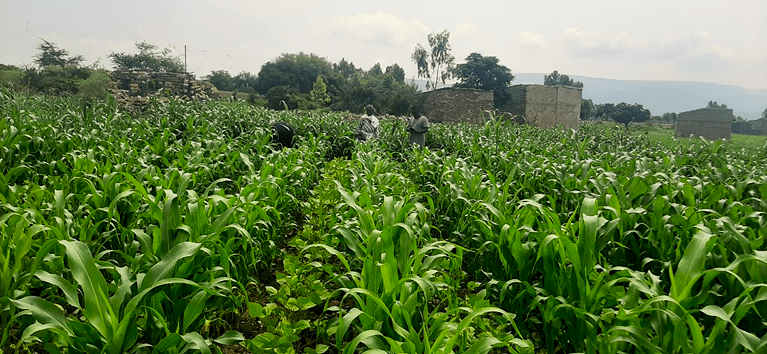
Mr. Kalayu Hailu, one of the pioneering farmers hosting this practice during the 2024 cropping season, shared his inspiring journey of transformation.
“This year, I have witnessed marvellous improvements in sorghum production that have really revolutionized the way we do smart farming,” said Mr Kalayu. “Unlike the previous variety, which we planted in May and harvested in December, the new sorghum variety matures much earlier, allowing us to optimize our planting schedule and cope with unpredictable rainfall.”
Mr. Kalayu explained that the most important thing was to follow professional guidance in implementing the technological packages for the best growth of the crops, from land preparation, row planting techniques, and application of fertilizers, to timely weeding for good growth of the crops.
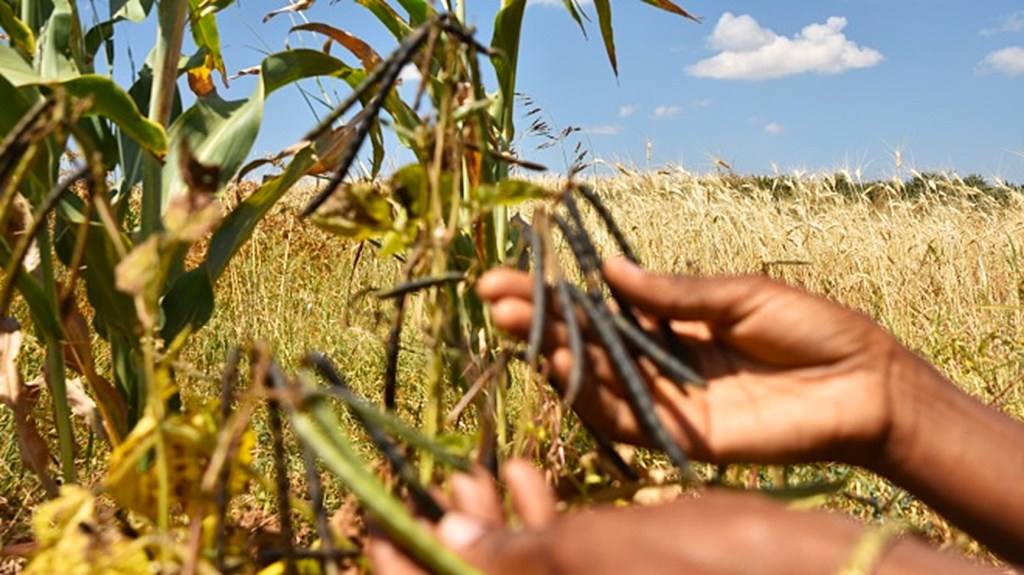
He attributed the success of their crops to the combined efforts of ploughing, levelling the soil, intercropping mung beans with sorghum, and applying fertilizers at the right time.
The new variety of sorghum has shown tremendous resilience in the face of a complete lack of rain in September. Planted in early July, it grew robustly and is almost ready for harvest. Meanwhile, Mr. Kalayu’s mung bean crop has also yielded promising results, with an estimated harvest of approximately 8 quintals per hectare.
This year’s success has encouraged Mr. Kalayu to expand the area under intercropping in the next season. The new varieties have also received enthusiastic requests for seeds from fellow farmers.
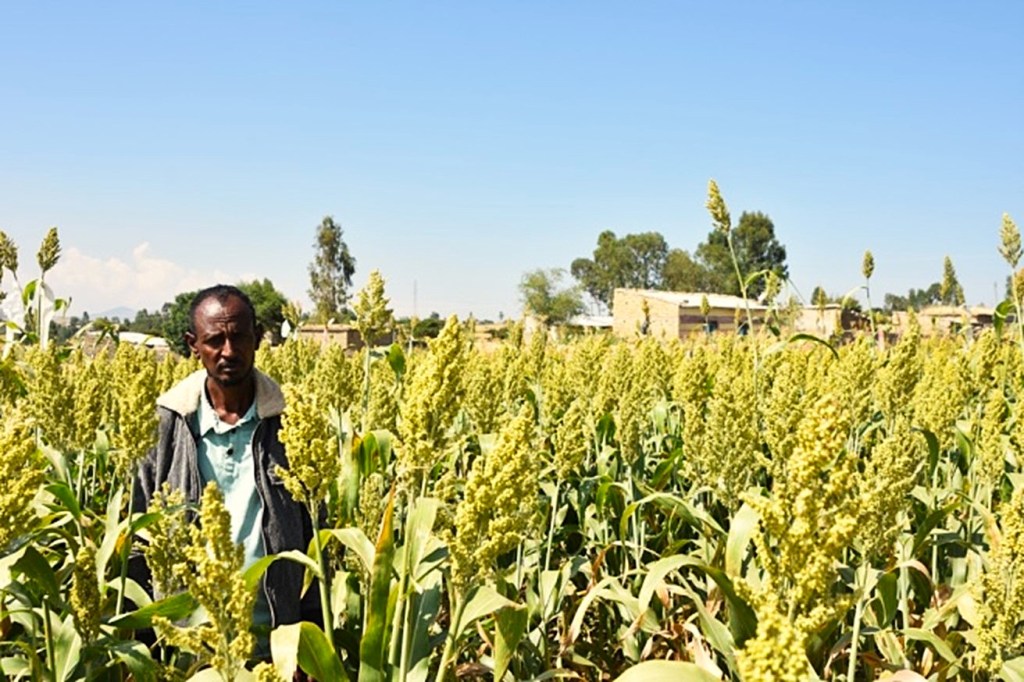
“We will involve more relatives and follower farmers next season,” he shared. “I will share the seeds I can provide and hope to receive additional seed support from the project for the community. Together we can create a better agricultural environment that benefits all.”
The success of sorghum-mung bean intercropping in Mahbere Genet kebele demonstrates the potential of such simple but transformative techniques in addressing climate change challenges.
As we look ahead to the next cropping season, there is great optimism that these practices will continue to shift farming practices in the area, enhance food security, and promote environmental sustainability. By fostering collaboration between farmers, researchers, and agricultural experts, initiatives like this one will pave the way for more sustainable and resilient agriculture in the region.
 raise-fs.org