
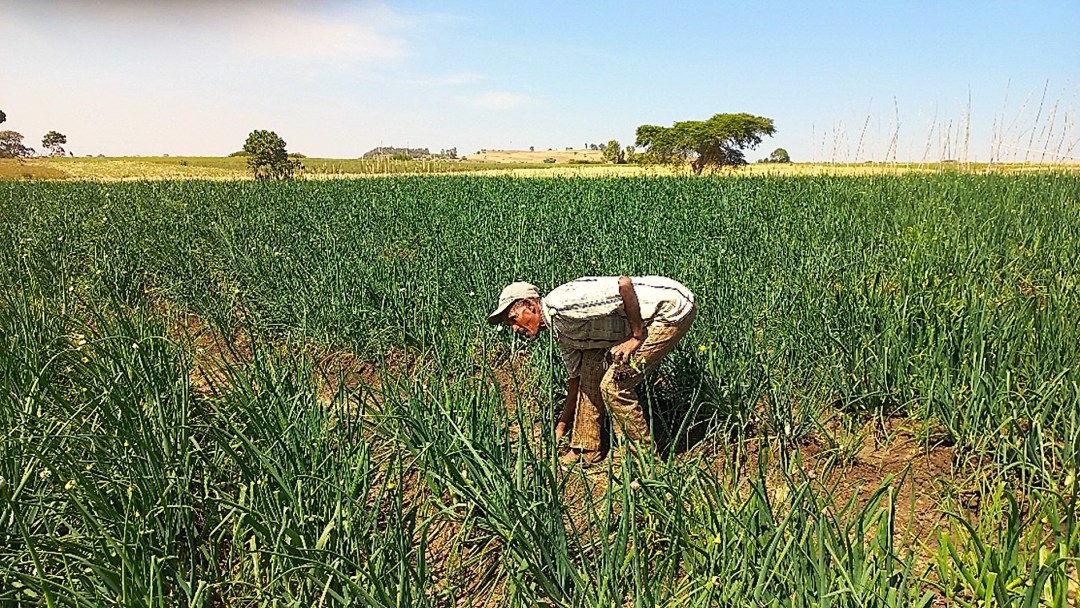
A collaborative effort between the Melkassa Agricultural Research Centre (MARC), the RAISE-FS Project, and local stakeholders is transforming agricultural practices in Sire woreda, with a focus on onion seed production. A recent field visit to the farm of Mr. Fetene Haylu Abate in Gassala Shashe kebele revealed the significant impact of this initiative on local farming practices and livelihoods.
Mr. Fetene, a 50-year-old farmer with a secondary school education, has emerged as a pioneer in onion seed production in the area. Traditionally, farmers in Sire woreda have focused on cultivating local onion bulbs for consumption and sale, with little attention given to seed production. However, the intervention by the RAISE-FS project, in collaboration with MARC and the Sire woreda Agricultural and Land Office, has introduced improved onion seed varieties and modern techniques to the region.
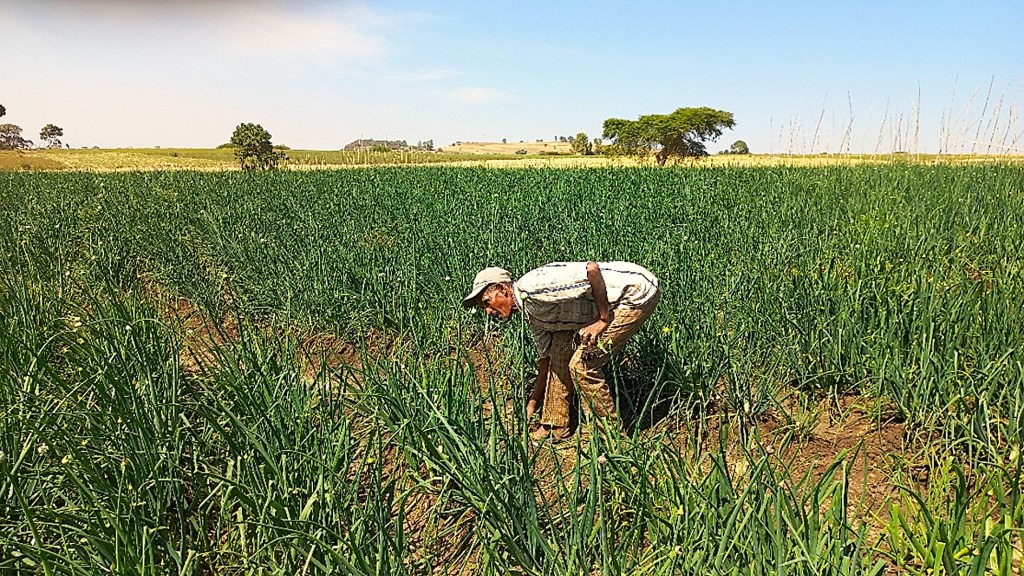
During the visit, Fetene shared his journey into onion seed production. “My farm’s proximity to a water source and my prior experience with local onion production helped me get selected for this initiative,” he explained. “I expressed my interest to development agents and have maintained close collaboration with them.”
The introduction of improved onion seed varieties has brought notable advantages. According to Fetene, these varieties offer better yields, higher germination rates, greater market value, and longer shelf life compared to traditional varieties. “For example, I stored onions for over three months without decay, and I noticed even improperly planted bulbs remained intact due to proper watering and field management,” he remarked.
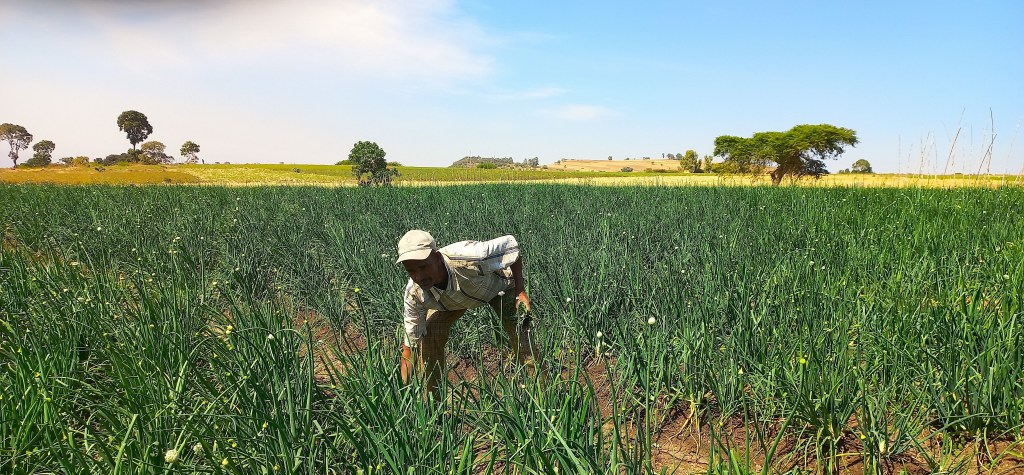
The economic benefits of onion seed production are significant. From just 0.11 hectares of land, Fetene produced 2.6 tons of onion bulbs, retaining 1.5 tons for seed production while selling six tons for 66,000 ETB. The remaining 0.5 tons are stored for future use by our group members. The improved variety fetches a higher price in the market compared to local bulbs, further incentivizing farmers to adopt this practice.
Despite the success of this initiative, challenges remain in scaling up onion seed production in the area. Many neighbouring farmers are reluctant to engage in this business, citing concerns over its labour-intensive nature and limited access to adequate water resources. According to Fetene, onion seed production demands dedication and a reliable water supply, which deters some farmers from allocating their land for this purpose. However, with appropriate support systems and increased awareness of the potential benefits, more farmers could be encouraged to seize this lucrative opportunity.
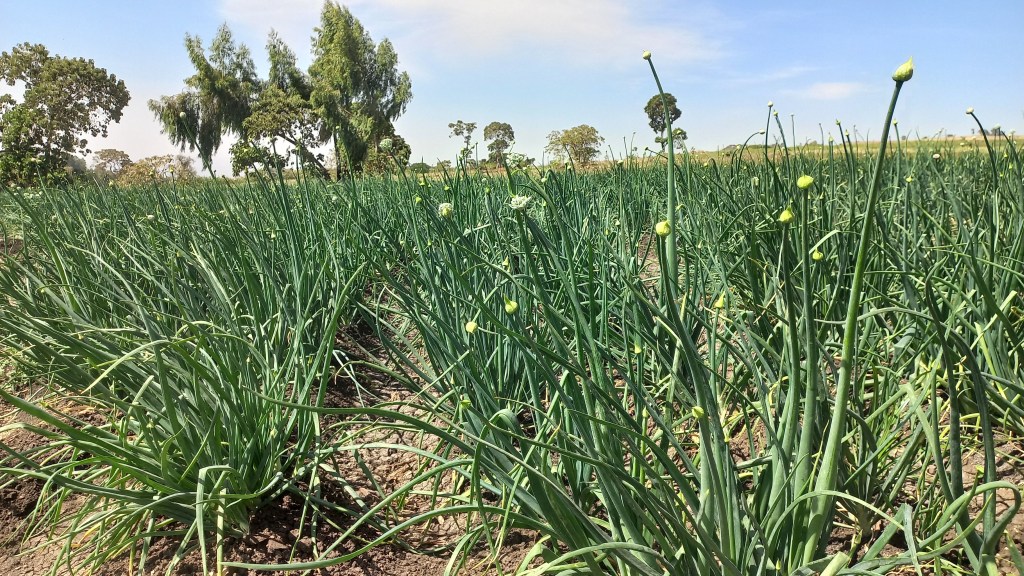
Fetene highlighted the role of collaboration among local farmers. His neighbour, Mr. Kebera, is also engaged in onion seed production by renting land from others. However, rising land rental costs have posed challenges for expanding operations. “We support each other by sharing knowledge and experiences,” Fetene said. “I’ve advised others to either learn from our practices or rent their land to farmers who can produce onion seeds for mutual benefit.”
The RAISE-FS project has also provided technical support to participating farmers. Researchers from MARC have advised Mr. Fetene on pest and disease management, including the safe application of chemicals and optimal irrigation schedules during the flowering stage.
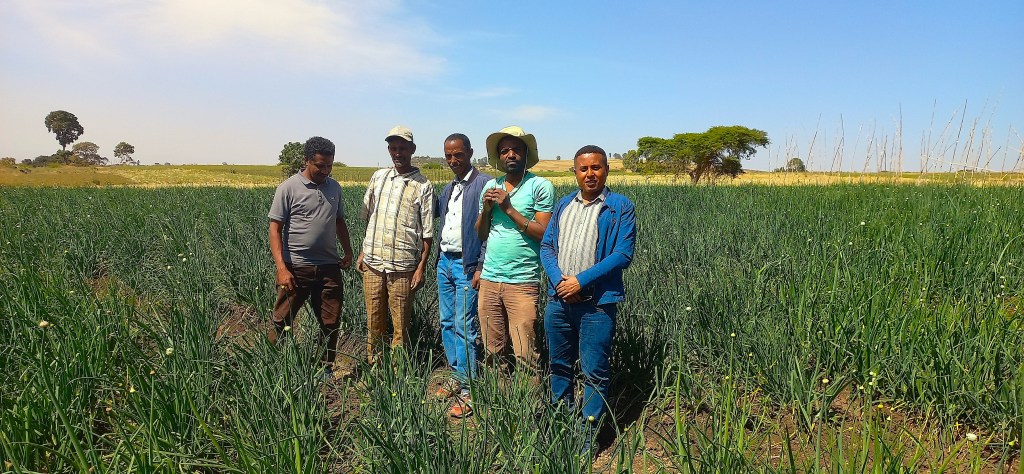
The success of this initiative has drawn attention from other farmers seeking to replicate these practices. With increased awareness and support from local government and stakeholders, onion seed production could become a sustainable and lucrative agricultural practice in Sire woreda and beyond.
As the RAISE-FS Project continues its work in collaboration with local stakeholders, the hope is that more farmers will embrace onion seed production as a viable and sustainable agricultural enterprise, contributing to improved livelihoods and food system transformation in the region.
 raise-fs.org