
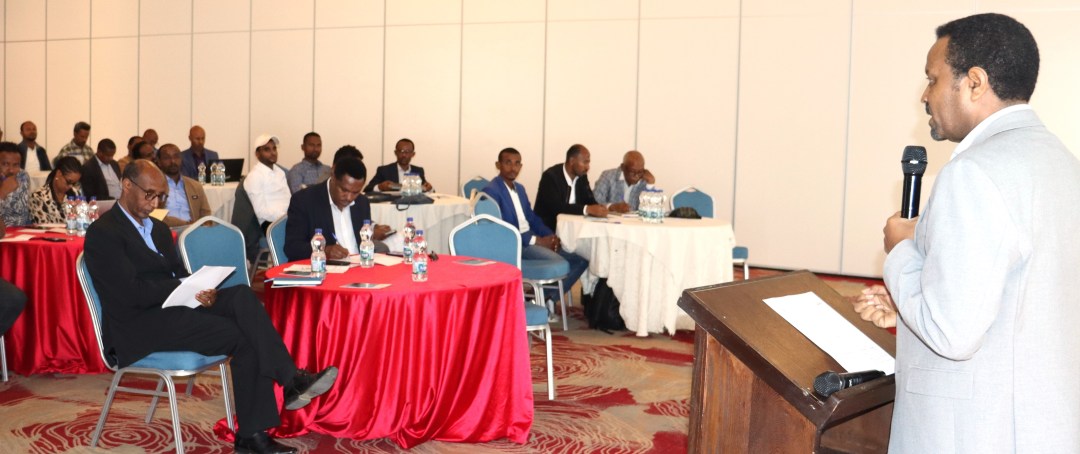
The Ethiopian Agriculture Authority (EAA), in collaboration with SWR Ethiopia RAISE-FS project, hosted a validation workshop on Good Agricultural Practices (GAP), Good Handling Practices (GHP), Good Manufacturing Practices guidelines for sesame, hot pepper, and poultry that improve the quality and safety along vale chains. The event aimed to address critical food safety challenges impacting Ethiopia’s export commodities.
Opening remarks: A call to action
HE Ambassador Deriba Kuma, Director General of the Ethiopian Agricultural Authority, opened the workshop. In his opening remarks, Ambassador Diriba highlighted the critical challenges Ethiopia faces with food safety issues in its export commodities. He emphasized the recurring notifications from importing countries regarding contamination concerns, particularly Salmonella, which has significantly impacted the country’s agricultural exports.
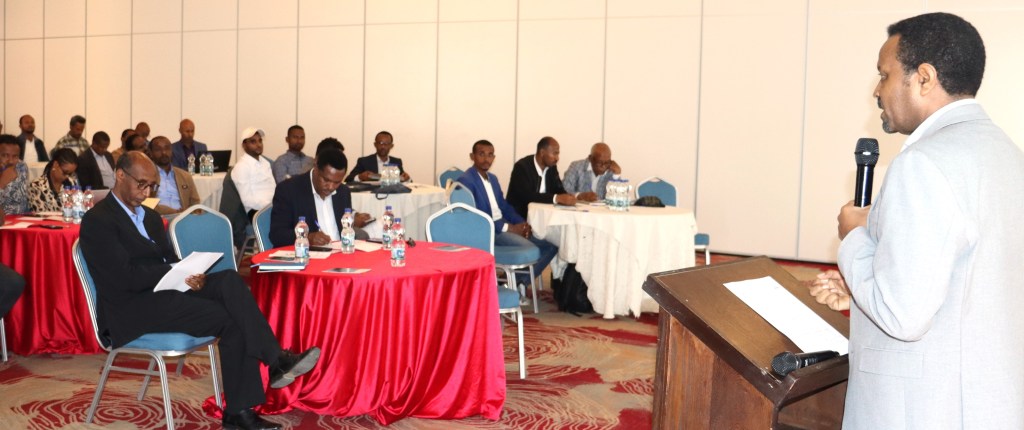
Acknowledging the technical and financial support from SWR Ethiopia’s RAISE-FS project, Ambassador Deriba expressed gratitude for their contributions toward ensuring Ethiopia’s food safety landscape. He concluded by emphasizing the need for a dedicated national food safety platform to effectively coordinate efforts across the sector.
SWR Ethiopia’s RAISE-FS commitment to food safety
Dr. Dawit Alemu, SWR Ethiopia’s Country Representative, how RAISE-FS one of SWR Ethiopia flagship projects prioritize the food safety issue as its focus area to contribute to the transformation of the Ethiopian food system. He highlighted the formation of a National Food Safety Working Group (FSWG) and its role in identifying and prioritizing tasks such as developing food safety guidelines.
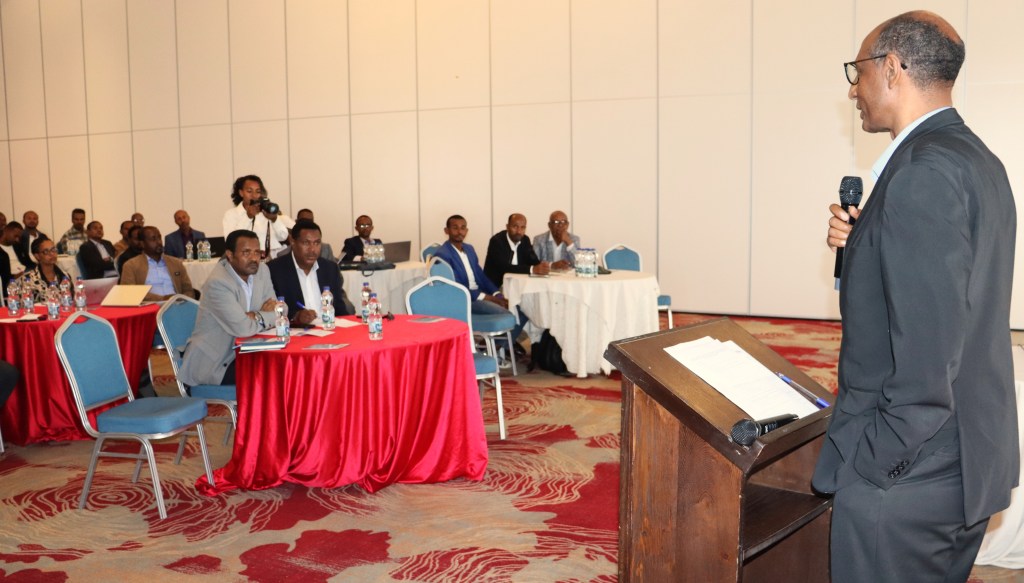
Dr. Dawit highlighted several accomplishments of the RAISE-FS project, including facilitating the development of food safety guidelines for sesame, hot pepper, and poultry along the value chain, conducting assessments on prevalence of mycotoxin contamination in sesame, pepper, and soybean, piloted mycotoxin prevention technologies, organizing capacity-building training sessions in collaboration with Wageningen University & Research and assessing agricultural message content development and dissemination through mainstream media. “We are eager to collaborate with relevant stakeholders to address these findings,” he added.
He reaffirmed SWR Ethiopia’s commitment to collaborating with EAA not only on food safety but also on other strategic initiatives aimed at strengthening Ethiopia’s agricultural sector. He also extended his appreciation to FSWG members for their dedication and commitment.
Draft guidelines presented for validation
The FSWG team presented an overview of the draft guidelines for sesame, pepper, and poultry during the plenary session. The guidelines were developed through extensive research, including reviews of international food safety standards and stakeholder consultations. The drafts have undergone three prior writing workshops to refine their content. In-depth review and document enriching activities took place in three parallel sessions.
Diverse stakeholder participation
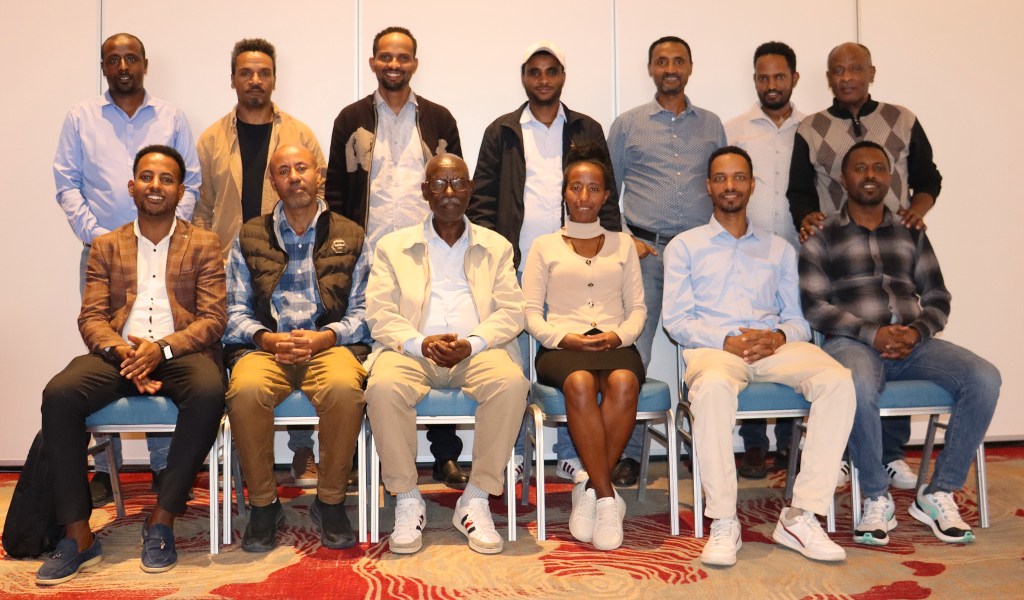
The workshop brought together over 50 participants from various sectors, including the Ministry of Agriculture, Ethiopian Agricultural Authority, Ministry of Trade and Regional Integration, Ethiopian Food and Drug Authority, Ethiopian Standard Institute, Ethiopian Agriculture Research Institute, Addis Ababa University, regional regulatory authorities, exporters, private sectors, industry associations and others. This diverse representation ensured a comprehensive review of the guidelines.
In the group discussion participants reflected on the guidelines presented and gave input to enrich the documents. At the end of the workshop inputs provided by participants will be incorporated to enrich and finalize the guidelines by the FSWG team. The EAA will take the lead in facilitating the endorsement of these guidelines with relevant stakeholders.
Looking ahead
As Ethiopia continues its efforts to modernize food control systems and meet international food safety standards, the food safety guidelines serve as vital steps toward achieving those goals. The finalized guidelines are expected to serve as a critical tool in addressing product quality and food safety challenges across major commodities and fostering greater compliance with national and international standards and ensure consumer health.
 raise-fs.org