
RAISE-FS contributes to strengthening national nutrition-sensitive agri-food systems
The Food and Nutrition Office (FNO) at the Federal Ministry of Agriculture (MoA), in partnership with the SWR Ethiopia RAISE-FS project, successfully hosted the 6th quarterly meeting of the National Nutrition-Sensitive Agri-Food System (NSAFS) forum in March 2025. The event took place at Nexus Inn Hotel and brought together over 29 participants representing government and non-governmental institutions.
The NSAFS Forum, established by the MoA’s FNO on November 13, 2022, serves as a vital platform for coordinating and advancing Nutrition-Sensitive Agriculture (NSA) initiatives within Ethiopia’s agriculture sector. The forum aligns its activities with the Ministry’s NSAFS strategy and the National Food and Nutrition Strategy (NFNS). It aims to promote harmonised planning, implementation, monitoring, and evaluation of NSA programs, fostering collaboration among stakeholders.
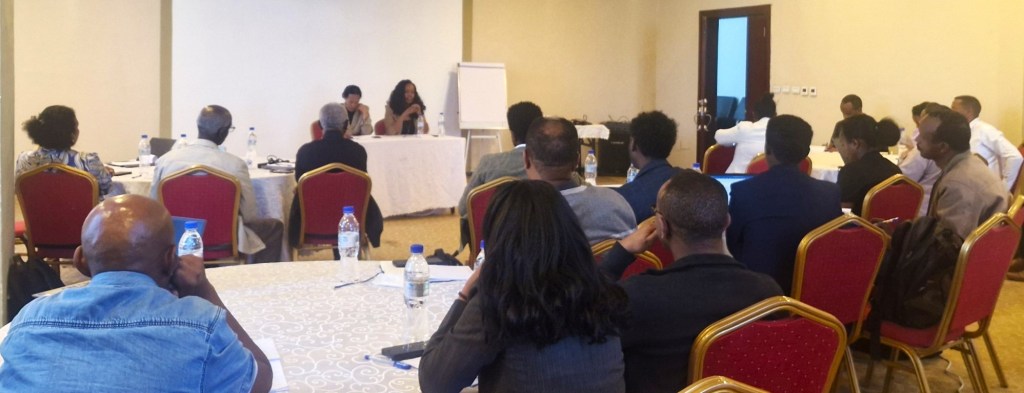
The forum operates under a structured system with a chairperson, co-chair, and secretariat to ensure effective coordination and accountability. It reports directly to the FNO and works to align efforts among implementing partners. SWR Ethiopia, an official member of the forum, has been actively involved in its development since its inception.
Highlights from the forum
The meeting commenced with an opening address by Ms. Alemtsehay Sergew, Head of the Food and Nutrition Office at the Ministry of Agriculture. In her remarks, Ms. Sergew underscored the importance of strengthening the NSAFS Forum through enhanced coordination and collaboration among stakeholders. She emphasised that the gathering was a valuable opportunity for experience-sharing and mutual learning.
The forum featured several key presentations which included MoA–FNO progress report highlighting updates on ongoing NSA initiatives and achievements, experience sharing by Sasakawa Africa and SWR Ethiopia RAISE-FS project.
The RAISE-FS project presented compelling evidence generated over three years on improving access to nutrient-dense foods, implementing Social and Behaviour Change Communication (SBCC) strategies to promote healthy diets, and conducting implementation research on EFDBG. Additionally, the project highlighted significant achievements in food safety, including:
- Food control assessments.
- Research on mycotoxin prevalence in selected commodities.
- Piloting mycotoxin mitigation technologies.
- Capacity-building efforts on governance and farm-to-fork food safety practices.
- Outputs from the food safety technical working group.
Engaging discussions and suggested strategies for the way forward
Following the presentations, participants engaged in a dynamic Q&A session and discussions. These interactions provided an opportunity to reflect on best practices, lessons learned, and challenges that remain in advancing nutrition-sensitive agriculture in Ethiopia.
The meeting concluded with a strong call to action to further strengthen the NSAFS Forum and enhance coordination among stakeholders. Responsibilities were delegated for organising the 7th quarterly forum meeting, ensuring continuity in efforts to improve Ethiopia’s agri-food systems.
 raise-fs.org