
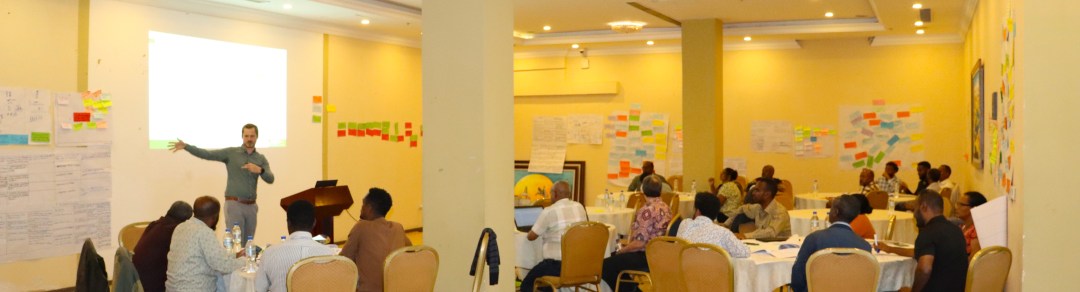
In an era where global food systems face unprecedented challenges, from climate change to population growth, the need for skilled professionals to lead sustainable and innovative solutions has never been more critical. Ethiopia, a nation with a rich agricultural heritage and immense potential, is taking significant strides by adopting a food system transformation approach as its development pathway. SWR Ethiopia, in collaboration with Ethiopian partner organizations across four regions, has been spearheading projects to support the transformation of Ethiopia’s food system. Through the Research for Food System Transformation (R4FST) approach, SWR Ethiopia focuses on generating evidence, building stakeholder capacity, and scaling proven innovations for broader impact. As part of its effort, SWR Ethiopia (RAISE-FS project) in collaboration with Wageningen University & Research has facilitated international short courses to address critical aspects of Ethiopia’s food system. The courses— “Governance from Farm to Fork for Food Safety” and “Food System Transformation”—were specifically tailored to the Ethiopian context, equipping professionals with the knowledge and tools needed to drive change.
Adapting global concepts to the local context
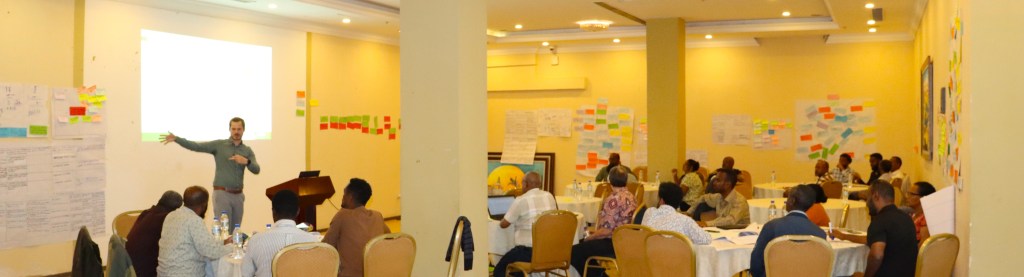
One of the most significant benefits of international capacity-building trainings, such as these ones, is their ability to bridge global expertise with specific local realities. Ethiopian professionals are given the opportunity to learn from experts in food systems, technology, and policy while sharing insights about Ethiopia’s unique challenges and opportunities.
Dr. Dawit Alemu, Wageningen Research Ethiopia Country Representative and RAISE-FS Project Manager, highlighted the importance of these initiatives. “Safeguarding food safety requires the collective efforts of all stakeholders,” he emphasized. The courses are aimed at building awareness of the food systems approach, facilitating understanding of its application in agriculture and food system transformation and adapting global concepts to Ethiopia’s local context. This course is part of our efforts to contribute to the transformation of Ethiopia’s food system by addressing key challenges in policy, practices, and institutions. We’re building capacity and fostering wider engagement among all relevant actors at federal and regional levels,” he added.
On food safety, both Dr. Wondale Habtamu, Deputy Director General of EAA and Head of NPPO, Mr. Negash Sime, Deputy Director General of EFDA addressed the complex dynamics of the Ethiopian food system. Dr. Wondale identified food safety, quality, and traceability as priority concerns and highlighted the critical roles of governance training, private sector engagement, and trust-building in ensuring success in these areas. Mr. Negash spoke about the National Food Safety Master Plan and the importance of farm-to-fork strategies. He highlighted stakeholders’ collaboration, especially with research, academic institutions and private sectors for food safety. Mr. Negash stated that reducing foodborne disease and safeguarding public health is everyone’s role and requires the active participation of all stakeholders in the food value chain.
Learning in action: From theory to practice
The courses were not just about theoretical knowledge—they included field visits to government institutions and private sector organizations excelling in food safety practices and food system transformation. These hands-on experiences allowed participants to see best practices in action and develop actionable plans for their own work.
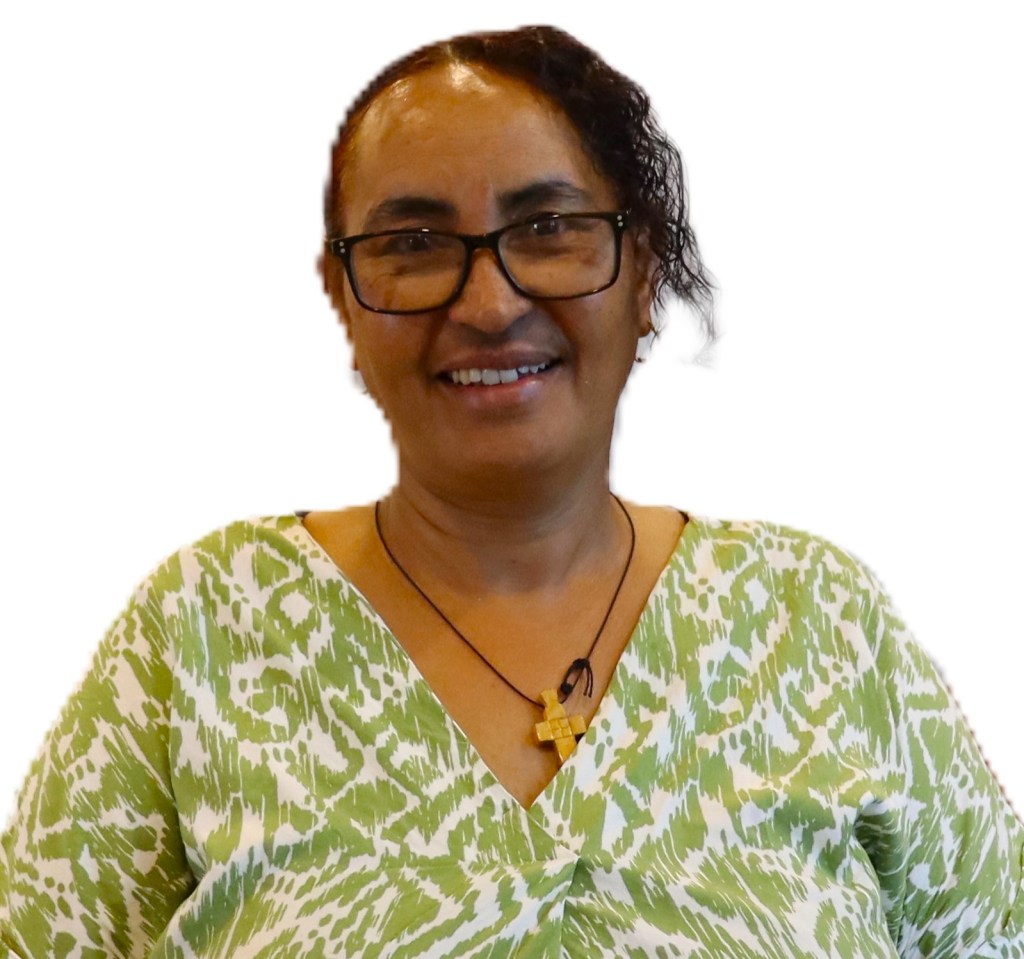
Dr. Atsede Solomon, a researcher from the Ethiopian Agricultural Research Institute, shared her insights after participating in a face-to-face training session held in Addis Ababa. Reflecting on the experience, Dr. Atsede remarked on the uniqueness of the training, stating, “The training is new to me. I learned a lot about food system concepts, approaches, and tools.” She further expressed how this newfound knowledge has been both inspiring and transformative, highlighting its potential to influence her approach to research and development interventions moving forward.
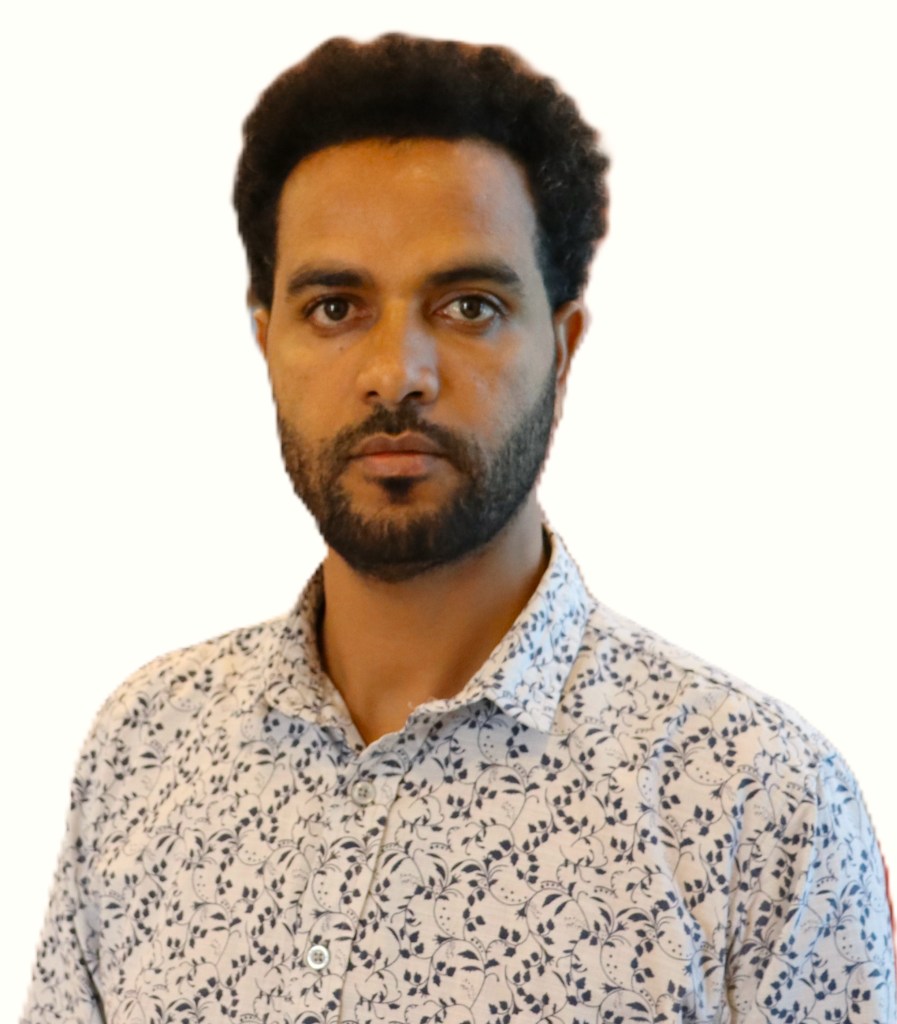
Similarly, Degenet Teferi from Bahir Dar University praised the relevance of the training: “We learned food system concepts and tools tailored to Ethiopia’s specific context. We worked on our own cases, developed concrete proposals, and created action plans that we are ready to implement at our duty stations.”
A vision for the future
The initiative has been widely praised as a transformative step for Ethiopia’s agriculture and food security. Dr. Getachew Diriba, Senior Advisor to the Minister and Principal Coordinator of Ethiopia’s Food System Transformation, called the training a “huge investment” in the country’s future. He urged participants to share their knowledge widely: “The knowledge and skills gained from these trainings should not remain with the participants alone. They need to cascade this learning to their duty stations and actively contribute to enhancing Ethiopia’s food systems.”
 raise-fs.org