
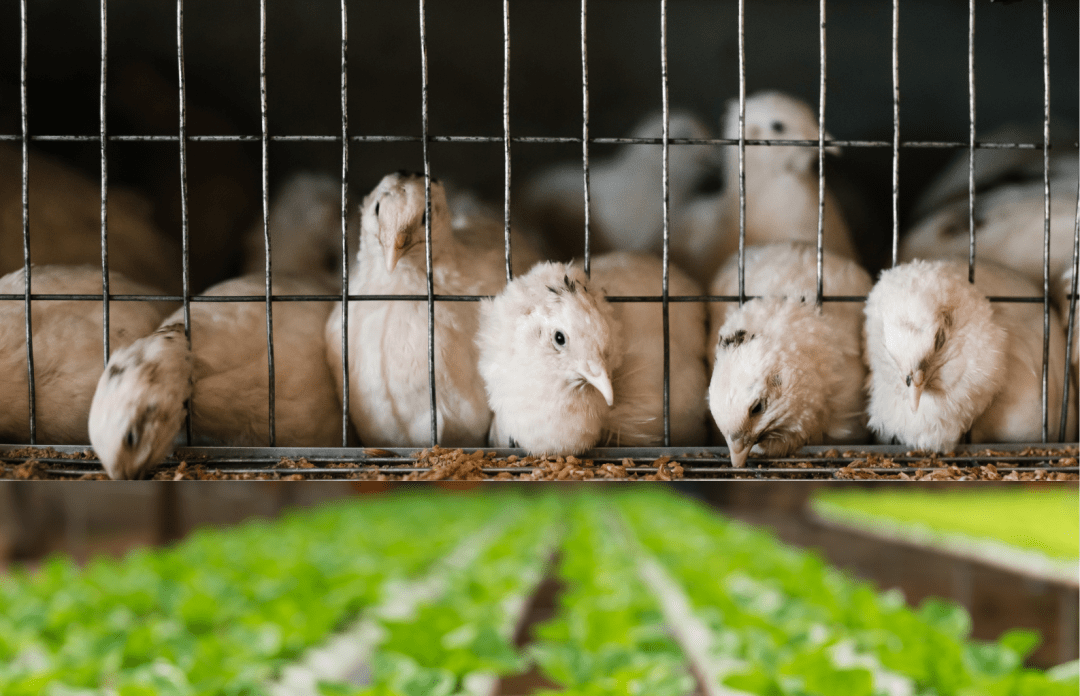
The Ethiopian poultry sector, grappling with escalating feed costs, is turning to an innovative solution: hydroponic fodder production. This sustainable alternative promises to alleviate the financial strain on farmers by providing an affordable and nutrient-rich feed option.
The soaring prices of conventional feed ingredients such as maize and soya bean have placed a heavy burden on poultry farmers across Ethiopia. This challenge is compounded by the competing interest of cereal grain, which puts human food needs against poultry feed demands. In response, stakeholders are exploring hydroponic fodder as an alternative.
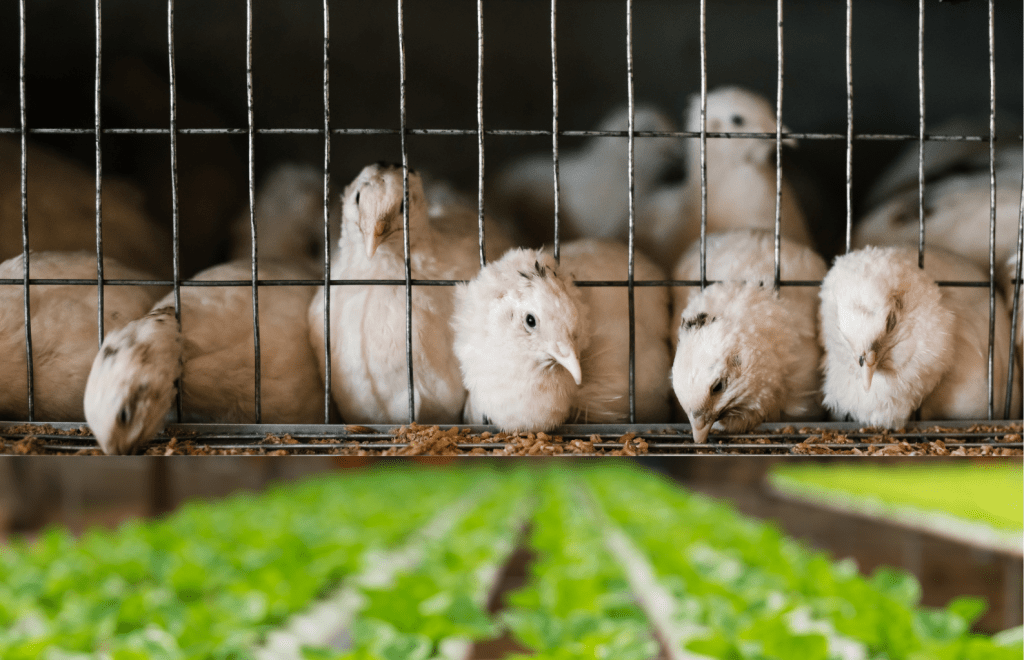
In 2023 and 2024, a joint effort between the Bishoftu Agricultural Research Centre (BARC) and the SWR Ethiopia RAISE-FS project was initiated in Ada’a woreda. The initiative aimed to showcase the potential of hydroponic fodder as a non-conventional feed resource for poultry farmers. Thirty participants, covering various scales of poultry enterprises, received both theoretical and practical training, with over 80% being youth and half being women, highlighting the role of this technology in empowering marginalized groups.
The results of the demonstration were promising. Farmers reported improved egg production, with inclusion rates of up to 15% in layer diets boosting output and profitability. The switch to hydroponic fodder also significantly cut feed costs while enhancing egg quality by deepening yolk colour, indicating its superior nutritional value. The system’s efficiency was evident, producing 6-8 kg of fodder per 1 kg of seed within just 7-9 days, optimizing land and water use.
Beyond economic benefits, hydroponic systems are environmentally friendly, requiring negligible pesticides and fertilizers. This approach supports a year-round supply of poultry feed, reducing reliance on rain-fed and irrigated fodder production.
The implications of this technology extend beyond poultry farming. By reducing dependence on conventional feed sources, hydroponic fodder contributes to national food security by easing the demand on cereal grains intended for human consumption. It also opens new income-generating opportunities for rural communities, particularly for youth and women involved in feed production and distribution.
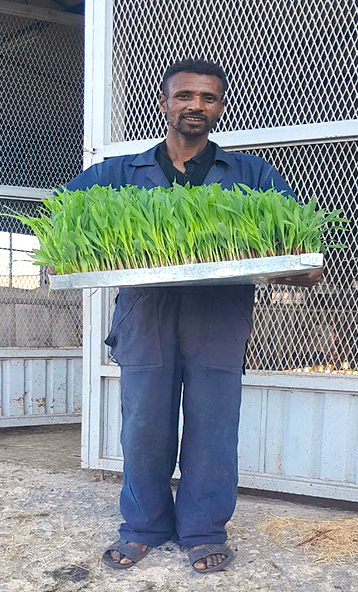
The successful demonstration of the hydroponic fodder technology showed a promising pathway for improving poultry production sustainability in Ethiopia. By integrating this technology with insect farming, particularly the production of Black Soldier Fly (BSF), and organic composting, it contributes to a robust circular economy, contributing to food security and environmental resilience. Despite its promise, the scaling-up of this technology requires concerted efforts involving awareness campaigns and supportive policy frameworks. It is imperative for local authorities and communities to actively consider the economic and
environmental outcomes of the hydroponic fodder production to enhance wider adoption. Furthermore, it is crucial for government entities and development partners to facilitate access to necessary resources , offer technical support, and assist smallholder farmers in adopting these innovations.
 raise-fs.org