
South Ethiopia is emerging as a region with immense potential for soybean production and marketing. Recognizing this opportunity, SWR Ethiopia, in partnership with Hawassa University, has been actively working to validate soybean innovations and foster collaboration among stakeholders in the soybean value chain. In a significant step towards this goal, a soybean innovation platform workshop was recently organized in Hawassa at Tadesse Enjori Hotel. The event aimed to bring together key players in the sector to identify challenges, share insights, and chart a path forward for improving the soybean value chain.
The event brought together a diverse group of stakeholders, including edible oil processors (AMA Business Group and Alat), farmers, private enterprises in food and feed processing, research institutes, seed producers, regional and local Bureau of Agriculture representatives, the Sidama Development Association, GIZ, and senior experts from Hawassa University.
Dr. Tafesse Matewos, Vice President for Research and Collaboration at Hawassa University, inaugurated the workshop with a compelling speech on the importance of soybean in addressing food and nutrition security.
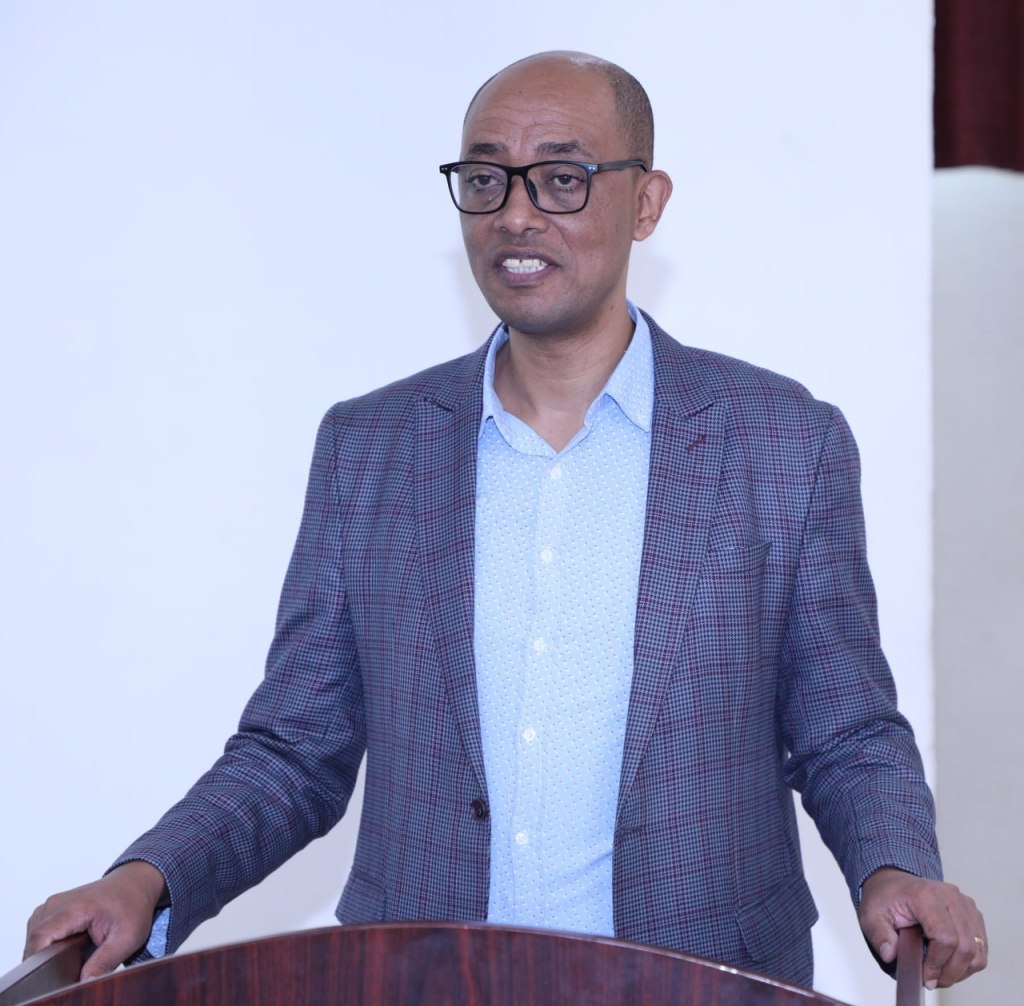
“Soybean is an exceptional commodity as both a nutritional and industrial crop,” he stated, emphasizing its ability to thrive across diverse agro ecologies in Sidama and beyond. Dr. Matewos urged stakeholders to move past discussing challenges and instead focus on actionable steps to unlock the full potential of soybean production and processing.
Dr. Tewodros Ayalew, the focal point for Hawassa University’s RAISE-FS project, outlined the platform’s objectives, which included showcasing the project’s activities on soybean innovation, prioritizing key issues for action, and identifying stakeholders for institutionalizing sustainable soybean systems.
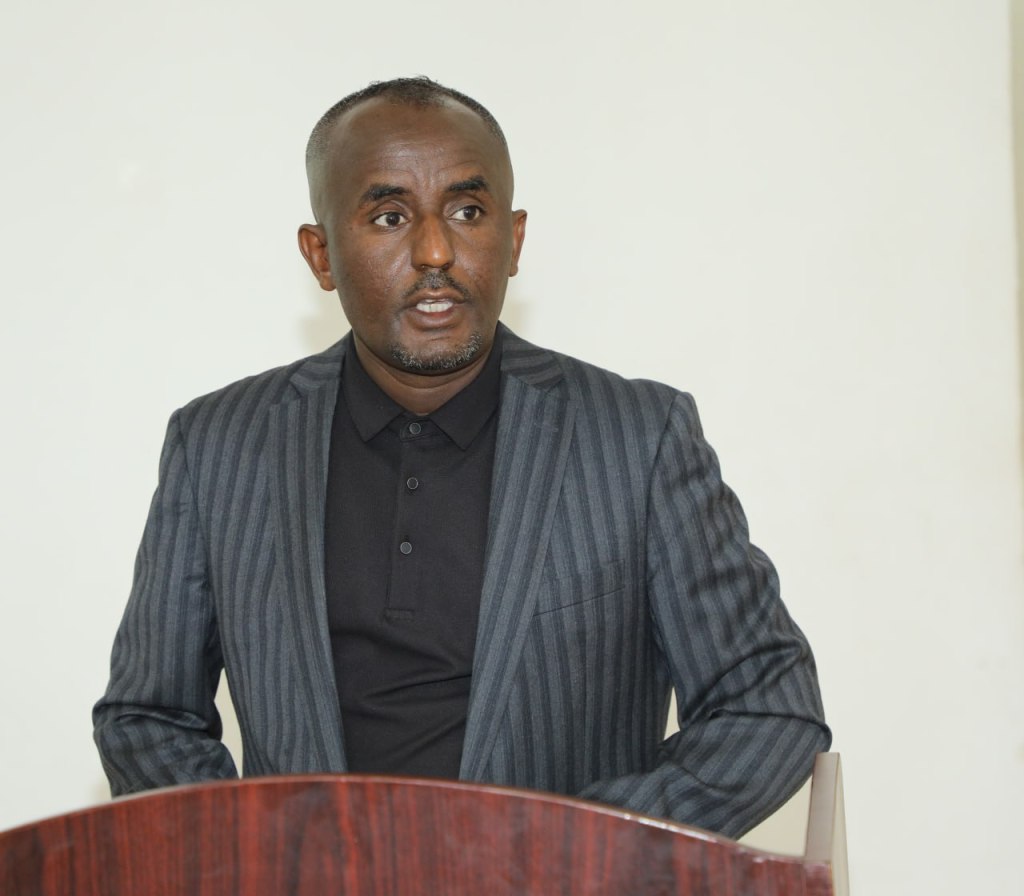
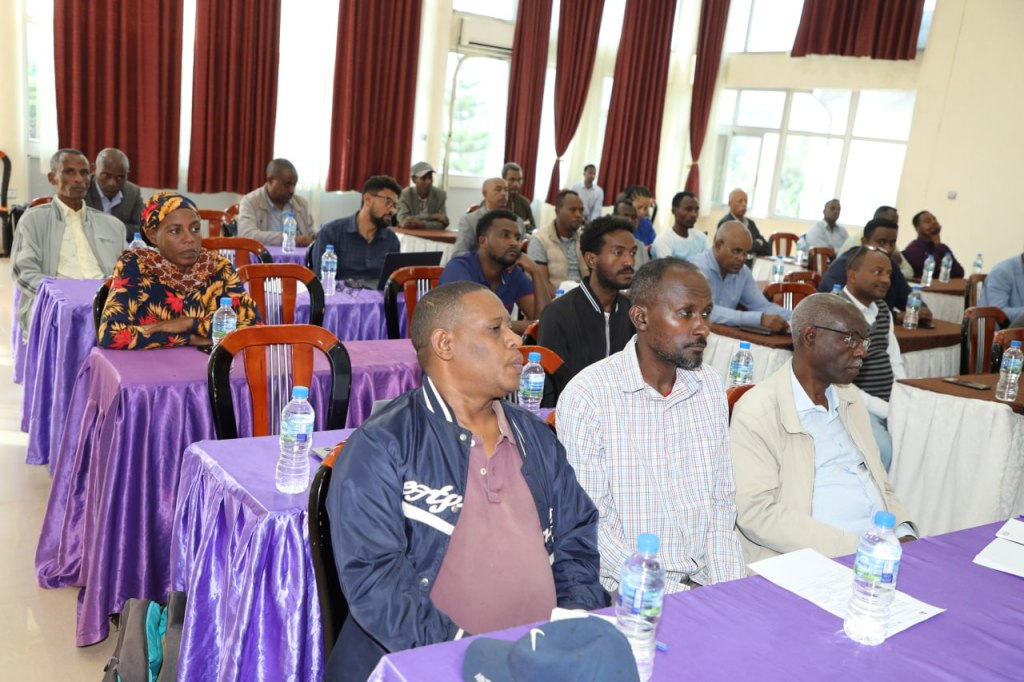
Presentations by experts like Dr. Geremew Gashawbeza highlighted the challenges and opportunities within Ethiopia’s soybean sector, including seed shortages, inefficient coordination, and low production volumes. Adding to the discussion, Dr. Mengesha Kebede, a technical team member of the RAISE-FS project, presented the project’s three-year efforts to address gaps in the soybean value chain.
Mr. Tsegaye, General Manager of Alatyon Manufacturing Company, shared his company’s experiences along the soybean value chain—from seed production to grain collection from outgrower farmers. He identified several challenges, including difficulties in selecting appropriate seed varieties for specific areas, unclear price-setting mechanisms by the Ethiopian Commodity Exchange (ECX), limited stakeholder commitment to supporting farmers and processors, and insufficient extension services for soybean compared to staple crops. Issues such as seed shortages and lack of ownership in addressing these challenges were also discussed.
Farmers at the workshop voiced their concerns about market access, particularly difficulties in selling smaller quantities of produce (less than 100kg) from scaling initiatives. Feed processors also highlighted grain shortages affecting their operations. These challenges underscored inefficiencies in demand-supply coordination and a lack of responsiveness from stakeholders.
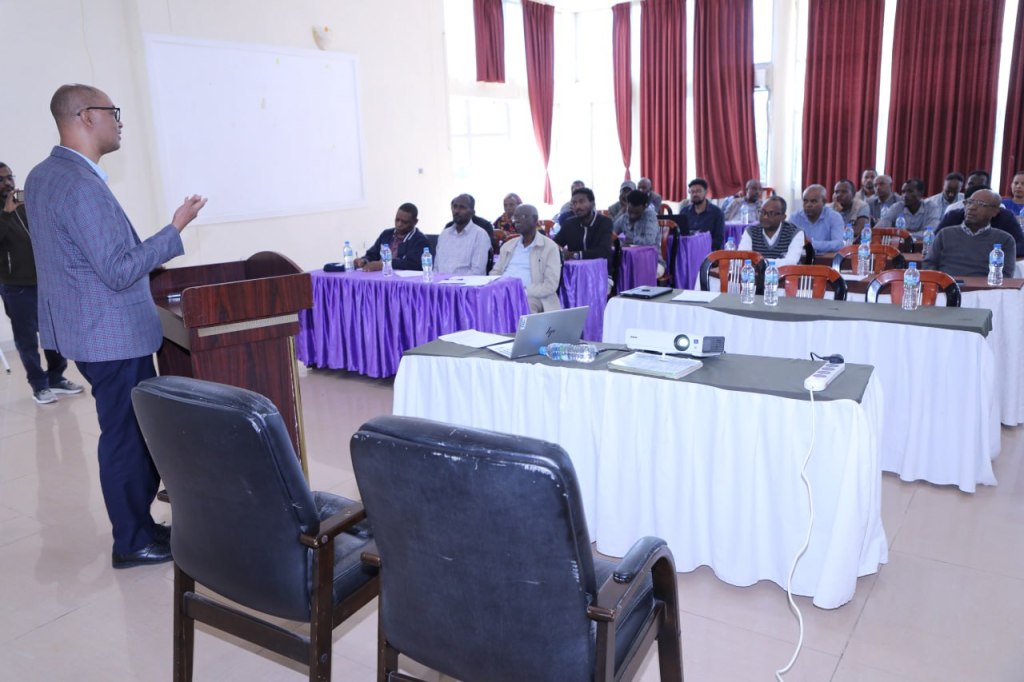
To address these challenges, the workshop recommended fostering stronger collaboration among stakeholders, including local government bodies, universities, private enterprises, and development associations. This collective effort aims to unlock the full potential of soybean in South Ethiopia, benefiting both producers and processors while contributing to food security and economic growth.
 raise-fs.org