
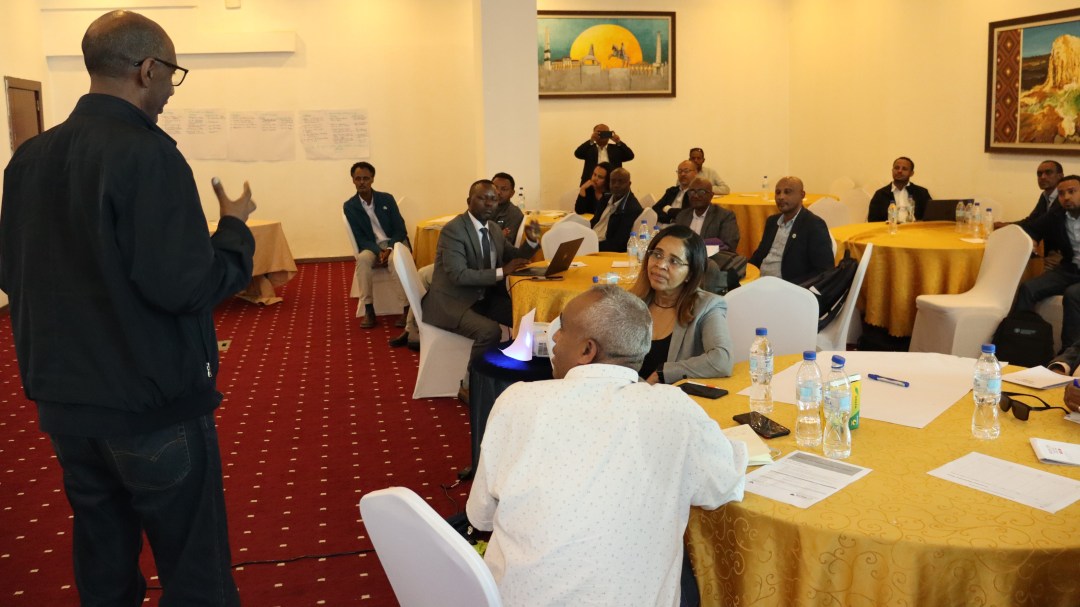
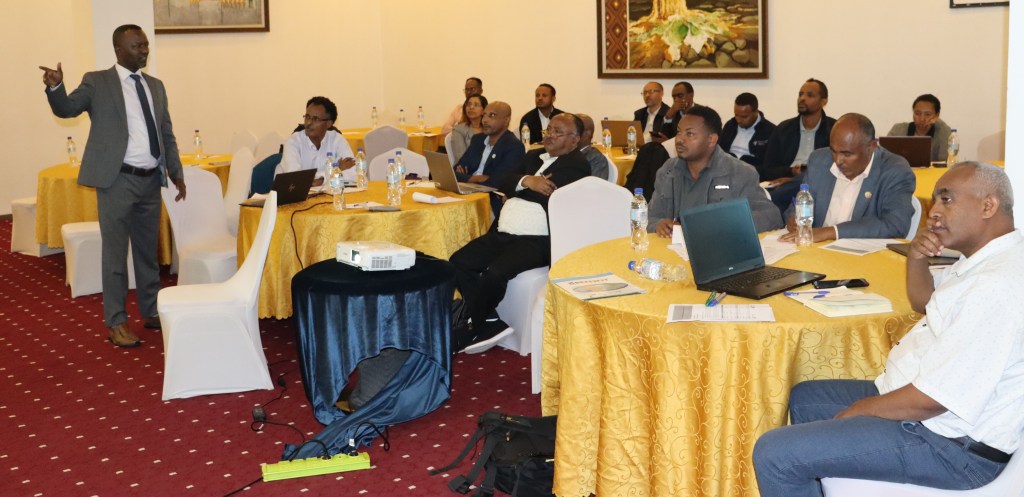
To promote One Health (OH) approach adoption and integration in Ethiopia, the SWR Ethiopia RAISE-FS project facilitated a validation workshop for a comprehensive study titled “Assessment of One Health Policy Adoption and Integration in Ethiopia.” The study, commissioned and technically supported by the project, was conducted across four regions: Amhara, Oromia, South, and Tigray. The workshop was meant to provide a platform for key stakeholders in the OH sector to review and validate the study’s findings, as well as to contribute additional insights to enhance the quality and comprehensiveness of the study document.
The study aimed to evaluate the application and effectiveness of the One Health (OH) approach in Ethiopia, assess collaboration among OH stakeholders, identify key gaps and challenges, and provide actionable recommendations to support sustainable implementation of OH within food systems transformation.
Key findings of the study
The study revealed Ethiopia’s formal adoption of the OH approach in 2017, marked by the establishment of the National One Health Steering Committee (NOHSC) and a quadripartite Memorandum of Understanding (MoU) signed in 2018 among key ministries. It highlighted milestones such as the formation of technical working groups (TWGs) focusing on zoonotic diseases, antimicrobial resistance (AMR), food safety, and emerging pandemic threats. National strategic plans for OH were also developed for 2018-2022 and 2025-2029.
The study also identified critical gaps such as weak policy enforcement, resource shortages, limited diagnostic capacity, poor agrochemical regulation, and fragmented monitoring and evaluation mechanisms. These challenges were compounded by low community engagement and underrepresentation of certain OH sectors.
Despite these challenges, the study identified numerous opportunities to promote OH adoption in Ethiopia. These include global support from organizations like WHO and FAO, government commitment, legal frameworks such as Regulation No. 529/2023, integration of OH into education curricula, increased research initiatives, and growing interest among professional associations.
To address the identified gaps, the study outlined a series of recommendations:
Strengthen policy and legal frameworks: Develop a dedicated national OH policy defining clear roles and accountability among sectors.
Enhance multi-sectoral coordination and collaboration: Build capacity within the IHR-OH Secretariat Office and mainstream OH implementation within national food systems transformation.
Invest in workforce development: Define essential competencies and ensure adequate staffing across all regions.
Improve infrastructure and logistics: Establish a national laboratory for OH diagnostics and commit dedicated budgets for interventions.
Support research and education: Strengthen academic institutions to generate evidence for policy support and establish research-development-extension linkages.
Advance advocacy and communication: Develop harmonized advocacy messages tailored to different audiences while promoting indigenous knowledge.
Foster community engagement: Ensure participatory planning, implementation, monitoring, and evaluation at local levels.
Establish robust monitoring & evaluation frameworks: Apply consistent M&E mechanisms across regional structures to track progress.
Stakeholder reflections and group discussions
During the workshop, participants raised pertinent issues which they taught should be addressed in the study. The study team also acknowledged the concerns and promised to address the issues and incorporate constructive comments and suggestions. It was also suggested that including additional regions in the study would provide a more comprehensive analysis.

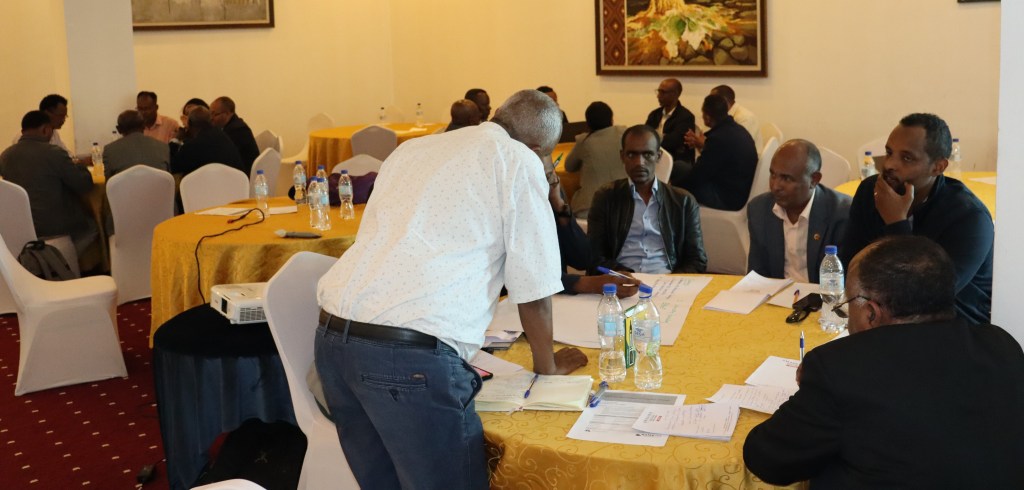
Participants actively engaged in group discussions focusing on governance, coordination, capacity building, communication, advocacy, and monitoring and evaluation within the One Health (OH) sector. During these sessions, they identified key challenges impeding progress, proposed actionable solutions, and delineated the roles and responsibilities of various organizations to foster improved governance and streamlined coordination. Outcomes from these group deliberations were subsequently presented in a plenary session to ensure collective input and alignment. The final consolidated output was shared with the study team for integration into the main study document.
Closing remark
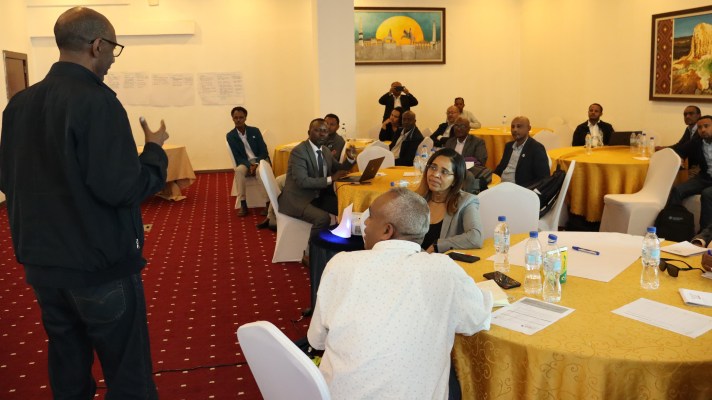
Dr. Dawit Alemu, SWR Ethiopia Country Representative, commended the study team and participants for their contributions. He emphasized the importance of such initiatives in driving meaningful change within Ethiopia’s One Health sector. Highlighting previous successes such as achievements by the Food Safety Working Group facilitated by SWR Ethiopia, Dr. Dawit urged continued engagement from all stakeholders to ensure impactful outcomes.
The workshop convened senior professionals from the Ministry of Health, Ministry of Agriculture, Ethiopian Agricultural Authority, Environmental Protection Authority, Ethiopian Institute of Agricultural Research, Addis Ababa University, Ethiopian Veterinary Association, ILRI, FAO, Ethiopian Public Health Association, Ethiopian Environmental Health Association, and other development partners.
 raise-fs.org