
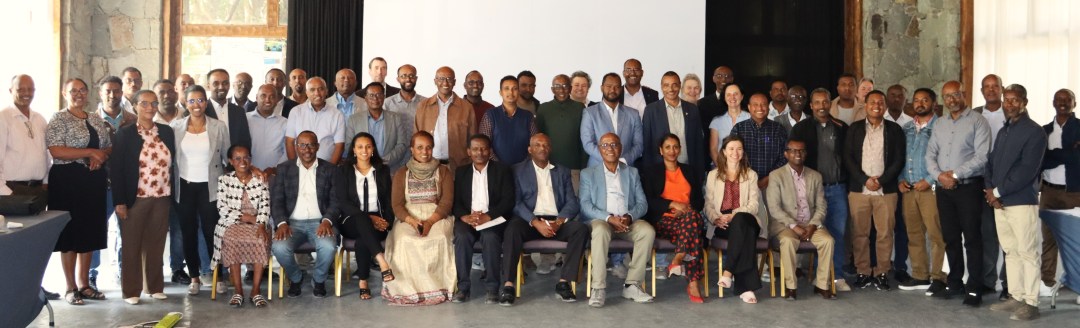
An expert workshop entitled “Expert Workshop on Food System Transformation for Ethiopia – experiences from RAISE-FS” was organized on February 5th, 2026. The main aim of the Expert workshop was to create a space for key high-level Experts from relevant public organizations (MoA, MoTRI, MoPD), Knowledge Institutes (HLIs and ARIs), private actors, and development partners to share generated evidence of innovations, foster collaboration, and explore strategies for institutionalizing and mainstreaming proven RAISE-FS innovation bundles into Ethiopia’s food system.
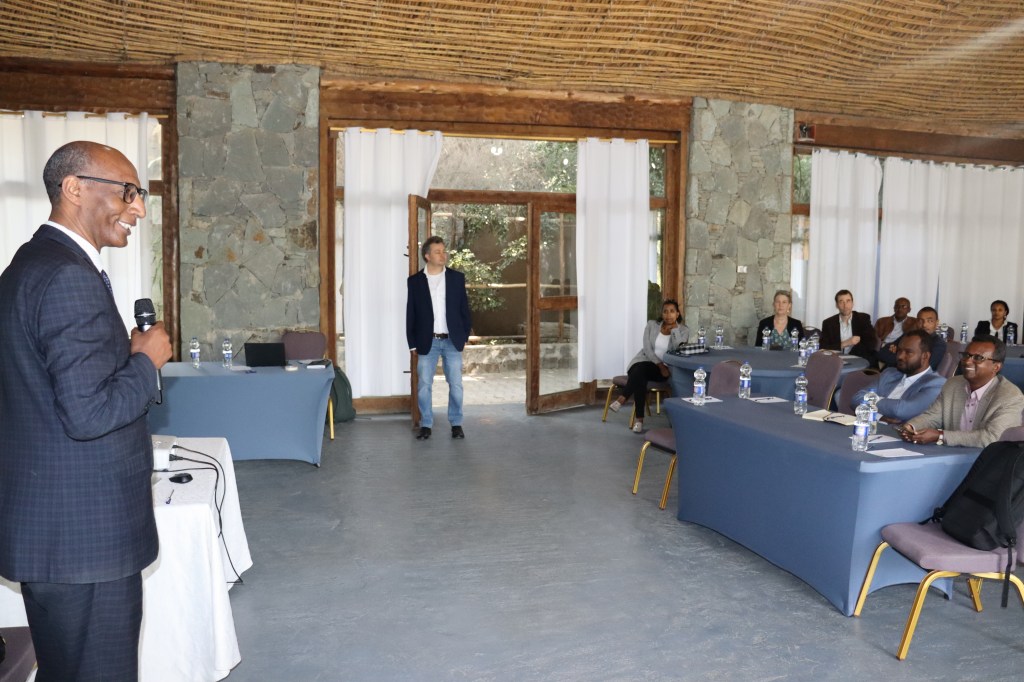
Dr. Dawit Alemu, SWR Ethiopia country representative and RAISE-FS project manager, welcomed participants and set the tone for the workshop. He explained that the purpose of this expert workshop is to share evidence-based innovations in areas of policies, practices, institutional development, and capacity building, accumulated over the past four years of the project. Dr Dawit emphasized the importance of collecting feedback from experts to improve mechanisms for mainstreaming and institutionalizing these innovations.
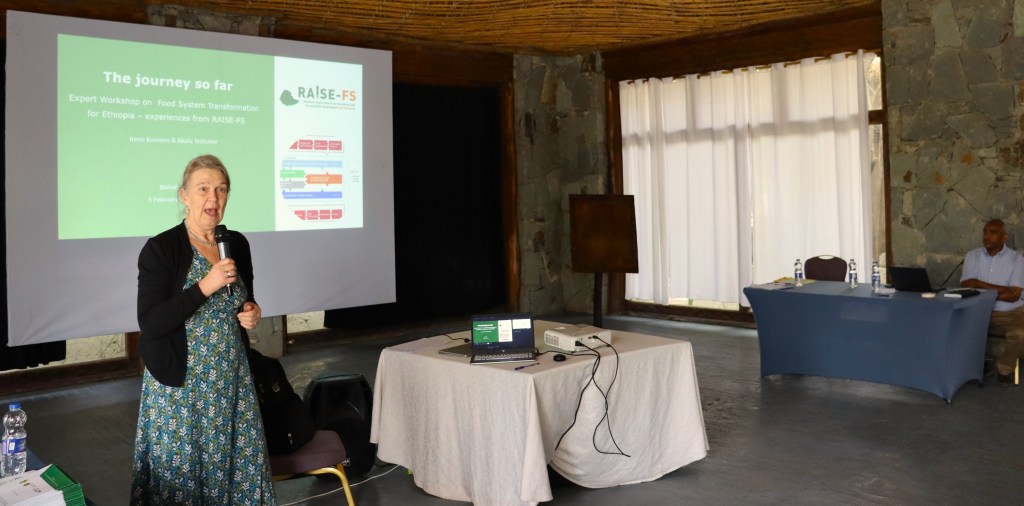
Dr. Irene Koomen, the RAISE-FS project coordinator at Wageningen University & Research, shared valuable insights into the project’s journey and achievements to date. She elaborated on the transition from the experiences of BENEFIT to adopting a comprehensive food system framework, highlighting the project’s key outcome areas and the development of Ethiopian food system typologies. Dr. Irene discussed the identification of leverage points within these systems, the pathways designed to address them, and the interventions and innovation bundles created through the project. Furthermore, she emphasized the potential of these efforts to tackle systemic challenges in Ethiopia’s food systems while aligning with the country’s broader goals for transforming its food systems.
Round table conversation on key themes
The workshop featured group discussions centred around four critical themes, each aligned with Ethiopia’s food system roadmap and the evidence generated by RAISE-FS:
Sustainable production practices and food safety:the first group explored RAISE-FS’s experience with sustainable production practices and food safety measures aimed at ensuring access to high-quality, nutritious foods. This theme aligns with Ethiopia’s goal of improving the availability and accessibility of safe, nutrient-dense foods.
Promoting healthy diets and social inclusion: the second group focused on fostering healthy diets while addressing social inclusion, with a particular emphasis on gender equity. This discussion tied into Ethiopia’s focus on sustainable and equitable consumption practices.
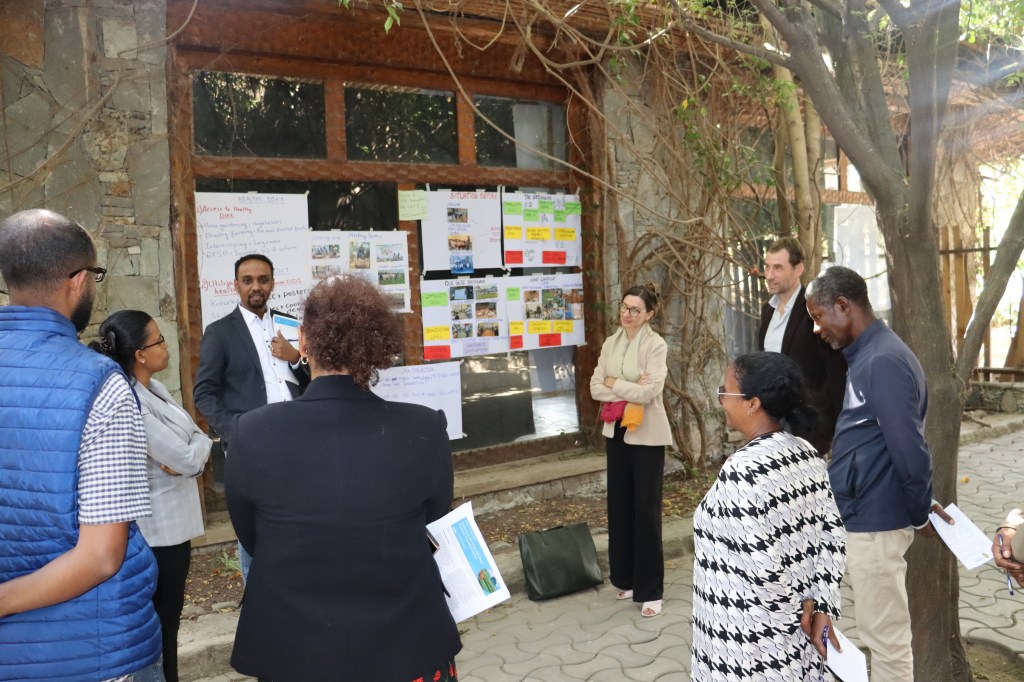
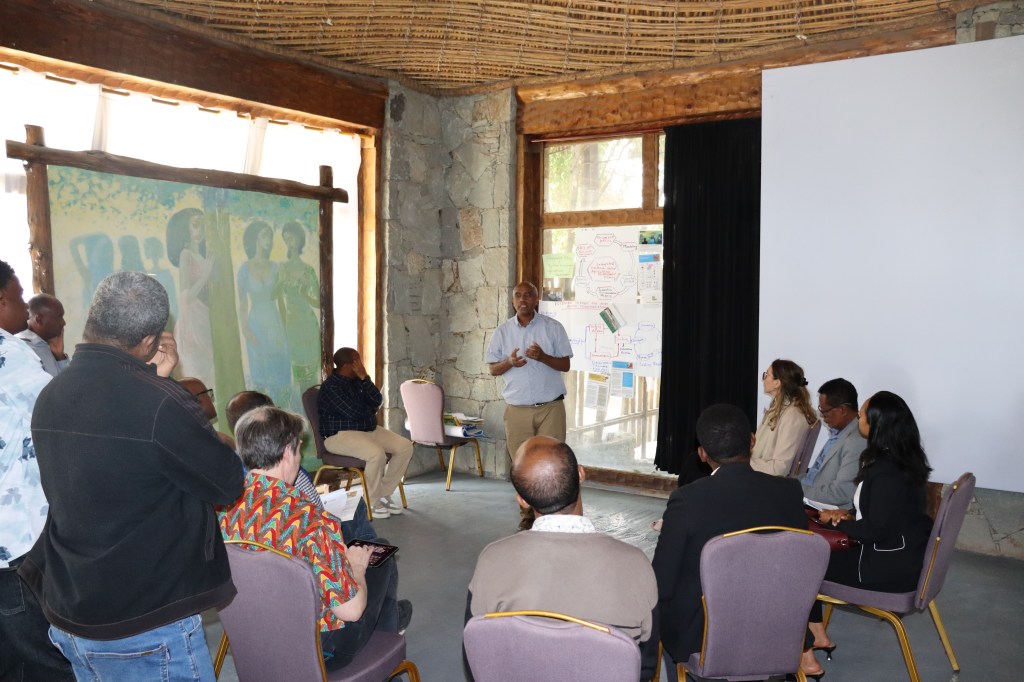
Bottom-up planning and agricultural innovation: the third group delved into bottom-up planning approaches and the critical role of extension services in driving agricultural innovation. This theme aligns with integrated policy development and systems transformation for agriculture.
Sector development and enabling systems: the fourth group examined key enablers of food system transformation, including sector development, agri-finance, seed systems, and regional coordination. These discussions highlighted the importance of improving access to markets, information, and infrastructure, which align with cluster 5 and 7 of the Ethiopian roadmap.
Reflections from high-level panelists
A panel of high-level experts; Dr. Mulugeta Teamir (FAO, formerly worked as a food system advisor at MoA), Dr. Sewhareg Adamu (Lodestar Associates), and Fessah Tekele (Ministry of Health, Sekota Declaration); shared their reflections on the RAISE-FS project. They commended the project’s innovative approaches and highlighted its relevance in addressing Ethiopia’s food security, nutrition, and agricultural sustainability challenges. The panel particularly highlighted the project’s significant achievement in effectively translating complex food system theories into practical, actionable solutions, thereby contributing meaningfully to the advancement of sustainable food systems in the country.
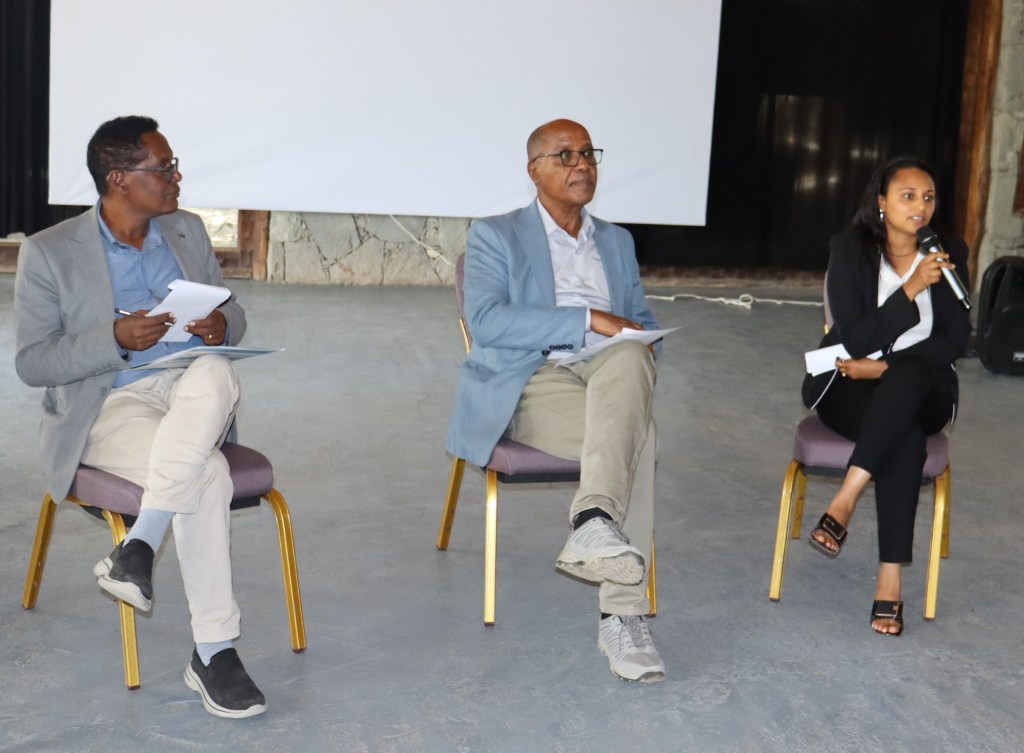
The panelists emphasized that mainstreaming and institutionalizing these innovations could have a transformative impact on Ethiopia’s food systems. They also discussed opportunities to scale up successful interventions and integrate them into national policies and operational frameworks. They suggested other initiatives like the Sekota Deceleration has a lot to take up and institutionalize.
Building momentum for collaboration
One of the most significant outcomes of the workshop was the initiation of conversations around collaboration and taking up further the evidence and innovation bundles of RAISE-FS project. The RAISE-FS team engaged stakeholders with the goal of creating a shared commitment to advancing food system transformation efforts in Ethiopia. Participants left the meeting not only informed but also inspired to incorporate these learning into their own strategies.
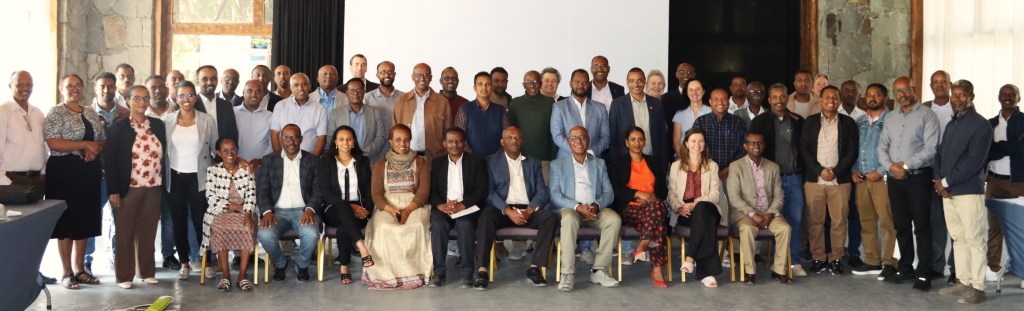
The diversity of participants; from government ministries to international organizations, research institutions, and NGOs; reflected the multi-sectoral nature of food systems. This diversity enriched discussions and underscored the importance of cross-sector collaboration to institutionalize the innovation bundles to bring about maximum impact on the intended users of the innovations.
The workshop brought together a diverse group of high-level stakeholders from various sectors. Representatives from the Ministry of Agriculture, Agricultural Transformation Institute (ATI), the Ministry of Health, the Ethiopian Public Health Institute, the Ministry of Planning and Development, the Ministry of Trade and Regional Integration, Ethiopian Institute of Agricultural Research, Hawassa University, Haramaya University, Bahir Dar University, CGIAR, Farm Radio International, AGRA, FAO, Sekota Deceleration, Embassy of the Kingdom of Netherlands and Wageningen Research Ethiopia.
Looking ahead: The path to transformation
In her closing remarks, Mrs. Yenenesh Egu, Agriculture and Horticulture Extension Lead Executive Officer, at Ministry of Agriculture, expressed her gratitude to all participants for their active engagement and constructive feedback. She reiterated that Sticthing Wageningen Research Ethiopia has been supportive to the ministry of agriculture whenever necessary. She also emphasized what has been showcased from RAISE-FS holds immense potential to contribute to Ethiopia’s food system transformation. However, for this potential to be realized, it is crucial for all relevant stakeholders to embrace these innovation bundles and integrate them into their regular plans. She highlighted the bottom-up integrated planning approach as very good experience and that she would do her best that to be taken up by the ministry. Mrs Yenenesh expressed her heartfelt thanks to Embassy of the Kingdom of Netherlands for supporting Ethiopian development efforts in many directions.
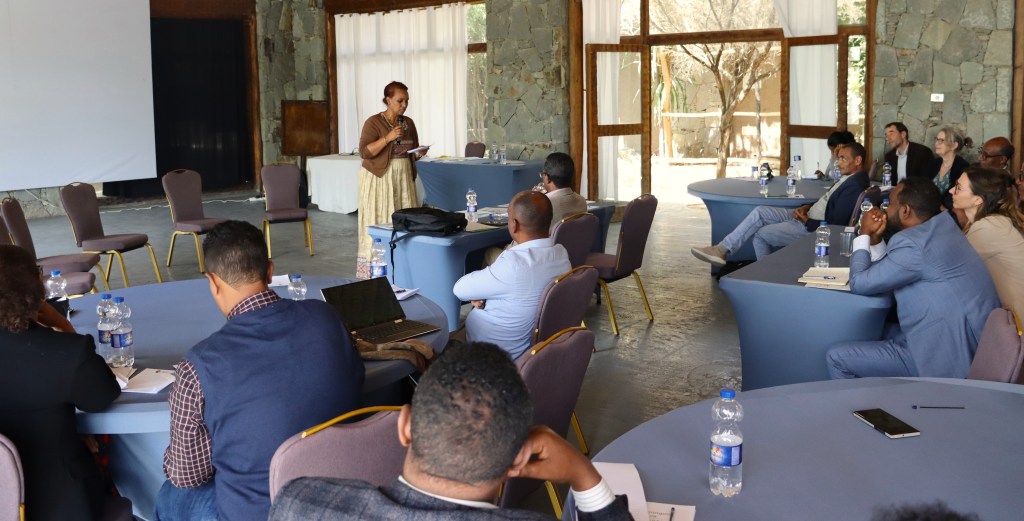
Moving forward, RAISE-FS will focus on refining selected innovation bundles, documenting key learning, and collaborating with implementing partners to ensure effective institutionalization of these innovation bundles.
 raise-fs.org