
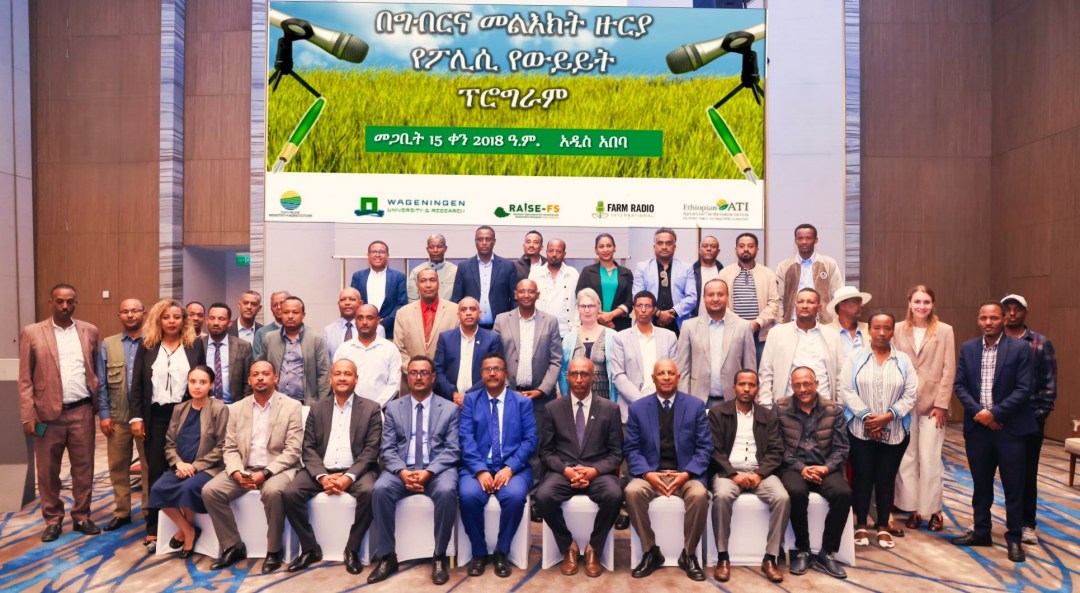
A high-level policy dialogue aimed at improving agricultural messaging in Ethiopia was organized by Wageningen Research (SWR) Ethiopia in collaboration with the Agricultural Transformation Institute (ATI). The event, held in Addis Ababa on 24th of March 2026, brought together policymakers, researchers, farmers, media practitioners, and development partners to discuss the findings of a comprehensive study … Continue reading Policy dialogue to enhance agricultural messaging in Ethiopia

Advancing Agrologistics for Resilient and Sustainable Food Systems: RAISE-FS LOGIC Kicks Off in Ethiopia
The agricultural sector plays a pivotal role in ensuring food security, fostering economic growth, and enhancing livelihoods. Recognizing the critical need for efficient agrologistics in transforming food systems, the project "Advancing Agrologistics for Resilient, Inclusive and Sustainable Food Systems (RAISE-FS LOGIC)" was officially launched with a planning workshop involving key stakeholders. This two-year initiative, funded … Continue reading Advancing Agrologistics for Resilient and Sustainable Food Systems: RAISE-FS LOGIC Kicks Off in Ethiopia
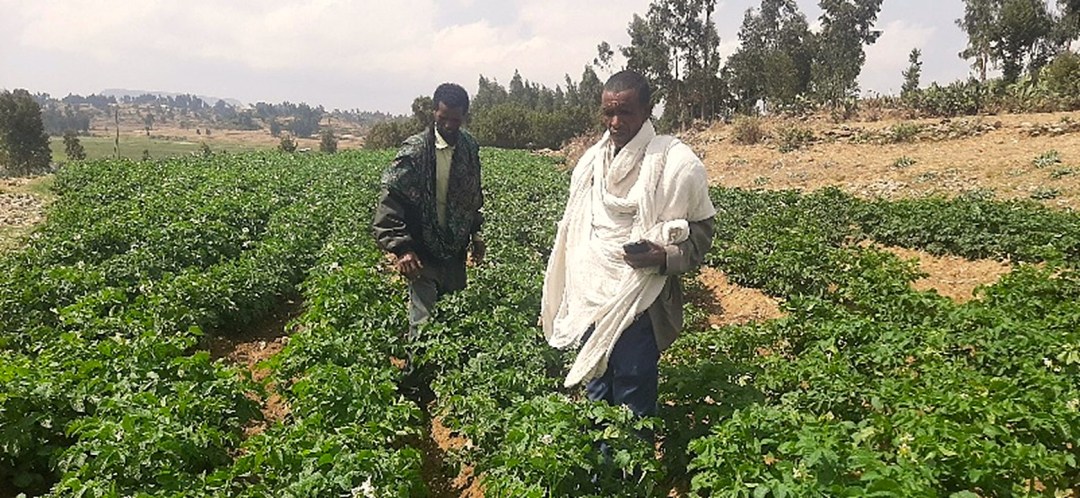
Tigray’s potato seed system: Innovation, collaboration, and impact
Potatoes are a vital source of food and income for smallholder farmers in Tigray region, Ethiopia. However, productivity in the region has lagged behind national averages. To address this, the RAISE-FS project, in collaboration with its implementing partners, has introduced potato innovation bundles in Tigray’s Tsaeda Emba and Atsbi woredas to demonstrate evidence of innovation … Continue reading Tigray’s potato seed system: Innovation, collaboration, and impact
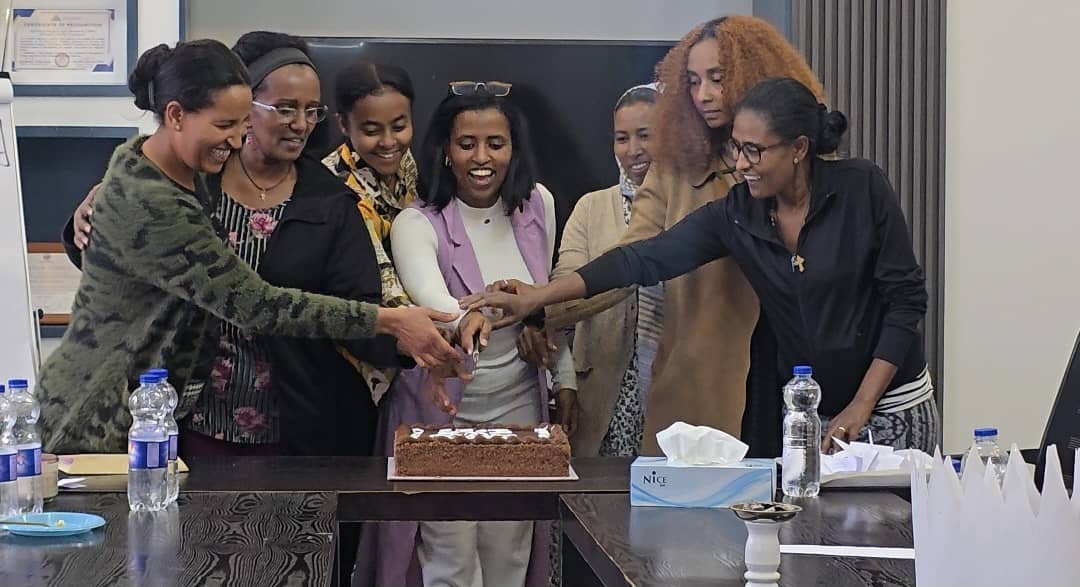
Where culture meets action: Marking 2026 International Women’s Day at SWR Ethiopia
At SWR Ethiopia, International Women’s Day (IWD) is more than a moment of celebration it is a deliberate effort to reflect on progress, challenge norms, and strengthen an organizational culture that promotes gender equality and inclusion. Each year, the day serves as both a recognition of achievements and a renewed commitment to creating a workplace … Continue reading Where culture meets action: Marking 2026 International Women’s Day at SWR Ethiopia
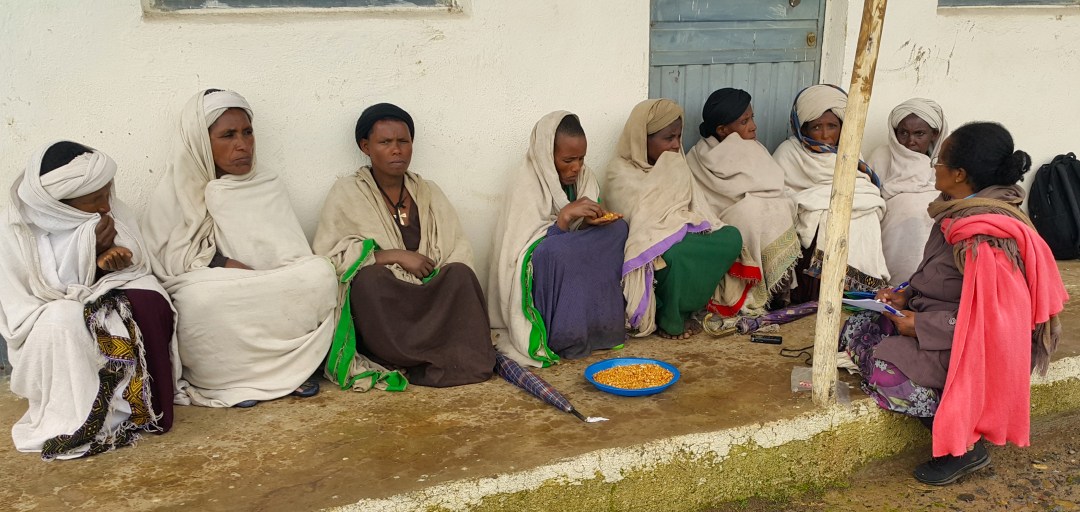
Advice from a changemaker: Dr. Bosena’s tips for aspiring women in research
This International Women’s Day, celebrated under the theme "GiveToGain," we honor the remarkable journey of Dr. Bosena Tegegne, an Associate Professor in Agricultural Economics. Through her dedication and contributions, she has inspired change, empowered communities, and paved the way for a brighter future in agriculture. Childhood dream As a child, Dr. Bosena dreamed of becoming … Continue reading Advice from a changemaker: Dr. Bosena’s tips for aspiring women in research
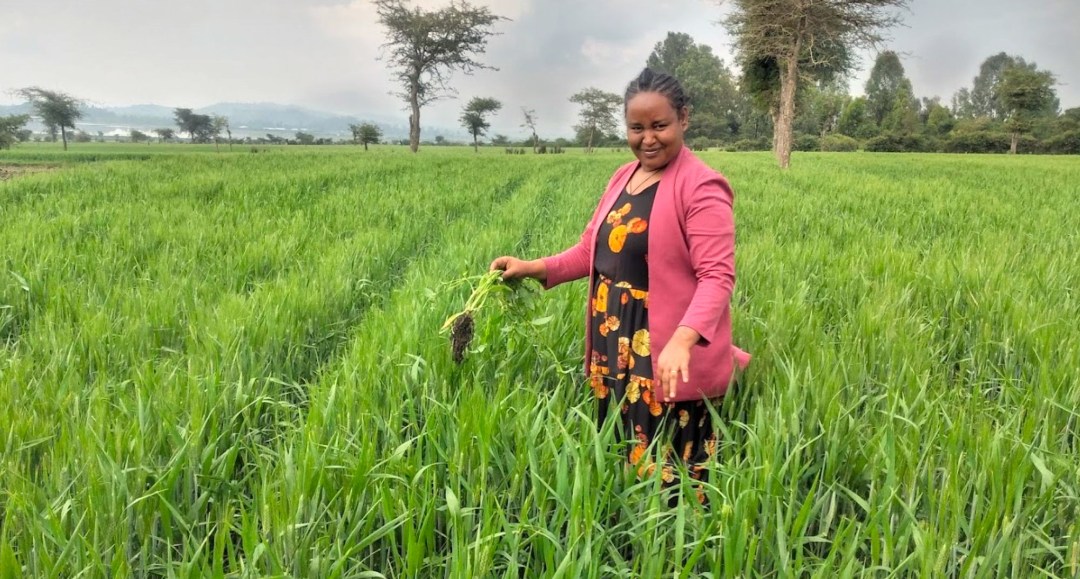
Celebrating Truayinet Mekuriaw: An exemplary woman in agricultural research
On this International Women’s Day, celebrated under the theme "GiveToGain," we take pride in highlighting the inspiring journey of Truayinet Mekuriaw, a dedicated agricultural researcher and advocate for gender equality. Truayinet Mekuriaw holds a B.Sc. in Rural Development and Agricultural Extension from Haramaya University and an M.Sc. in Rural Development from Hawassa University. Her professional … Continue reading Celebrating Truayinet Mekuriaw: An exemplary woman in agricultural research
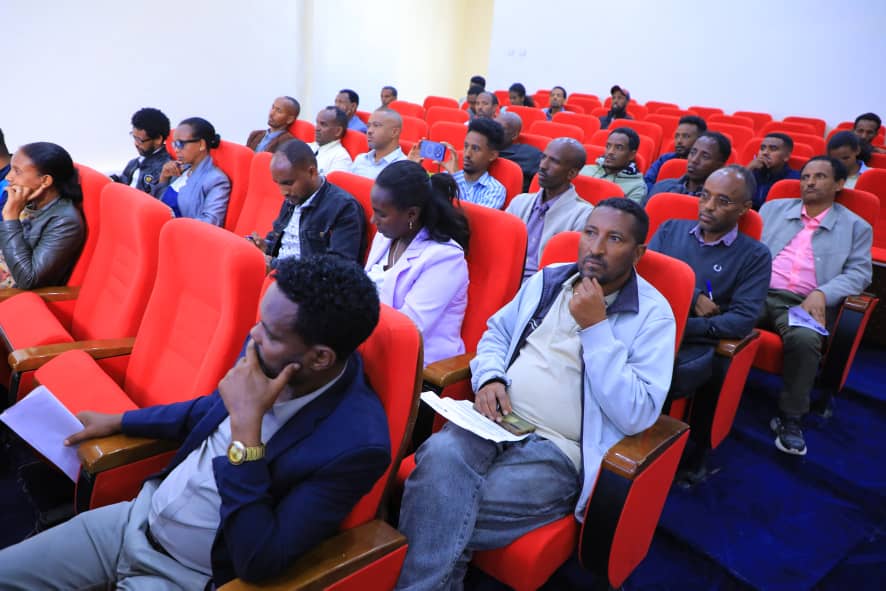
From research to regulation: Strengthening pesticide governance in Tigray Region
Effective pesticide management is essential for ensuring sustainable agricultural practices and safeguarding public health. In the Tigray region of Ethiopia, the urgent need for improved pesticide governance has come to light through a study conducted by Sticthing Wageningen Research Ethiopia RAISE-FS project in collaboration with Mekelle University. This research, focusing on pesticide life cycle management, … Continue reading From research to regulation: Strengthening pesticide governance in Tigray Region
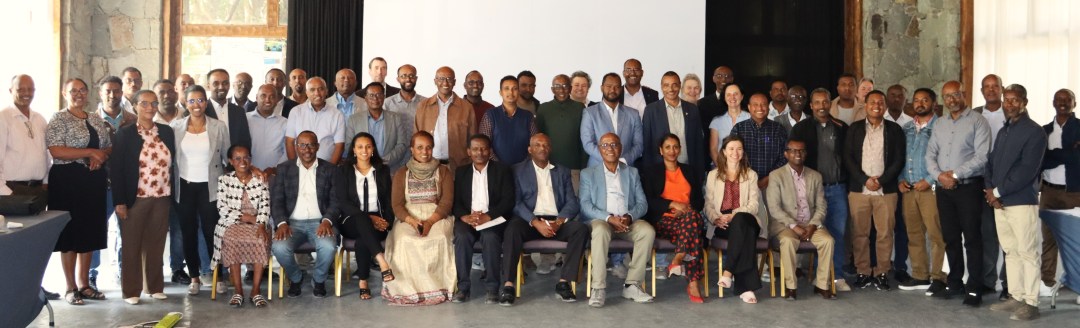
Catalysing food system transformation in Ethiopia: Insights from the RAISE-FS expert workshop
An expert workshop entitled “Expert Workshop on Food System Transformation for Ethiopia – experiences from RAISE-FS” was organized on February 5th, 2026. The main aim of the Expert workshop was to create a space for key high-level Experts from relevant public organizations (MoA, MoTRI, MoPD), Knowledge Institutes (HLIs and ARIs), private actors, and development partners … Continue reading Catalysing food system transformation in Ethiopia: Insights from the RAISE-FS expert workshop
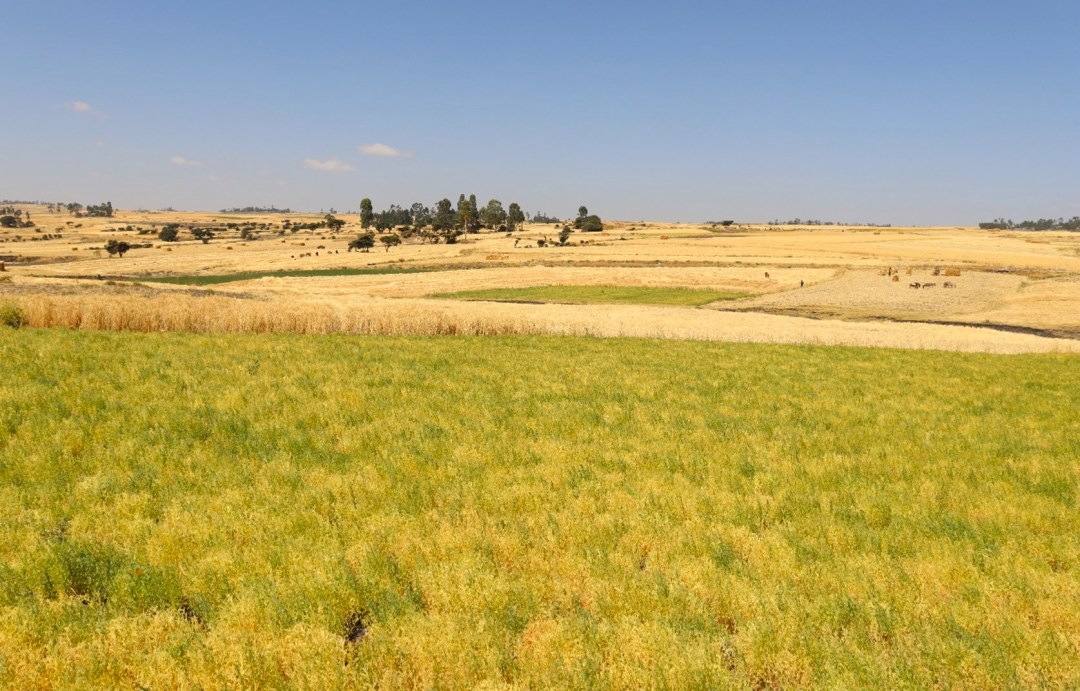
Revitalizing lentil production in Gumbichu woreda, Oromia region
In a collaborative effort to revive Ethiopia's once-thriving lentil production, the SWR Ethiopia’sRAISE-FS project has been working jointly with the Ethiopian Institute of Agricultural Research (EIAR) and Bishoftu Agricultural Research Centre (BARC) to scale up lentil innovation bundles in Gumbichu woreda. This initiative, in partnership with local stakeholders, aims to tackle the pressing challenges that … Continue reading Revitalizing lentil production in Gumbichu woreda, Oromia region
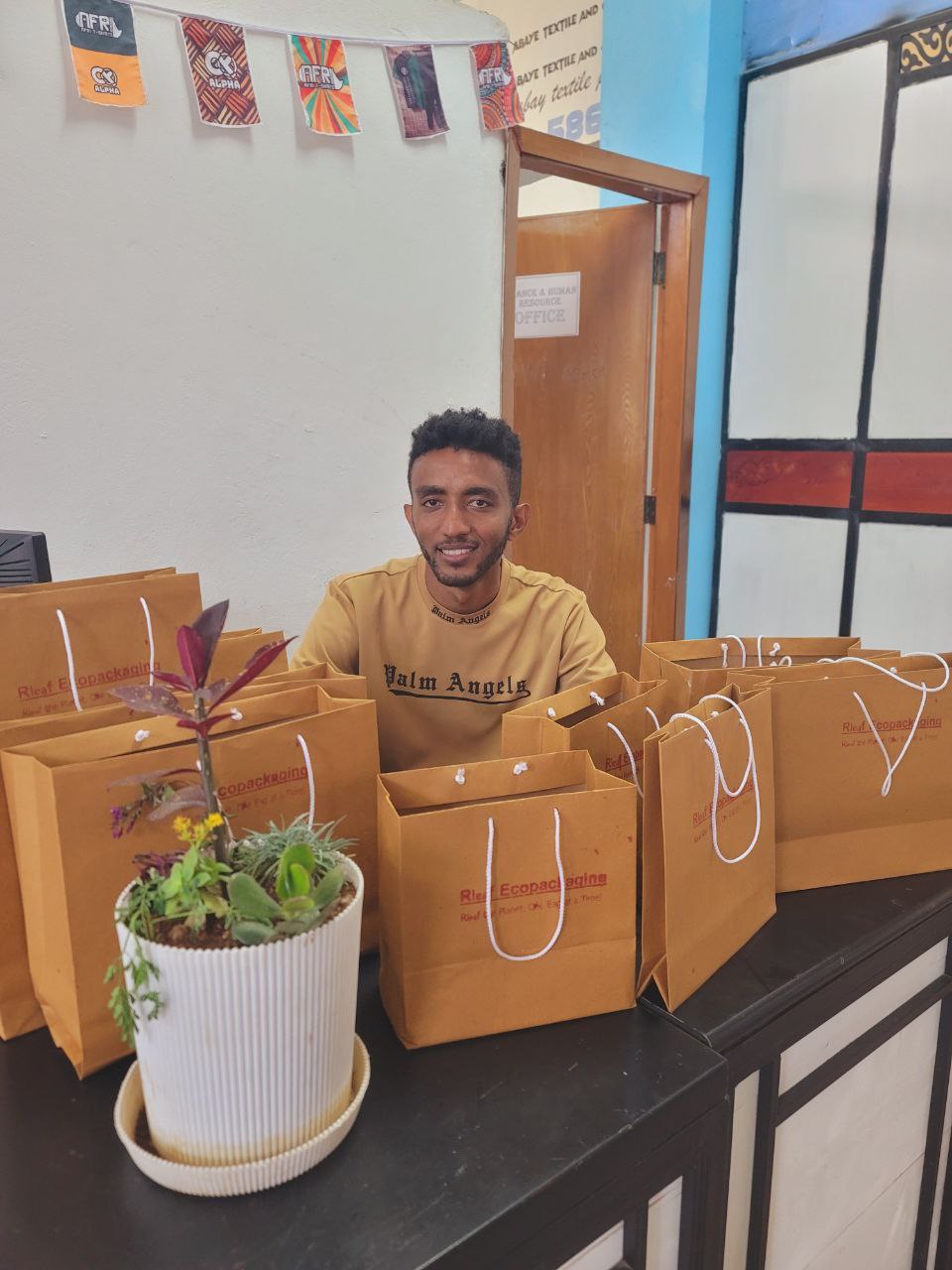
Transforming waste into wealth: The innovative journey of Bereketab Kataro
In a world grappling with environmental degradation and the harmful effects of plastic pollution, innovative solutions are the need of the hour. One such inspiring story comes from Ethiopia, where a young innovator, Bereketab Kataro, is turning banana farm waste into eco-friendly paper bags. Bereketab is not only making strides in sustainable development but also … Continue reading Transforming waste into wealth: The innovative journey of Bereketab Kataro
Breaking new ground: Testing the ABCD[E] framework for food systems resilience in Ethiopia
In a landmark effort to bolster food systems resilience, researchers under the SWR Ethiopia RAISE-FS project, in collaboration with Wageningen Social & Economic Research, have successfully applied the ABCD[E] framework in Ethiopia’s potato sector. This marks the first real-world implementation of the ABCD[E] framework, which stands for Agency, Buffering, Connectivity, Diversity, and Enablers. The study, … Continue reading Breaking new ground: Testing the ABCD[E] framework for food systems resilience in Ethiopia
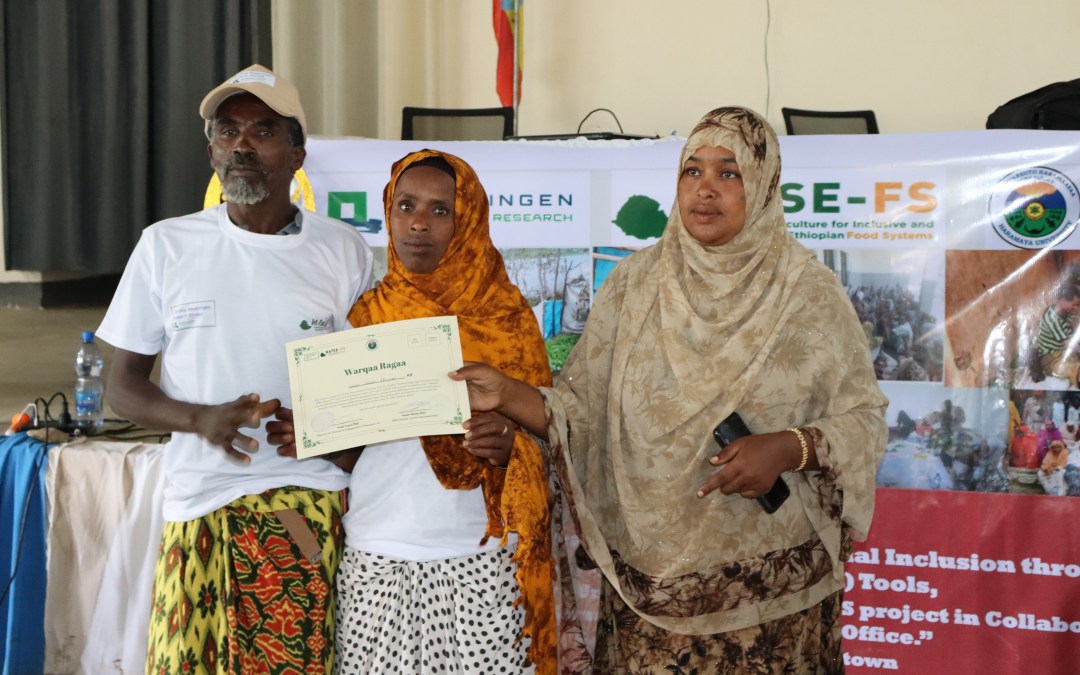
Gender transformation success celebrated in Kersa woreda, Oromia region
Kersa woreda celebrated significant achievements in improving gender equality through the implementation of Social Analysis and Action (SAA) tools. This initiative, a collaborative effort by the SWR Ethiopia RAISE-FS project and Haramaya University, alongside local stakeholders, aims to challenge traditional gender norms and promote equitable relationships within households and communities. Recognizing progress and key contributors … Continue reading Gender transformation success celebrated in Kersa woreda, Oromia region
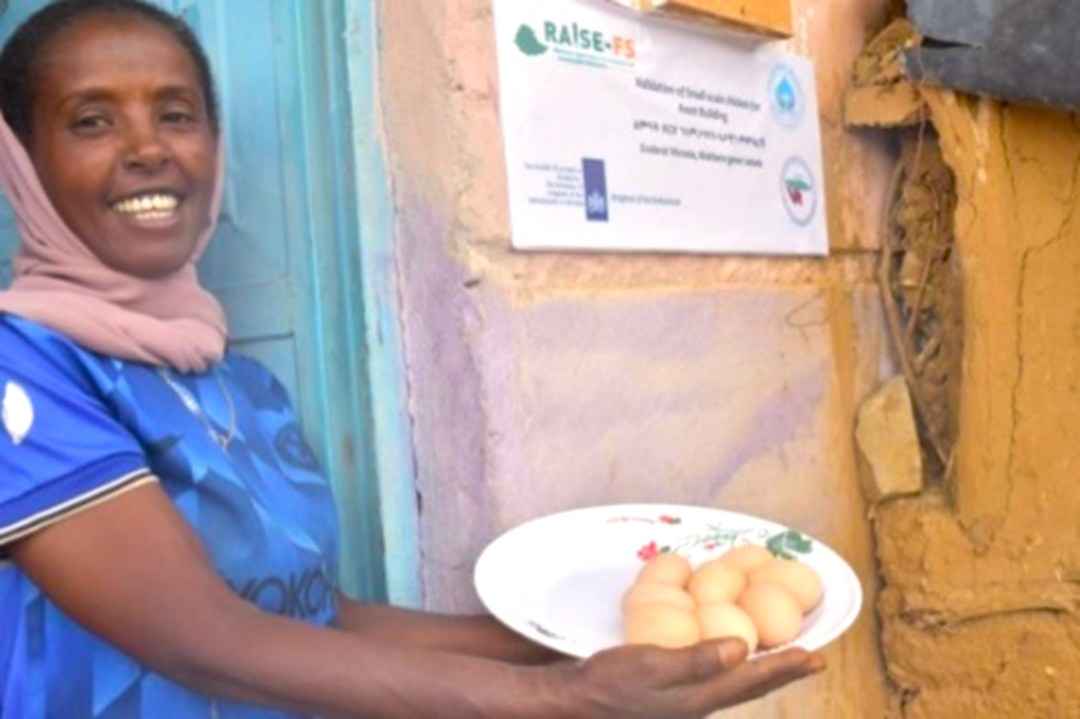
Transforming vulnerability into resilience: The role of poultry production in Atsbi and Enderta woredas
In the face of adversity, finding sustainable solutions to improve livelihoods and empower marginalized communities is a challenge worth due attention. In the Tigray region of northern Ethiopia, where crises like armed conflict, recurrent drought, and locust invasions have devastated food systems and livelihoods, poultry production has emerged as an opportunity to empower rural livelihoods. … Continue reading Transforming vulnerability into resilience: The role of poultry production in Atsbi and Enderta woredas

Training on basic nutrition and hands-on food oat recipe preparation for farmers
In a significant step towards enhancing nutrition and dietary diversity in rural Ethiopia, the SWR Ethiopia RAISE-FS Project, in collaboration with the Sirinka Agricultural Research Center (SARC), organised an engaging hands-on training session on basic nutrition and food oat recipe preparation. The training aimed to raise farmers awareness on nutrition and practical ways to incorporate … Continue reading Training on basic nutrition and hands-on food oat recipe preparation for farmers

Consultative workshop on leafy vegetables and root crops production and food recipe manual
The SWR Ethiopia RAISE-FS project, in collaboration with the Ethiopian Institute of Agricultural Research (EIAR) and the Melkassa Agricultural Research Centre, successfully organized a consultative workshop at Adama city, on December 4, 2025. The workshop focused on reviewing and refining a production and food recipe manual tailored for selected leafy vegetables and root crops. This … Continue reading Consultative workshop on leafy vegetables and root crops production and food recipe manual
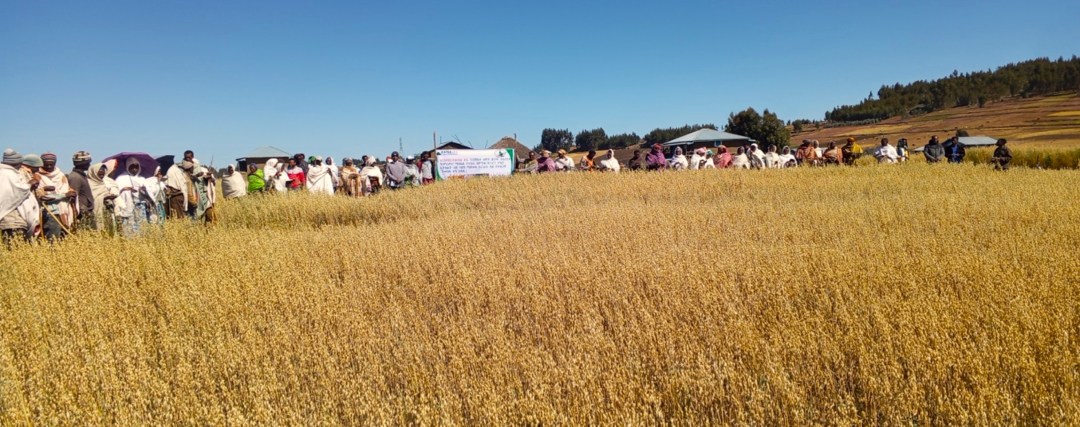
Sirinka ARC showcases agricultural innovations in Angot woreda, North Wollo Zone
Sirinka Agricultural Research Center (SARC), in partnership with SWR Ethiopia’s RAISE-FS project, organised a field day in Angot woreda to showcase successful agricultural innovations aimed at transforming the food and farming systems in the drought-prone highlands of North Wollo zone, such as Angot and Gazo woredas. Over 85 participants attended the event, including 60 farmers … Continue reading Sirinka ARC showcases agricultural innovations in Angot woreda, North Wollo Zone
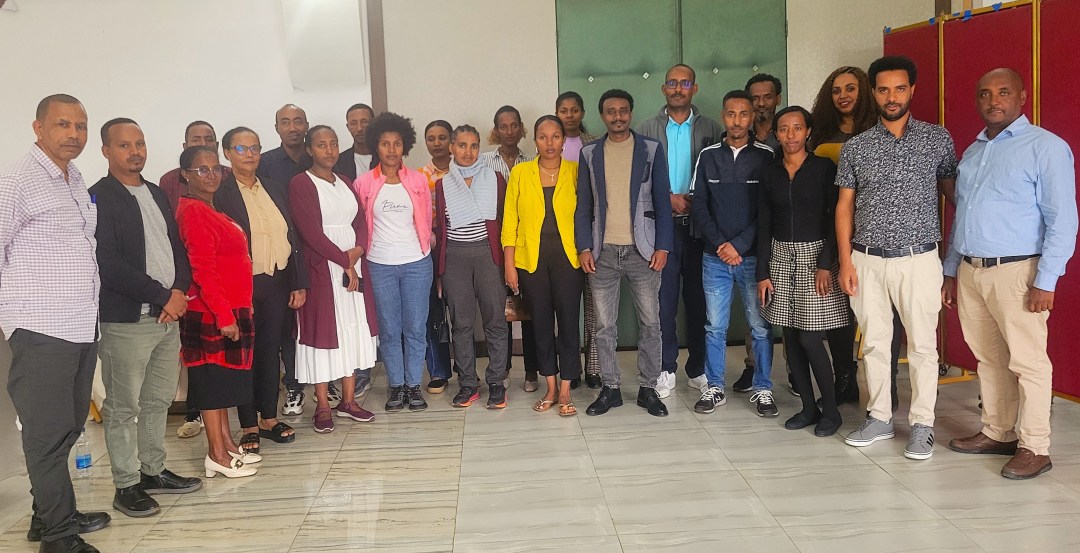
Empowering media voices: Training journalists to drive change in food safety and nutrition
To raise public awareness on food safety and nutrition, SWR Ethiopia’s RAISE-FS project, in partnership with Bahir Dar University, recently held a three-day training programme for 15 media professionals from different media in the Amhara region. The programme aimed to equip journalists with the information, knowledge and resources needed to promote safer food systems and … Continue reading Empowering media voices: Training journalists to drive change in food safety and nutrition
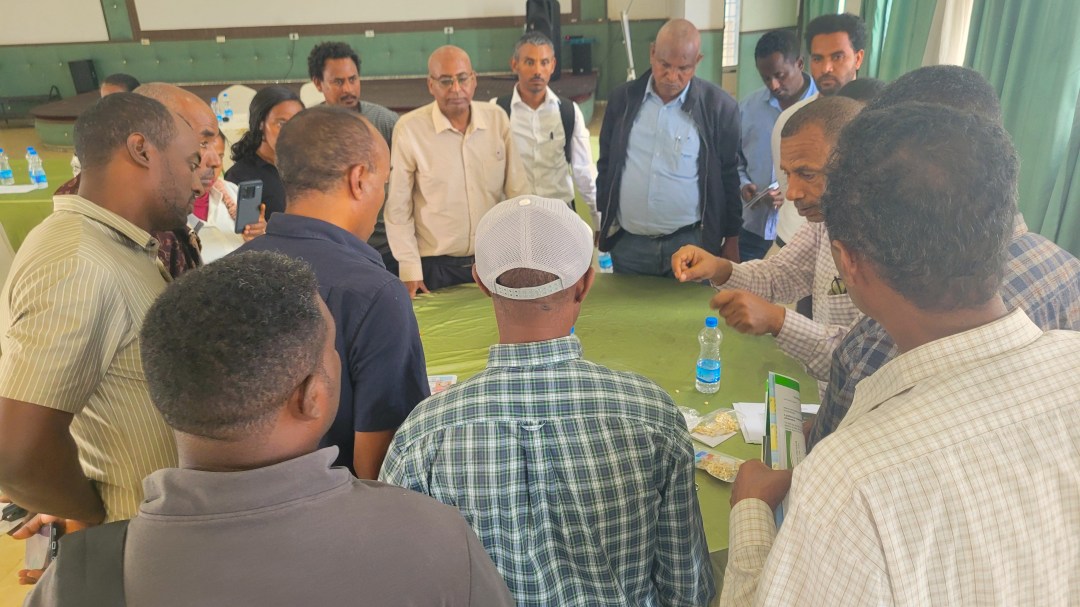
Second food safety technical working group meeting advances collaborative efforts in Bahir Dar
On October 27, 2025, SWR Ethiopia's RAISE-FS project, in partnership with Bahir Dar University and the Ethiopian Food and Drug Authority (EFDA), Bahir Dar Branch, held the second meeting of the Food Safety Technical Working Group in Bahir Dar. This important gathering brought together 27 stakeholders from diverse sectors to discuss and tackle pressing food … Continue reading Second food safety technical working group meeting advances collaborative efforts in Bahir Dar
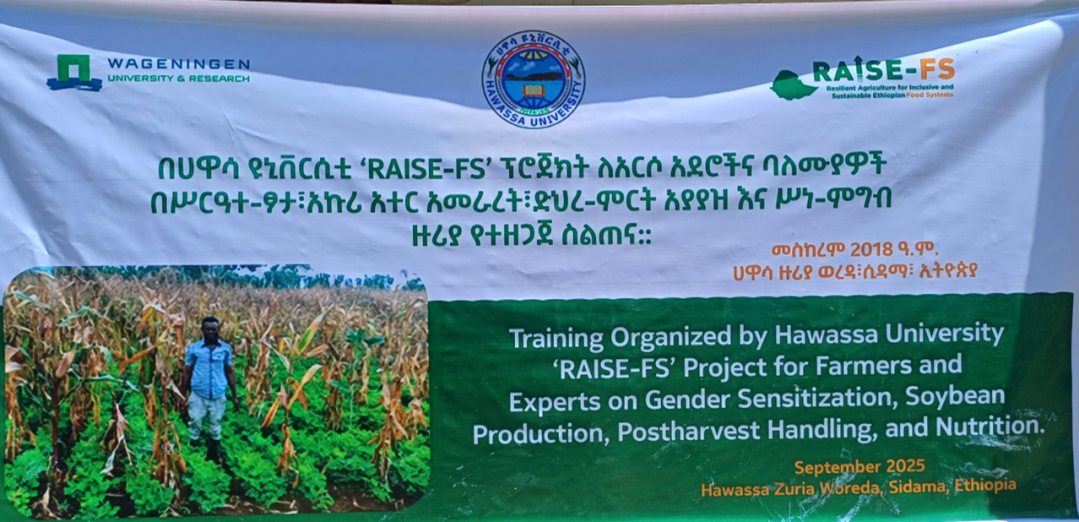
Scaling soya bean in Southern Ethiopia: Bridging knowledge gaps with gender focused training on soybean agronomy and nutrition
Southern Ethiopia’s Sidama region is fast becoming a hub for soybean production and marketing, offering immense potential for economic growth and improved livelihoods. In line with this promising development, the SWR Ethiopia RAISE-FS project, in partnership with Hawassa University, has been spearheading efforts to scale up soybean innovations over the past four years. A key … Continue reading Scaling soya bean in Southern Ethiopia: Bridging knowledge gaps with gender focused training on soybean agronomy and nutrition
Joint efforts to tackle food insecurity through localized solutions: the role of sustainable home gardening
In the southern part of Ethiopia, Silti and Boloso Bombe woredas, which are agriculture-dominated and food-insecure areas, are grappling with the challenges of erratic rainfall, small landholdings, poor soil fertility, and limited farming practices. These woredas, characterized by low dietary diversity, high child malnutrition rates, and limited off-farm income opportunities, have long been reliant on … Continue reading Joint efforts to tackle food insecurity through localized solutions: the role of sustainable home gardening
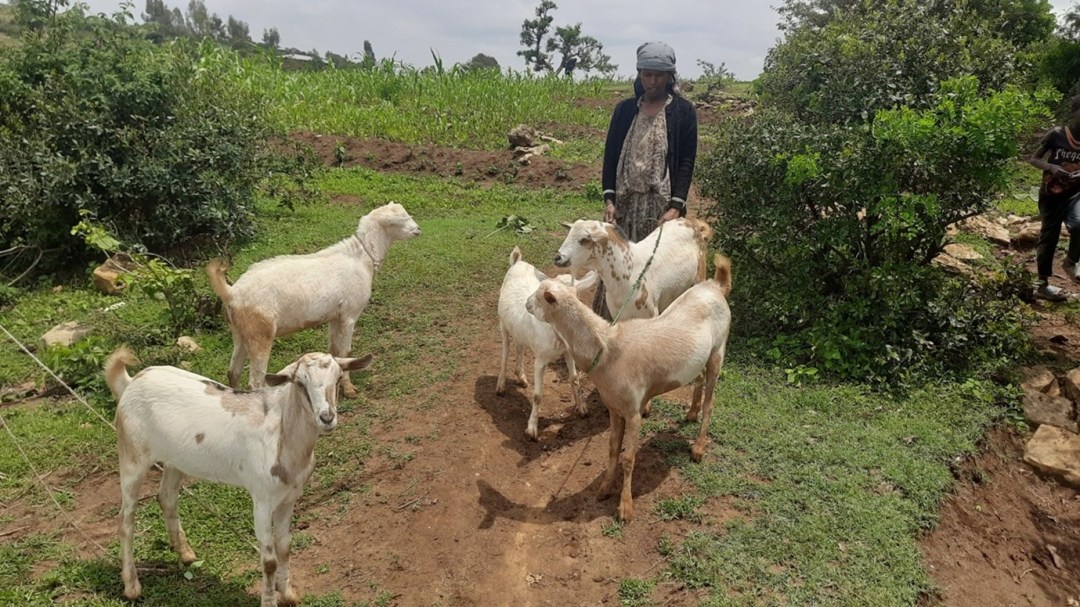
Addressing financial barriers to engage youth and women in a goat fattening business model
Haramaya University, in collaboration with SWR Ethiopia RAISE-FS project, is promoting a goat fattening business model to benefit youth and women in Babile and Kersa woredas of Oromia region. Launched earlier this year, the initiative is already showing promising progress. One of the major challenges in promoting this business model has been access to finance. … Continue reading Addressing financial barriers to engage youth and women in a goat fattening business model
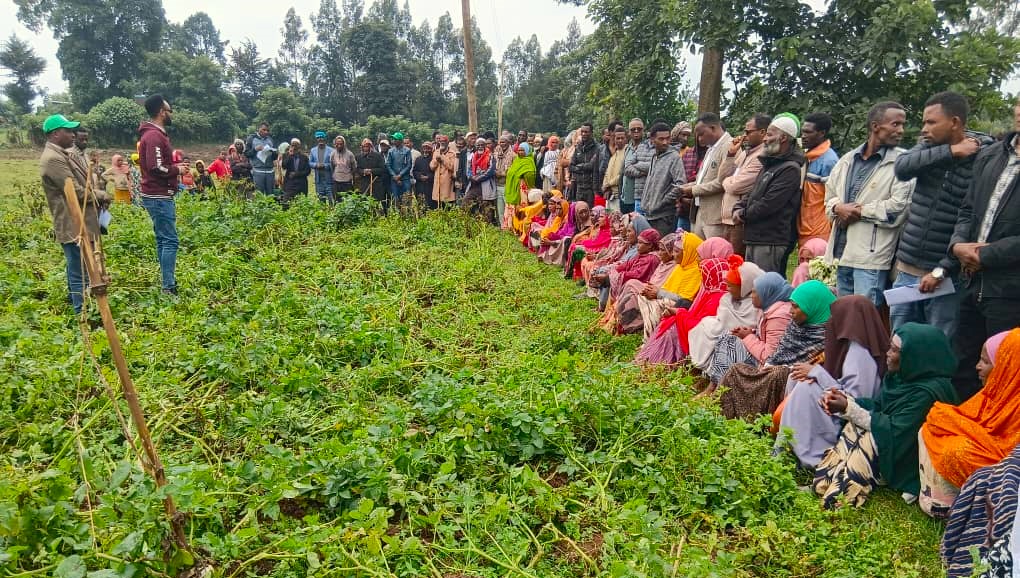
Scaling the seed potato business model to address seed shortage: evidence from Kofale woreda, Oromia
A business model to address the shortage of seed potato of improved varieties has been tested and validated in Kofale woreda. To facilitate the scaling of the demonstrated evidence, a field day was jointly organized by the SWR Ethiopia RAISE-FS project in collaboration with Kulumsa Agricultural Research Centre (KARC) and the Kofale woreda Agricultural Office … Continue reading Scaling the seed potato business model to address seed shortage: evidence from Kofale woreda, Oromia
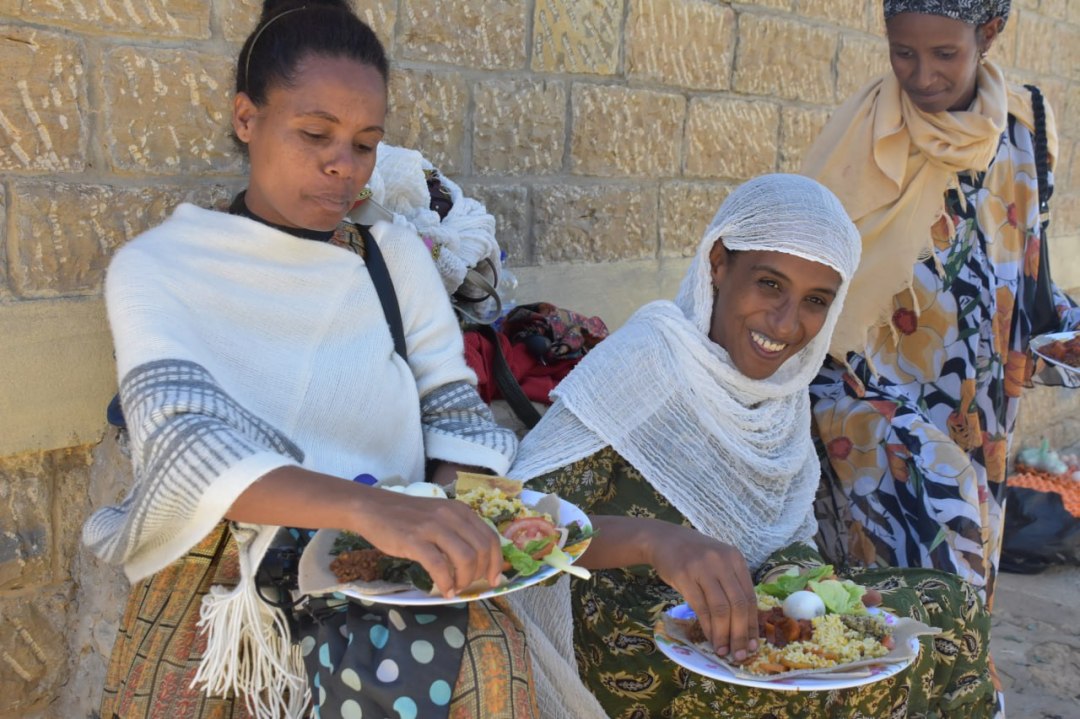
Enhancing farmers’ nutrition awareness using cooking demonstrations in Tigray
In an effort to combat malnutrition and improve household nutrition, the Mekelle Agricultural Research Centre (MARC) of Tigray Agricultural Research Institute (TARI), in collaboration with the SWR Ethiopia RAISE-FS project, has conducted cooking demonstrations as part of a home garden initiative. The activity focused on empowering resource-poor farming households to grow and utilize nutrient-rich vegetables, … Continue reading Enhancing farmers’ nutrition awareness using cooking demonstrations in Tigray
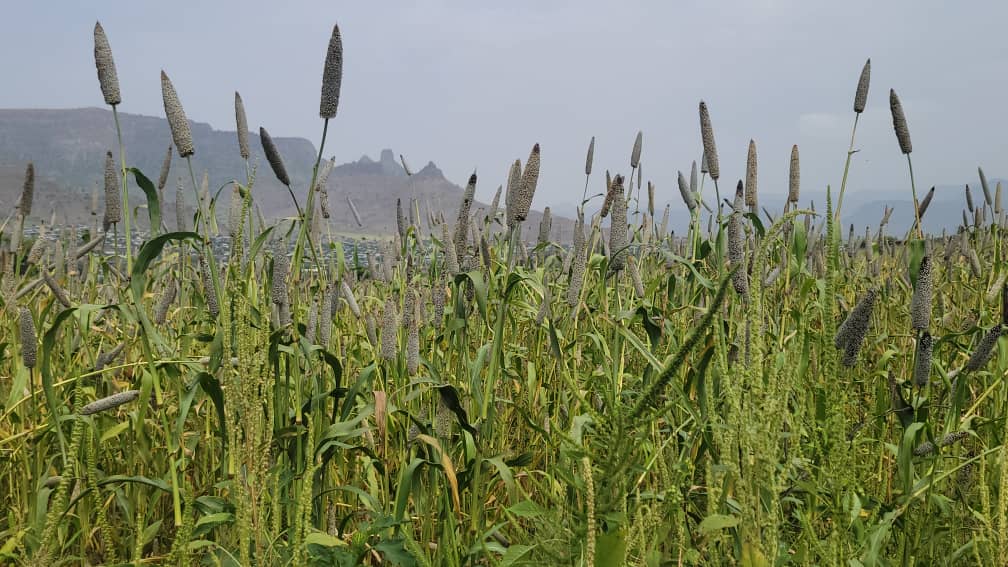
Scaling the intercropping technique as a key strategy for sustainable and resilient farming systems: evidence from Waghimra zone, Amhara region
Scaling intercropping of pearl millet with lowland pulses has shown noticeable improvements in smallholder farming systems. This innovation helps to improve food security, soil health, and household income. It provides a promising and transformative pathway for communities in dryland agro-ecological areas like the Waghimra zone, which face climate and resource constraints. Field day showcases intercropping … Continue reading Scaling the intercropping technique as a key strategy for sustainable and resilient farming systems: evidence from Waghimra zone, Amhara region

Strengthening the oilseeds sector: A collaborative push forward
In a significant step toward revitalising the oilseeds sector in Amhara region, a regional multi-stakeholder meeting was convened in Bahir Dar, bringing together a broad mix of key actors. Representatives from government organisations, financial institutions, processors, seed multipliers, seed enterprises, research institutes, traders, exporters, farmer organisations, universities, and administrators came together and discuss how to … Continue reading Strengthening the oilseeds sector: A collaborative push forward

The maize-common bean inter-cropping technique helping farmers get additional benefits in Silti woreda
Efficient agricultural planning and informed decision making are key elements for sustainability and resilience of agricultural production. To support this process Innovation Recommendation Mapping (IRM) was developed by Wageningen University & Research and experts from Ethiopia. IRM allows users to generate maps that show in which locations ‘best fit innovations’ can be scaled and what … Continue reading The maize-common bean inter-cropping technique helping farmers get additional benefits in Silti woreda
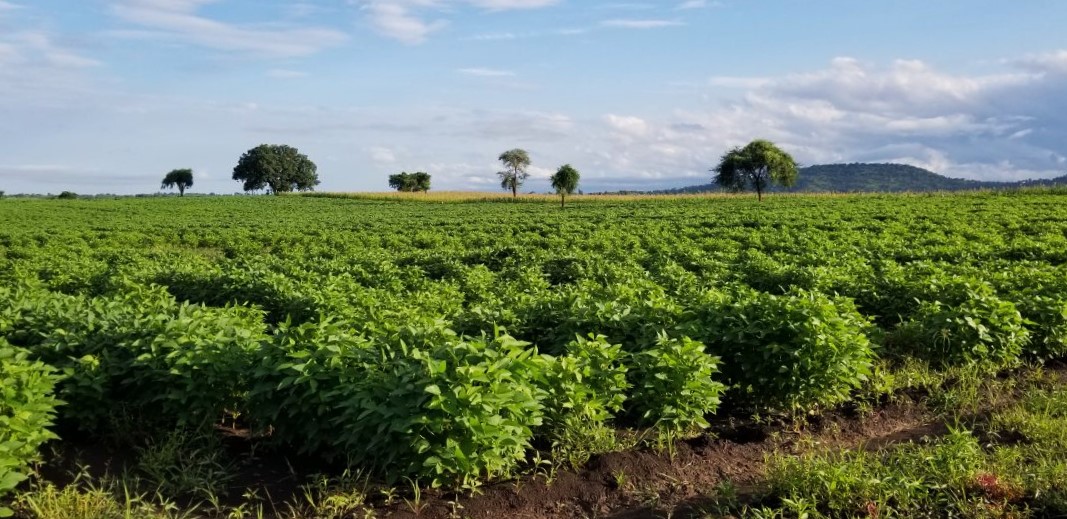
Promoting soya bean consumption in Mirab Armachiho woreda
As part of the SWR-Ethiopia RAISE-FS project initiative, Bahir Dar University (BDU) and Gondar Agricultural Research Centre (GARC) jointly organized a week-long Social and Behavioural Change Communication (SBCC) training in Mirab Armachiho woreda from July 20–25, 2025. The initiative aimed to promote soybean consumption as a means to improve nutritional outcomes and food security in … Continue reading Promoting soya bean consumption in Mirab Armachiho woreda
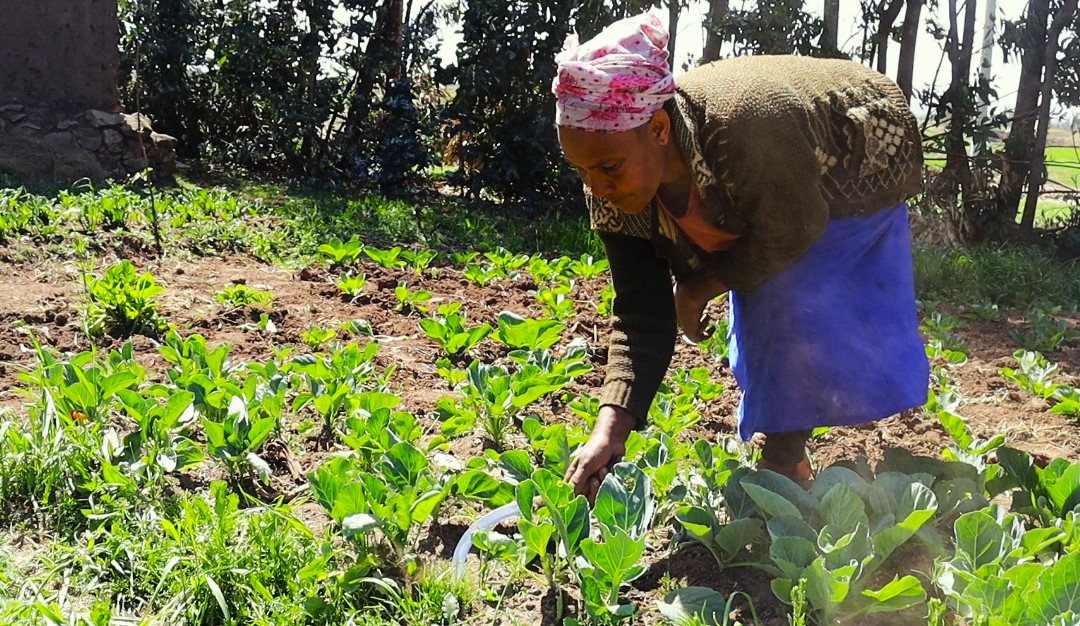
Transforming healthier lives through home gardens andsocial behaviour change communication
SWR Ethiopia’s RAISE-FS project is making strides in dietary diversity and improved nutrition, with a focus on empowering communities to grow safe and nutritious food by promoting home gardens and Social and Behavioural Change Communication (SBCC) interventions using the Ethiopian Food Based Dietary Guideline (EFBDG). In Angot, one of the food-insecure woredas in the North … Continue reading Transforming healthier lives through home gardens andsocial behaviour change communication
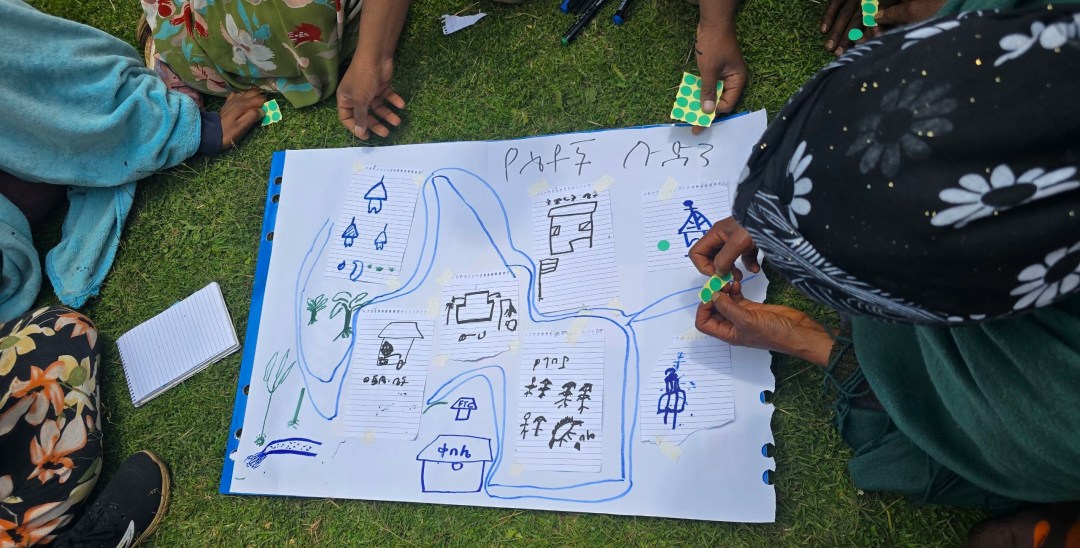
From data to dialogue: Co-created stories of shifting norms
How a participatory approach helped communities and experts reflect, learn, and transform together Between June 8th and 14th, RAISE-FS teams from four regions convened in Gumer woreda, located in the Central Ethiopia Region, to mark the conclusion of a year-long pilot of the Social Analysis and Action (SAA) approach. This gathering was not merely a … Continue reading From data to dialogue: Co-created stories of shifting norms
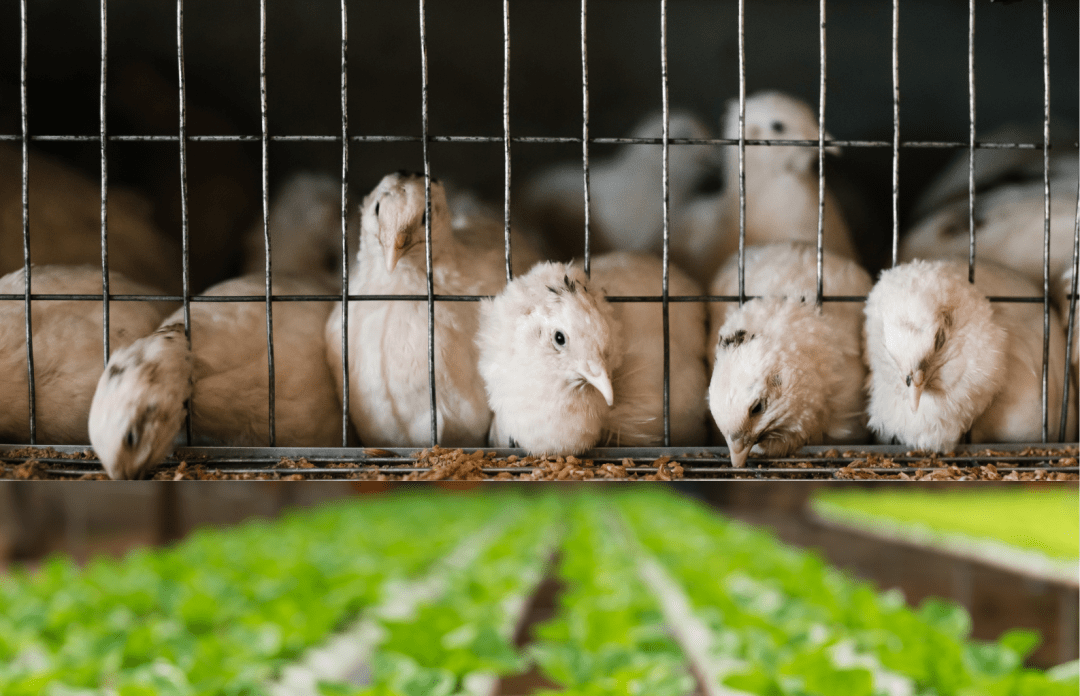
Hydroponic fodder production: A promising alternative to rising poultry feed costs
The Ethiopian poultry sector, grappling with escalating feed costs, is turning to an innovative solution: hydroponic fodder production. This sustainable alternative promises to alleviate the financial strain on farmers by providing an affordable and nutrient-rich feed option. The soaring prices of conventional feed ingredients such as maize and soya bean have placed a heavy burden … Continue reading Hydroponic fodder production: A promising alternative to rising poultry feed costs
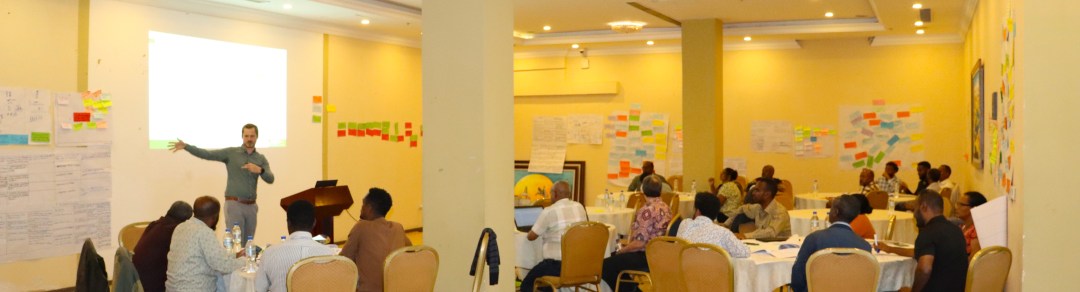
Empowering Ethiopian professionals through international capacity building trainings
In an era where global food systems face unprecedented challenges, from climate change to population growth, the need for skilled professionals to lead sustainable and innovative solutions has never been more critical. Ethiopia, a nation with a rich agricultural heritage and immense potential, is taking significant strides by adopting a food system transformation approach as … Continue reading Empowering Ethiopian professionals through international capacity building trainings
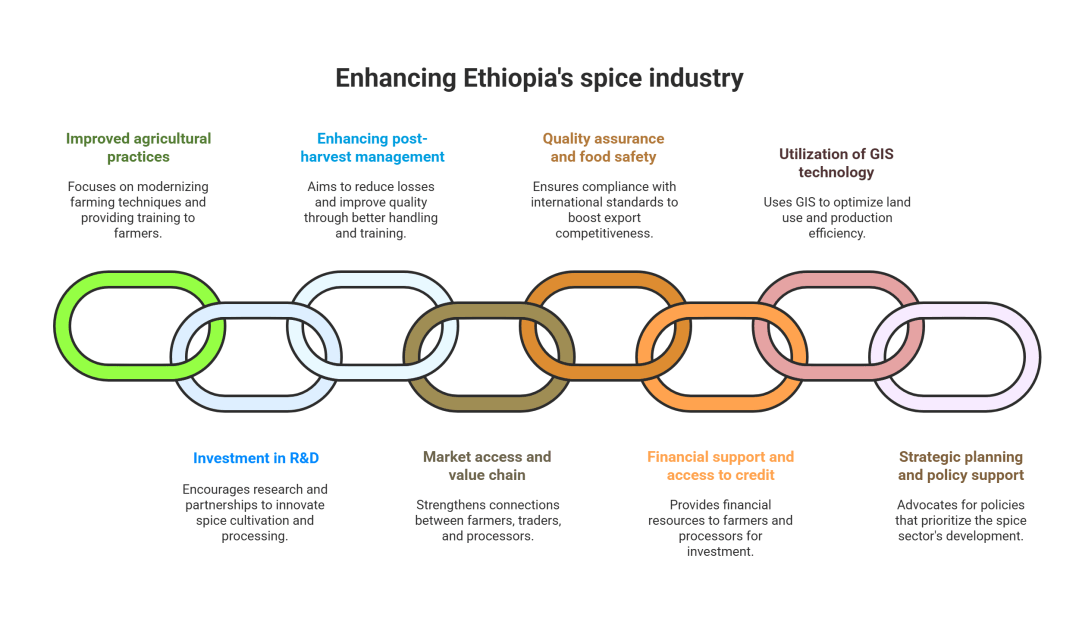
Ethiopia’s spice industry has immense potential for development
Ethiopia, a land known for its rich cultural heritage and diverse agriculture, holds an untapped treasure trove in its spice sector. According to a recent working paper by RAISE-FS (link), the country has over 50 spice varieties registered for the major 10 types of spices, including korarima, cumin, pepper, and fenugreek. Despite Ethiopia’s favourable agroecological … Continue reading Ethiopia’s spice industry has immense potential for development

From farm-to-fork: Strengthening Ethiopia’s food safety governance
In an effort to enhance food safety in Ethiopia, the "Governance from Farm to Fork for Food Safety" blended course has successfully concluded its three-month journey on May 16, 2025. This program, co-organized by Wageningen Social & Economic Research and the SWR Ethiopia RAISE-FS project, brought together 39 participants from diverse sectors, including national and … Continue reading From farm-to-fork: Strengthening Ethiopia’s food safety governance
National Nutrition-Sensitive Agri-Food System Forum update
RAISE-FS contributes to strengthening national nutrition-sensitive agri-food systemsThe Food and Nutrition Office (FNO) at the Federal Ministry of Agriculture (MoA), in partnership with the SWR Ethiopia RAISE-FS project, successfully hosted the 6th quarterly meeting of the National Nutrition-Sensitive Agri-Food System (NSAFS) forum in March 2025. The event took place at Nexus Inn Hotel and brought … Continue reading National Nutrition-Sensitive Agri-Food System Forum update
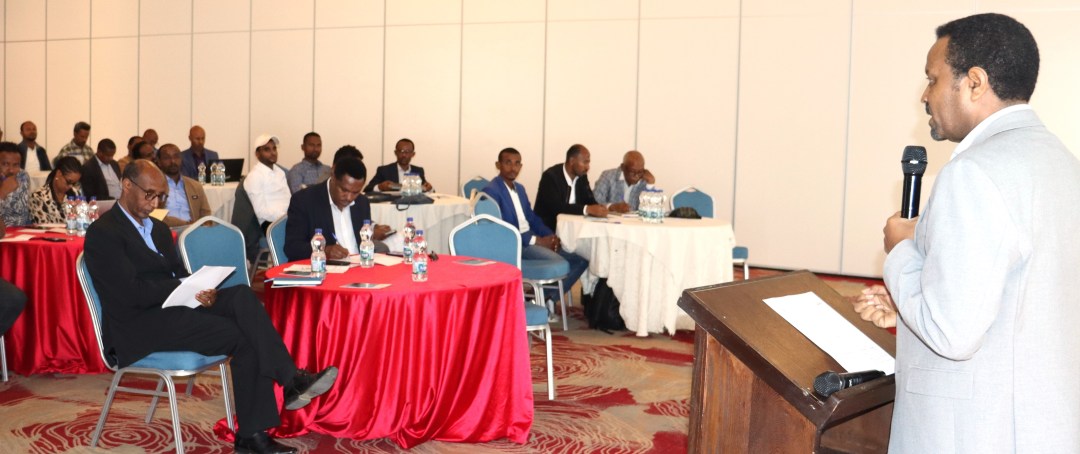
Food safety stakeholders validate key safety guidelines
The Ethiopian Agriculture Authority (EAA), in collaboration with SWR Ethiopia RAISE-FS project, hosted a validation workshop on Good Agricultural Practices (GAP), Good Handling Practices (GHP), Good Manufacturing Practices guidelines for sesame, hot pepper, and poultry that improve the quality and safety along vale chains. The event aimed to address critical food safety challenges impacting Ethiopia's … Continue reading Food safety stakeholders validate key safety guidelines

Ethiopia’s coffee sector faces EUDR compliance challenges as stakeholders validate key assessment
The Ethiopian coffee sector, a vital pillar of the nation’s economy, is navigating a critical juncture as it prepares to comply with the European Union Deforestation Regulation (EUDR). The regulation, which takes effect in December 2025, aims to halt the import of commodities linked to deforestation into the EU. Given that coffee accounts for one-third … Continue reading Ethiopia’s coffee sector faces EUDR compliance challenges as stakeholders validate key assessment
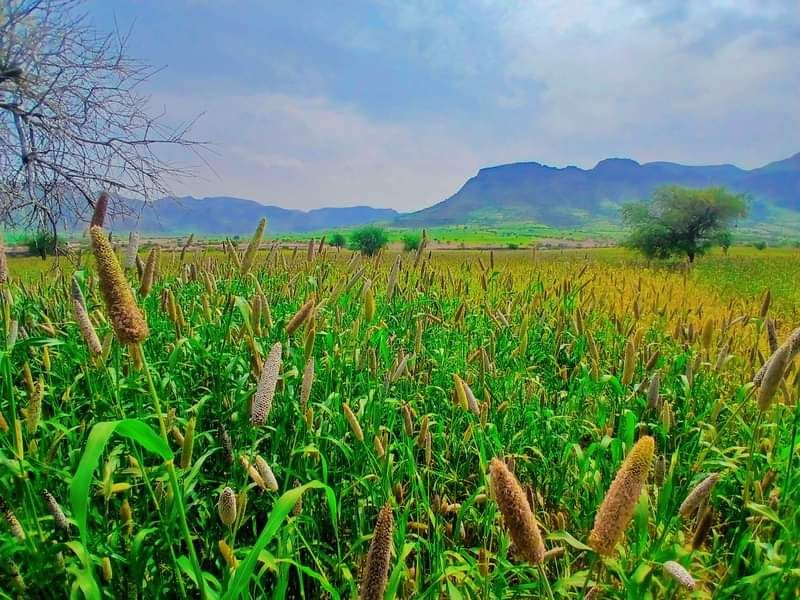
From scepticism to success: an inspirational journey with intercropping, a promising technology for dryland areas
In one of Ethiopia’s dryland areas Zequala woreda, where rainfall is unpredictable, 54-year-old farmer Assefa Gulash was once not very happy with the performance of his sorghum and teff crops. In the 2024 cropping season, however, Assefa’s fields tell a different story- intercropping of pearl millet and mung beans. Gazing proudly at the pile of … Continue reading From scepticism to success: an inspirational journey with intercropping, a promising technology for dryland areas
Food security challenges and the role ofpost-harvest losses
Ethiopia struggles with food insecurity worsened by substantial postharvest losses in its agriculture value chains. Recent estimates reveal significant loss rates of up to 30% for grains, 50% for fruits and vegetables, and 40% for red meat and milk. These losses exacerbate food insecurity in a country where millions already struggle to access adequate nutrition. … Continue reading Food security challenges and the role ofpost-harvest losses
Driving change for healthy diets and sustainable livelihoods
The RAISEFS project is making strides in promoting healthier diets and sustainable livelihoods across Central Ethiopia, Oromia, and Tigray regions. By implementing the Ethiopian Food-Based Dietary Guidelines (FBDGs) one key message at a time, this initiative is creating a ripple effect of positive change. The six key messages—dietary diversity, legume consumption, fruits and vegetables, animal-source … Continue reading Driving change for healthy diets and sustainable livelihoods
Short course on food safety
Foodborne diseases caused by contamination at various stages of food production, delivery, and consumption pose significant public health challenges. These illnesses, stemming from bacteria, viruses, parasites, or chemical substances like heavy metals, account for over 200 diseases ranging from diarrhoea to cancer. Beyond their immediate effects, foodborne diseases can exacerbate undernutrition due to symptoms such … Continue reading Short course on food safety
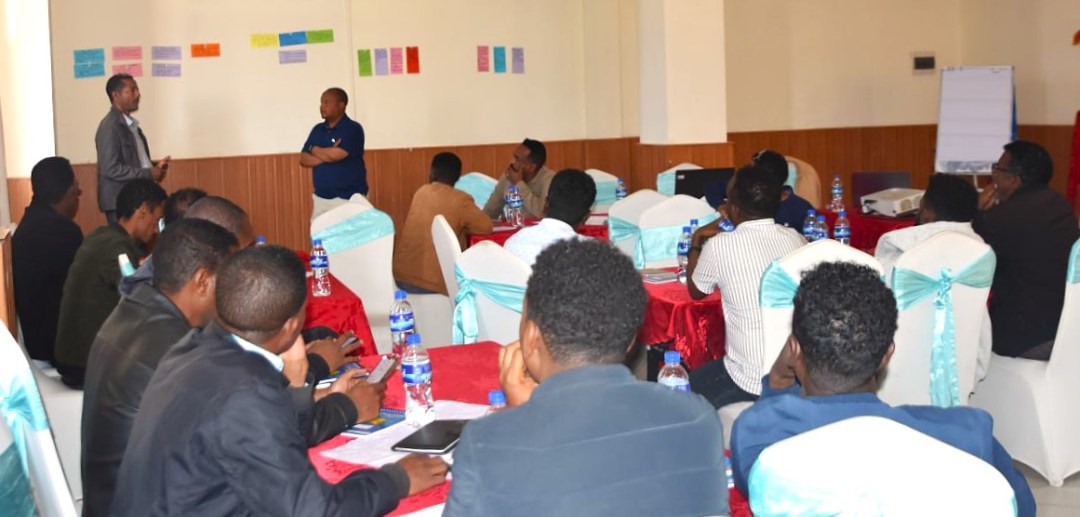
Institutionalising the Scaling Readiness Approach in RAISE-FS Intervention areas
The national research system in Ethiopia has made significant strides in developing various technologies; however, many of these innovations have struggled to reach end users and deliver the desired impact. Experts attribute this challenge to the current scaling approaches employed by research institutions and the extension systems, which often focus on isolated components of innovation. … Continue reading Institutionalising the Scaling Readiness Approach in RAISE-FS Intervention areas
From awareness to action: Community-drivengender transformation in focus
The Social Analysis and Action (SAA) dialogue has demonstrated significant progress in promoting gender equality and empowerment, as evidenced during a monitoring visit conducted from December 2–12, 2024. This impactful community-driven initiative is facilitating meaningful transformations in Ethiopia’s South, Oromia, and Tigray regions by addressing entrenched gender roles and social norms. The initiative, which engaged … Continue reading From awareness to action: Community-drivengender transformation in focus
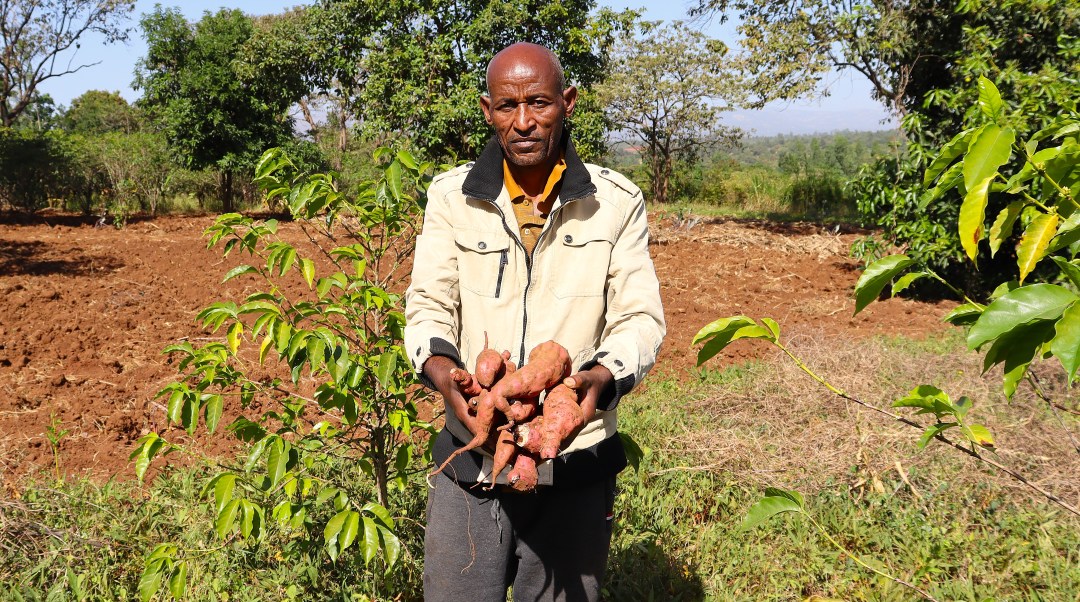
Faba Bean and Orange Fleshed Sweet Potato innovation packages visit at Boloso Bombe woreda
Areka Agricultural Research Centre, in collaboration with the SWR Ethiopia RAISE-FS project, organized a field visit to showcase the promising results of faba bean and Orange Fleshed Sweet Potato innovation packages. The event was held at Zaba and Fara Ocha kebeles in Boloso Bombe woreda and brought together farmers, agricultural experts, and researchers to share … Continue reading Faba Bean and Orange Fleshed Sweet Potato innovation packages visit at Boloso Bombe woreda
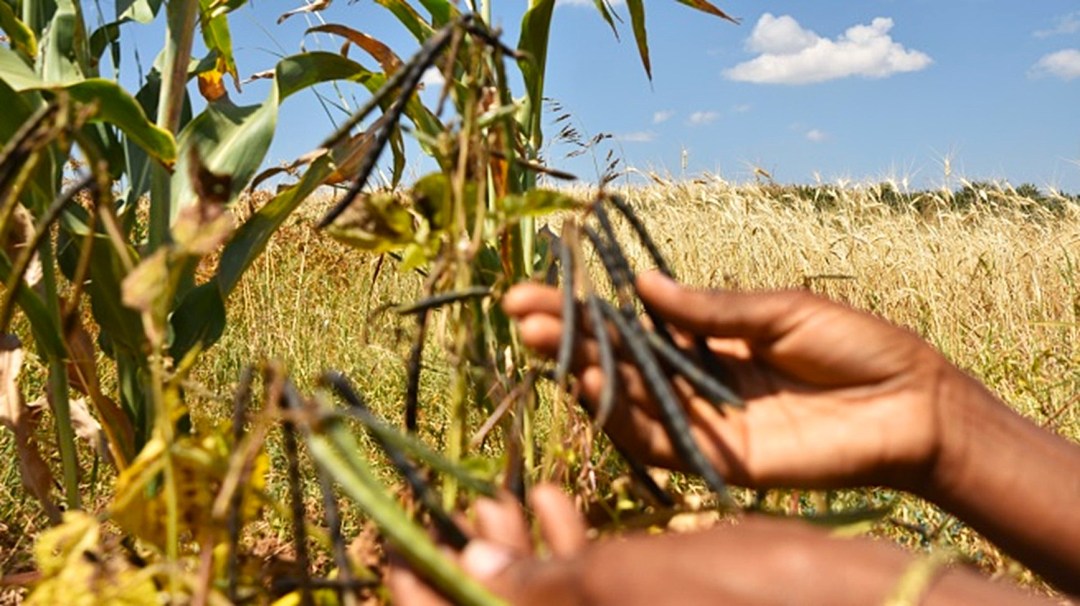
Beating climate change with sorghum & mung beans intercropping
Farmers in Mahbere Genet kebele, Enderta woreda, are experiencing a shift in their farming system with the introduction of sorghum-mung bean intercropping. This innovative farming technique is helping them adapt to climate change while improving yields, soil health, and overall profitability. Traditionally, farmers in the area relied on long-maturing local sorghum varieties. However, delayed rainfall … Continue reading Beating climate change with sorghum & mung beans intercropping
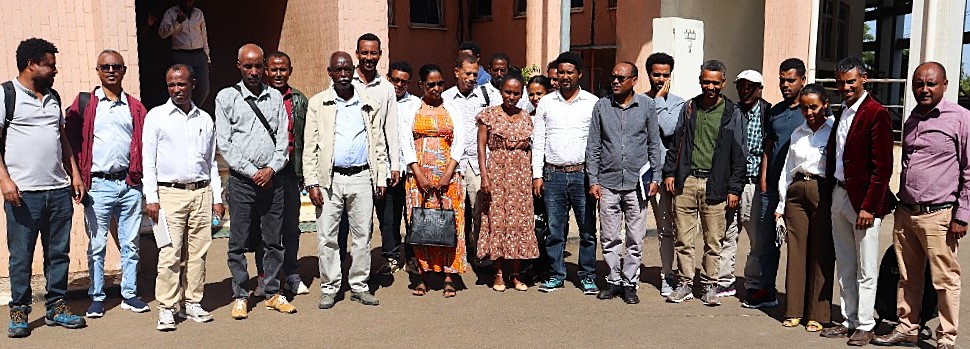
A meeting held to establish a regional food safety technical working group platform
In an effort to improve food safety issues in the region, Bahir Dar University (BDU), in partnership with the Bahir Dar Branch of the Ethiopian Food and Drug Authority (EFDA) and RAISE-FS project of SWR Ethiopia, organized a one-day meeting to establish a regional food safety technical working group platform. This initiative aims to enhance … Continue reading A meeting held to establish a regional food safety technical working group platform
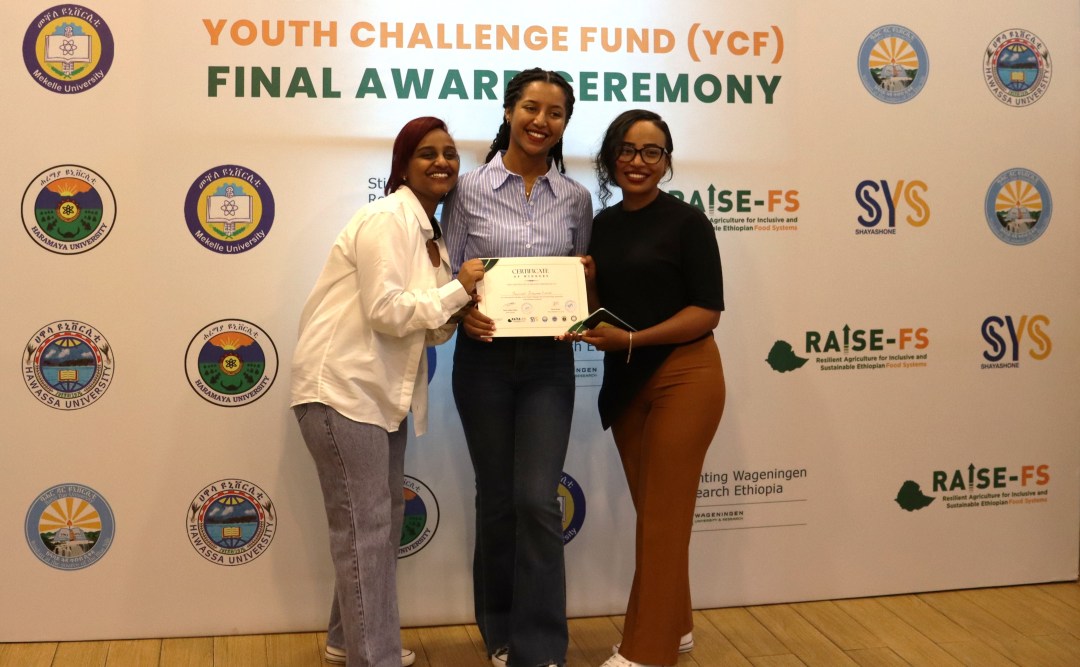
Empowering youth: Transformingideas into sustainable ventures
Some of the most transformative and lucrative business ideas come from the young generation of Ethiopia. It is for this reason that the SWR Ethiopia project, Resilient Agriculture for Inclusive and Sustainable Ethiopian Food Systems (RAISE-FS), ran a competition for food system solution concepts within the four partner universities of Mekelle, Bahirdar, Hawassa and Haramaya. … Continue reading Empowering youth: Transformingideas into sustainable ventures
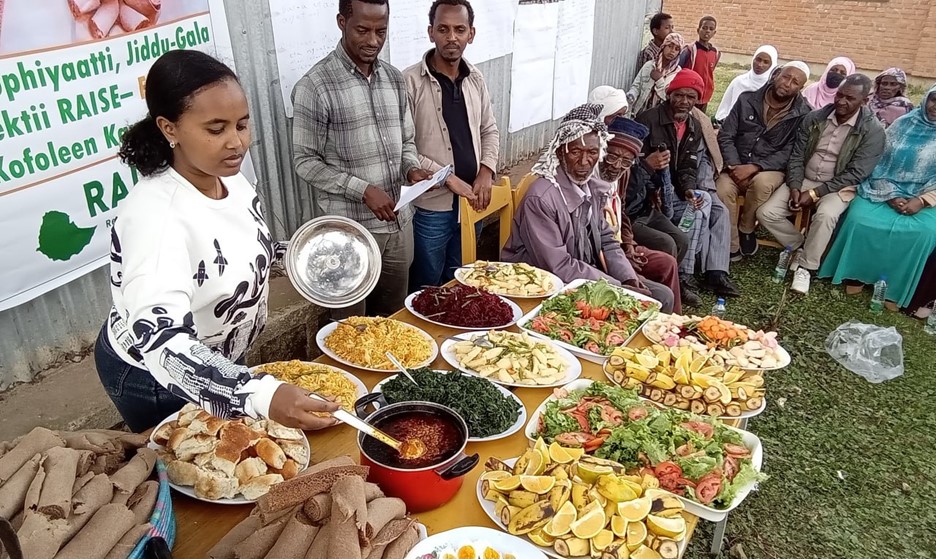
Promoting consumption of nutrient dense food in Kofale woreda through recipe demonstrations
Kofale woreda, is one of the areas with abundant natural resources and production potential in the Oromia region of the West Arsi zone. However, the areas face a paradox of nutrition insecurity despite the availability of diverse and nutritious food crops. Many reasons can be attributed to this, but the knowledge gap in preparing balanced … Continue reading Promoting consumption of nutrient dense food in Kofale woreda through recipe demonstrations
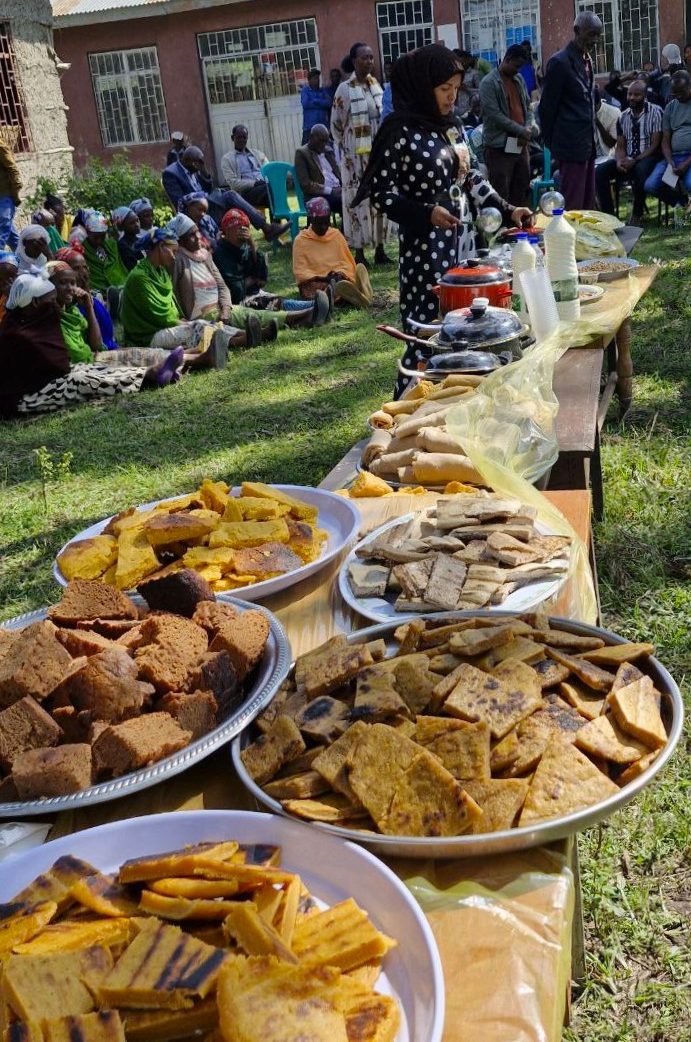
Exploring progress and collaboration in implementing EFBDGs pilot: A collaborative effort for a healthier nation
In a collaborative effort to promote a healthier nation, the Ministry of Agriculture, in partnership with the Ethiopian Public Health Institute (EPHI), FAO, and the Ministry of Education, recently organized a workshop and field visit to evaluate the progress of the Ethiopian Food Based Dietary Guidelines (EFBDGs) implementation pilot program in selected woreda of the … Continue reading Exploring progress and collaboration in implementing EFBDGs pilot: A collaborative effort for a healthier nation
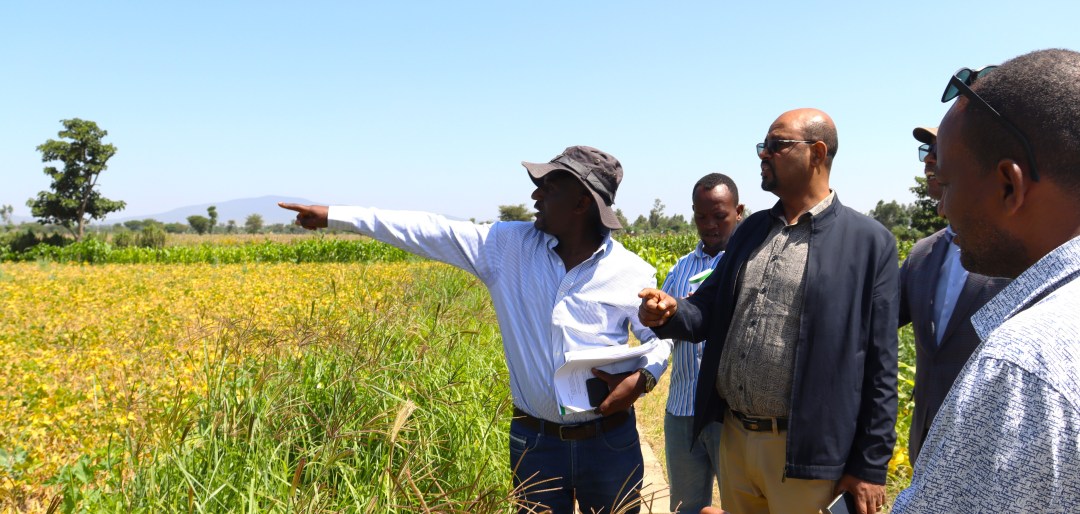
Hawassa University and SWR Ethiopia RAISE-FS Project collaborate to scale out soybean innovation
Hawassa University, in partnership with the SWR Ethiopia RAISE-FS project, organized a field visit to Hawassa Zuria woreda with the aim of promoting the soybean innovation tested and validated by the university on a wider scale. The event also provided a platform for key stakeholders to engage in discussions on strategic issues on the scaling and … Continue reading Hawassa University and SWR Ethiopia RAISE-FS Project collaborate to scale out soybean innovation
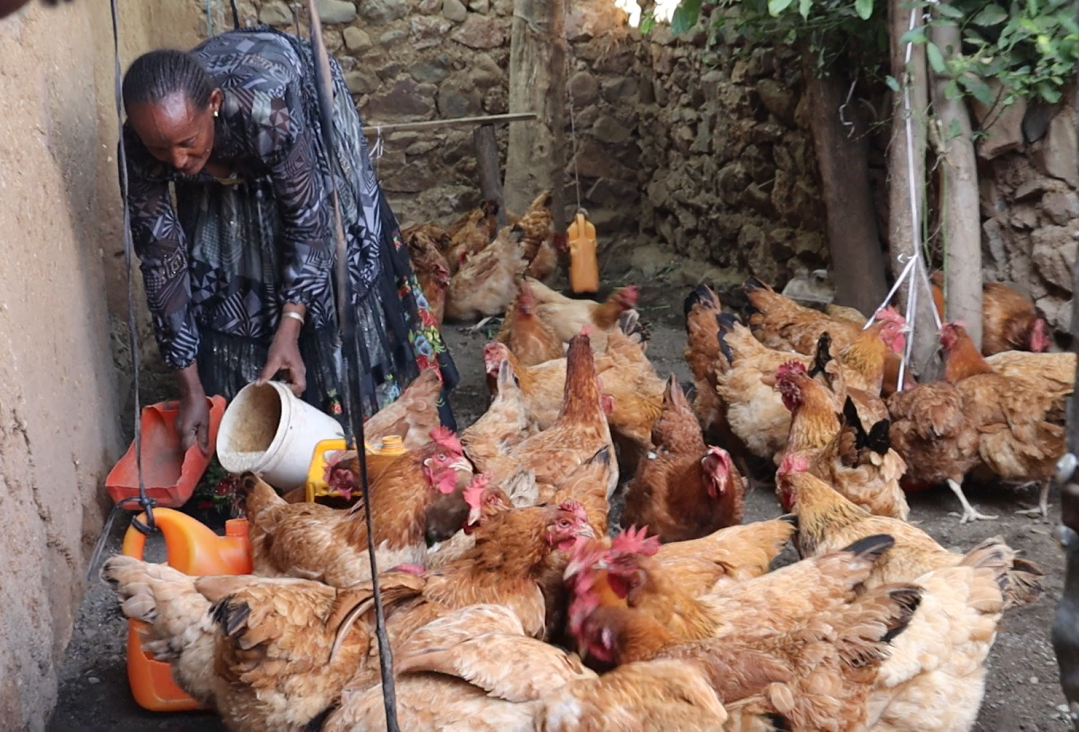
Women and youth farmers involved in poultry production have shown promising results
"Despite challenges, the small business model is demonstrating promising results, with farmers benefiting from both household consumption and selling eggs to generate income." Ademe Miheretu Twenty youth and women farmers in Zequala woreda are making strides in their small-scale business model, thanks to an initiative led by RAISE-FS in partnership with the Sequota Dry Land … Continue reading Women and youth farmers involved in poultry production have shown promising results
 raise-fs.org