
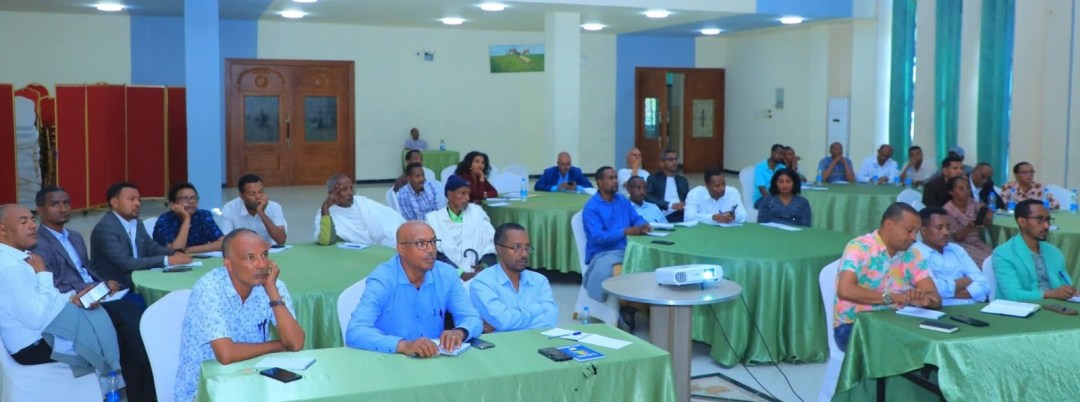
Regional authorities and key stakeholders in the Amhara region have established a coordination council to strengthen agricultural messaging in mainstream media, marking an important shift from discussion to coordinated action. The council is expected to help bridge gaps between agricultural research, extension services, and the media by creating an institutional platform to sustain collaboration and maintain momentum beyond a single event.
The council was formed on May 23, 2026, during a meeting organised by Stichting Wageningen Research (SWR) Ethiopia’s RAISE-FS project in collaboration with Amhara Regional Bureau of Agriculture (BoA). The productive discussion session on agricultural messaging in mainstream media brought together a diverse group of authorities and stakeholders from the region, including researchers, media managers and practitioners, among others. The meeting created a shared understanding not only of the key challenges and recommendations in agricultural media messaging, but also of the concrete steps needed to move forward.
The discussion session drew on the findings of a recent study by SWR Ethiopia and Farm Radio International that assessed the current mainstream media messaging of agricultural issues. Following the study high level policy dialogue was organized by Wageningen Research (SWR) Ethiopia in collaboration with the Agricultural Transformation Institute (ATI), the dialogue concluded with actionable recommendations for improving agricultural messaging in Ethiopia through mainstream media. Including output from the policy dialogue, the findings provided shared evidence bases for discussions on existing gaps and practical ways forward.
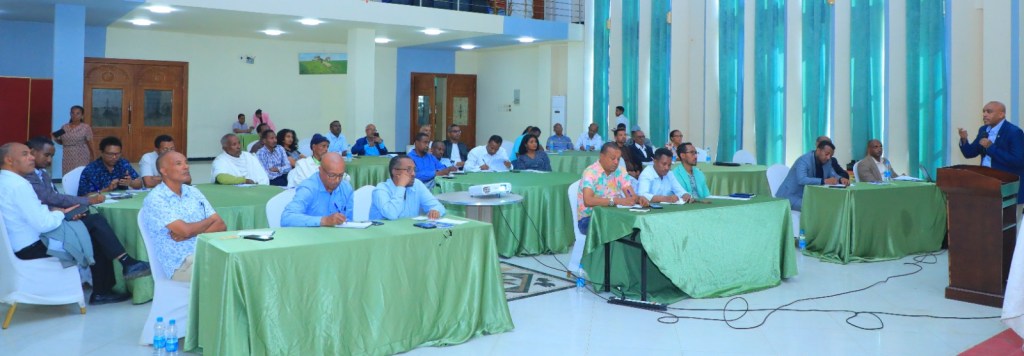
Among the points emphasised were the untapped potential across agricultural research institutes, universities, extension services, and media outlets, and a growing recognition that connecting them more effectively could make a significant difference not only for farmers across the region but also for the growth of the agricultural sector and the food system at large.
Speaking at the meeting, Dereje Mandefro, head of the Amhara Region BoA, said, “We are not yet fully utilising the region’s potential.” “Agricultural research institutions, universities, the Extension under the Bureau of Agriculture, and mainstream media have all strong capacities. However, coordination is lacking, and there is a clear opportunity to bring these actors together.”
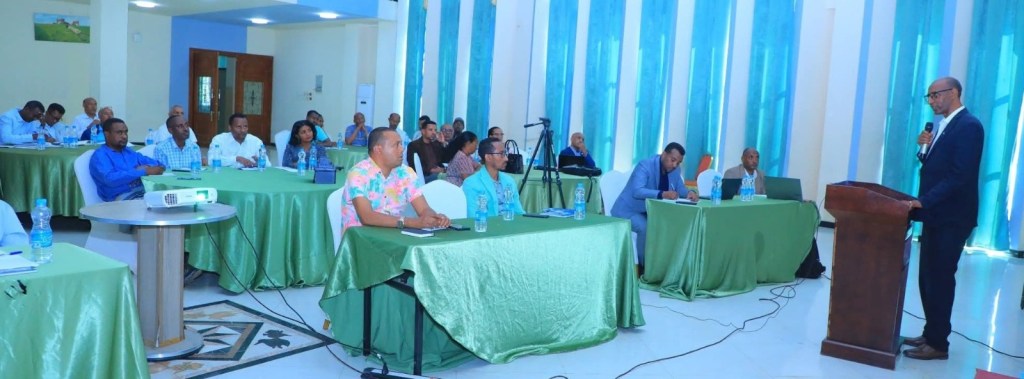
Dr. Dawit Alemu, SWR Ethiopia’s Country Representative, underscored the importance of working together and called up on participants to move from discussion into concrete action. He emphasised: “Good intentions have value when they are carried through. Start with achievable steps, build on them consistently, and the result will be stronger agricultural messaging in mainstream media.”
Key discussion points and recommendations
- Ethiopia has 28 universities offering journalism education, but none of the universities currently offer specialised agricultural or beat journalism courses. It was reflected that universities/ departments have the mandate to shape 20% of their curricula, a condition that could give a chance to introduce agricultural journalism relatively quickly.
- Mainstream media coverage of agricultural issues tends to be event-driven rather than process-oriented and story-oriented. Participants called for more in-depth, farmer-centred storytelling, based on oral traditions, case studies, and local voices, which would give farming communities more relevant and actionable information.
- Most farmers listen to the radio in the evening, and it was suggested that aligning broadcasting schedules with farmers’ preferred time could significantly increase the reach of existing content.
- Producing documentaries and content for digital platforms such as YouTube videos was suggested as a way for farming families to engage with agricultural issues at their own pace.
- The approximately 34 community radio stations already in place in Ethiopia were also pointed out as an underutilised resource for agricultural messaging. Linking community radio stations with agricultural research institutes and agricultural extension services in their area could bridge the gap between researchers and extension professionals and the farming communities they serve.
- Funding for documentary production in mainstream media remains a major constraint for research institutes and other organisations. A dedicated agricultural media funding mechanism needs to be there to support better-quality content over the long term.
- Participants recommended that the study findings can be used to inform planning and decision-making across media, agricultural extension, and research systems to improve agricultural messaging.
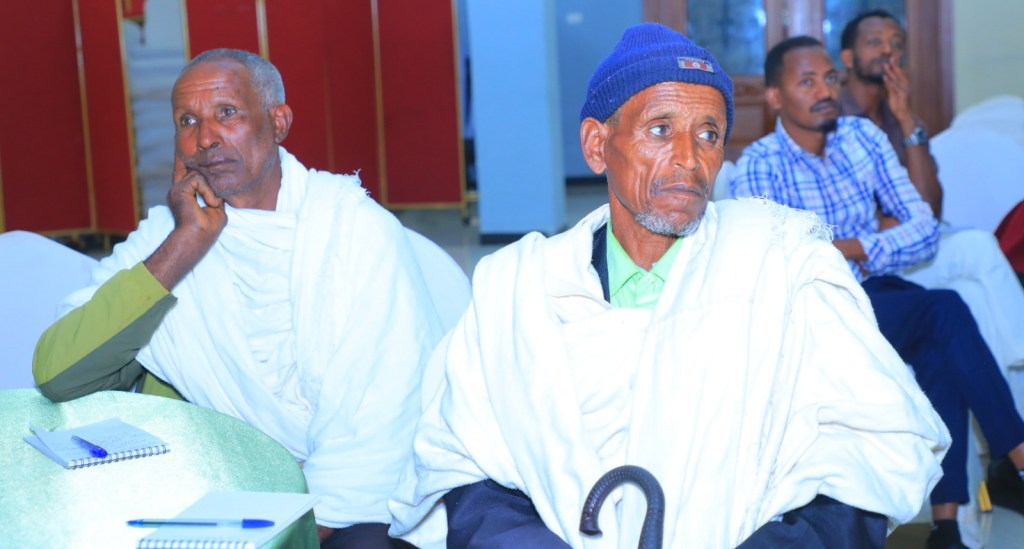
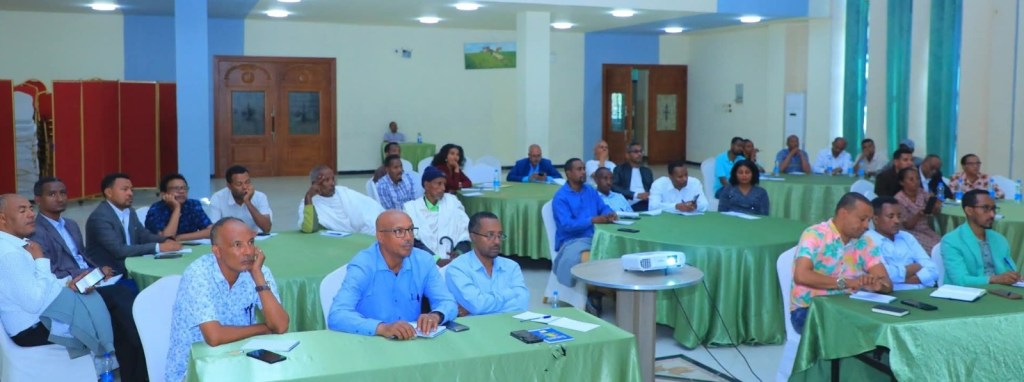
The newly established council, which will be chaired by the Regional BoA, comprises key institutions in the region, including Agricultural Research Institute (ARARI), Government Communication Bureau, Amhara Media Corporation (AMC), Bahir Dar University (BDU), Livestock and Fisheries Resources Development Bureau, and SWR Ethiopia.
The council will focus on translating recommendations into action to address structural and editorial challenges raised and discussed in the meeting, affecting media messaging of agricultural issues. The council will report to the regional Agriculture and Rural Development Partners Linkage Advisory Council (ADPLAC), which will help ensure alignment with broader agricultural development and food system priorities.
This regional initiative follows a similar national-level policy discussion organised last month by SWR Ethiopia in collaboration with the Ministry of Agriculture (MoA) and the Agricultural Transformation Institute (ATI).

