
In the heart of Amhara region Bahir Dar, a small family business has transformed into a thriving, sustainable agribusiness through the power of innovation, hard work, and strategic support. Tiruwork and Hailemariam Poultry Business Enterprise, which started as a modest poultry and egg production operation in 2020/21, has grown into a diversified enterprise that integrates poultry, pig, and fish farming. Their inspiring journey is a testament to resilience and forward-thinking in the face of challenges.
The road to success, however, was not without obstacles. As the business expanded, it encountered significant hurdles. Marketing proved difficult during periods of security instability, which led to reduced customer demand and forced the family to sell their products below production costs. Rising feed prices and the challenge of transporting products to other areas further strained their operations.
One of the most pressing issues was the cost of keeping mature chickens on the farm longer than planned. “Every day a mature chicken stayed on the farm, it continued to consume feed worth 5-6 ETB per day. Across thousands of chickens, daily feeding expenses could exceed 17,000 ETB” explained Tadele, the farm manager and a member of the Tiruwork and Hailemariam enterprise. Additionally, managing poultry waste became increasingly difficult and costly.
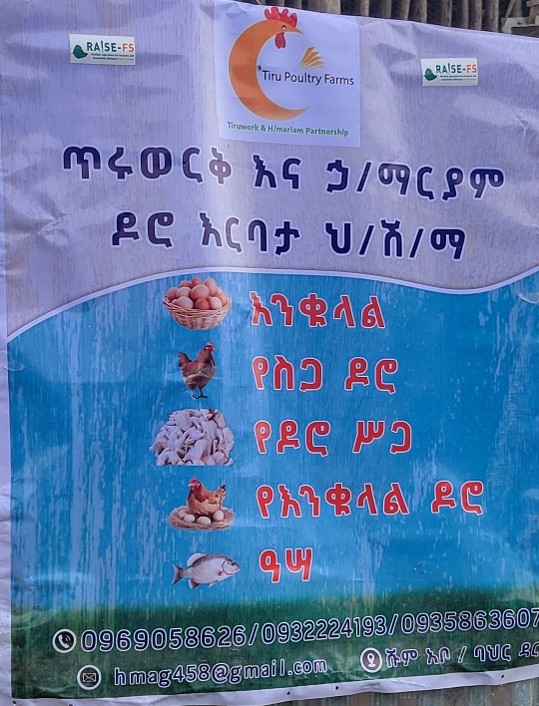
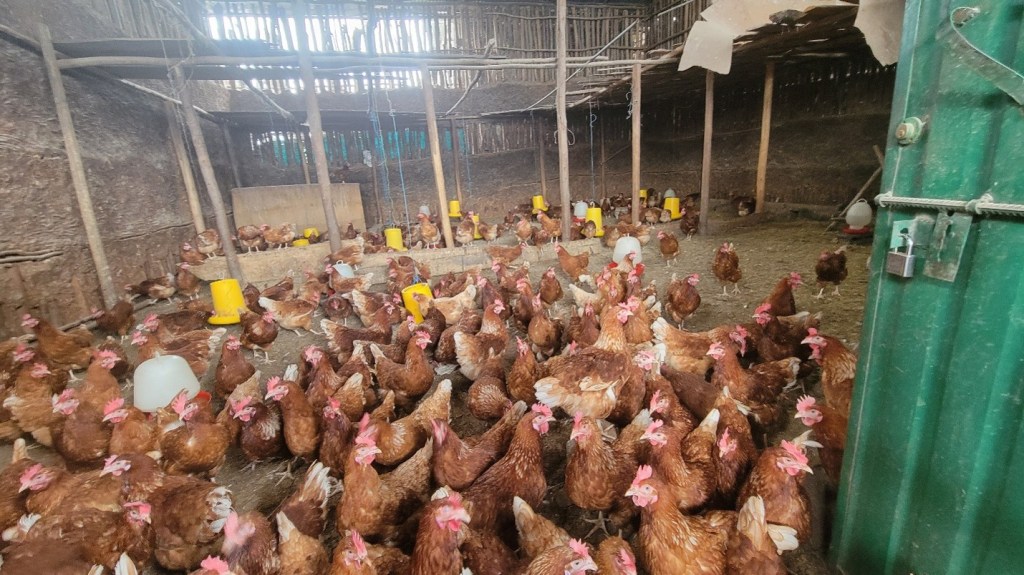
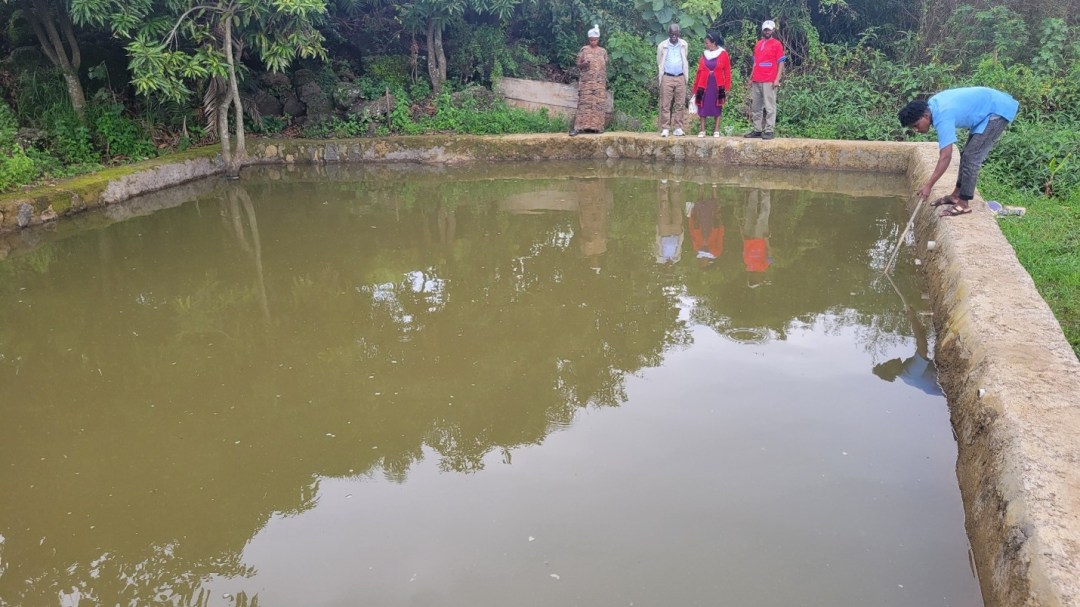
Rather than seeing these challenges as setbacks, Tadele and the family were looking for a more sustainable solution. Tadele envisioned an integrated farming system that would connect poultry, pig, and fish production, allowing waste from one activity to become an input for another, which would reduce costs while creating an additional source of income. To bring this vision to life, Tiruwork and Hailemariam Enterprise applied for support through the SWR Ethiopia RAISE-FS Project innovation fund. Their proposal was successful, securing a grant of 1.5 million ETB to invest in their farm’s future.
The funding marked a turning point for the enterprise. They expanded their poultry production, storage, and processing facilities, constructing fishponds and dedicated spaces for pig farming. The investments also included five large deep freezers with a combined capacity of over 4,000 kilograms of chicken meat, modern weighing equipment, chicken transportation crates, egg trays, and egg collection bags.
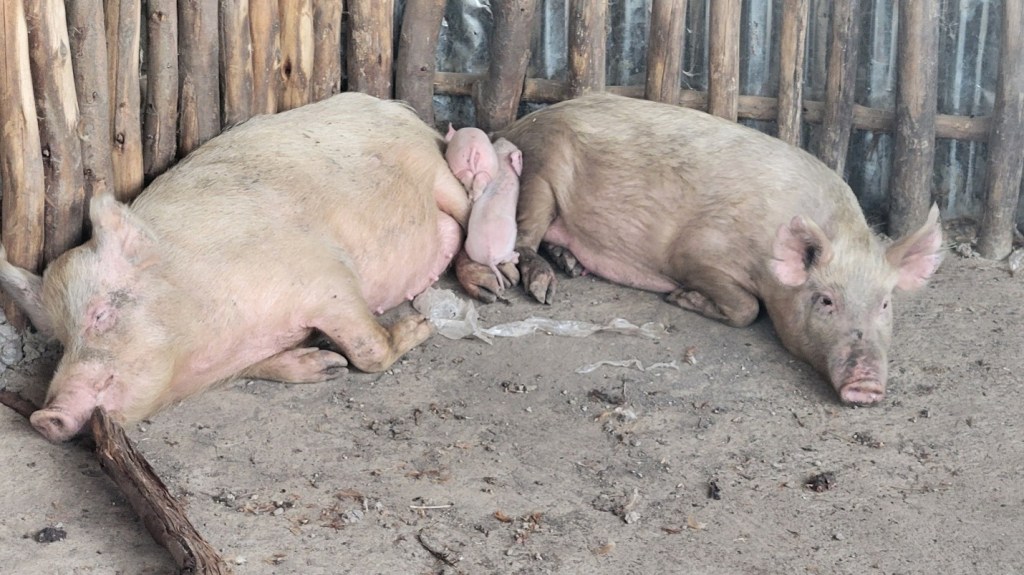
In addition to improving infrastructure, the family acquired a fishbone crushing and mixing machine to convert fish waste into poultry feed, stocked their fishpond with 2,000 fingerlings, and established a pig farming unit with newly purchased piglets. These steps not only boosted productivity but also optimized resource use by turning waste into valuable inputs.
For Tadele, one of the most impactful changes was the expanded cold storage capacity. Previously reliant on a single freezer with a 1,500-kilogram capacity, the farm can now store up to 4,000 kilograms of chicken meat. This allows them to slaughter chickens at optimal times and store them until market demand improves. “This simple but strategic improvement has dramatically reduced feed costs, improved cash flow, and increased overall profitability,” Tadele shared.
The expansion has also had a positive ripple effect on the local community. The number of employees at the farm has grown from five to 17 (12 women and five men). Employee salaries have doubled, significantly improving their standard of living. Additionally, five young entrepreneurs now regularly purchase eggs for resale, while three others buy live chickens for retail distribution; a number that increases during holiday seasons.
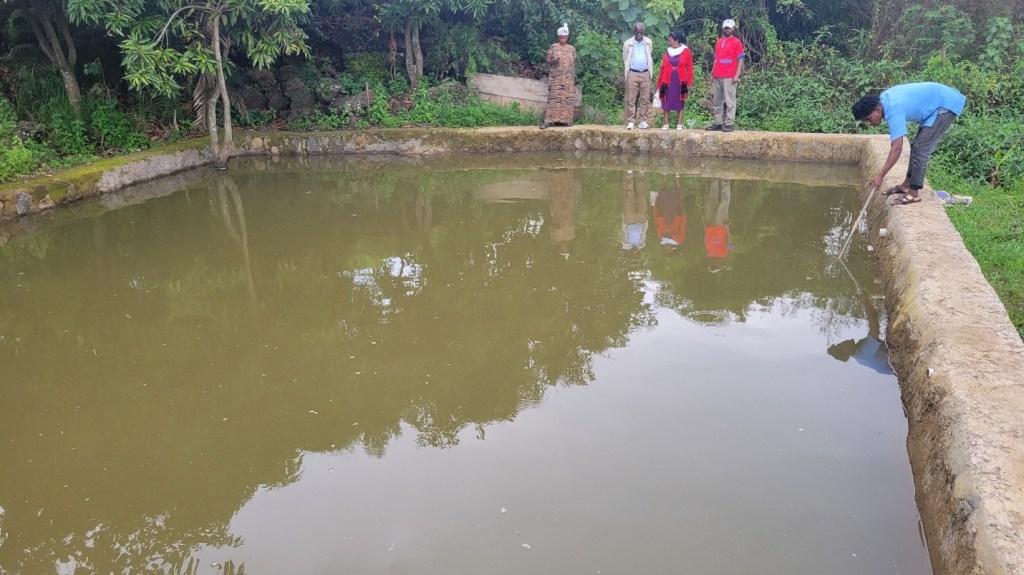
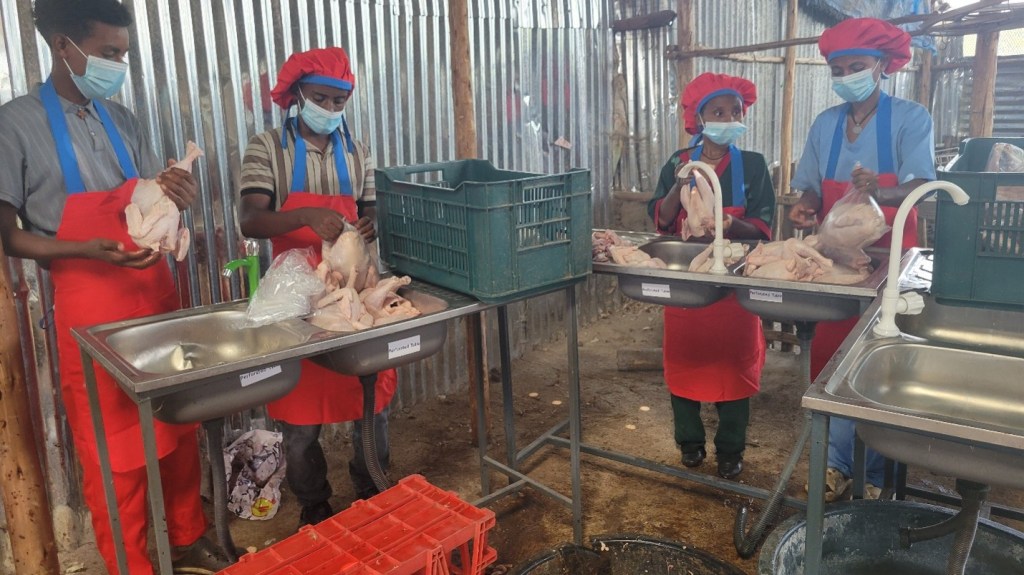
Thanks to improved storage capacity and consistent product quality, Tiruwork and Hailemariam’s farm has become a trusted supplier of eggs and chicken meat to major hotels and customers in Bahir Dar town. The integrated farming system has also yielded environmental benefits by reducing waste disposal costs and repurposing poultry waste as pig feed. Though pig and fish production currently account for less than 10% of profits, they play an essential role in minimizing overall production costs while serving as a model for neighbouring farmers interested in integrated farming practices.
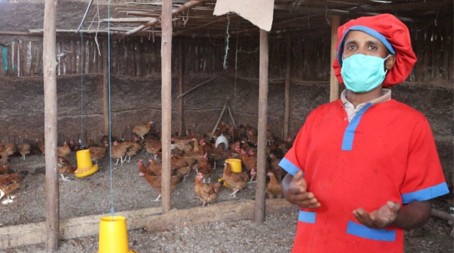
Currently, the working capital of the enterprise is around 4.5 million ETB, and the value of the total assets is estimated between 7.5 and 8 million ETB. What began as a small family poultry operation has evolved into a diversified and sustainable agribusiness. Looking back on the journey, Tadele is grateful for the support that he gets from the RAISE-FS project, which helped him and the family make the change. “The support helped us to diversify our business, overcome key challenges, and significantly increase our income,” he said.
With plans to continue expanding, Tiruwork and Hailemariam’s enterprise is an inspiring example of how innovation, determination, and strategic investment can help farmers overcome challenges and build stronger, sustainable and more resilient businesses for the future.

