
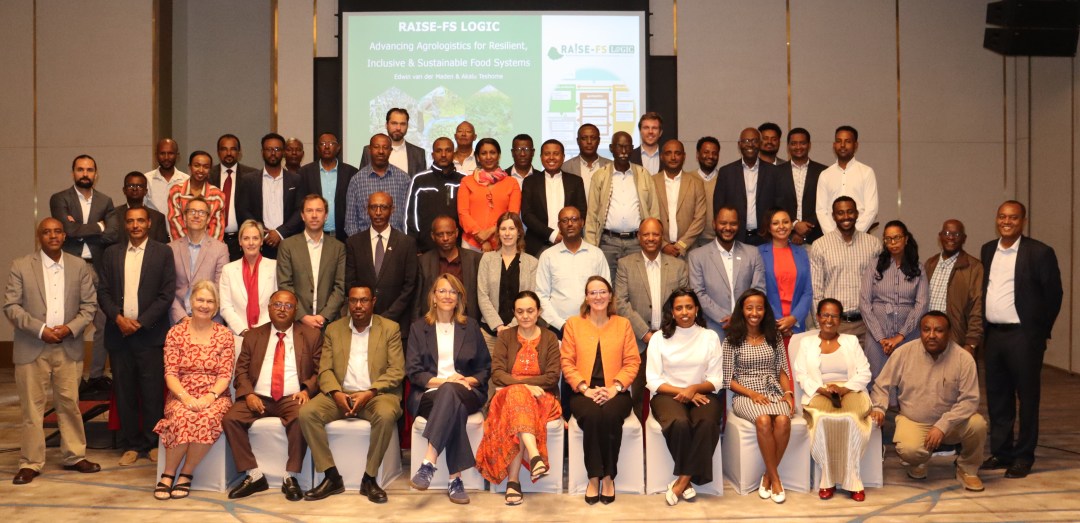
Ethiopia, a country endowed with vast agricultural potential, finds itself at a pivotal moment in its efforts to transform its food systems. Despite its fertile lands and a substantial agricultural workforce, the nation faces persistent challenges in agrologistics; challenges that hinder its ability to fully capitalize on its agricultural resources. Resolving these inefficiencies is critical not only for bolstering food security but also for fostering economic growth, reducing post-harvest losses, and ensuring equitable access to nutritious food for all citizens.
Recognizing the urgency of these issues, Ethiopia has taken a bold step forward with the launch of the “Advancing Agrologistics for Resilient, Inclusive, and Sustainable Food Systems (RAISE-FS LOGIC)” project. Officially inaugurated on June 16, 2026, this initiative marks the beginning of a transformative era for Ethiopia’s agricultural sector.
RAISE-FS LOGIC launch
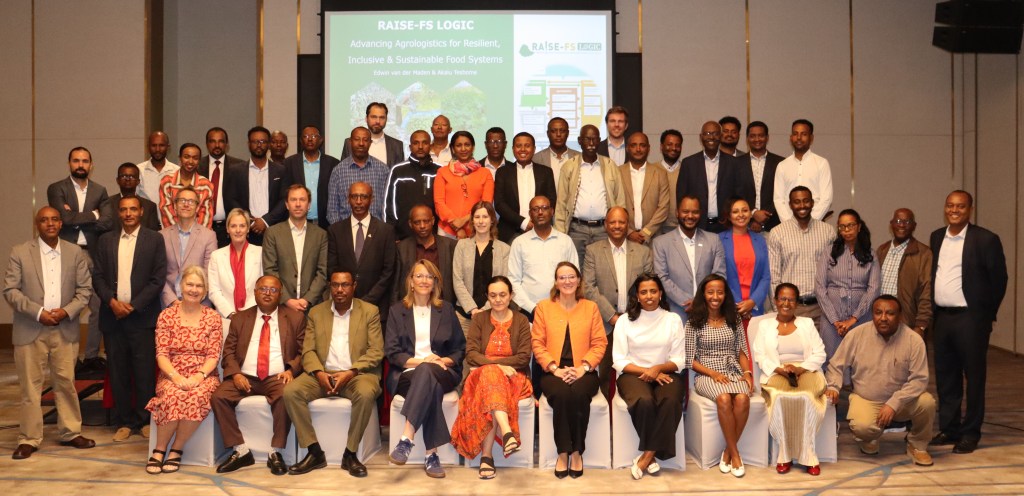
The launch event of the RAISE-FS LOGIC project brought together a distinguished group of stakeholders, including high-ranking government officials, development partners, and industry experts. Among those in attendance were His Excellency Wondale Habtamu Teferi (PhD), Deputy Director of the Ethiopian Agricultural Authority (EAA); Mercedes Marin Nortes, Programme Officer for Agribusiness from the European Union Delegation to Ethiopia; and Paula Schindeler, Deputy Head of Mission and Head of Development Cooperation at the Embassy of the Kingdom of the Netherlands in Ethiopia.
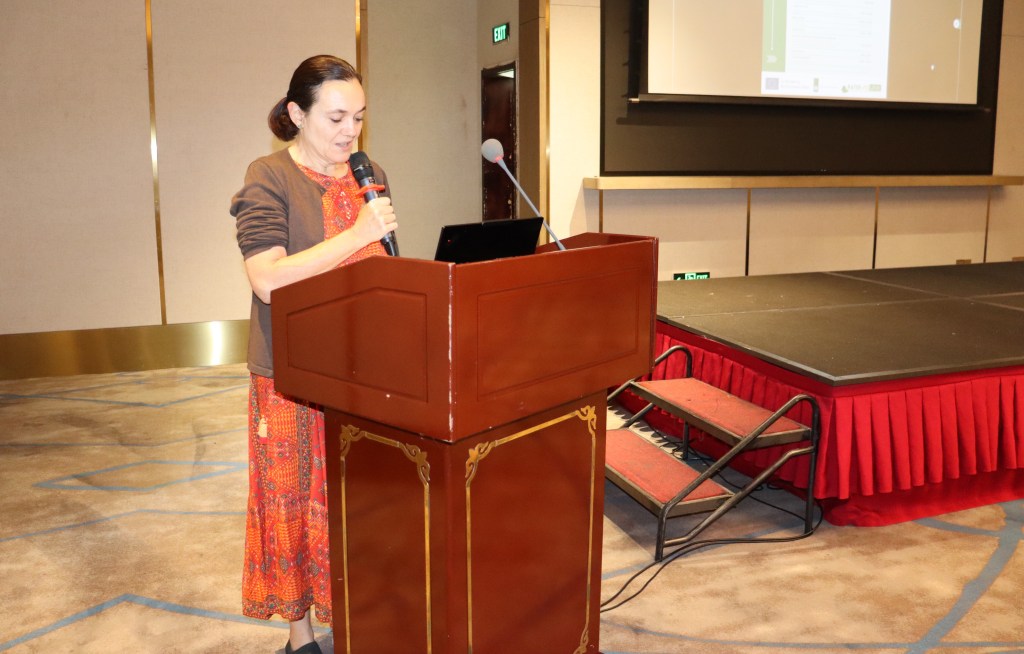
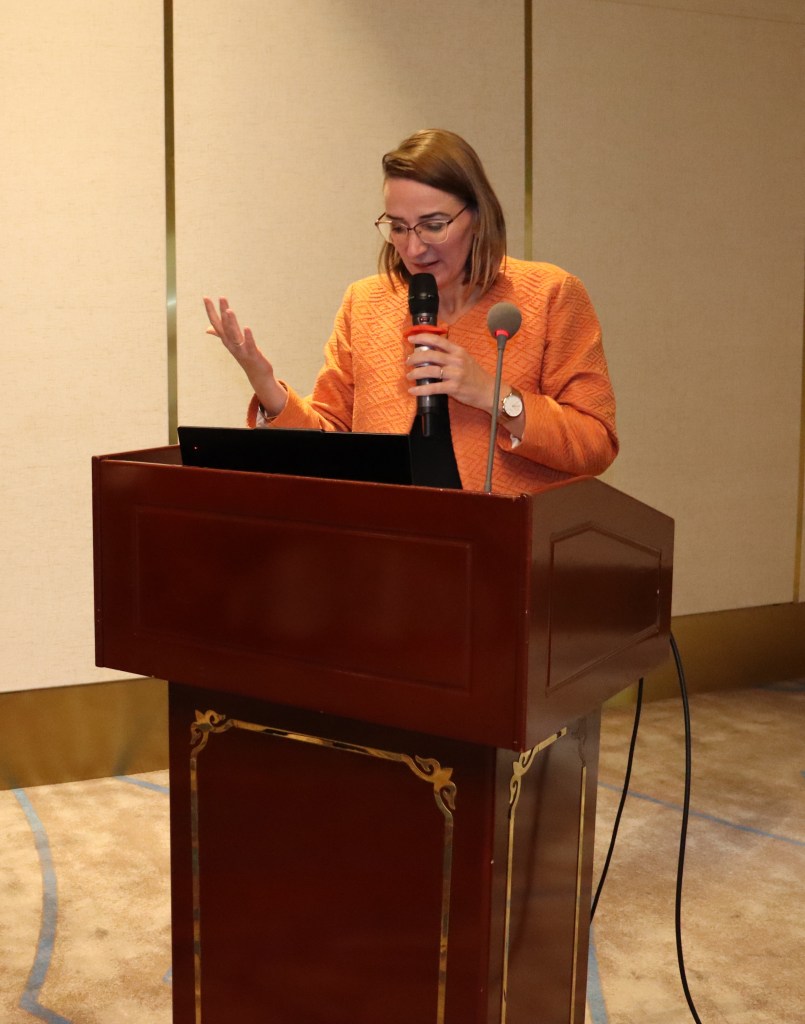
In their opening remarks, the speakers underscored the timeliness and critical importance of this initiative. They highlighted how the project is uniquely positioned to address systemic inefficiencies in Ethiopia’s agrologistics sector while promoting resilience, inclusivity, and sustainability across agricultural value chains.
The RAISE-FS LOGIC : A strategic vision
Agrologistics refers to the planning, implementation, and management of the flow of agricultural products from farms to consumers. It encompasses transportation, storage, processing, packaging, and distribution—functions that are essential for ensuring food reaches markets efficiently while minimizing waste and maintaining quality and safety.
Despite its importance, Ethiopia’s agrologistics sector has long been plagued by infrastructure deficits, limited technology adoption, and weak coordination among stakeholders. These bottlenecks have significantly hampered the nation’s ability to optimize its agricultural output.
The RAISE-FS LOGIC project aims to address these challenges head-on. Jointly funded by the Embassy of the Kingdom of the Netherlands and the European Union, the initiative focuses on transforming agrologistics systems for three high-potential value chains in Southern Ethiopia: potato, banana, and avocado. By implementing innovative, scalable, and sustainable solutions, the project seeks to improve product quality and safety, enhance value chain performance, increase supply chain efficiency and transparency, and reduce environmental impacts across Ethiopia’s food systems.
Prioritizing food safety and value chain transformation
A key moment during the launch event was the formal handover of three newly developed food safety guidelines. These comprehensive guidelines; created by the National Food Safety Working Group under the leadership of the RAISE-FS project; focus on good agricultural and handling practices for sesame, hot pepper, and poultry.
The guidelines were officially received by Dr. Wondale Habtamu Teferi and Negash Sime, Deputy Director General of the Ethiopian Food and Drug Authority (EFDA). Both officials emphasized the critical role these guidelines will play in enhancing food safety standards across Ethiopia’s agricultural sector.
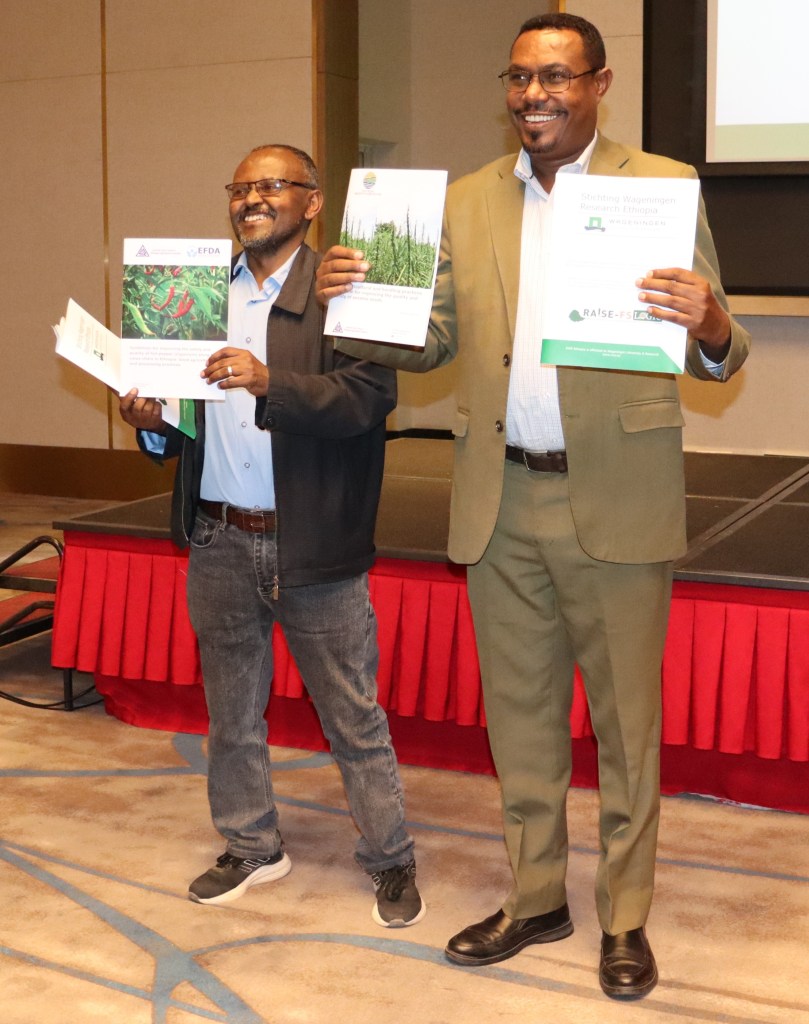
“These guidelines are a significant step forward in aligning our agricultural practices with global food safety standards,” Dr. Wondale stated during the ceremony. “They will not only ensure safer food systems but also strengthen Ethiopia’s position in international markets.”
Looking ahead
The workshop brought together a diverse group of stakeholders, experts, and development partners to discuss opportunities, challenges, and priorities for building a more resilient, inclusive, and sustainable agrologistics ecosystem in Ethiopia. Through collaborative dialogue and knowledge sharing, participants contributed valuable insights that will help shape the project’s future interventions and impact.
Transforming Ethiopia’s food system requires a holistic approach that addresses the root causes of inefficiencies in agrologistics. Addressing the systemic inefficiencies within Ethiopia’s agrologistics sector requires a comprehensive and integrated approach, and the RAISE-FS LOGIC project stands as a pivotal step in this transformative journey. With support from local and international partners, this initiative is expected to contribute for the country’s effort in food system transformation, enhance food security, and open new opportunities for export growth

