
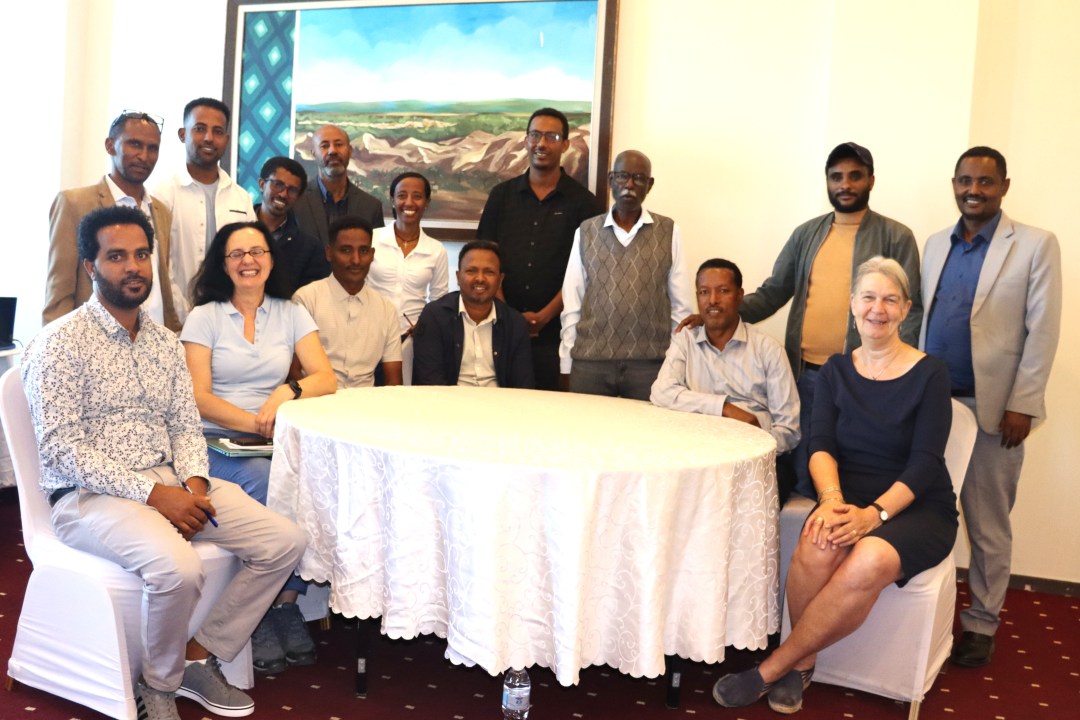
In today’s interconnected world, food safety is not just a public health priority; it is a cornerstone of economic growth, community well-being, and sustainable development. Recognizing this, SWR Ethiopia RAISE-FS project has facilitated “Governance from Farm to Fork” food safety course which significantly contributed in empowering professionals to reimagine food safety systems through innovation, collaboration, and governance-driven solutions.
Launched in 2022, the RAISE-FS food safety course is a comprehensive three-month blended learning course. It has equipped a new generation of food safety leaders in Ethiopia with the requisite tools and knowledge to address some of the most pressing challenges in the field. With over 50 professionals from government, academia, the private sector, and research institutions trained, the program is already reshaping the landscape of food safety in Ethiopia.
The training program offers a three-month blended learning course that emphasizes food safety as a governance-driven system. It covers farm-to-fork food safety principles, international standards, private certification schemes, integrated pest management, Good Agricultural Practices (GAP), Good Hygiene Practices (GHP), HACCP systems, food safety risk analysis, and food control systems. This comprehensive approach equips participants with both theoretical knowledge and practical skills for real-world application.
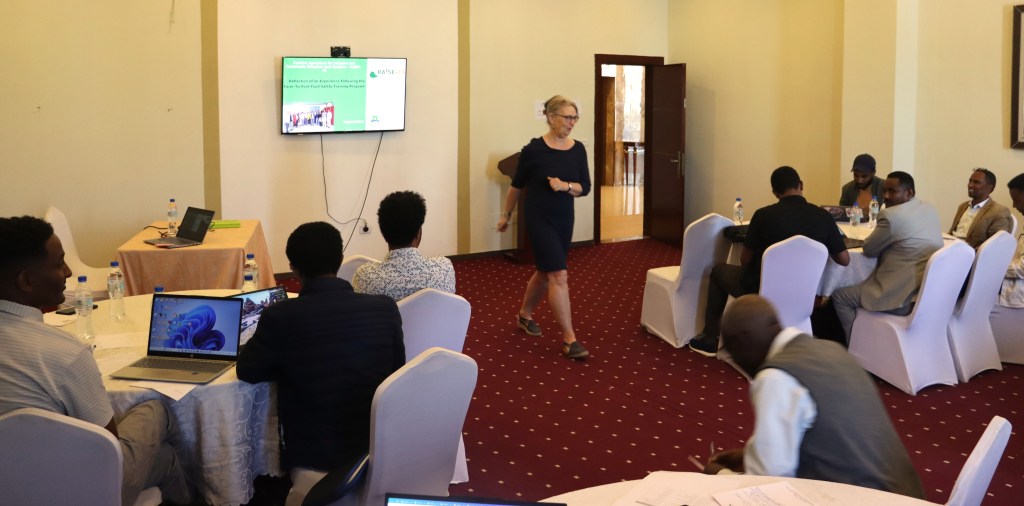
A defining feature of the training program was its action plan trajectory. Participants are guided through structured frameworks to identify key challenges in their respective sectors, map stakeholders, address governance bottlenecks, and develop measurable solutions. This approach has enabled graduates to implement initiatives that are already making tangible differences across diverse fields.
Alumni success stories: Turning knowledge into action
The success stories emerging from RAISE-FS alumni reflect the program’s significant impact. Each story highlights how targeted training can empower individuals to drive meaningful change in their communities and industries.

Degnet Teferi from Bahir Dar University recognized the critical role of media in shaping public awareness about food safety. Leveraging his RAISE-FS training, Degnet launched an initiative to train media professionals as advocates for food safety. Through comprehensive workshops, journalists were equipped with skills in risk communication, message development, and multi-platform dissemination. His efforts have fostered collaboration between media outlets, government agencies, and development organizations, resulting in a shared roadmap for sustained food safety advocacy.
Faunel Fikremariam of the Ethiopian Agriculture Authority used his training to address critical gaps in laboratory systems and food inspection services. By designing targeted training programs for laboratory personnel and inspectors, Faunel has enhanced risk-based governance practices. His initiative has improved hazard identification, testing protocols, documentation, traceability, and risk prioritization; laying the foundation for more robust food safety governance in Ethiopia.
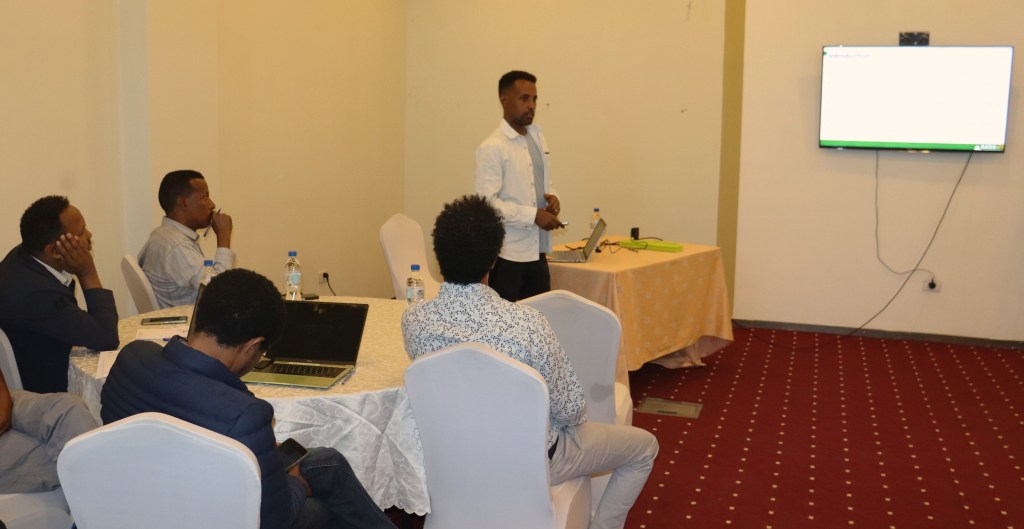
For academic professionals like Mikyas Kebede Ali from Haramaya University, RAISE-FS has been instrumental in reshaping food safety education. Mikyas has integrated contemporary food safety principles into university curricula, mentored students on best practices, and engaged with local communities to drive improvements in food safety. His work ensures that future professionals are well-equipped to tackle complex challenges in the field.
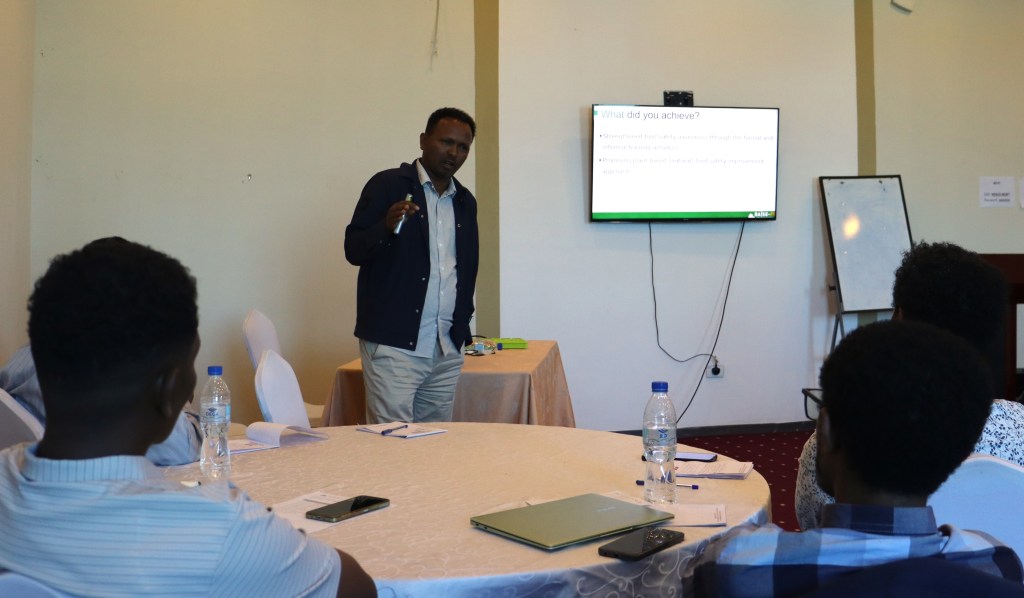
The dairy sector has emerged as a focal point for several RAISE-FS alumni. Solomon Gebreyowhans from the Tigray Agricultural Research Institute initiated a research project to investigate microbial contamination in milk across the value chain in northern Ethiopia. His work is expected to yield actionable insights for risk-based interventions that will enhance dairy safety.
Similarly, Zinabu Nigus from the Tigray region launched the BRIDGE+ Dairy Farming School project in the Raya Milkshed. By collaborating with smallholder farmers and cooperatives, Zinabu has successfully integrated Good Manufacturing Practices (GMP) and Good Hygiene Practices (GHP) into daily operations. His efforts have supported evidence-based monitoring of milk hygiene and mastitis management, contributing to safer dairy production systems.
In Tigray’s Enderta Woreda, Yiman Nega of Adigrat University applied his RAISE-FS training to enhance garlic seed quality through a project aimed at multiplying disease-resistant seeds for smallholder farmers. By incorporating Good Agricultural Practices (GAP) throughout the production cycle, Yiman has improved food safety and quality while boosting productivity and marketability for over 400 farmers in the region.
The ripple effects of RAISE-FS training extend into industry as well. Getachew Feyisa has worked closely with industry owners to implement Hazard Analysis Critical Control Point (HACCP) principles and comprehensive food safety management systems. Meanwhile, Muchie Shiferaw from the Amhara Region Industry Bureau has shared his expertise with colleagues and agro-processing industries to foster improved food safety practices across the sector.
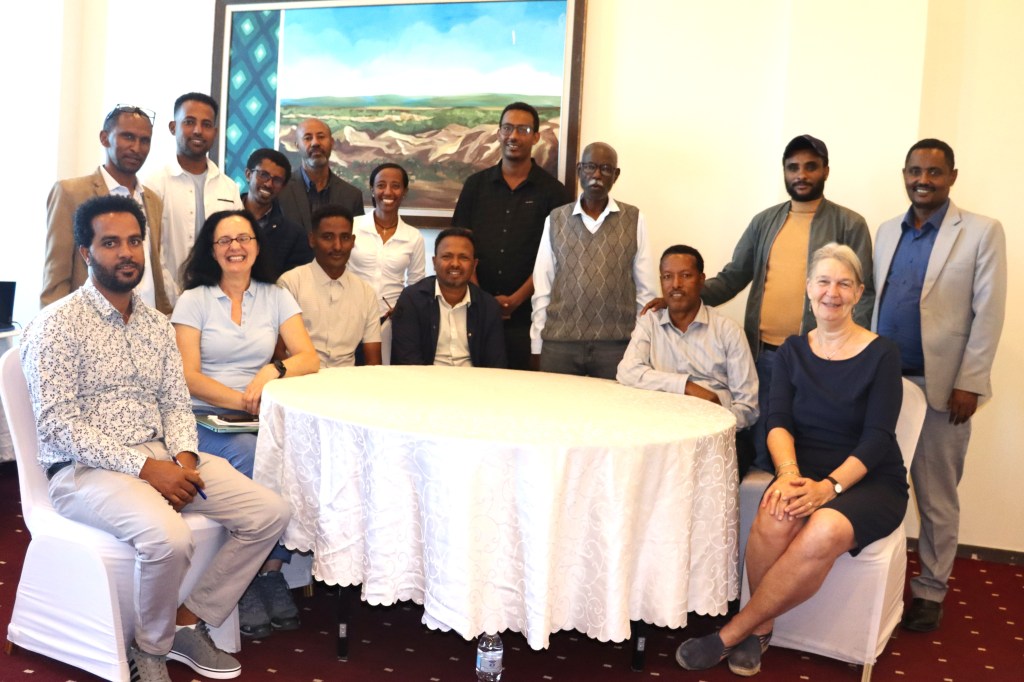
Building a network of food safety leaders
The accomplishments of RAISE-FS alumni underscore an essential truth: effective food safety governance requires more than just technical expertise. It demands systems thinking, cross-sector collaboration, behavioral insights, and strategic communication. By empowering professionals to act as change agents within their spheres of influence, RAISE-FS is building a network of leaders committed to transforming food safety systems. The success stories of its alumni testify to the power of targeted training programs in driving meaningful change.

