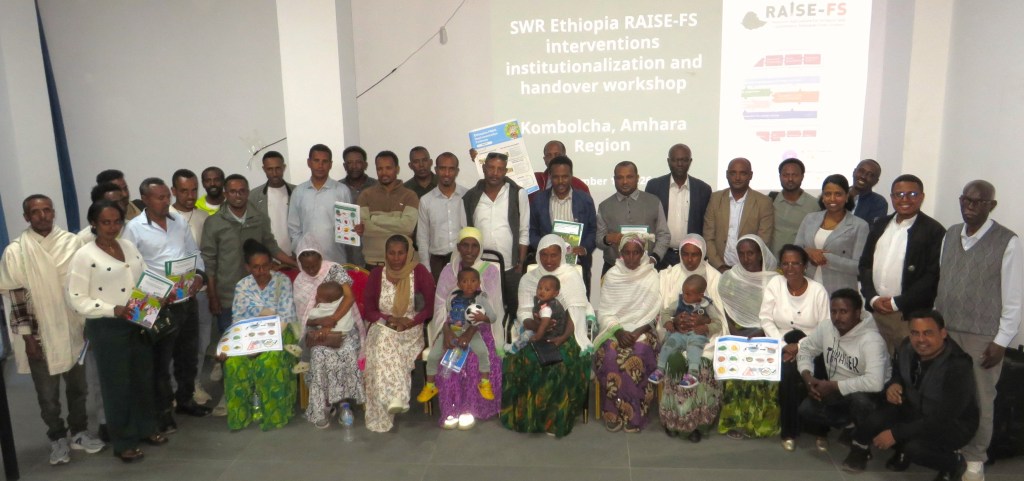
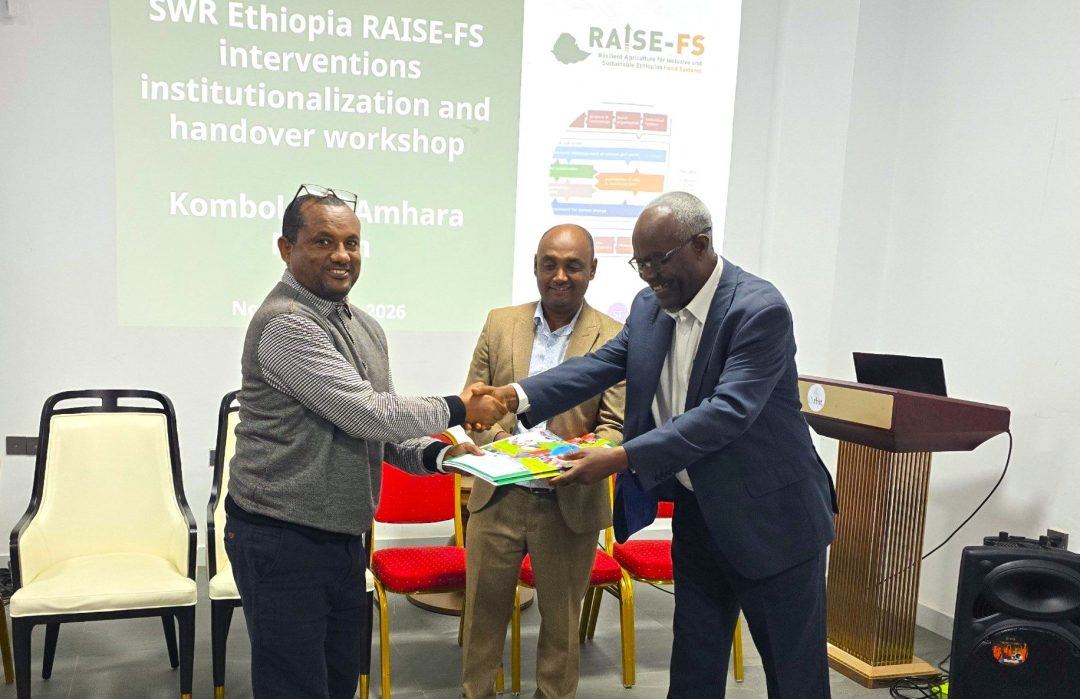
The SWR Ethiopia RAISE-FS project brought together regional, zonal and woreda stakeholders in Kombolcha, Amhara Region, on November 14 to hand over Social Analysis and Action (SAA) and Social and Behaviour Change Communication (SBCC) activities to mandated institutions. The workshop marked a key step toward integrating these approaches into institutional regular plans and sustaining their impact.
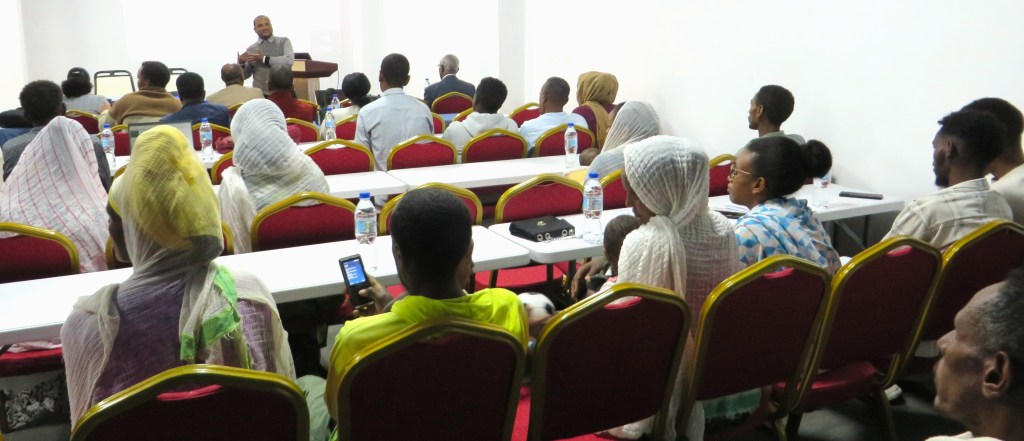
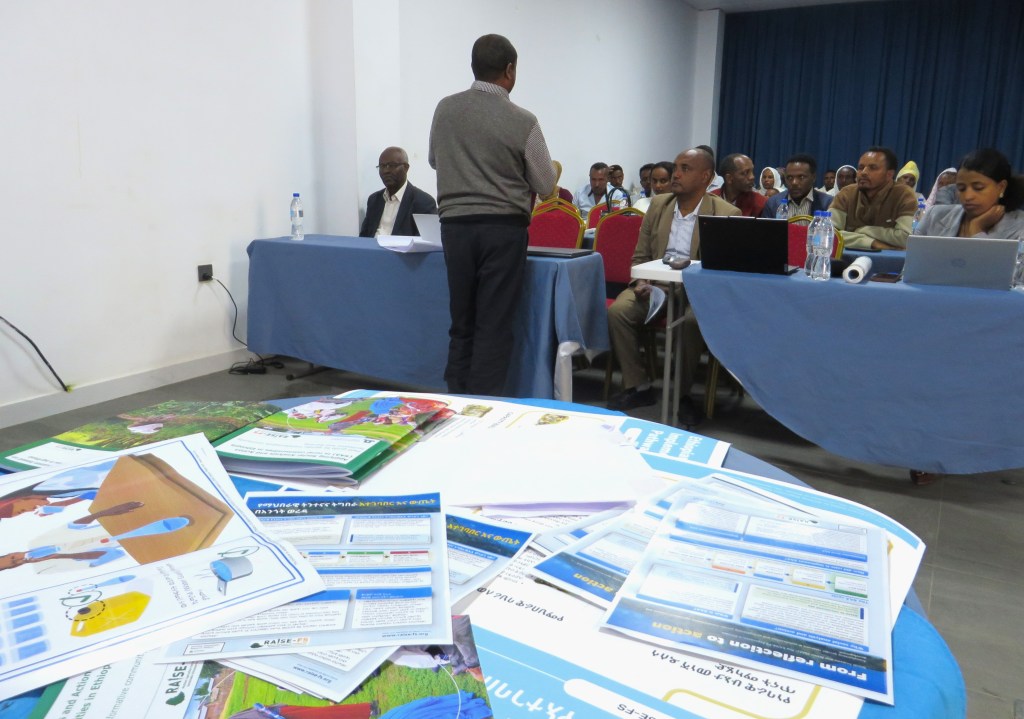
Opening the workshop, Abrham Muchie, Director of Nutrition Directorate, at the Amhara Region Agriculture Bureau, highlighted the project’s four years of work in the region. He said its interventions had delivered encouraging results and stressed the importance of maintaining these gains while expanding their reach to more farming households.
Dr. Mulugeta Diro presented the RAISE-FS project’s journey, outlining its focus areas, implementation approaches and partnerships. He explained that the project had tested and validated innovations and documented supporting evidence. The handover, he said, was intended to enable mandated public institutions to adopt the approaches and scale them up.
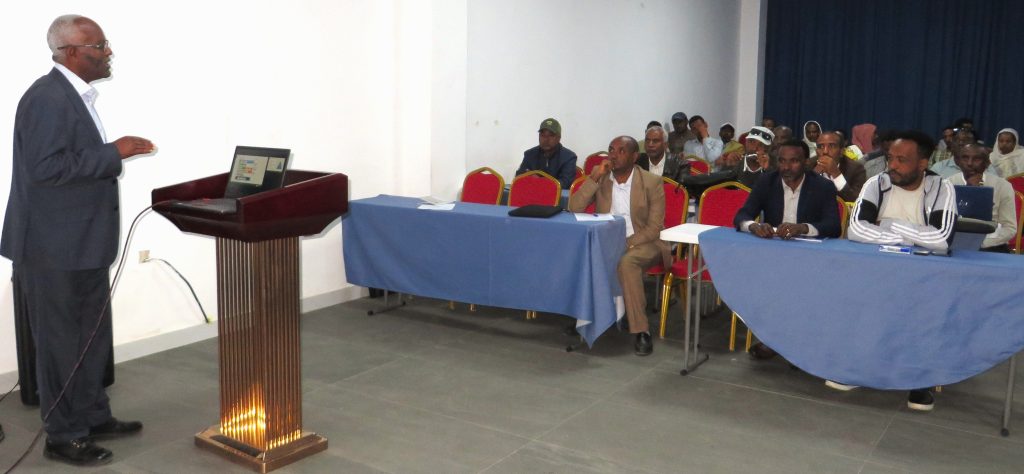
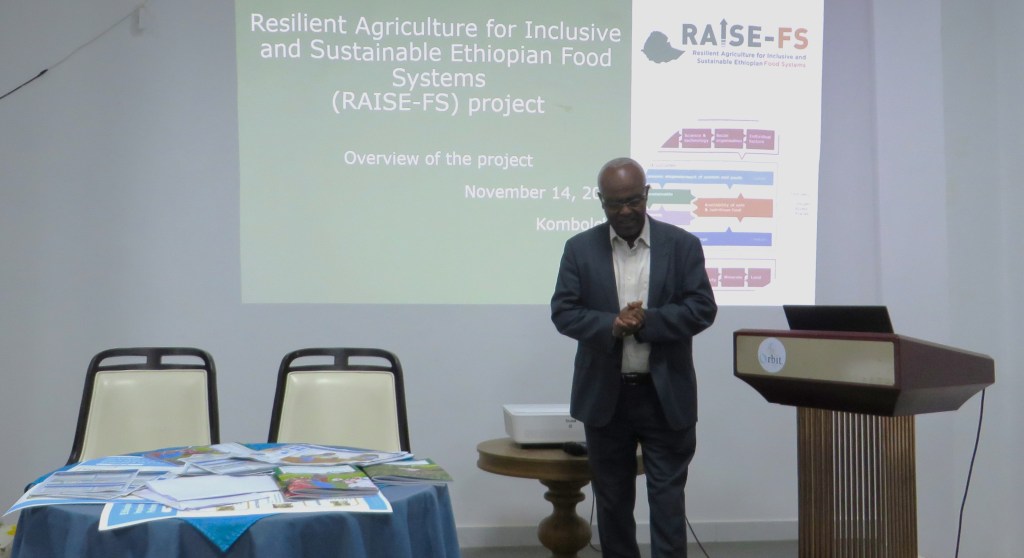
RAISE-FS experts from Sirinka Agricultural Research Centre shared experiences and lessons from implementing SBCC and SAA. Their presentations covered implementation processes and achievements, emphasizing the potential to extend the interventions to more farmers and areas.
Participants also viewed a change-story video featuring a farming household that had participated in SBCC, established a home garden and applied key messages from the Ethiopian Food-Based Dietary Guidelines to improve household nutrition. Farmers involved in the two interventions shared their experiences and the benefits they had observed, providing first-hand accounts of the approaches’ impact.
During group discussions, stakeholders identified activities needed to institutionalize the interventions and outlined their respective roles and responsibilities. The groups presented their proposals in plenary, where participants provided feedback to strengthen the proposed strategies.
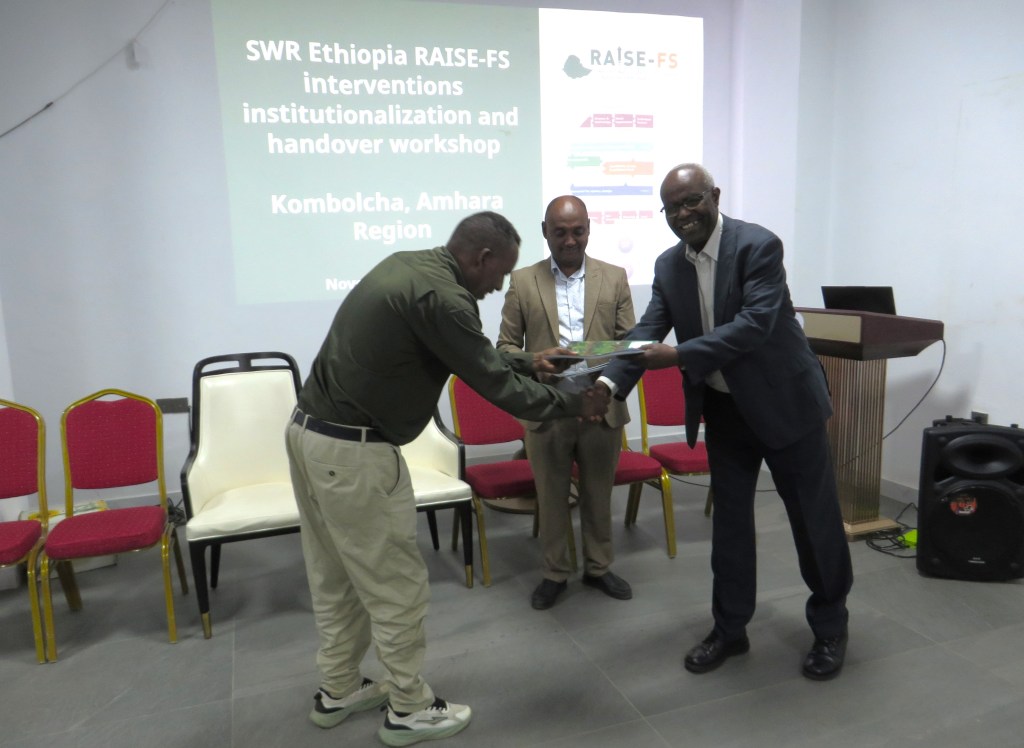
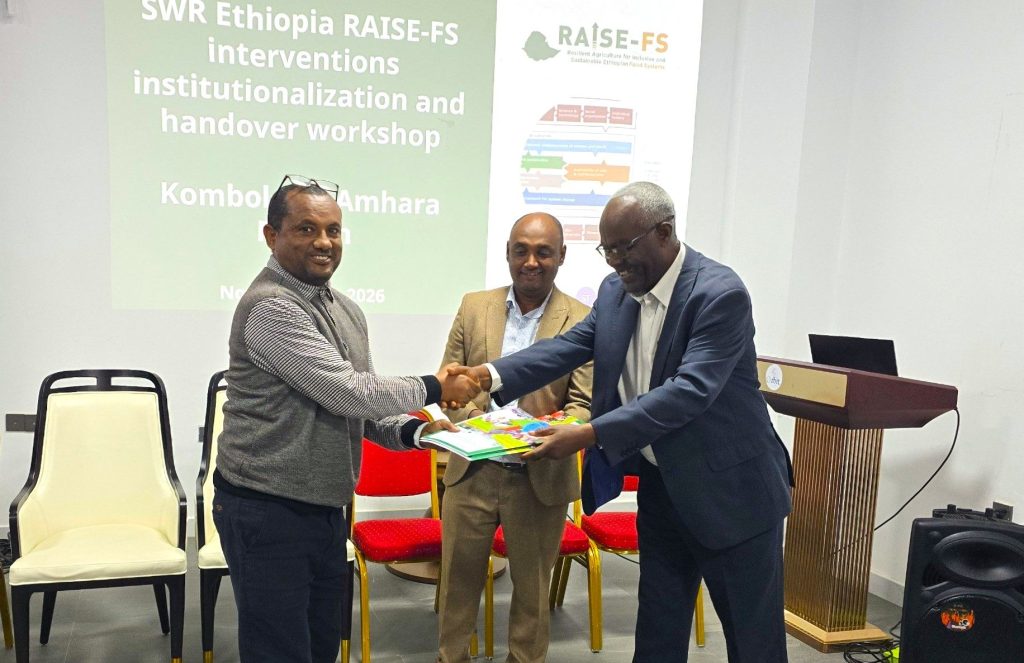
The workshop concluded with the official handover of implementation materials and tools. Dr. Mulugeta presented the resources to representatives of each participating stakeholder organization to support the integration of SAA and SBCC into their work.
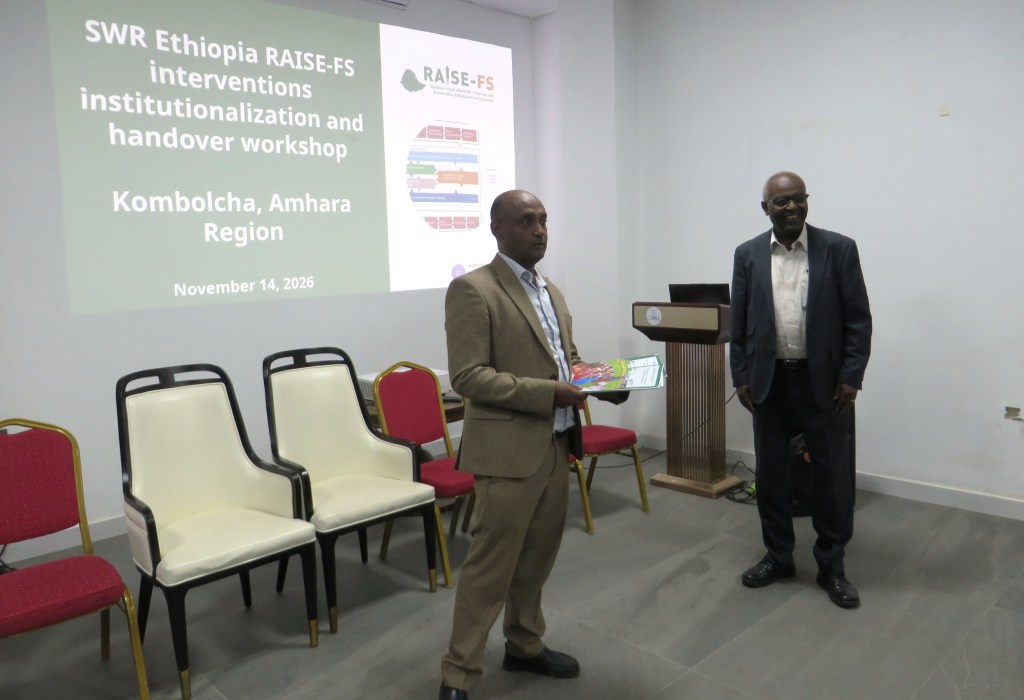
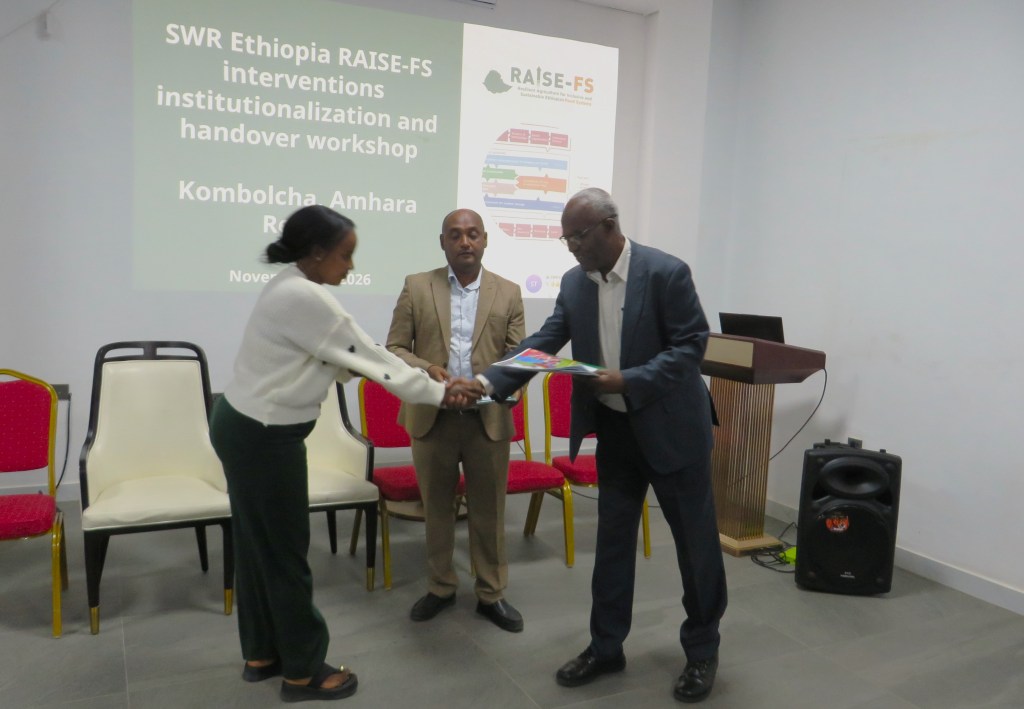
In his closing remarks, Abrham emphasized the need to improve household nutrition across the region. He described the experiences and farmer testimonies as encouraging and called for the approaches to be institutionalized and expanded to additional woredas and farming households.
He also stated that the Amhara Region Bureau of Agriculture is committed to incorporating the interventions into its regular plan.
“When we go back, we must immediately inform higher officials in our institutions and pass on what we have received and discussed for further action,” Abrham said.