
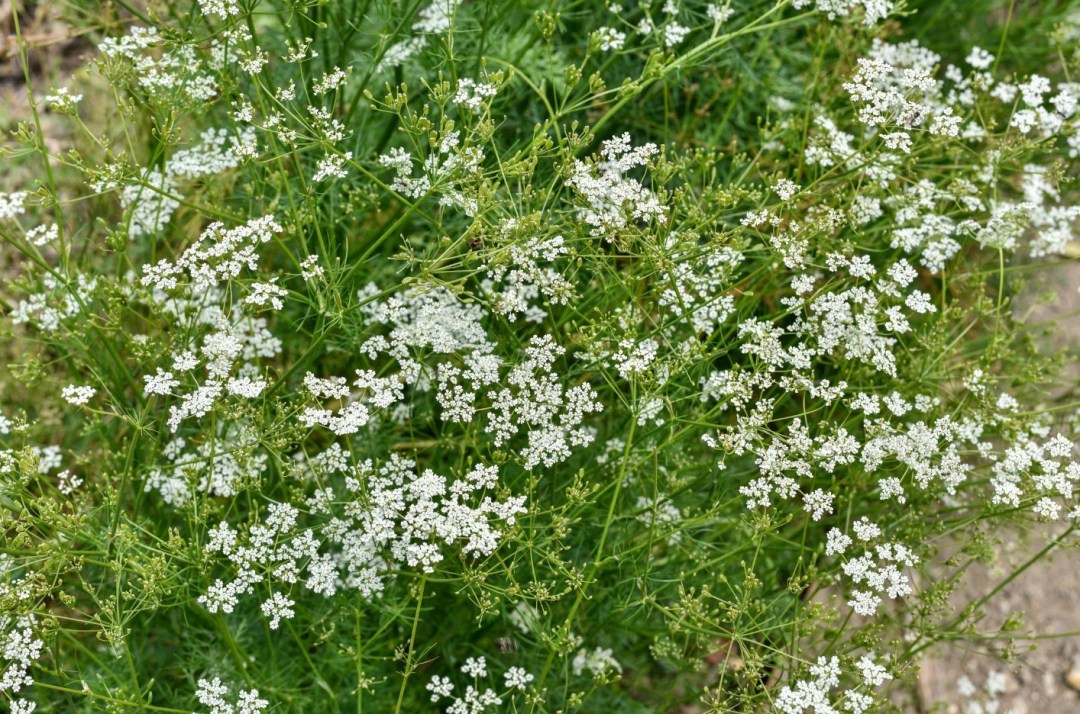
Workshop highlights opportunities to increase production, improve quality and strengthen market linkages for black cumin and fenugreek in Oromia.
A stakeholder validation workshop in Adama has highlighted the need for stronger coordination, improved seed supply, better market linkages and more consistent product quality to unlock opportunities in Ethiopia’s seed spices sector.
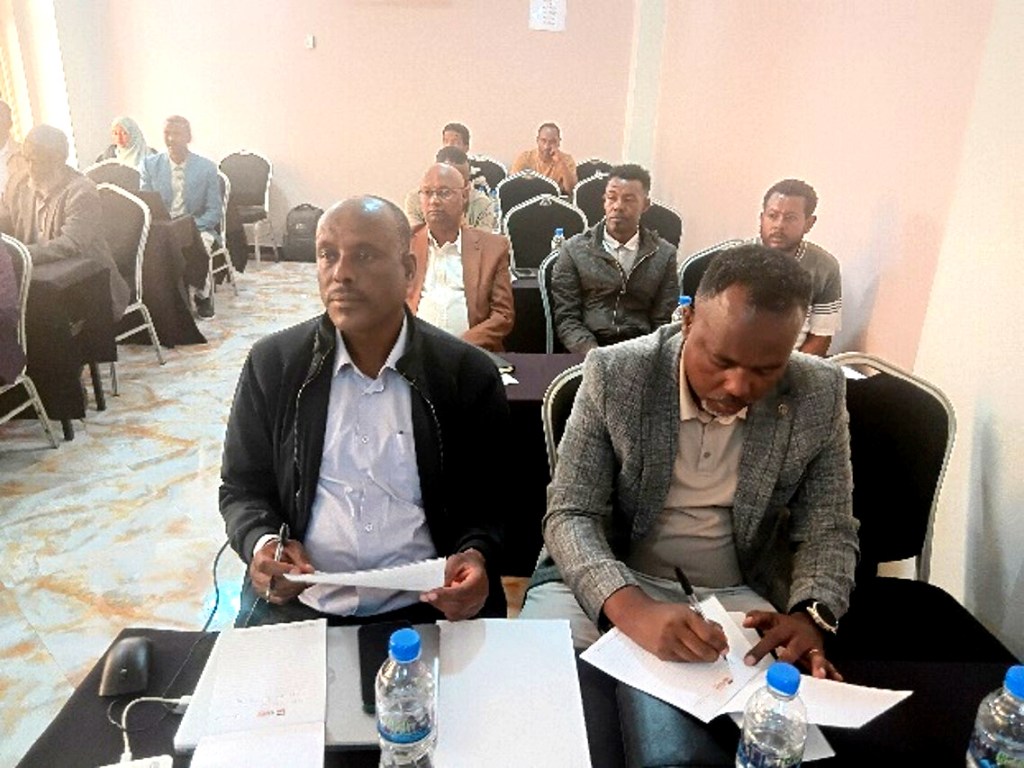
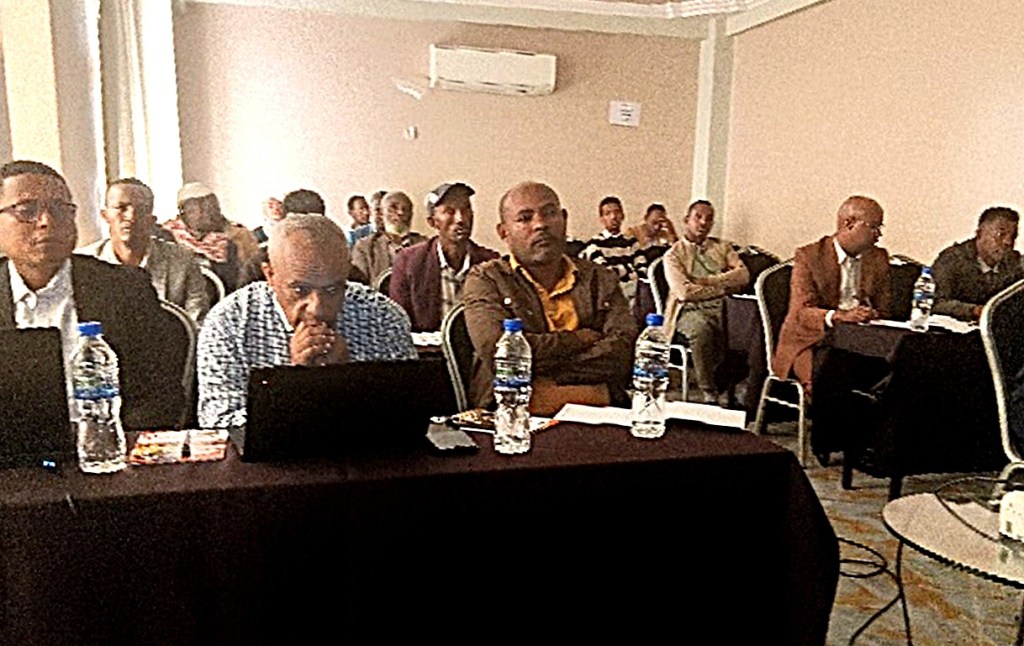
The workshop was organized by the Oromia Liaison Office of Stichting Wageningen Research Ethiopia (SWRE) Resilient Agriculture for Inclusive and Sustainable Ethiopian Food System (RAISE-FS) project and Kulumsa Agricultural Research Center (KARC)/EIAR. It brought together representatives from government institutions, agricultural research organizations and the private sector to review findings from a seed spices value chain assessment conducted in Shirka Woreda, Oromia Region.
Turning assessment findings into action
Participants reviewed the assessment’s focus on black cumin and fenugreek, including production practices, input and service provision, market dynamics, postharvest handling, processing and opportunities for value chain development.
Opening the workshop, Mr. Shimelis Alemayehu, Director of Kulumsa Agricultural Research Center, emphasized the importance of stakeholder engagement in translating research findings into practical benefits for farmers and other value chain actors. The workshop concluded with remarks from Mr. Endalkachew, Extension Director at the Oromia Bureau of Agriculture, who highlighted the need for stronger extension services and coordination.
Production is recovering, but supply remains constrained
A key finding was the progress made in revitalizing black cumin and fenugreek production in Shirka Woreda. Production had previously stopped but has begun to increase through interventions by KARC with SWRE support under the RAISE-FS project. Participants also noted growing adoption of improved varieties.

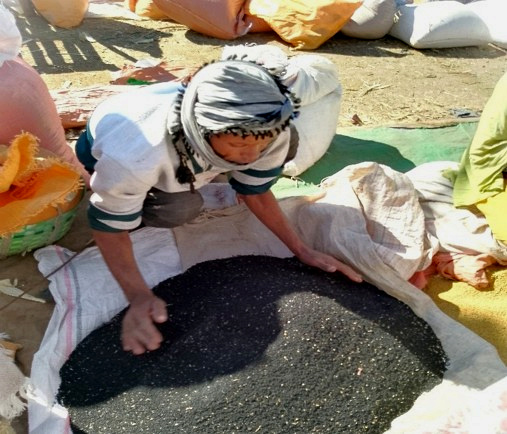
The workshop highlighted the strong business potential of seed spices to generate income and employment for rural communities. Sustaining this progress, however, will require continued investment in improved varieties, reliable seed supply, effective extension services and stronger links between producers and markets.
Quality and market access remain priorities
Processors and exporters reported substantial gaps between available seed spices supply and demand from domestic processing industries and export markets. Representatives of Bulbula Integrated Agro-Industry Park, for example, reported that operational black cumin oil extraction plants are facing shortages of raw material.
Participants also raised concerns about adulteration and inconsistent product quality. They called for stronger quality assurance mechanisms and incentives that encourage the delivery of high-quality produce.
Priorities for a stronger value chain
The workshop identified several priorities for sustainable value chain development: stronger coordination and partnerships among value chain actors; more targeted extension services; wider access to improved varieties and quality seed; better market systems and product quality; increased mechanization and more efficient processing; greater opportunities for value addition; and stronger attention to gender, youth, business coordination and supply arrangements.
The validation workshop marked an important step in turning research findings into practical interventions for the seed spices sector. Participants emphasized that collaboration among research institutions, government agencies, farmers, cooperatives and private enterprises will be essential to building a competitive, inclusive and market-oriented value chain.
With demand growing in processing and export markets, targeted investment in production, quality improvement, processing and market coordination could help close supply gaps while creating additional income and employment opportunities.

