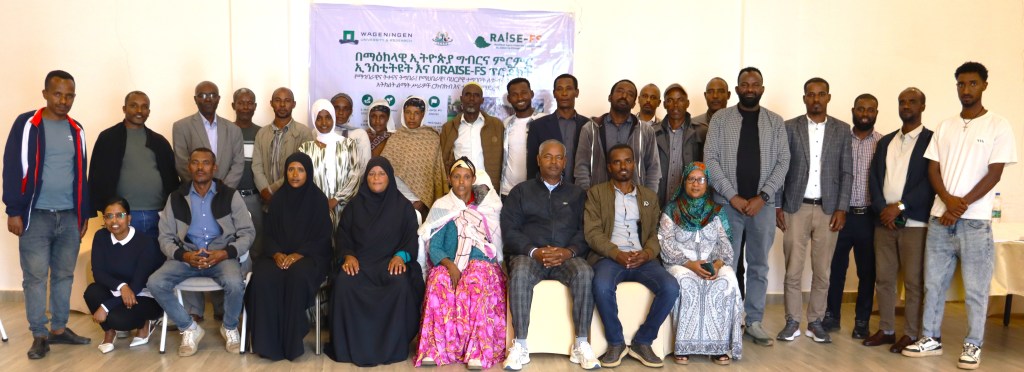
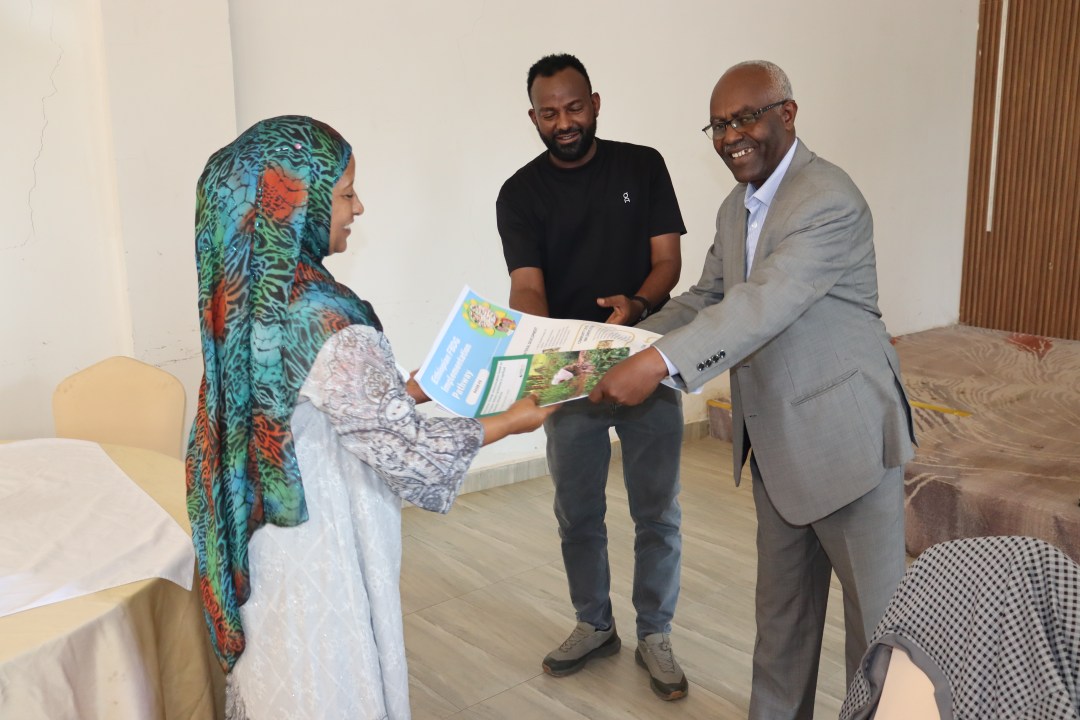
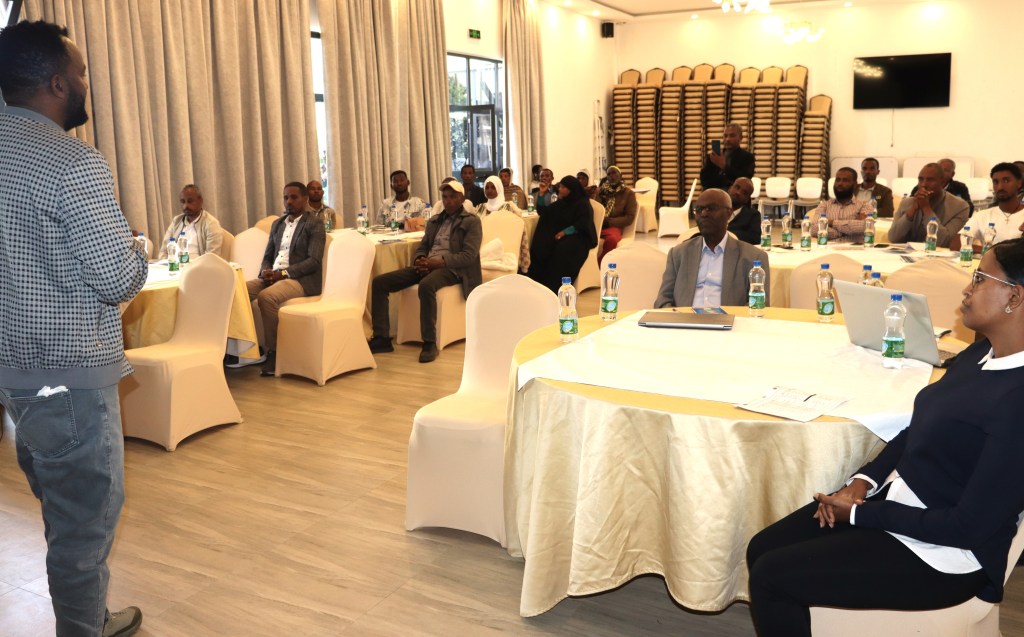
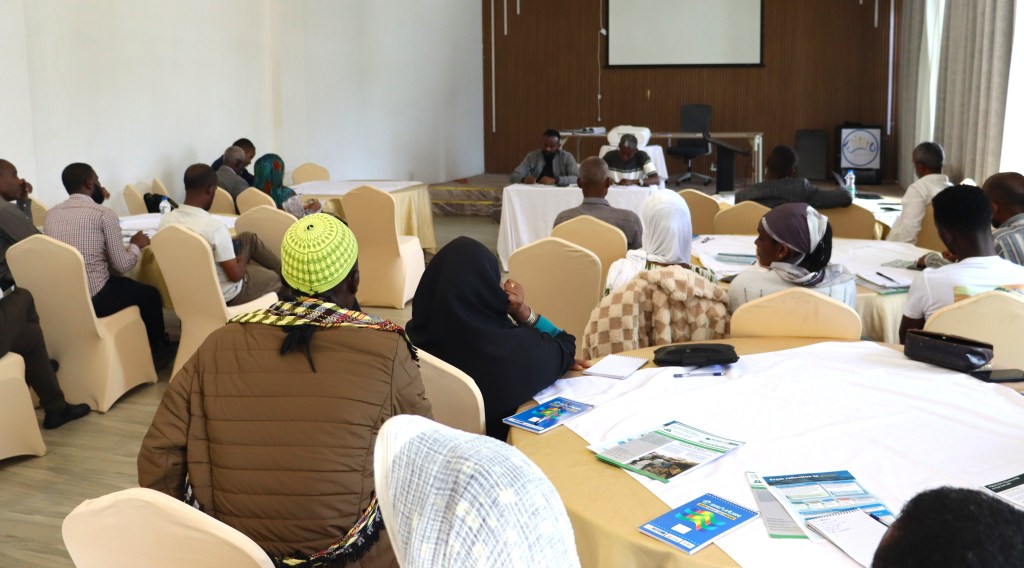
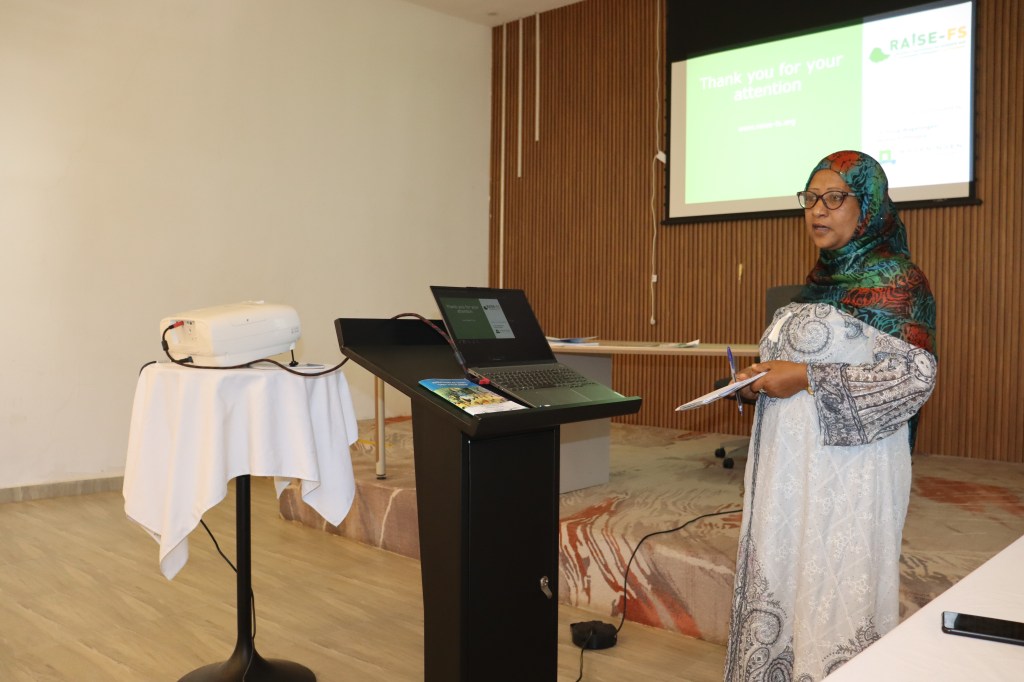
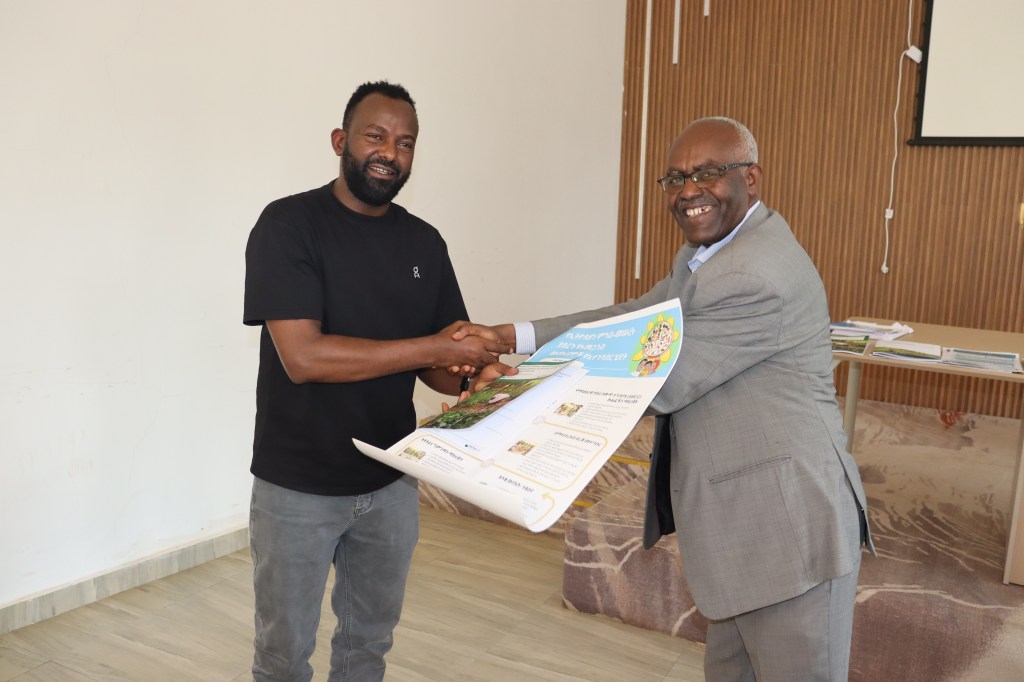
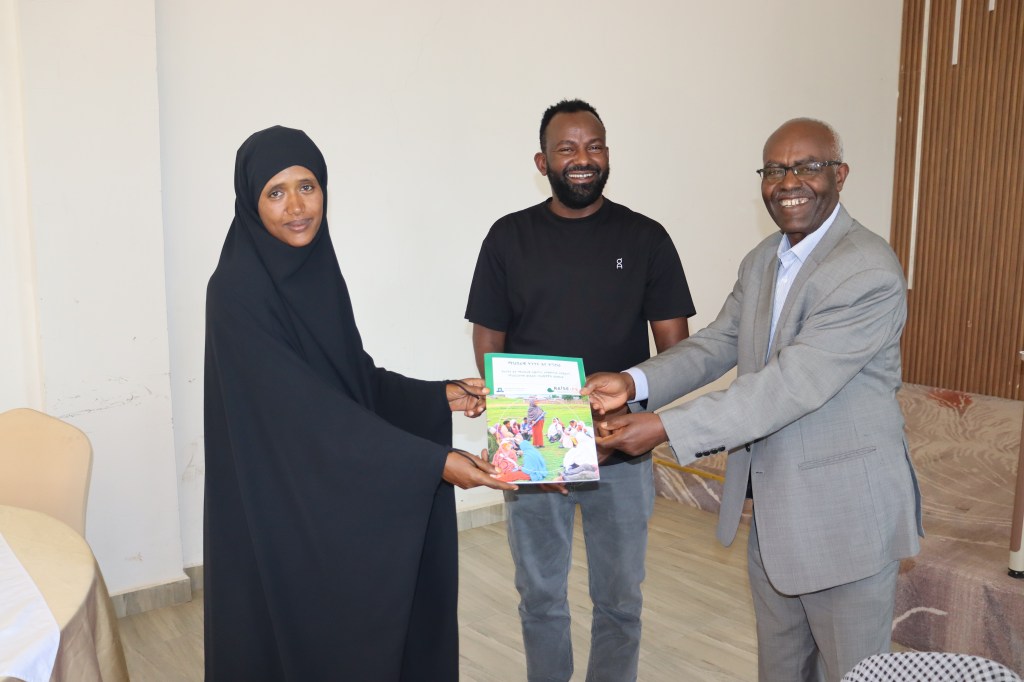
A handover and institutionalization workshop for SAA, SBCC and home garden initiatives took place on 27–28 November 2026 in Hossana, Central Ethiopia Region, bringing together more than 30 participants from relevant institutions. The workshop focused on sustaining the approaches and strengthening institutional ownership to support their continued impact.
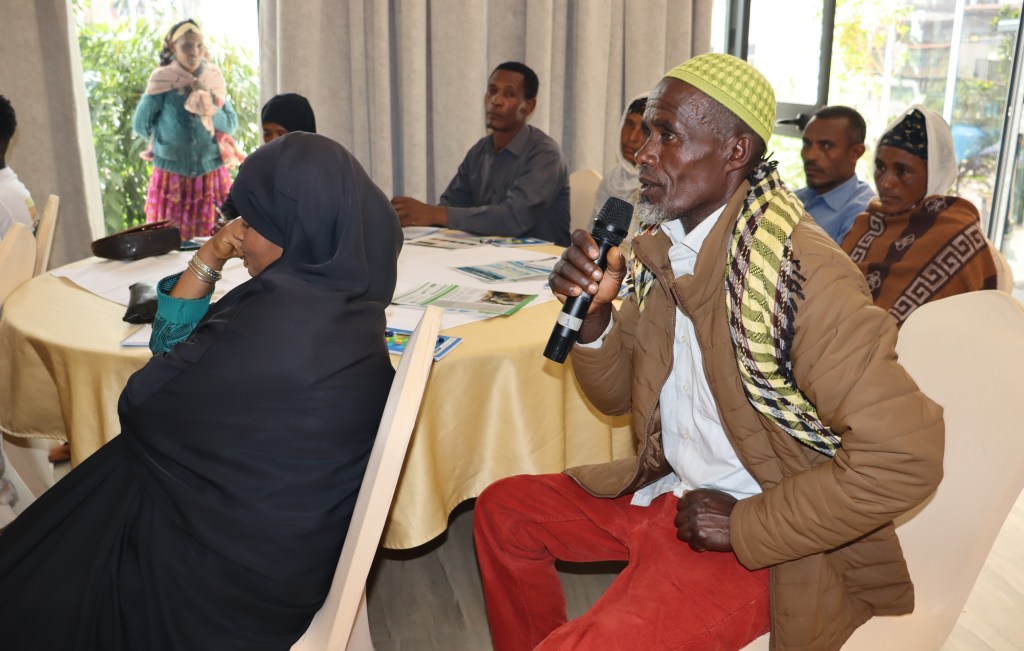
The workshop highlighted the implementation process through presentations and a change-story video. Participating farmers also shared firsthand experiences of how applying SAA, SBCC with home gardening has helped improve their household interaction and dietary diversity.
These experiences provided a foundation for discussions on sustaining achievements and expanding the reach of both approaches. Participants found the results compelling and emphasized that continued progress requires shared institutional responsibility, clear leadership, and effective coordination.
Defining roles for sustainability
Participants identified three key recommendations to guide the handover and institutionalization process:
- The Youth and Women Affairs Office should lead the coordination and advancement of the SAA approach.
- The Bureau of Agriculture should take the lead in sustaining SBCC.
- All relevant institutions should actively contribute to taking both approaches forward.
These recommendations outlined a shared path toward embedding SAA, SBCC and the home garden within institutional responsibilities.

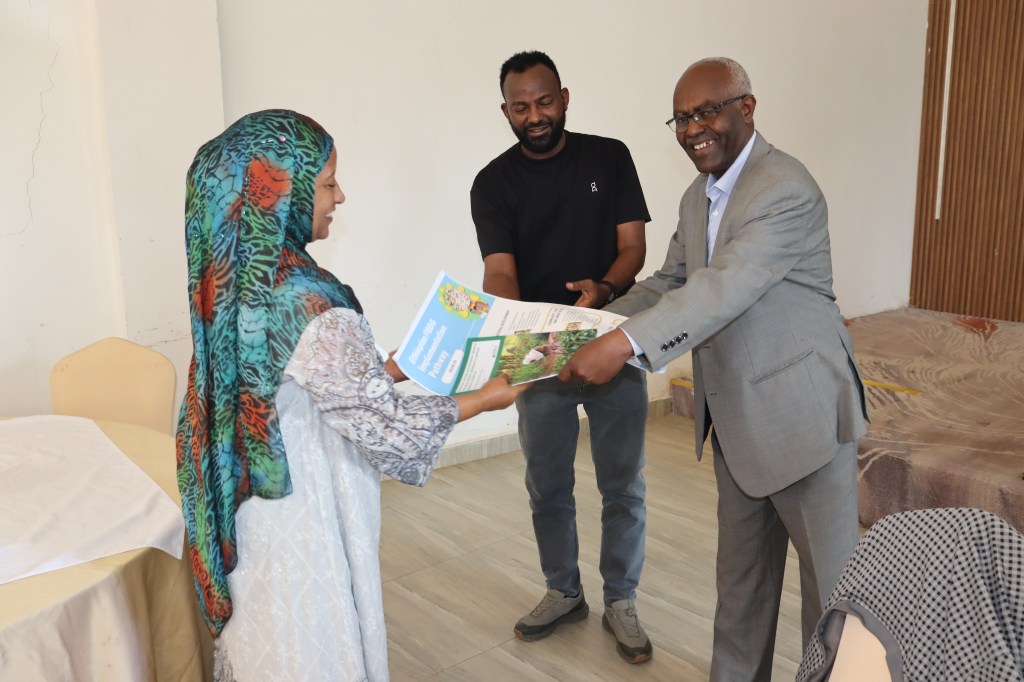
Bringing institutionalization to the regional agenda
In his closing remarks, tsegaye Terefe, Director of the Central Ethiopia Agricultural Research Institute, noted that he and some other participants are members of the regional nutrition steering committee. He committed to bringing the institutionalization of SAA, SBCC, and the home garden best practices presented at the workshop onto the committee’s agenda.
The workshop served as an important step toward stronger institutional ownership, with an emphasis on coordinated leadership and collective action to sustain and scale the approaches.