

RAISE-FS has developed woreda food system profiles for nine target areas based on rapid food system appraisals (RFSA). These profiles provide evidence-based insights into local food systems, enabling stakeholders to design inclusive and sustainable agricultural strategies. The handover of these profiles to local stakeholders marked a significant milestone in institutionalizing the bottom-up planning approach. During … Continue reading Exploring local level agricultural potentials and bottom-up planning for sustainable development
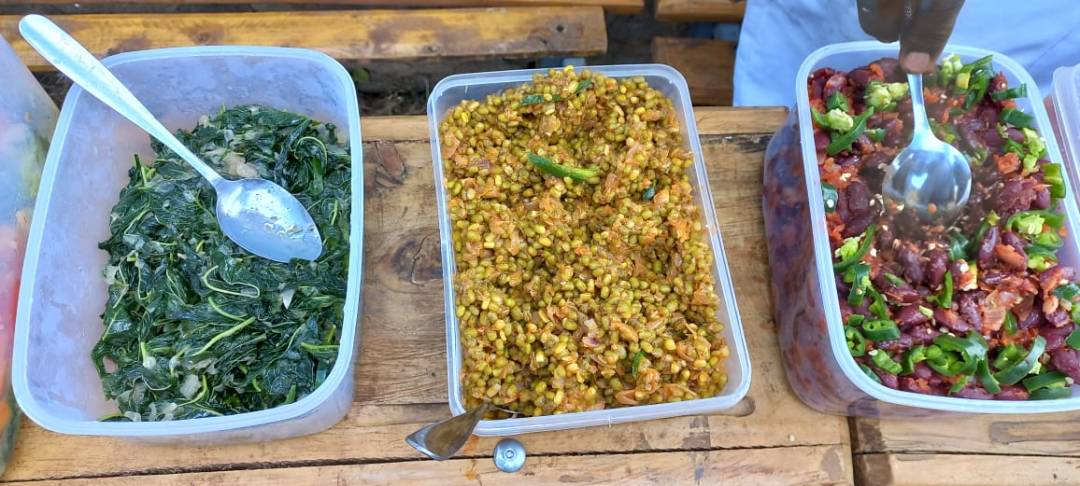
Are the Ethiopian Dietary Guidelines in line with what people believe to be a healthy diet and what they consume
Another significant publication from RAISE-FS highlights the limitations of solely relying on knowledge to address unhealthy consumption patterns. While nutrition education and messaging, such as the Ethiopian food-based dietary guidelines, represent a positive step forward, there is a need for further efforts to ensure alignment with the beliefs and consumption habits of rural Ethiopians. Moving … Continue reading Are the Ethiopian Dietary Guidelines in line with what people believe to be a healthy diet and what they consume
Agricultural sector transformation is teamwork: A book about the experiences of the Sesame Business Network (SBN) programme in Northwest Ethiopia
BENEFIT-SBN programme recently published a book about the programme experiences in the sesame sector in Northwest Ethiopia. The book looks at the many challenges and opportunities for transforming the sector, to the benefit of farmers and stakeholders involved.
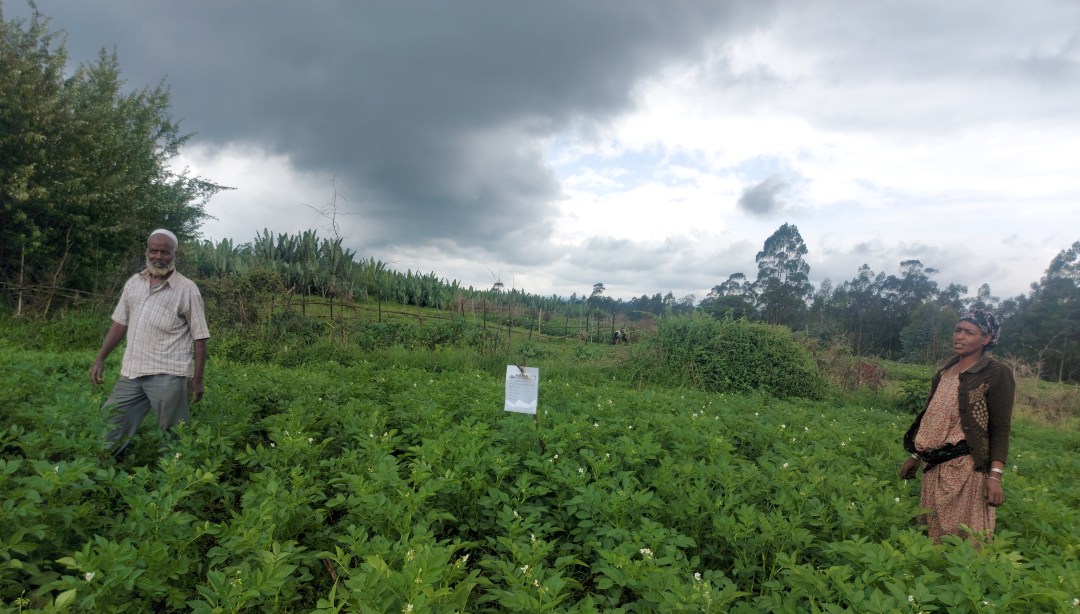
Living income gap of smallholderfarmers in southern Ethiopia
Wageningen University & Research (WUR) in collaboration with partner organizations in Ethiopia published a report “Rapid country assessment: The impact of COVID-19 on the food system in Ethiopia” on key impacts of COVID-19 crisis on Ethiopia food system.
The effect of COVID 19 on sesame belt agricultural labourers from Amhara and Tigray
BENEFIT-REALISE brief “The effect of COVID19 on agricultural casual labourers: a case of sesame belt migrants from Amhara and Tigray” highlights the findings of a rapid assessment designed to evaluate the early effects of COVID19 on PSNP households wage income in sesame growing areas of Tigray and Amhara regions.
THE IMPACT OF COVID-19 ON AGRICULTURAL CASUAL LABOURERS IN PSNP AREAS
To better understand the effects of COVID-19 on the livelihoods and food security of casual labourers at household level, especially those in PSNP areas, BENEFIT-REALISE conducted a rapid assessment in selected 17 zones and 24 PSNP woredas in six clusters of BENEFIT-REALISE programme.
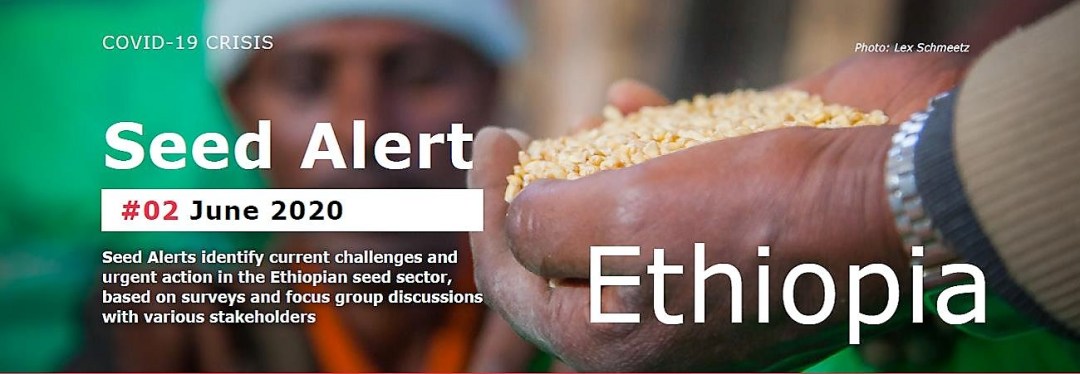
The Second BENEFIT ISSD-Ethiopia seed alert highlights the effect of COVID-19 mobility restrictions on the Ethiopian seed sector
The second BENEFIT ISSD-Ethiopia COVID-19 seed alert that was published this week highlighted issues related to release and registration of new varieties, timely supply of early generation seed (EGS), quality assurance in EGS production, reduced availability of varieties in high demand and challenges related to producers access to agro-inputs, labor and finance.

Minimizing the effect of COVID-19 on the Ethiopian poultry sector
On June 9 2020, BENEFIT-ENTAG published a brief that outlines the major effects of COVID-19 on the performance of the Ethiopian poultry sector.
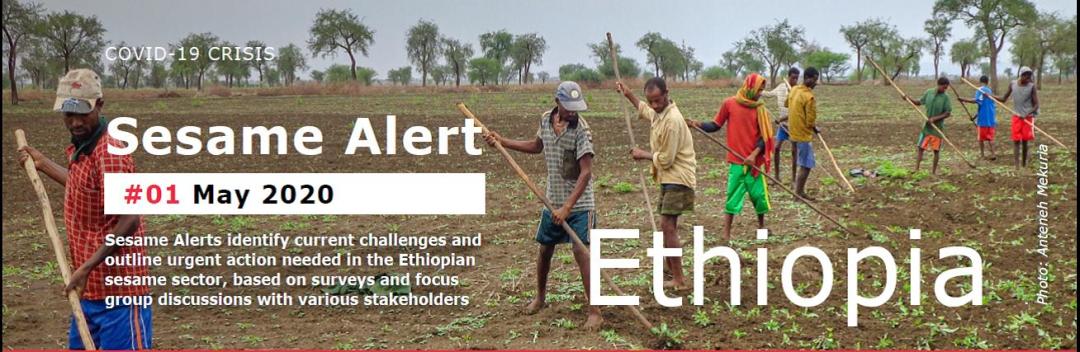
BENEFIT-SBN published its first COVID-19 Sesame Alert
BENEFIT-SBN published its first Sesame Alert that highlights COVID-19 related challenges and urgent actions needed in the Ethiopian sesame sector. The brief outlines the major alters, their impacts, actions required, stakeholders involved, and a responsible body to take the initiatives.
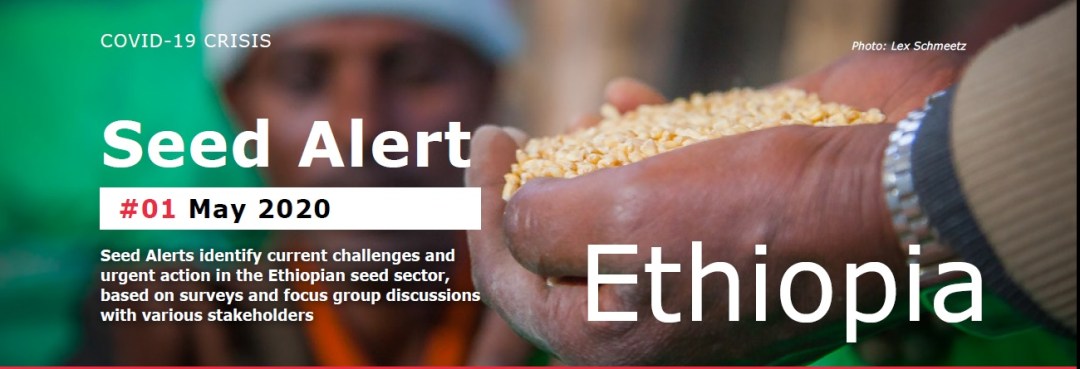
New effort to better understand and mitigate the effect of COVID-19 on the seed sector: A collaborative effort between ISSD Ethiopia and WCDI
In response to COVID-19 pandemic and its impact on food security, BENEFIT-ISSD Ethiopia Program’s recent effort focuses on better understanding how the pandemic affects the seed sector and supports the development of urgent coping strategies that would enhance resilience and support continuity of activities of the seed sector.
 raise-fs.org