
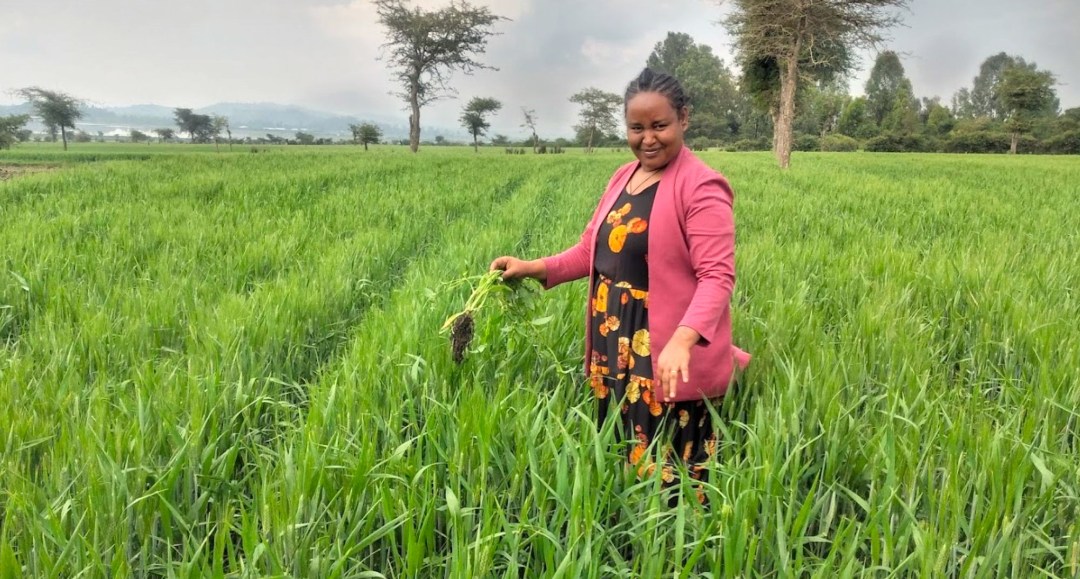
On this International Women’s Day, celebrated under the theme "GiveToGain," we take pride in highlighting the inspiring journey of Truayinet Mekuriaw, a dedicated agricultural researcher and advocate for gender equality. Truayinet Mekuriaw holds a B.Sc. in Rural Development and Agricultural Extension from Haramaya University and an M.Sc. in Rural Development from Hawassa University. Her professional … Continue reading Celebrating Truayinet Mekuriaw: An exemplary woman in agricultural research
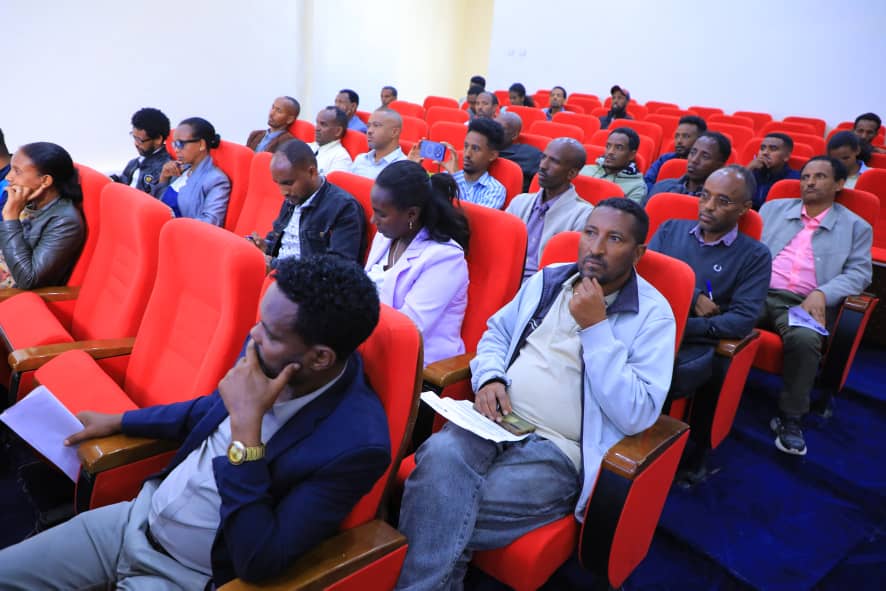
From research to regulation: Strengthening pesticide governance in Tigray Region
Effective pesticide management is essential for ensuring sustainable agricultural practices and safeguarding public health. In the Tigray region of Ethiopia, the urgent need for improved pesticide governance has come to light through a study conducted by Sticthing Wageningen Research Ethiopia RAISE-FS project in collaboration with Mekelle University. This research, focusing on pesticide life cycle management, … Continue reading From research to regulation: Strengthening pesticide governance in Tigray Region
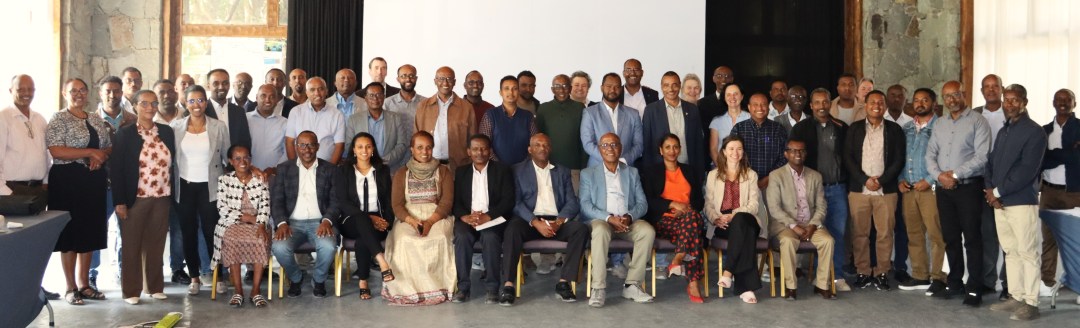
Catalysing food system transformation in Ethiopia: Insights from the RAISE-FS expert workshop
An expert workshop entitled “Expert Workshop on Food System Transformation for Ethiopia – experiences from RAISE-FS” was organized on February 5th, 2026. The main aim of the Expert workshop was to create a space for key high-level Experts from relevant public organizations (MoA, MoTRI, MoPD), Knowledge Institutes (HLIs and ARIs), private actors, and development partners … Continue reading Catalysing food system transformation in Ethiopia: Insights from the RAISE-FS expert workshop
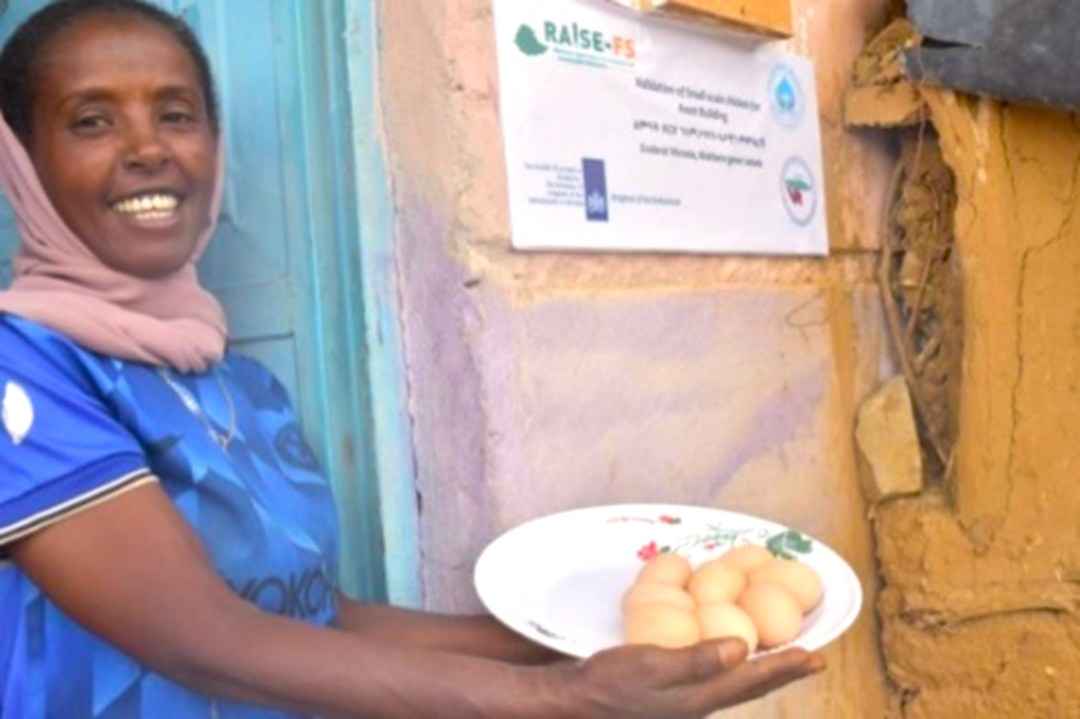
Transforming vulnerability into resilience: The role of poultry production in Atsbi and Enderta woredas
In the face of adversity, finding sustainable solutions to improve livelihoods and empower marginalized communities is a challenge worth due attention. In the Tigray region of northern Ethiopia, where crises like armed conflict, recurrent drought, and locust invasions have devastated food systems and livelihoods, poultry production has emerged as an opportunity to empower rural livelihoods. … Continue reading Transforming vulnerability into resilience: The role of poultry production in Atsbi and Enderta woredas

Consultative workshop on leafy vegetables and root crops production and food recipe manual
The SWR Ethiopia RAISE-FS project, in collaboration with the Ethiopian Institute of Agricultural Research (EIAR) and the Melkassa Agricultural Research Centre, successfully organized a consultative workshop at Adama city, on December 4, 2025. The workshop focused on reviewing and refining a production and food recipe manual tailored for selected leafy vegetables and root crops. This … Continue reading Consultative workshop on leafy vegetables and root crops production and food recipe manual
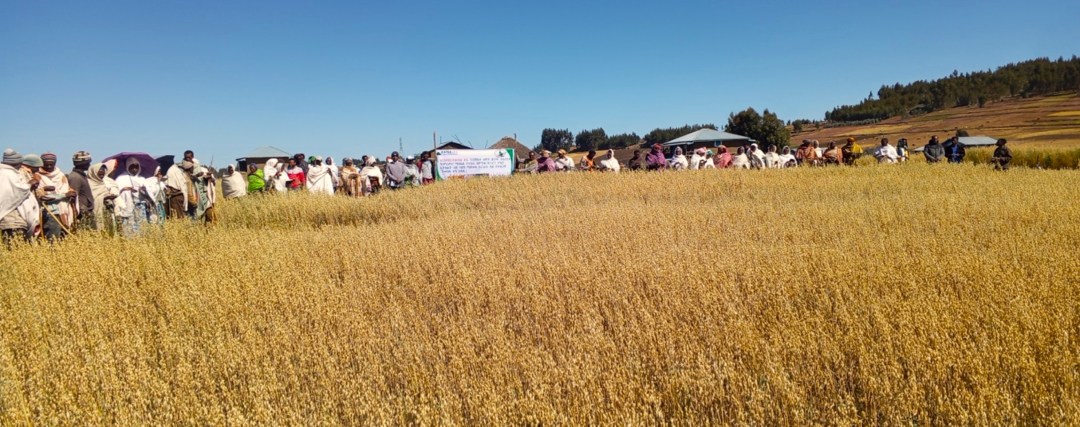
Sirinka ARC showcases agricultural innovations in Angot woreda, North Wollo Zone
Sirinka Agricultural Research Center (SARC), in partnership with SWR Ethiopia’s RAISE-FS project, organised a field day in Angot woreda to showcase successful agricultural innovations aimed at transforming the food and farming systems in the drought-prone highlands of North Wollo zone, such as Angot and Gazo woredas. Over 85 participants attended the event, including 60 farmers … Continue reading Sirinka ARC showcases agricultural innovations in Angot woreda, North Wollo Zone
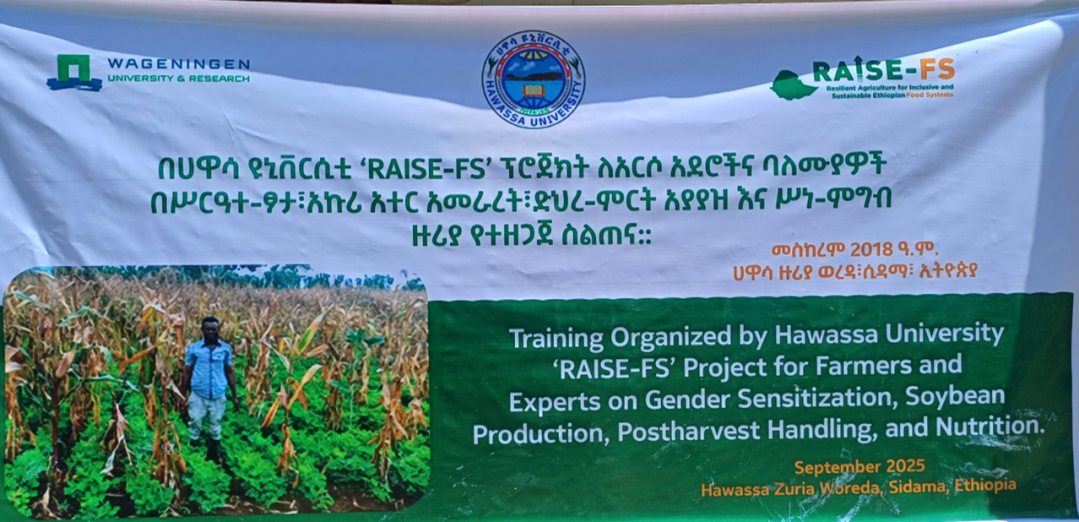
Scaling soya bean in Southern Ethiopia: Bridging knowledge gaps with gender focused training on soybean agronomy and nutrition
Southern Ethiopia’s Sidama region is fast becoming a hub for soybean production and marketing, offering immense potential for economic growth and improved livelihoods. In line with this promising development, the SWR Ethiopia RAISE-FS project, in partnership with Hawassa University, has been spearheading efforts to scale up soybean innovations over the past four years. A key … Continue reading Scaling soya bean in Southern Ethiopia: Bridging knowledge gaps with gender focused training on soybean agronomy and nutrition

The maize-common bean inter-cropping technique helping farmers get additional benefits in Silti woreda
Efficient agricultural planning and informed decision making are key elements for sustainability and resilience of agricultural production. To support this process Innovation Recommendation Mapping (IRM) was developed by Wageningen University & Research and experts from Ethiopia. IRM allows users to generate maps that show in which locations ‘best fit innovations’ can be scaled and what … Continue reading The maize-common bean inter-cropping technique helping farmers get additional benefits in Silti woreda
Unlocking the potential of soybean in Southern Ethiopia: Key take aways from soybean innovation platform
South Ethiopia is emerging as a region with immense potential for soybean production and marketing. Recognizing this opportunity, SWR Ethiopia, in partnership with Hawassa University, has been actively working to validate soybean innovations and foster collaboration among stakeholders in the soybean value chain. In a significant step towards this goal, a soybean innovation platform workshop … Continue reading Unlocking the potential of soybean in Southern Ethiopia: Key take aways from soybean innovation platform
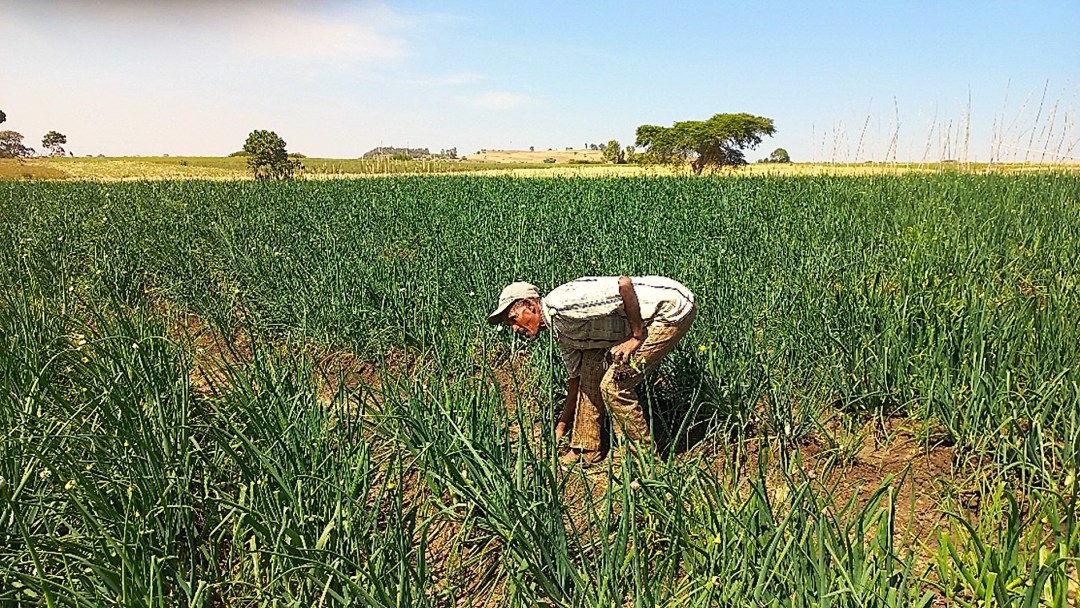
Onion seed production initiative is showing promising results in Sire woreda
A collaborative effort between the Melkassa Agricultural Research Centre (MARC), the RAISE-FS Project, and local stakeholders is transforming agricultural practices in Sire woreda, with a focus on onion seed production. A recent field visit to the farm of Mr. Fetene Haylu Abate in Gassala Shashe kebele revealed the significant impact of this initiative on local … Continue reading Onion seed production initiative is showing promising results in Sire woreda
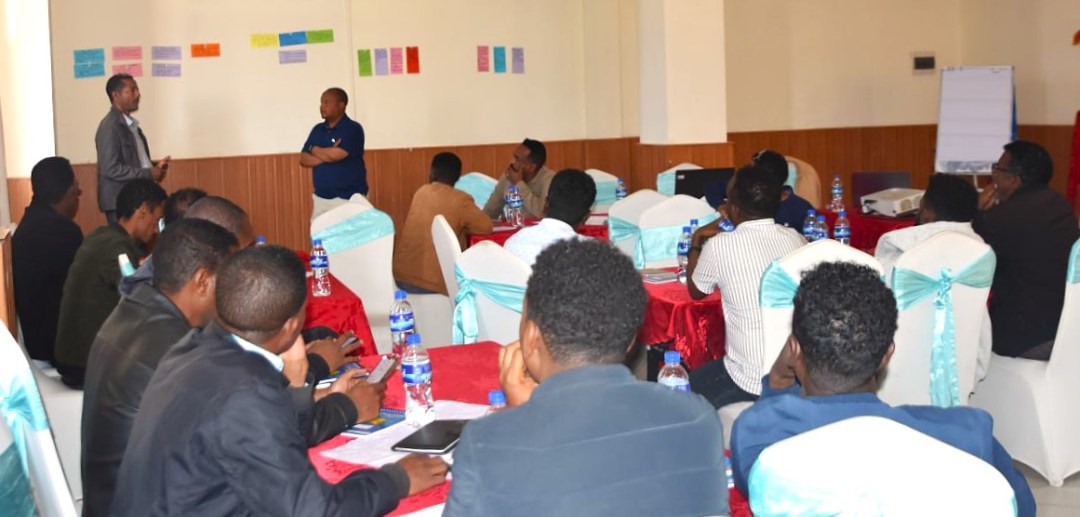
Institutionalising the Scaling Readiness Approach in RAISE-FS Intervention areas
The national research system in Ethiopia has made significant strides in developing various technologies; however, many of these innovations have struggled to reach end users and deliver the desired impact. Experts attribute this challenge to the current scaling approaches employed by research institutions and the extension systems, which often focus on isolated components of innovation. … Continue reading Institutionalising the Scaling Readiness Approach in RAISE-FS Intervention areas
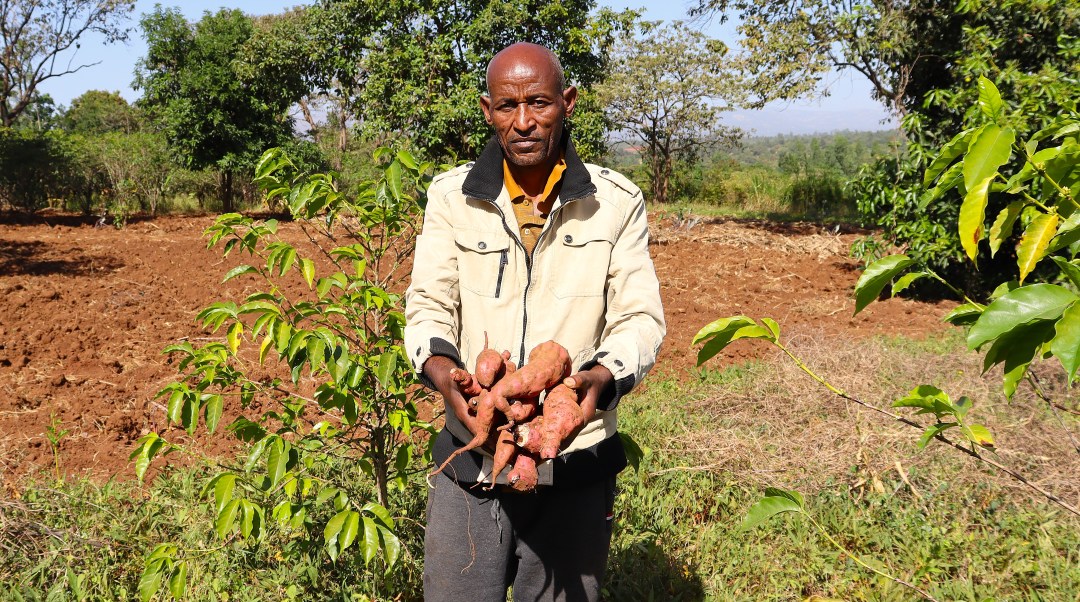
Faba Bean and Orange Fleshed Sweet Potato innovation packages visit at Boloso Bombe woreda
Areka Agricultural Research Centre, in collaboration with the SWR Ethiopia RAISE-FS project, organized a field visit to showcase the promising results of faba bean and Orange Fleshed Sweet Potato innovation packages. The event was held at Zaba and Fara Ocha kebeles in Boloso Bombe woreda and brought together farmers, agricultural experts, and researchers to share … Continue reading Faba Bean and Orange Fleshed Sweet Potato innovation packages visit at Boloso Bombe woreda
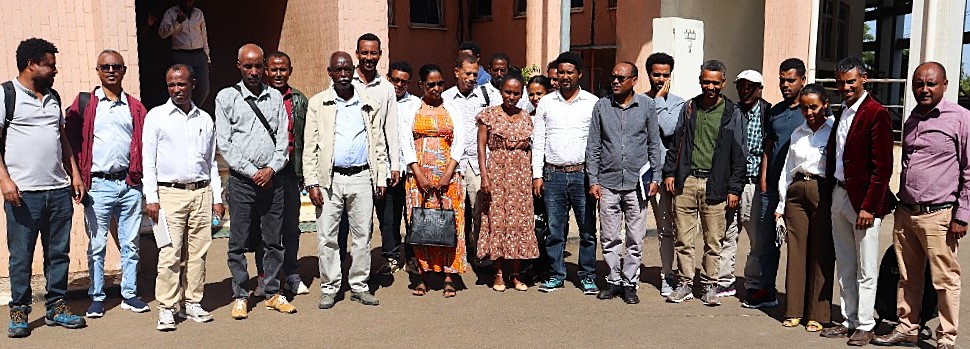
A meeting held to establish a regional food safety technical working group platform
In an effort to improve food safety issues in the region, Bahir Dar University (BDU), in partnership with the Bahir Dar Branch of the Ethiopian Food and Drug Authority (EFDA) and RAISE-FS project of SWR Ethiopia, organized a one-day meeting to establish a regional food safety technical working group platform. This initiative aims to enhance … Continue reading A meeting held to establish a regional food safety technical working group platform
Efforts to tackle improved faba bean seed shortages in Wolmera woreda
Farmers in Wolmera woreda have long been grappling with challenges in accessing quality faba bean seeds, a critical issue that has significantly impacted their productivity and food security in the area. Faba beans, a staple crop in the area, play a vital role in both local diets and as a source of income for farming … Continue reading Efforts to tackle improved faba bean seed shortages in Wolmera woreda
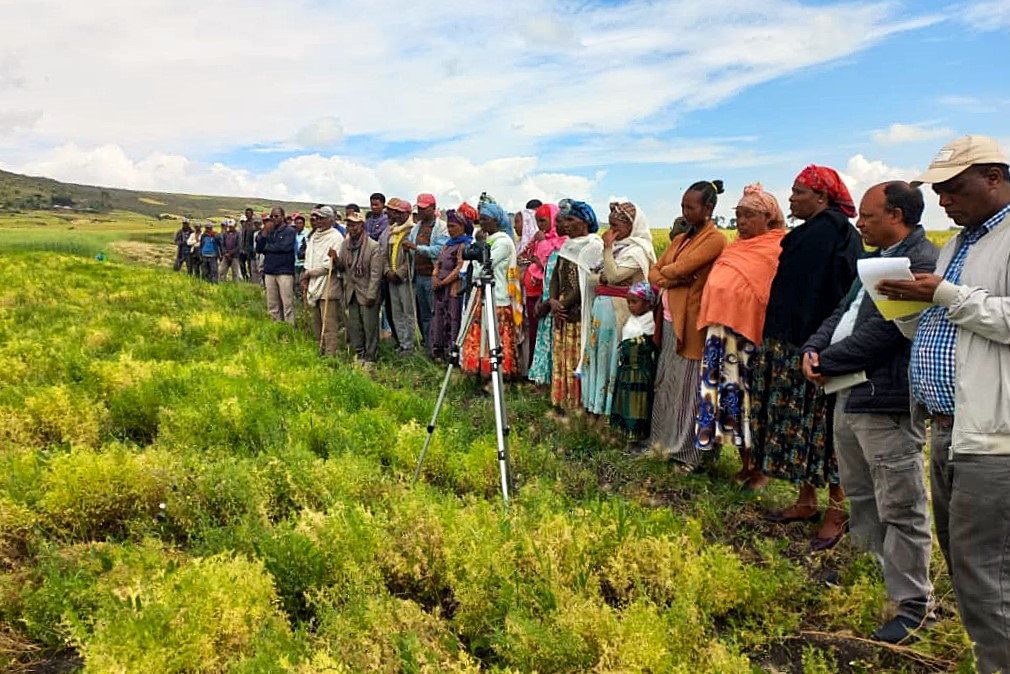
Revitalizing lentil production in Ada’a and Gimbichu woredas: Promising results and new momentum
In a concerted effort to revitalize lentil production in Ethiopia's Ada’a and Gimbichu woredas, recent field days at Keteba kebele and Habru Seftu kebele have underscored significant progress and generated renewed interest among local farmers. The initiative was designed to reestablish lentils as a viable and profitable crop, following a period of disruption in its … Continue reading Revitalizing lentil production in Ada’a and Gimbichu woredas: Promising results and new momentum
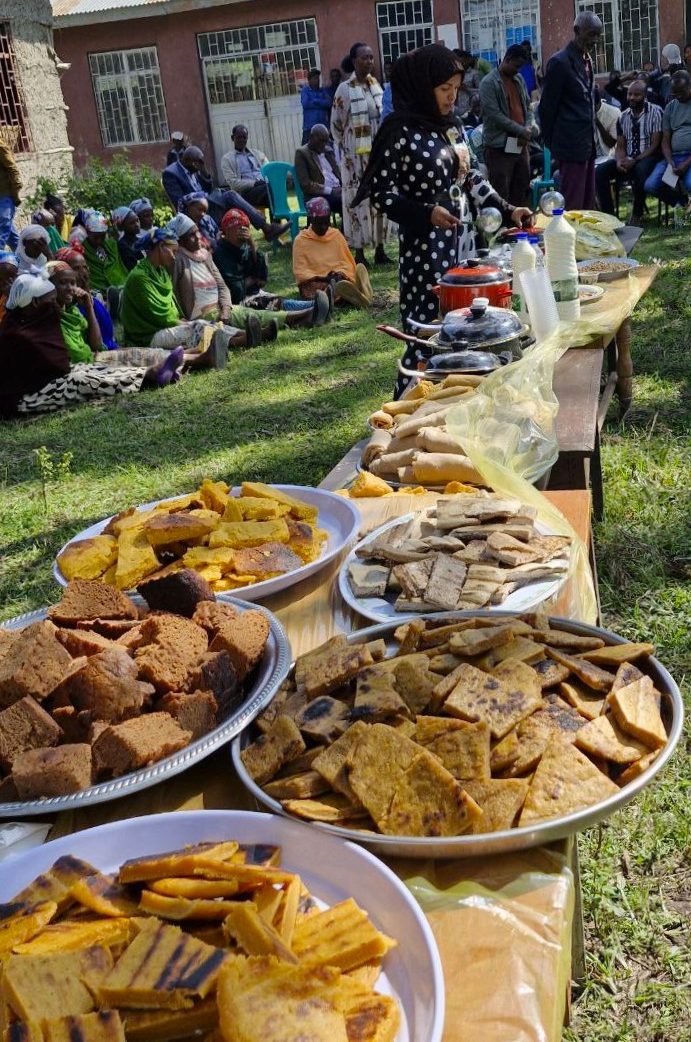
Exploring progress and collaboration in implementing EFBDGs pilot: A collaborative effort for a healthier nation
In a collaborative effort to promote a healthier nation, the Ministry of Agriculture, in partnership with the Ethiopian Public Health Institute (EPHI), FAO, and the Ministry of Education, recently organized a workshop and field visit to evaluate the progress of the Ethiopian Food Based Dietary Guidelines (EFBDGs) implementation pilot program in selected woreda of the … Continue reading Exploring progress and collaboration in implementing EFBDGs pilot: A collaborative effort for a healthier nation
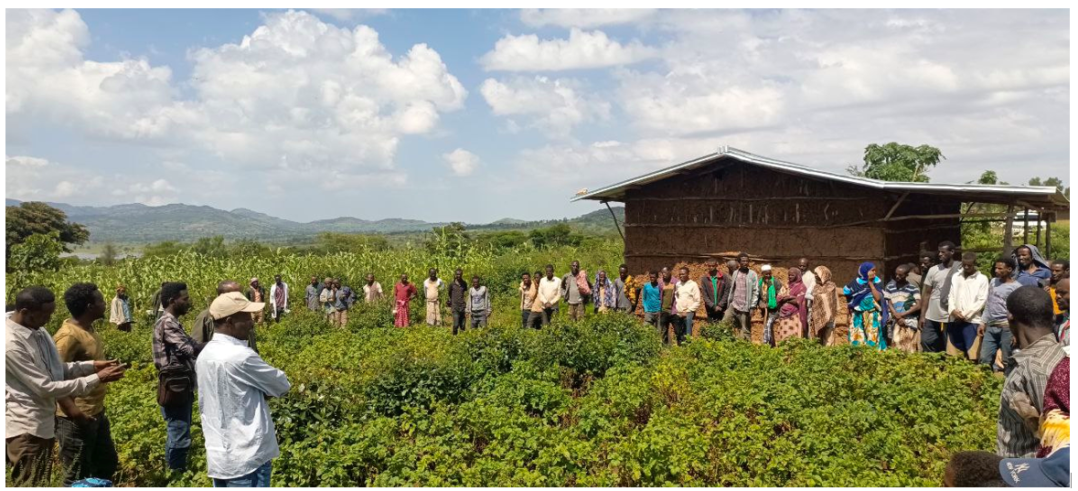
From Pot to Field: Potato innovation bundles showcase at Kersa woreda of East Hararghe Zone
The collaborative efforts between RAISE-FS and Haramaya University have yielded significant progress in the validation, demonstration, and scaling of potato innovation bundles in Kersa woreda of East Hararghe Zone. These innovation bundles, which encompass Integrated Soil Fertility Management (ISFM), Gudane potato variety with full agronomic packages, quality mini-tuber seed production, warehouse, and Diffuse Light Storage … Continue reading From Pot to Field: Potato innovation bundles showcase at Kersa woreda of East Hararghe Zone
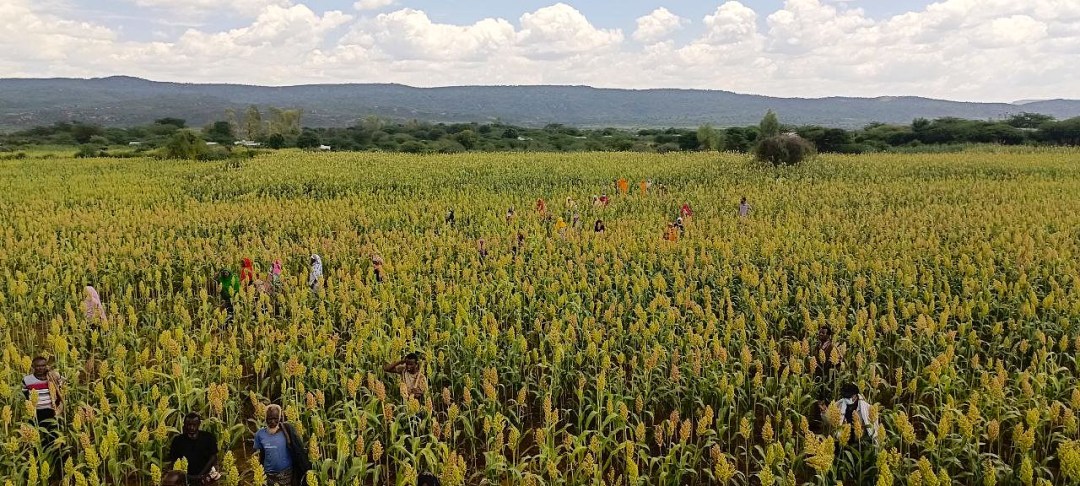
Intercropping sorghum with common beans: An alternative solution for smallholder farmers
In a recent collaboration between Haramaya University, the RAISE-FS project, and the Babile woreda Agricultural Office, a successful field day was organized in Babile woreda to showcase the benefits of intercropping sorghum with common beans using Integrated Soil Fertility Management (ISFM) practices. In contrast to the conventional sorghum monoculture commonly practiced in Babile woreda through … Continue reading Intercropping sorghum with common beans: An alternative solution for smallholder farmers

Promoting Orphan Crops: Introducing Amaranthus for food and nutrition security in Sire woreda
Orphan crops, also known as neglected or underutilized crops, have historically been overshadowed by staple crops like wheat, rice, and maize. However, these lesser-known crops offer significant potential for improving agricultural resilience, nutrition, and promoting crop diversification. Amaranths, commonly known as amaranth, is a standout among these orphan crops due to its versatility and resilience. … Continue reading Promoting Orphan Crops: Introducing Amaranthus for food and nutrition security in Sire woreda
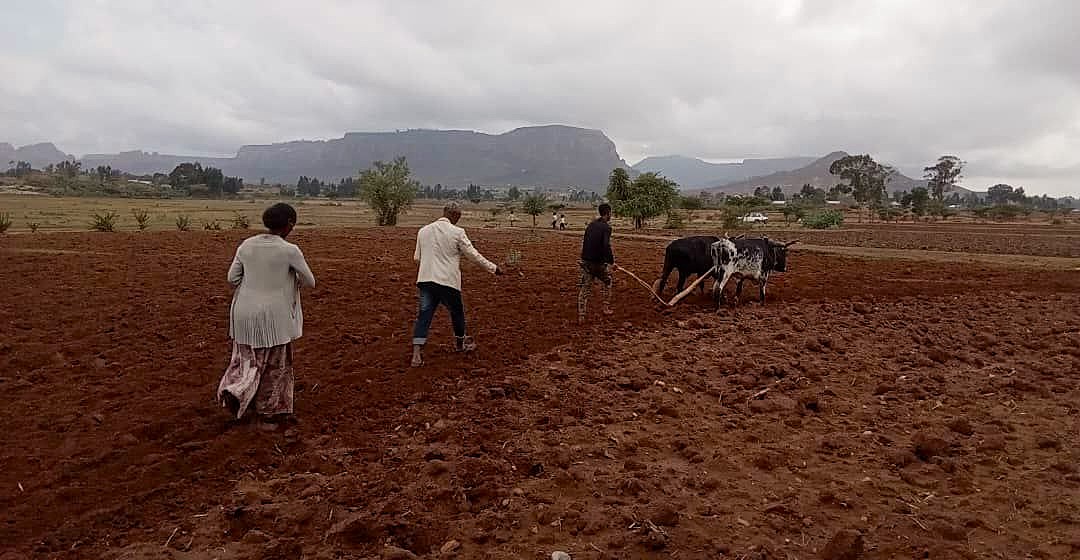
Revolving Seed Schemes: A promising path to a resilient seed sector in Tigray
Following the conflict and the drought, Tigray’s farming communities have had a difficult time continuing their livelihoods in agriculture. These hardships have caused agricultural and livestock farming to drastically decline, putting the region on the verge of famine. A revolving seed scheme has been implemented in recognition of the urgent need of these communities, providing … Continue reading Revolving Seed Schemes: A promising path to a resilient seed sector in Tigray
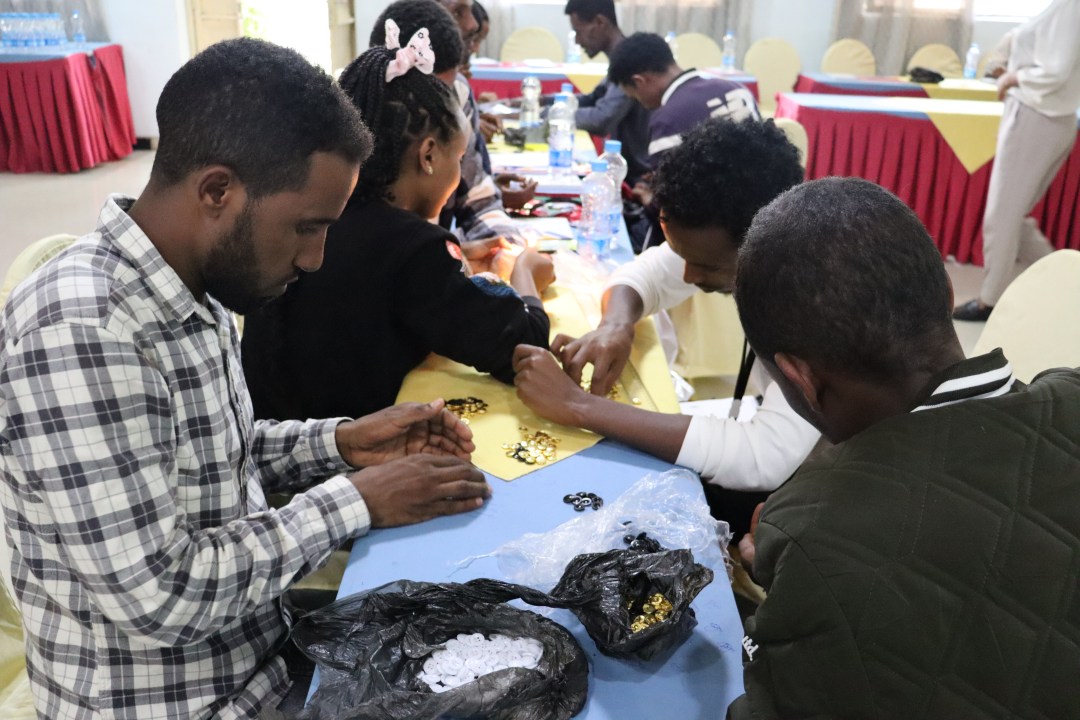
Youth Challenge Fund: Training on entrepreneurship and business plan development
In an effort towards promoting youth entrepreneurship in agriculture and transforming the country’s food system, Resilient Agriculture for Inclusive and Sustainable Ethiopian Food Systems (RAISE-FS) Programme in collaboration with Shayashone (SYS) and Bahir Dar University (BDU) successfully ran a five-day intensive training programme focused on entrepreneurship, design thinking, business plan development and pitching. Twenty-three final-year … Continue reading Youth Challenge Fund: Training on entrepreneurship and business plan development
Ethiopia’s poultry sector making steps in biosecurity measures
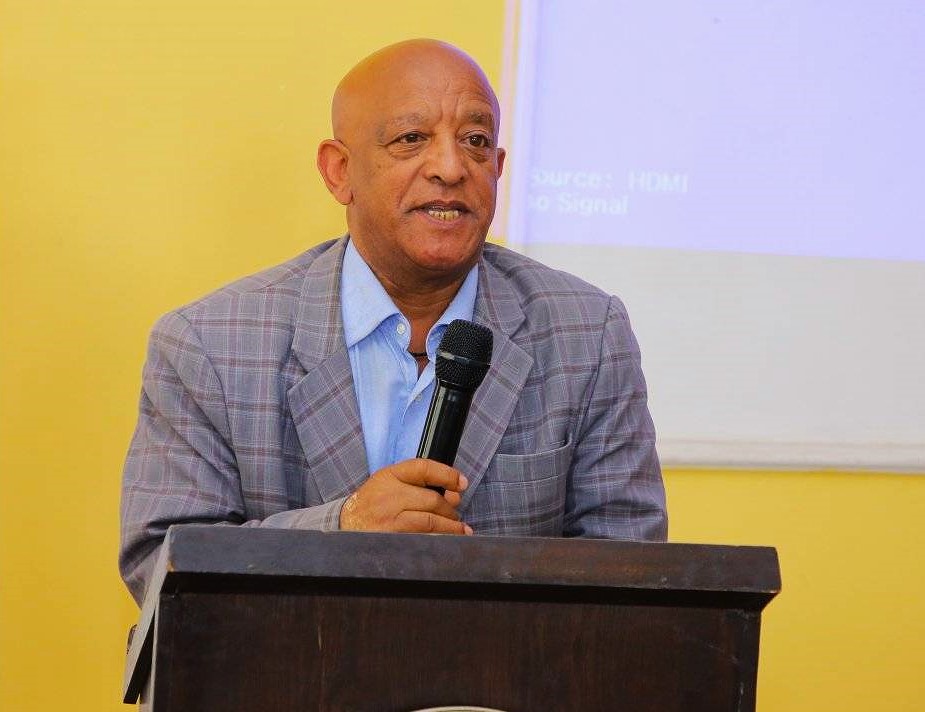
Poultry production in Ethiopia is a crucial aspect of the country’s agriculture, with significant potential to contribute to poverty alleviation, nutrition, and food security. The government, particularly the Ministry of Agriculture, has been actively working to address challenges in the sector through collaboration with partner organizations like RAISE-FS. However, issues such as disease management, lack … Continue reading Ethiopia’s poultry sector making steps in biosecurity measures
Announcement for consulting services
The RAISE-FS project is a four-year initiative aimed at transforming Ethiopia's food system by championing demand-driven and interdisciplinary research. The project envisions a future where Ethiopia's food system is resilient to environmental and economic shocks and inclusive of all stakeholders, particularly women, youth, smallholder farmers, and marginalized groups. It focuses on empowering rural communities to … Continue reading Announcement for consulting services
Revitalizing Tigray’s Seed System: A step towards transforming the food system
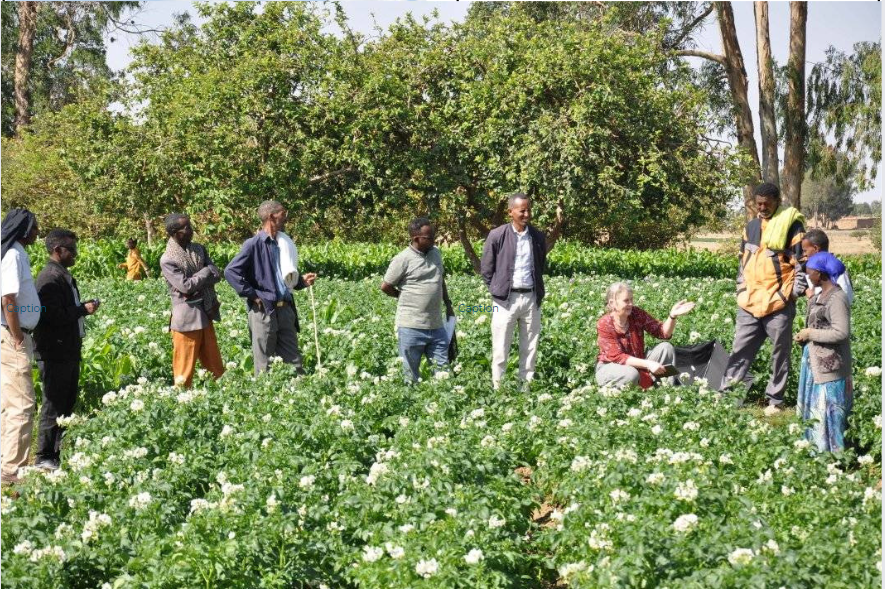
The agricultural sector in Tigray, Ethiopia, has long been the backbone of the region's economy, with a focus on crop production and cattle fattening. However, recent years have brought unprecedented challenges, including the COVID-19 pandemic, desert locust infestations, and the outbreak of conflict in November 2020. The cumulative effect of these adversities has created a … Continue reading Revitalizing Tigray’s Seed System: A step towards transforming the food system

Addressing Mycotoxin Contamination in Ethiopian Food System: A Call to Action
Mycotoxin contamination poses a significant and growing challenge to food safety and public health, particularly in the context of export commodities. A recent validation workshop organized by RAISE-FS shed light on the assessment of Mycotoxin prevalence in selected commodities under farmer’s storage conditions in the Amhara region, Ethiopia, revealing concerning findings. The assessment specifically focused … Continue reading Addressing Mycotoxin Contamination in Ethiopian Food System: A Call to Action
Leveraging bottom-up planning and innovation recommendation mapping for evidence-based scaling of innovations
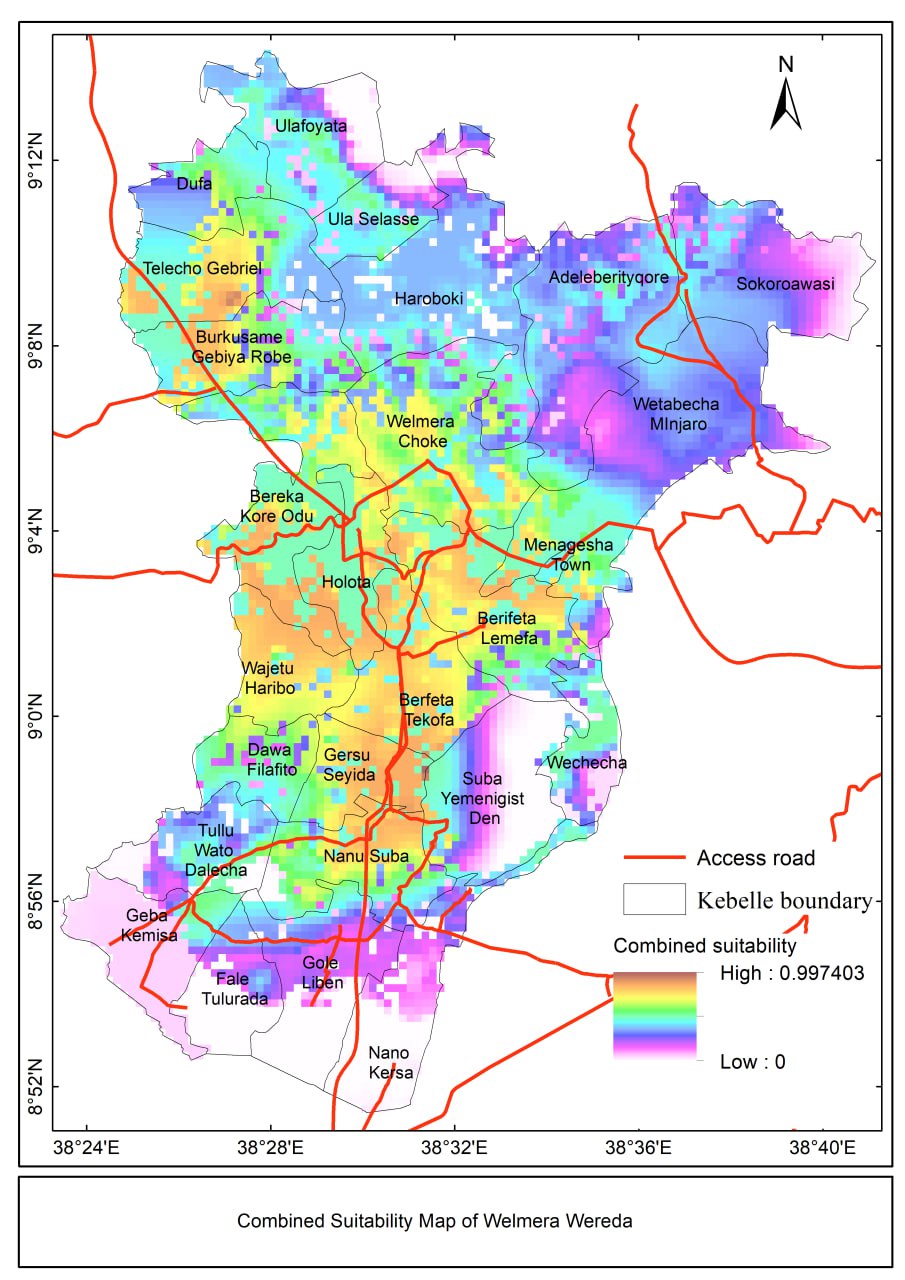
The RAISE-FS project remains steadfast in its commitment to transforming the Ethiopian food system. Through a dedicated focus on employing a demand-driven and interdisciplinary approach, the project aims to catalyse transformation within the food system. This approach is underpinned by the integration of grassroots planning tools, such as the Rapid Food System Appraisal (RFSA) and … Continue reading Leveraging bottom-up planning and innovation recommendation mapping for evidence-based scaling of innovations
Pearl millet-mung bean intercropping: a climate-smart and risk-aversion technique for Ziquala woreda
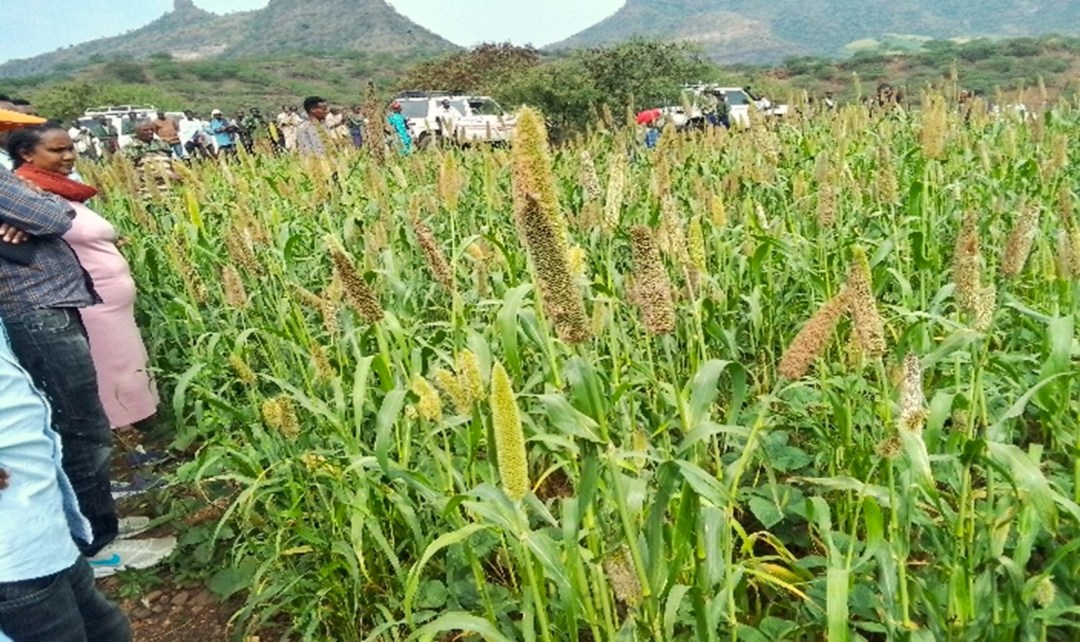
Intercropping has long been a common practice among smallholder farmers in areas with minimal and erratic rainfall, such as Ziquala woreda in Ethiopia. With limited livelihood opportunities and nutrition diversification, farmers in this area have been facing challenges related to recurrent drought and infertile soil. In response to these challenges, the Sekota Dry-Land Agricultural Research … Continue reading Pearl millet-mung bean intercropping: a climate-smart and risk-aversion technique for Ziquala woreda
Farmers witness promising results of maize andcommon bean innovations in Sire Woreda
Ethiopia faces the challenge of increasing agricultural productivity to support its growing population, especially in regions like Sire woreda where small farmers rely on maize and common bean crops. The area grapples with soil degradation, fertility loss, and limited access to agricultural technologies. In response to these challenges, the RAISE-FS project, in partnership with the … Continue reading Farmers witness promising results of maize andcommon bean innovations in Sire Woreda
Woreda Food System Profiles for bottom-up planning and informed decisions
In the pursuit of a more resilient, inclusive, and sustainable food system in Ethiopia, the Resilient Agriculture for Inclusive and Sustainable Ethiopian Food System (RAISE-FS) project has undertaken the development of nine woreda food system profiles. These profiles serve as comprehensive overviews of the current status, dynamics, and behaviours of the local food systems within … Continue reading Woreda Food System Profiles for bottom-up planning and informed decisions
 raise-fs.org