
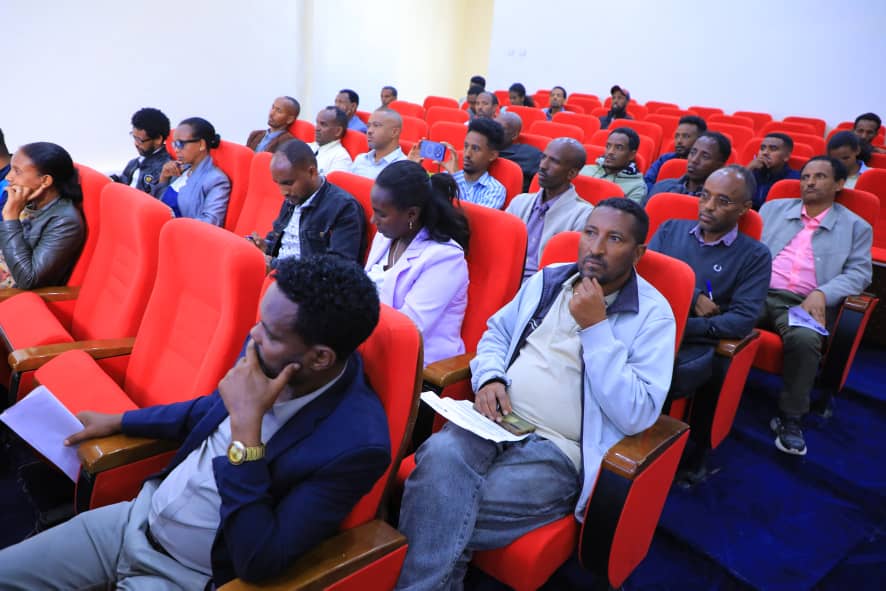
Effective pesticide management is essential for ensuring sustainable agricultural practices and safeguarding public health. In the Tigray region of Ethiopia, the urgent need for improved pesticide governance has come to light through a study conducted by Sticthing Wageningen Research Ethiopia RAISE-FS project in collaboration with Mekelle University. This research, focusing on pesticide life cycle management, … Continue reading From research to regulation: Strengthening pesticide governance in Tigray Region

Training on basic nutrition and hands-on food oat recipe preparation for farmers
In a significant step towards enhancing nutrition and dietary diversity in rural Ethiopia, the SWR Ethiopia RAISE-FS Project, in collaboration with the Sirinka Agricultural Research Center (SARC), organised an engaging hands-on training session on basic nutrition and food oat recipe preparation. The training aimed to raise farmers awareness on nutrition and practical ways to incorporate … Continue reading Training on basic nutrition and hands-on food oat recipe preparation for farmers
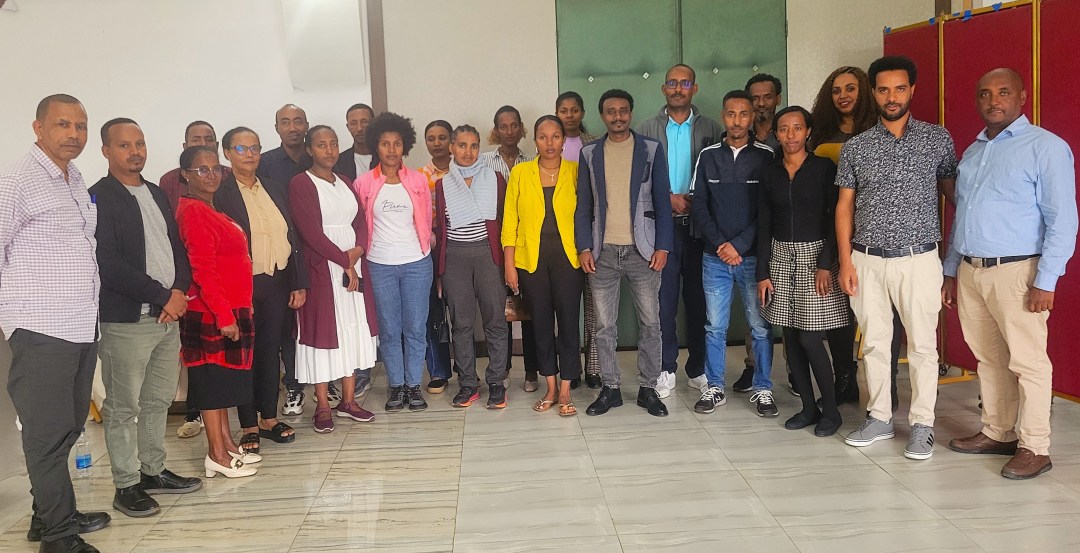
Empowering media voices: Training journalists to drive change in food safety and nutrition
To raise public awareness on food safety and nutrition, SWR Ethiopia’s RAISE-FS project, in partnership with Bahir Dar University, recently held a three-day training programme for 15 media professionals from different media in the Amhara region. The programme aimed to equip journalists with the information, knowledge and resources needed to promote safer food systems and … Continue reading Empowering media voices: Training journalists to drive change in food safety and nutrition
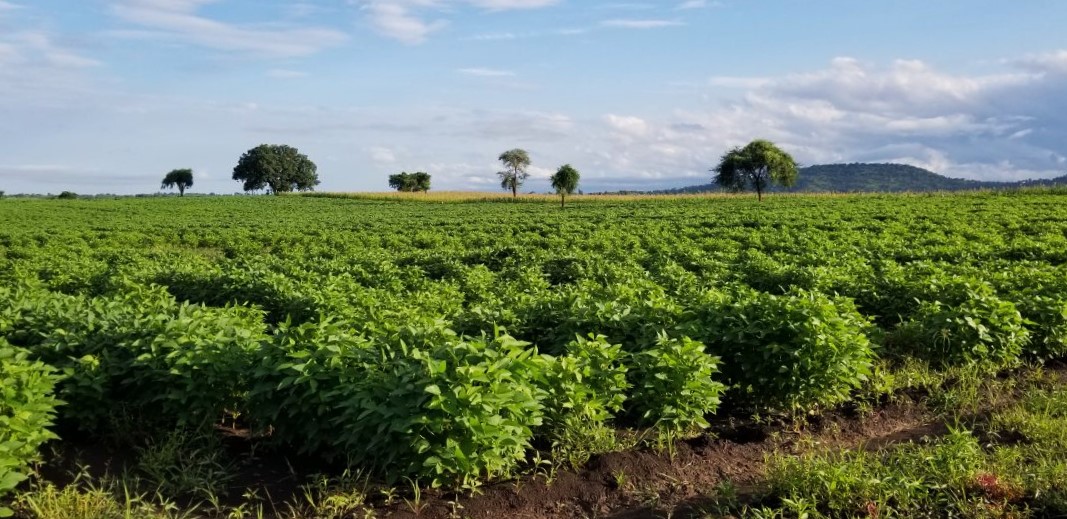
Promoting soya bean consumption in Mirab Armachiho woreda
As part of the SWR-Ethiopia RAISE-FS project initiative, Bahir Dar University (BDU) and Gondar Agricultural Research Centre (GARC) jointly organized a week-long Social and Behavioural Change Communication (SBCC) training in Mirab Armachiho woreda from July 20–25, 2025. The initiative aimed to promote soybean consumption as a means to improve nutritional outcomes and food security in … Continue reading Promoting soya bean consumption in Mirab Armachiho woreda
Driving change for healthy diets and sustainable livelihoods
The RAISEFS project is making strides in promoting healthier diets and sustainable livelihoods across Central Ethiopia, Oromia, and Tigray regions. By implementing the Ethiopian Food-Based Dietary Guidelines (FBDGs) one key message at a time, this initiative is creating a ripple effect of positive change. The six key messages—dietary diversity, legume consumption, fruits and vegetables, animal-source … Continue reading Driving change for healthy diets and sustainable livelihoods
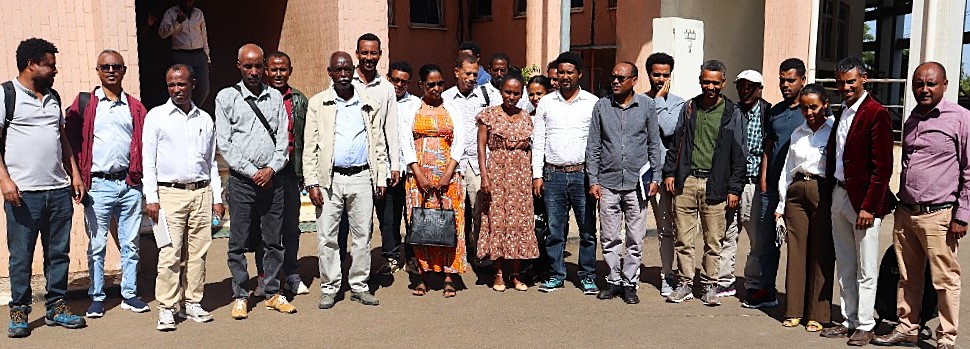
A meeting held to establish a regional food safety technical working group platform
In an effort to improve food safety issues in the region, Bahir Dar University (BDU), in partnership with the Bahir Dar Branch of the Ethiopian Food and Drug Authority (EFDA) and RAISE-FS project of SWR Ethiopia, organized a one-day meeting to establish a regional food safety technical working group platform. This initiative aims to enhance … Continue reading A meeting held to establish a regional food safety technical working group platform
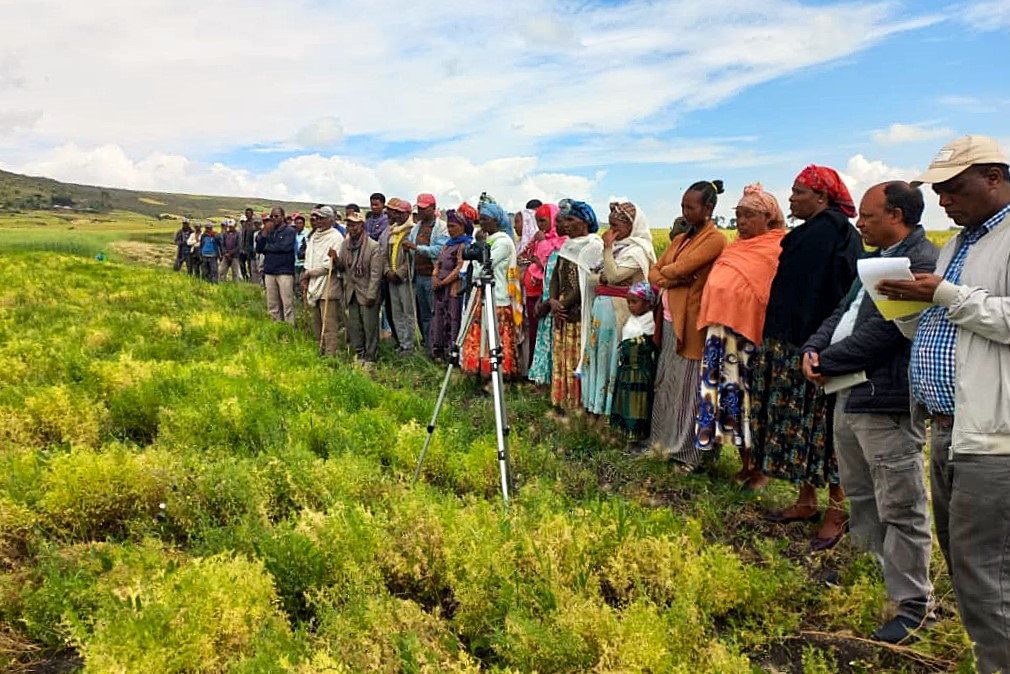
Revitalizing lentil production in Ada’a and Gimbichu woredas: Promising results and new momentum
In a concerted effort to revitalize lentil production in Ethiopia's Ada’a and Gimbichu woredas, recent field days at Keteba kebele and Habru Seftu kebele have underscored significant progress and generated renewed interest among local farmers. The initiative was designed to reestablish lentils as a viable and profitable crop, following a period of disruption in its … Continue reading Revitalizing lentil production in Ada’a and Gimbichu woredas: Promising results and new momentum

Promoting Orphan Crops: Introducing Amaranthus for food and nutrition security in Sire woreda
Orphan crops, also known as neglected or underutilized crops, have historically been overshadowed by staple crops like wheat, rice, and maize. However, these lesser-known crops offer significant potential for improving agricultural resilience, nutrition, and promoting crop diversification. Amaranths, commonly known as amaranth, is a standout among these orphan crops due to its versatility and resilience. … Continue reading Promoting Orphan Crops: Introducing Amaranthus for food and nutrition security in Sire woreda
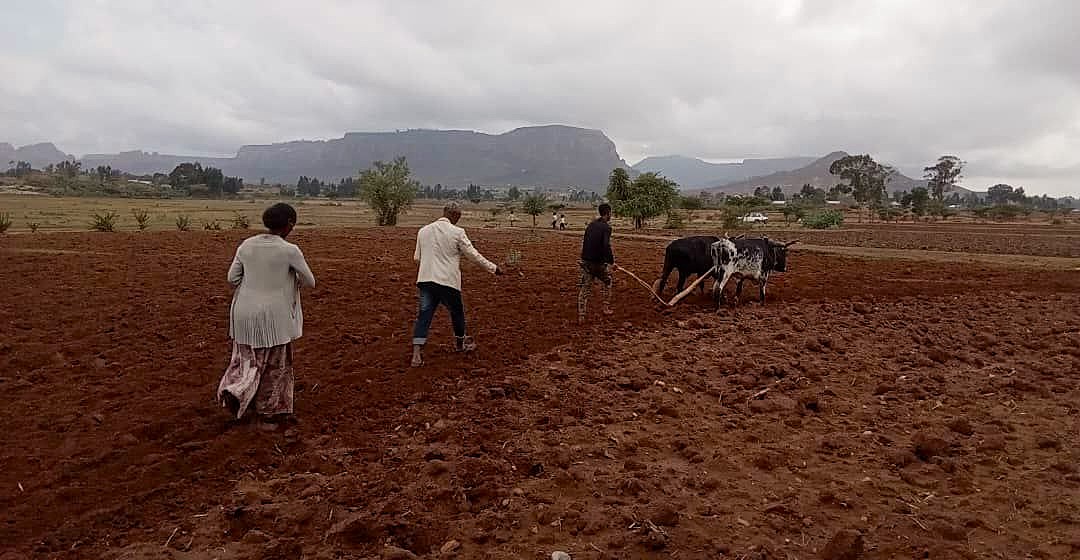
Revolving Seed Schemes: A promising path to a resilient seed sector in Tigray
Following the conflict and the drought, Tigray’s farming communities have had a difficult time continuing their livelihoods in agriculture. These hardships have caused agricultural and livestock farming to drastically decline, putting the region on the verge of famine. A revolving seed scheme has been implemented in recognition of the urgent need of these communities, providing … Continue reading Revolving Seed Schemes: A promising path to a resilient seed sector in Tigray

Addressing Mycotoxin Contamination in Ethiopian Food System: A Call to Action
Mycotoxin contamination poses a significant and growing challenge to food safety and public health, particularly in the context of export commodities. A recent validation workshop organized by RAISE-FS shed light on the assessment of Mycotoxin prevalence in selected commodities under farmer’s storage conditions in the Amhara region, Ethiopia, revealing concerning findings. The assessment specifically focused … Continue reading Addressing Mycotoxin Contamination in Ethiopian Food System: A Call to Action
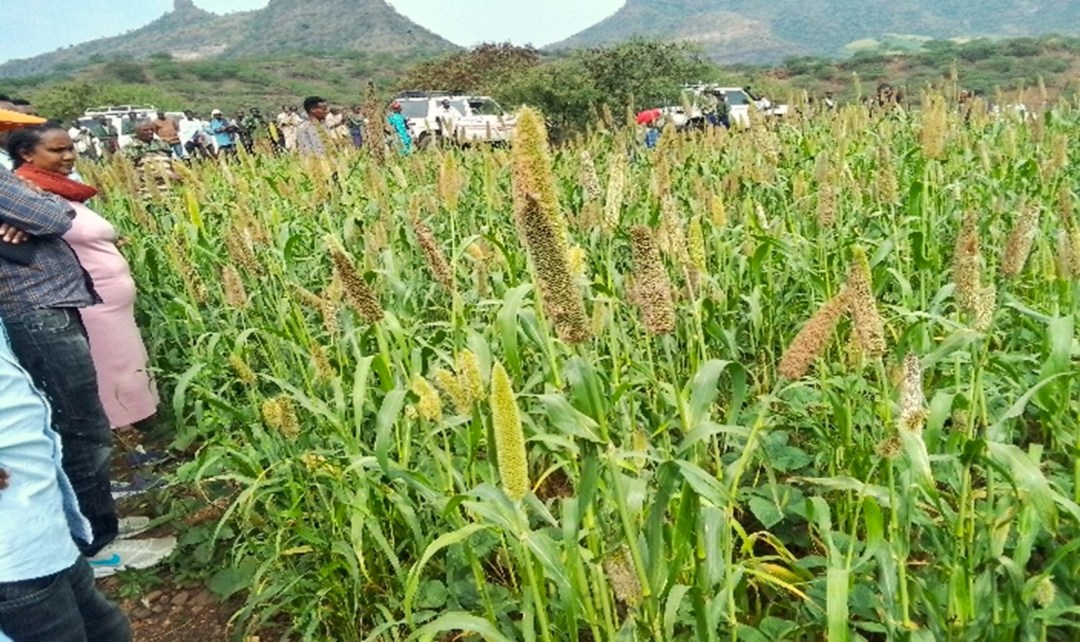
Pearl millet-mung bean intercropping: a climate-smart and risk-aversion technique for Ziquala woreda
Intercropping has long been a common practice among smallholder farmers in areas with minimal and erratic rainfall, such as Ziquala woreda in Ethiopia. With limited livelihood opportunities and nutrition diversification, farmers in this area have been facing challenges related to recurrent drought and infertile soil. In response to these challenges, the Sekota Dry-Land Agricultural Research … Continue reading Pearl millet-mung bean intercropping: a climate-smart and risk-aversion technique for Ziquala woreda
Efforts to transform local food systems through promotion of nutritionally dense crops
The importance of dietary diversity in ensuring food and nutrition security cannot be overstated. In order to address this critical issue, the RAISE-FS project conducted a baseline survey and rapid food system appraisal (RFSA) in the selected kebeles of Boloso Bombe and Gumer woredas. The results of the survey revealed that the primary food sources … Continue reading Efforts to transform local food systems through promotion of nutritionally dense crops
 raise-fs.org