
A two-day training is helping researchers at Gondar Agricultural Research Centre turn valuable findings into information that people can understand and use.
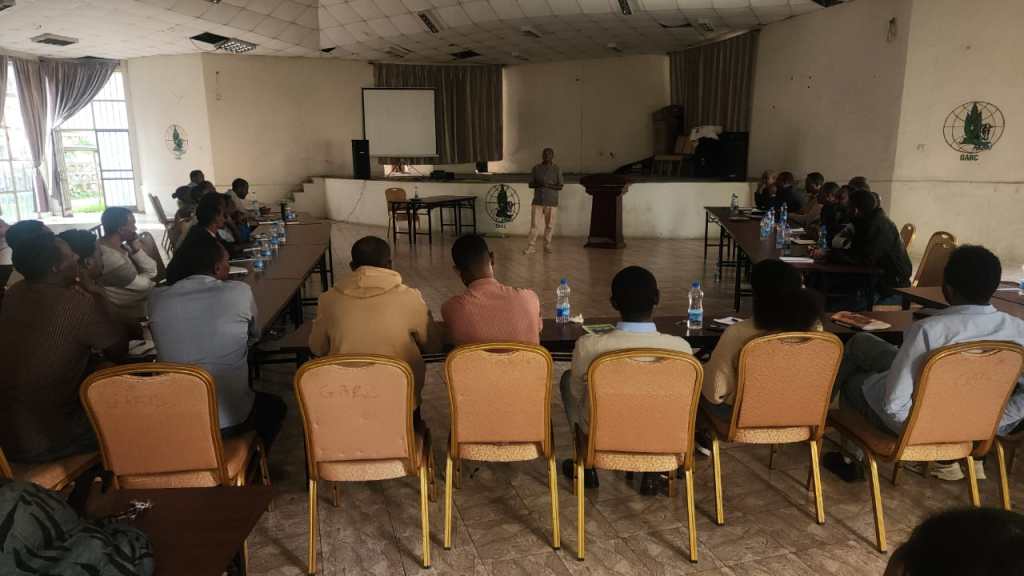
Research only creates impact when its findings reach the people who can apply them. With this in mind, Gondar Agricultural Research Centre (GARC) organised a training on research communication and technical writing on 18–19 August 2026. About 60 researchers from the Centre’s different research directorates took part in the demand-driven training, with technical support from SWR Ethiopia’s RAISE-FS Project.

The training focused on a practical question: how can researchers communicate their work beyond scientific journals and connect with the people who need the information?
Putting audiences first
Participants explored the importance of identifying an audience before choosing a message or communication channel. Farmers, policymakers, extension professionals, development organisations, private-sector actors and other research users may all need the same findings presented in different ways.
The sessions introduced a range of communication products, including policy briefs, technical manuals, factsheets, presentations, field demonstrations, training materials, mass media, social media and digital platforms. The key message was clear: effective communication is not about producing more documents. It is about choosing the right message, format and channel for the people the research is intended to serve.
Clear writing, credible evidence
The training also gave researchers practical opportunities to strengthen their technical and professional writing. Discussions focused on clarity, conciseness, coherence and credibility, as well as the way structure, language and evidence influence whether a document is understood and used.
Participants also considered the ethical responsibilities that come with communicating research. Accuracy, transparency and responsible presentation of evidence are essential to maintaining trust. The training encouraged researchers to think about communication and uptake throughout the research process; not only after results have been generated.
Learning from experience
The sessions were grounded in participants’ own work. Researchers shared examples, discussed challenges they face when preparing reports and other outputs, and exchanged ideas on how to improve their day-to-day communication. This made the training practical and gave participants an opportunity to learn from one another.
Participants were introduced to a step-by-step approach for developing communication products: define the purpose and audience, shape the message, select the right format and channel, and review and refine the final product.
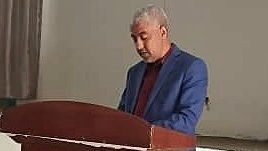
Dr Tewdros Tesfaye, GARC’s director, welcomed the support provided by the project and facilitators. He emphasised that researchers have a responsibility to work professionally and ethically, provide accurate information to users and help translate research findings into tangible results.
The wider effort
Similar communication training was also organised for seed researchers from different research centres through the Amhara Agricultural Research Institute’s (ARARI) Technology Multiplication and Seed Research Directorate. The training recognised that seed researchers work with a wide range of stakeholders and need to communicate technical information clearly.
Dr Aemro Bezabih, Director of Technology Multiplication and Seed Research at ARARI, noted that researchers need strong communication knowledge and skills because they interact with many stakeholders. Participants in both trainings said they had gained practical knowledge they could apply in their upcoming work.
Strengthening the research-to-impact pathway
The GARC training forms part of the RAISE-FS Project’s broader effort to strengthen agricultural communication and improve how research is shared with different audiences. When researchers understand who they are communicating with, choose appropriate channels and present evidence clearly, their findings are more likely to inform decisions, influence practice and support the uptake of technologies and innovations.
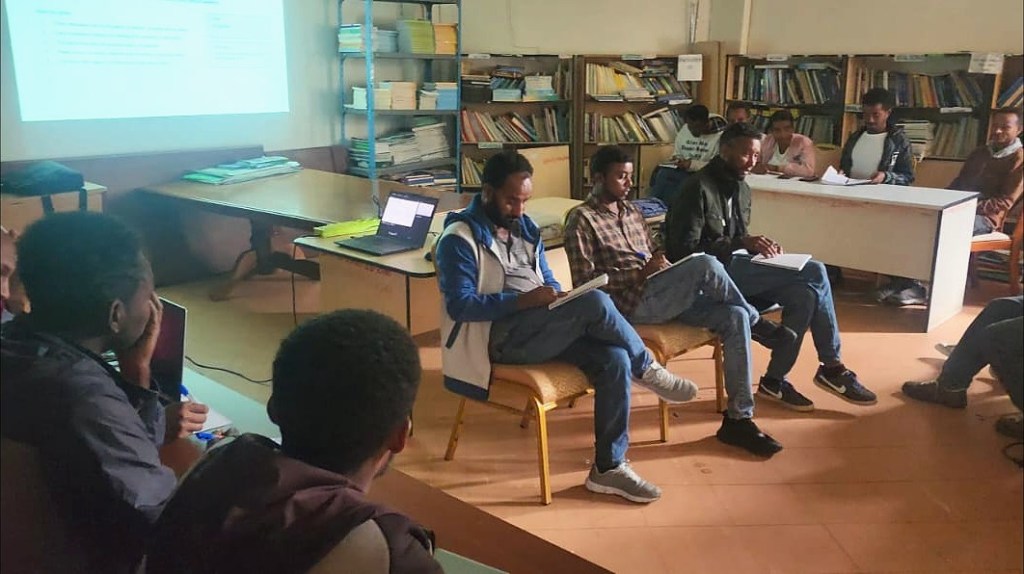
The training reinforced an important point: publication is not the finish line. Research becomes more valuable when people can understand it, access it and act on it. By strengthening researchers’ communication and writing skills, RAISE-FS is helping build a stronger link between the people who generate agricultural knowledge and those who can put it to work.

