
In Ethiopia, the prevalence of mycotoxins in staple crops such as red pepper, sesame, and soybeans is a pressing issue threatening both public health and economic stability. These naturally occurring toxins, produced by fungi, have been found at significant levels in these crops, raising significant concerns over food safety and storage practices. This story delves into the findings of a recent study on mycotoxin contamination and explores the implications for farmers, consumers, and policymakers.
Understanding mycotoxins and their risks
Mycotoxins, particularly aflatoxins and ochratoxins, are toxic compounds that can contaminate food products when post-harvest management is inadequate. These toxins pose severe health risks, including cancer and developmental stunting. Despite their dangers, awareness and assessment of mycotoxins in domestic Ethiopian produce are limited, with most data focusing on export-oriented commodities.
Key findings from the study
The study conducted in the Amhara region of Northwest Ethiopia reveals that contamination levels of aflatoxin and ochratoxin in red pepper, sesame, and soybean significantly exceed permissible limits. The findings highlight a critical gap in farmer awareness, especially among sesame and soybean growers. While some red pepper farmers are informed about mycotoxins, traditional handling practices and inadequate moisture management continue to exacerbate contamination risks.
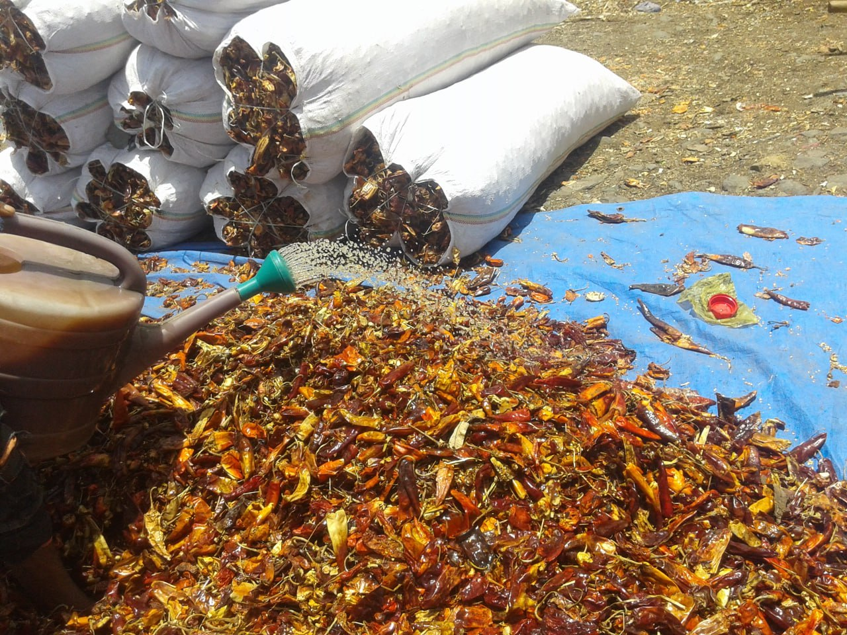
Notably, the practice of adding moisture to red pepper pods post-harvest to prevent splitting or enhance perceived quality is identified as a major contributor to increased mycotoxin risk. Moreover, traditional storage methods and reliance on manual moisture assessment further elevate the potential for fungal growth and contamination.
Recommendations for improved food safety
To address these challenges, the study offers several recommendations aimed at enhancing food safety protocols and reducing mycotoxin risks:
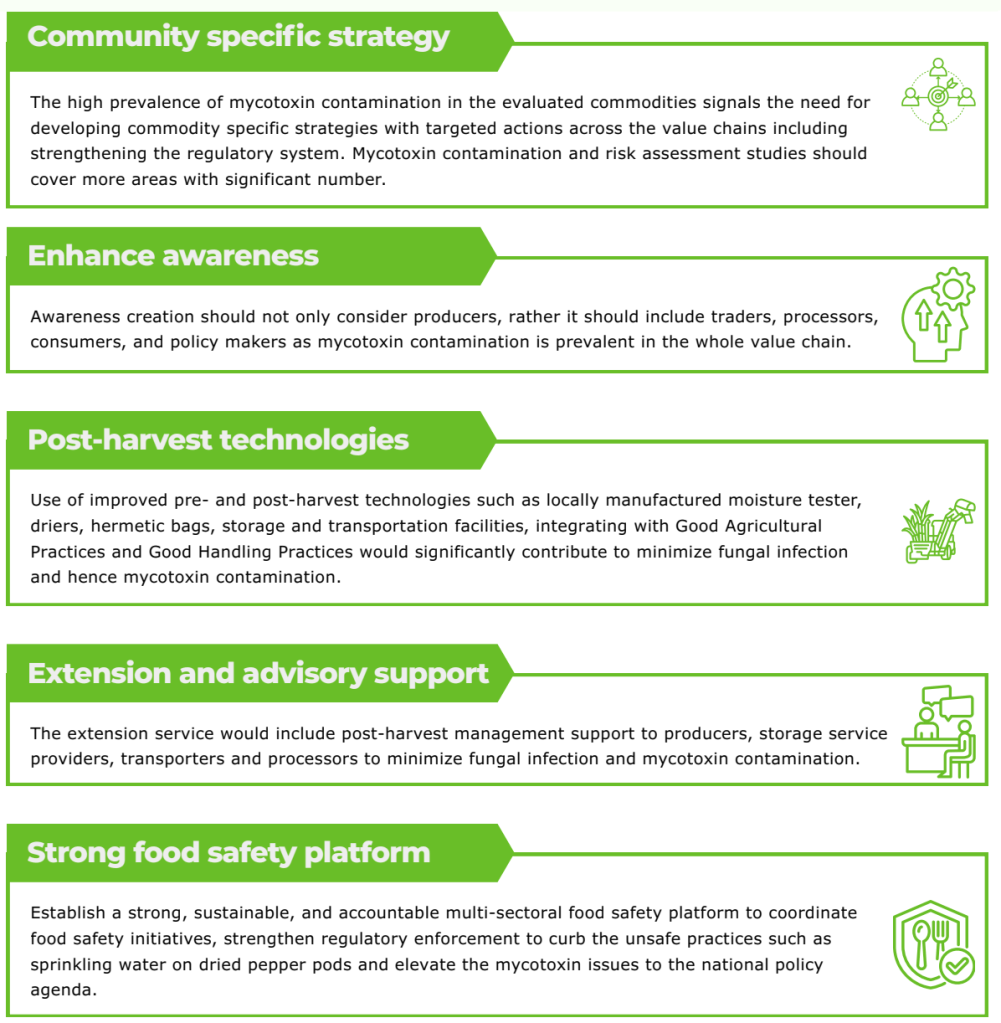
The prevalence of mycotoxins in Ethiopian crops underscores an urgent need for strengthened food safety protocols and innovative solutions. By adopting targeted strategies and fostering greater awareness across the agricultural value chain, Ethiopia can safeguard public health, enhance agricultural productivity, and reduce economic losses associated with contaminated produce. It is imperative that stakeholders work collaboratively to address this critical issue and ensure a safer food supply for all.

