
Small, targeted upgrades to Ethiopia’s cold-storage facilities could protect more fresh produce, reduce waste and strengthen agricultural value chains, according to findings from a recent technical mission in Addis Ababa.
Ethiopia’s agrologistics system is expanding, but major gaps remain between production areas and markets. Fresh fruit and vegetables often move through fragmented supply chains with limited access to pre-cooling, temperature-controlled storage, suitable packaging and refrigerated transport. Long distances, uneven infrastructure, unreliable energy supply and limited technical capacity can shorten shelf life and reduce the value that reaches farmers, traders and consumers.
The scale of the challenge is substantial. Ethiopia’s National Postharvest Management Strategy for 2024–2030 reports losses of about 20–30% for grains and 30–50% for horticultural products, identifying inadequate infrastructure and logistics among the leading causes. Improving agrologistics is therefore central to food-system transformation: it can make more food available without requiring equivalent increases in production, while protecting incomes, natural resources and product quality.
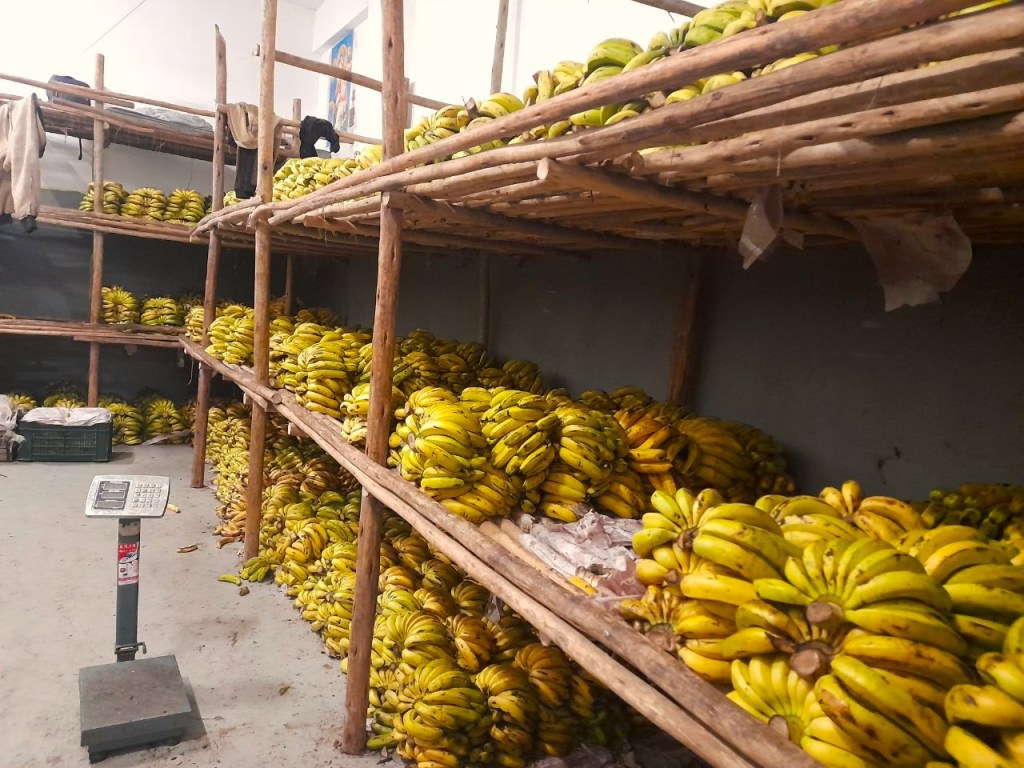
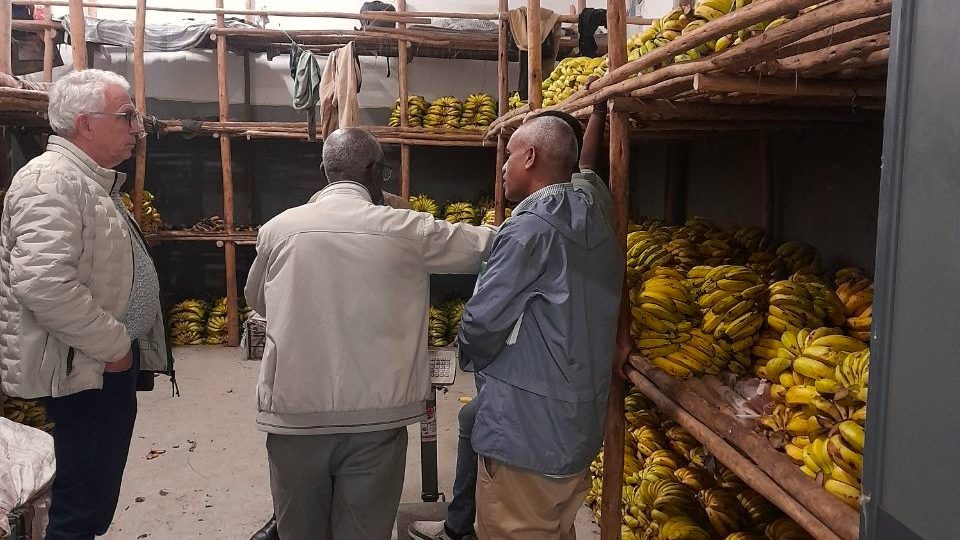
Against this backdrop, the RAISE-FS LOGIC scoping mission, conducted with PUM expert Simon Benard, examined how these wider agrologistics challenges play out at facility level in Addis Ababa. The team assessed several cold-storage facilities, including a ripening room at a farmers’ market shed and a cold store operated by the Ethiopian Trading and Business Corporation (ETBC), to identify practical opportunities for reducing losses and improving performance.
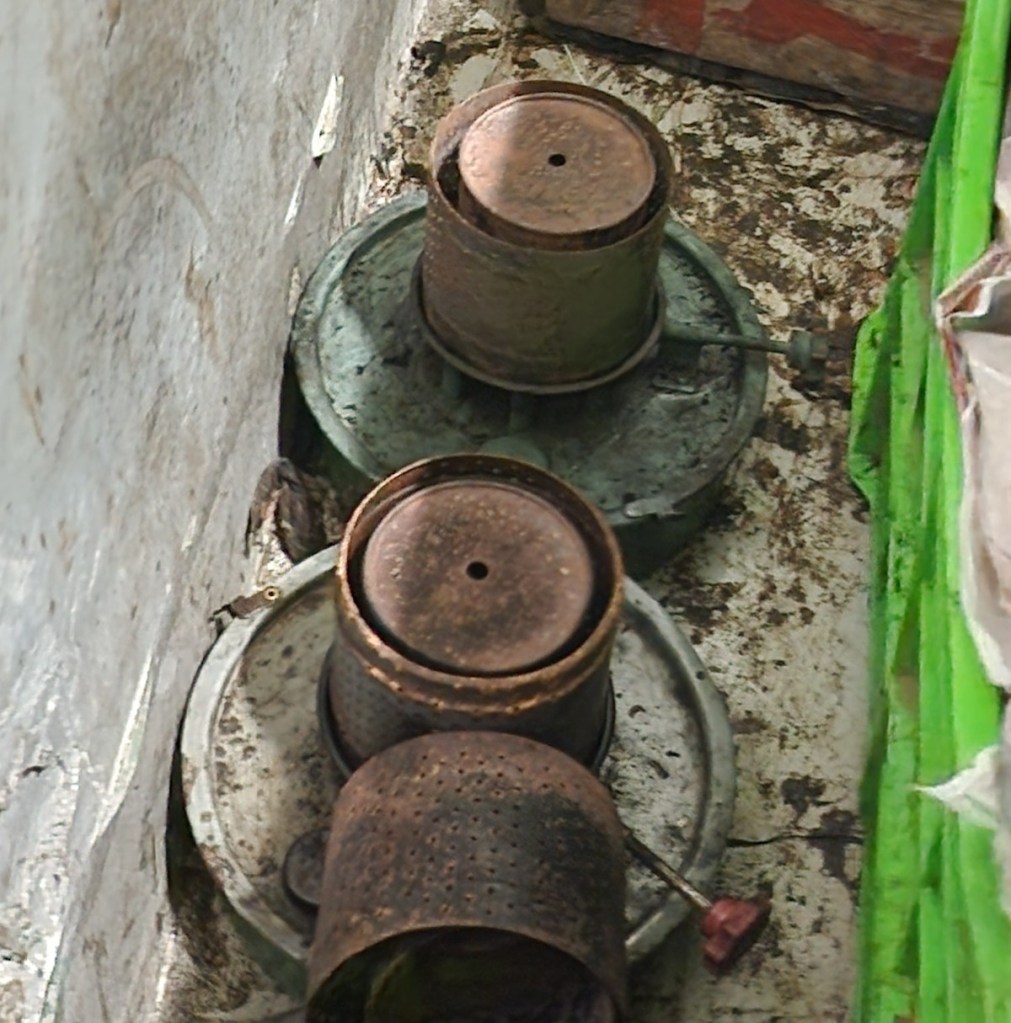
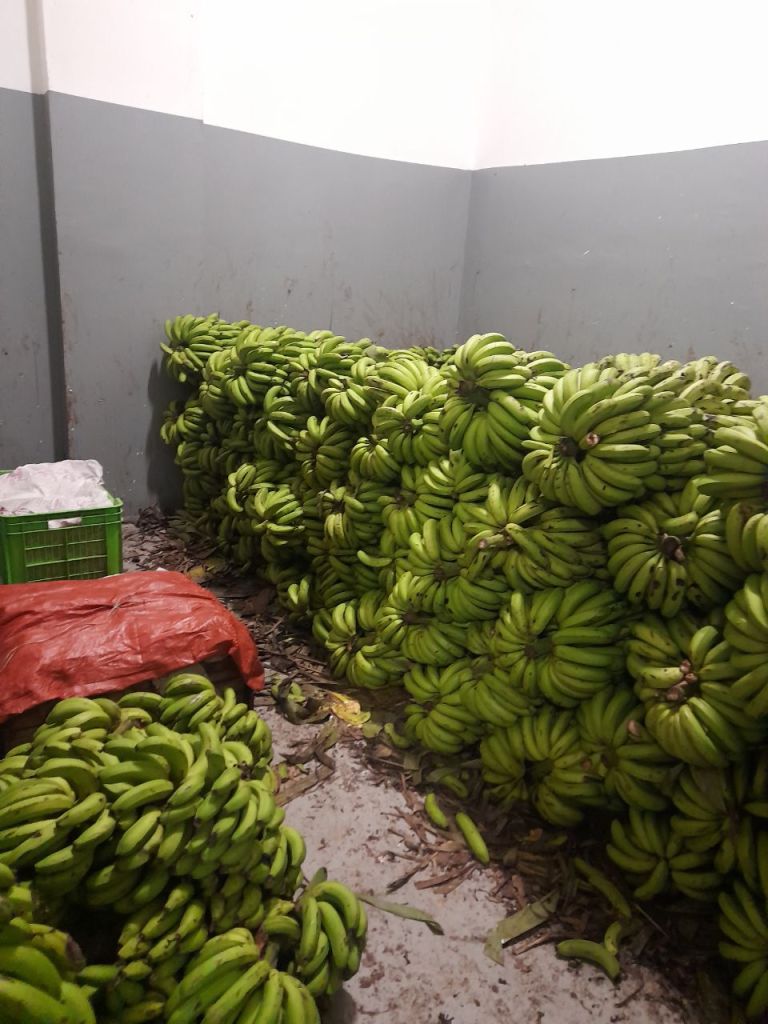
One of the most urgent findings was the widespread use of kerosene to ripen agricultural products. Open-flame heating provides no reliable temperature control and can reduce oxygen levels to 15–16%, while also creating environmental and operational risks. The challenges of ripening techniques also include uneven maturity and irregular colour development within a single banana finger, fruit detachment, and high post‑harvest losses. Effective banana ripening depends on precise temperature management and controlled ethylene injection. The team estimated that replacing kerosene with electrical heating and an electronic thermostat would cost about €400 per room; a modest investment with the potential to improve safety, efficiency and product quality.
The visits also revealed how basic maintenance issues can lead to avoidable losses. At one cold store, water had been accumulating on the floor for six months, and workers did not know why. The team traced the problem to poor alignment and gaps between the door and the floor. Escaping cold air was meeting warm air and creating condensation. Replacing the door rail system to achieve a proper seal resolved the issue.
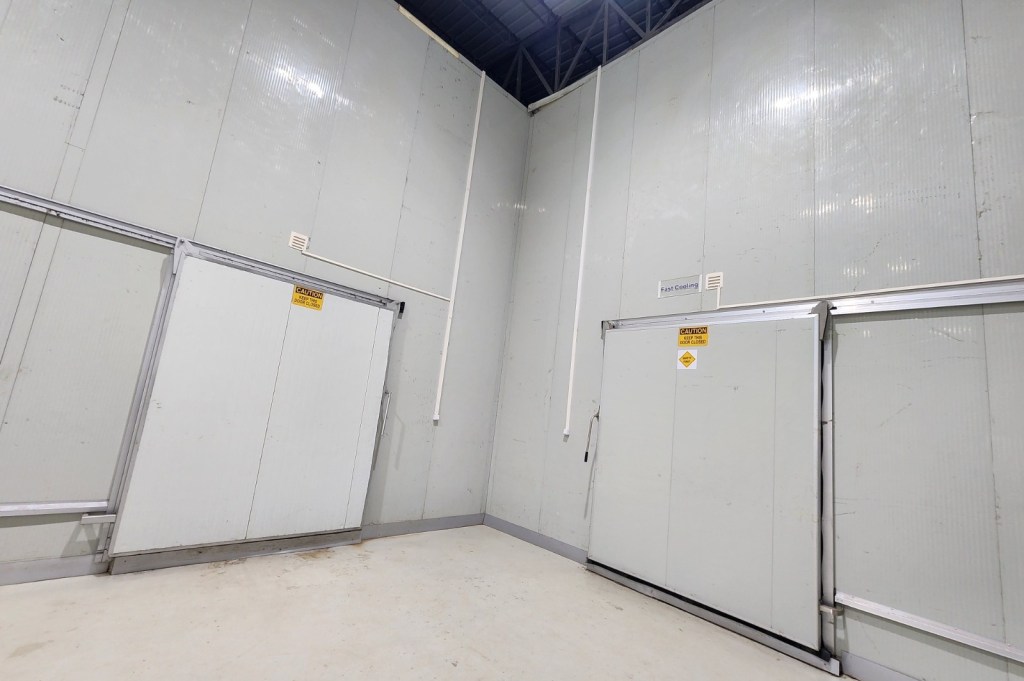
At another facility, an avocado cold store was set to 9°C with a 4°C operating interval. The recommended interval is 1°C. The wider fluctuation allowed the chamber to warm to about 13°C, increasing moisture and causing condensation on the fruit. The resulting “wet” appearance reduced product quality and contributed to losses.
The field mission demonstrated that improving agrologistics starts with understanding how facilities operate in practice. In a short visit, the RAISE-FS LOGIC team identified problems that were not caused by a complete lack of infrastructure, but by gaps in equipment, calibration, maintenance and operating knowledge. Targeted advice on door sealing, thermostat settings, electrical heating and safe ripening practices showed how relatively small interventions can quickly improve storage performance, preserve product quality and reduce post-harvest losses.
Building on these lessons will require action at several levels. Cold-store owners and operators need practical training, preventive-maintenance routines and simple operating standards for different commodities. Regular technical audits and stronger links among producers, markets, storage operators and transporters would help ensure that investments are used effectively. The mission confirms that food-system transformation is not driven only by large infrastructure projects: combining effective management and use these infrastructures can build a safer, more efficient and resilient agrologistics system for Ethiopia, reduce food waste, strengthen rural and urban market connections, and support food security and environmental sustainability.

